

Adidas Provides Disappointing 2026 Outlook Amidst Challenges
Written by Emily J. Thompson, Senior Investment Analyst
Updated: Mar 04 2026
0mins


Source: CNBC
- 2026 Revenue Outlook: Adidas anticipates revenue growth in the high single digits for 2026 from 2025's €24.8 billion ($28.86 billion), despite facing challenges from U.S. tariffs and unfavorable currency fluctuations, indicating vulnerability in a deteriorating market environment.
- Operating Profit Forecast: The company expects operating profit to reach around €2.3 billion, yet a €400 million negative impact from U.S. tariffs results in a profitability outlook that is 15% below market expectations, potentially leading to investor dissatisfaction and declining confidence.
- Sales and Profit Performance: Fourth-quarter sales were €6.1 billion, with profit at €164 million, both slightly missing FactSet estimates, demonstrating that Adidas's growth remains challenged amid external turbulence, which could affect future market performance.
- CEO Contract Extension: Adidas announced the extension of CEO Bjørn Gulden's contract until 2030, reflecting confidence in his strategy, particularly after the split with Ye, as Gulden's leadership is seen as crucial for stabilizing the company.
Trade with 70% Backtested Accuracy
Stop guessing "Should I Buy NKE?" and start using high-conviction signals backed by rigorous historical data.
Sign up today to access powerful investing tools and make smarter, data-driven decisions.
Analyst Views on NKE
Wall Street analysts forecast NKE stock price to rise
21 Analyst Rating
14 Buy
7 Hold
0 Sell
Moderate Buy
Current: 44.930

Low
62.00
Averages
76.11
High
110.00
Current: 44.930
Low
62.00
Averages
76.11
High
110.00
About NKE
NIKE, Inc. is engaged in the designing, marketing and distributing of athletic footwear, apparel, equipment and accessories and services for sports and fitness activities. The Company's operating segments include North America; Europe, Middle East & Africa (EMEA); Greater China; and Asia Pacific & Latin America (APLA). It sells a line of equipment and accessories under the NIKE Brand name, including bags, socks, sport balls, eyewear, timepieces, digital devices, bats, gloves, protective equipment and other equipment designed for sports activities. It also designs products specifically for the Jordan Brand and Converse. The Jordan Brand designs, distributes and licenses athletic and casual footwear, apparel and accessories predominantly focused on basketball performance and culture using the Jumpman trademark. The Company also designs, distributes and licenses casual sneakers, apparel and accessories under the Chuck Taylor, All Star, One Star, Star Chevron and Jack Purcell trademarks.
About the author

Emily J. Thompson
Emily J. Thompson, a Chartered Financial Analyst (CFA) with 12 years in investment research, graduated with honors from the Wharton School. Specializing in industrial and technology stocks, she provides in-depth analysis for Intellectia’s earnings and market brief reports.

Nike Faces Pressure from Rising Production Costs

- Rising Production Costs: In May, the Producer Price Index (PPI) surged 6.5% year-over-year, posing a potential threat to Nike's profit margins, which could further impact its financial performance as input costs rise.
- Stock Price Decline: Nike's stock has dropped nearly 28% this year, and as of June 11, it is 43% below its 52-week high, leading to diminished investor confidence and a cautious market sentiment surrounding the stock.
- Tariff Impact: New U.S. tariffs impose a $1.5 billion burden on Nike, particularly due to its reliance on production in Indonesia and Vietnam, which could further compress profit margins and exacerbate cost pressures.
- Dividends and Cash Flow: Despite offering a 3.6% dividend yield and nearly $3.3 billion in annual free cash flow, investor concerns over margin struggles overshadow these positives, indicating a cautious outlook on future growth prospects.
See More
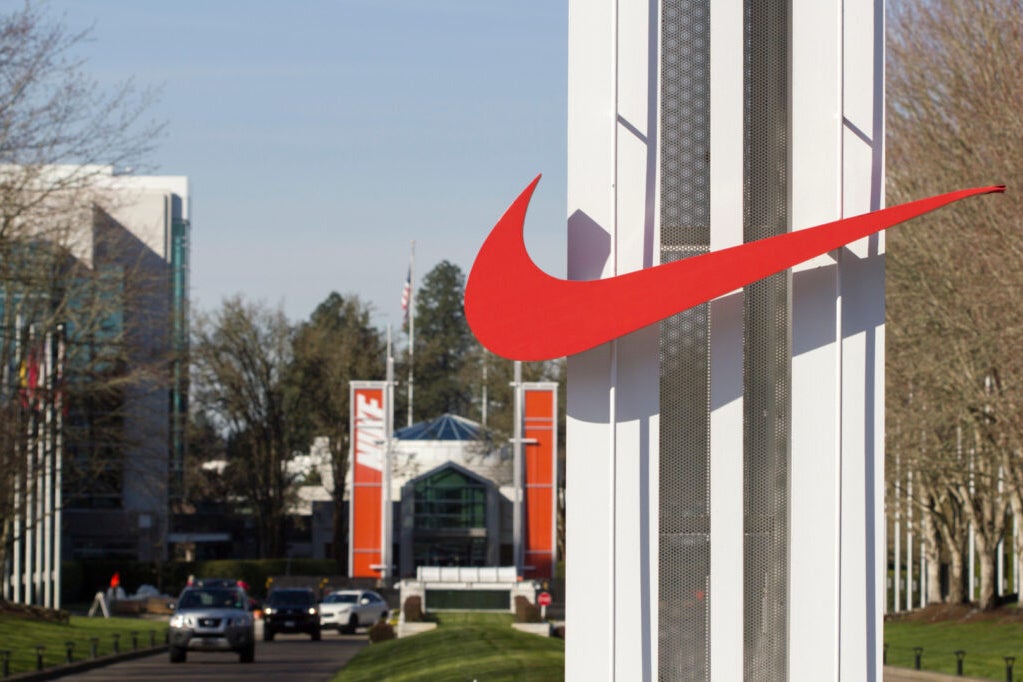
Nike Faces High Inflation Pressures
- Rising Production Costs: The Producer Price Index (PPI) surged 6.5% year-over-year in May, posing potential threats to companies like Nike that are sensitive to input costs, which could lead to further declines in profit margins and overall financial performance.
- Stock Price Decline: Nike's stock has dropped nearly 28% this year, and as of June 11, it is 43% below its 52-week high, reflecting heightened investor caution and concerns about the company's future performance in a challenging economic environment.
- Margin Pressure: Nike is experiencing a six-quarter streak of declining gross margins, primarily due to high production costs and U.S. tariffs impacting Indonesia and Vietnam, which together account for 79% of its footwear production, intensifying profitability challenges.
- Cash Flow and Dividends: Despite a 3.6% dividend yield and nearly $3.3 billion in annual free cash flow, investor concerns about Nike's margin struggles overshadow these positives, leading to diminished market confidence in the company's future prospects.
See More
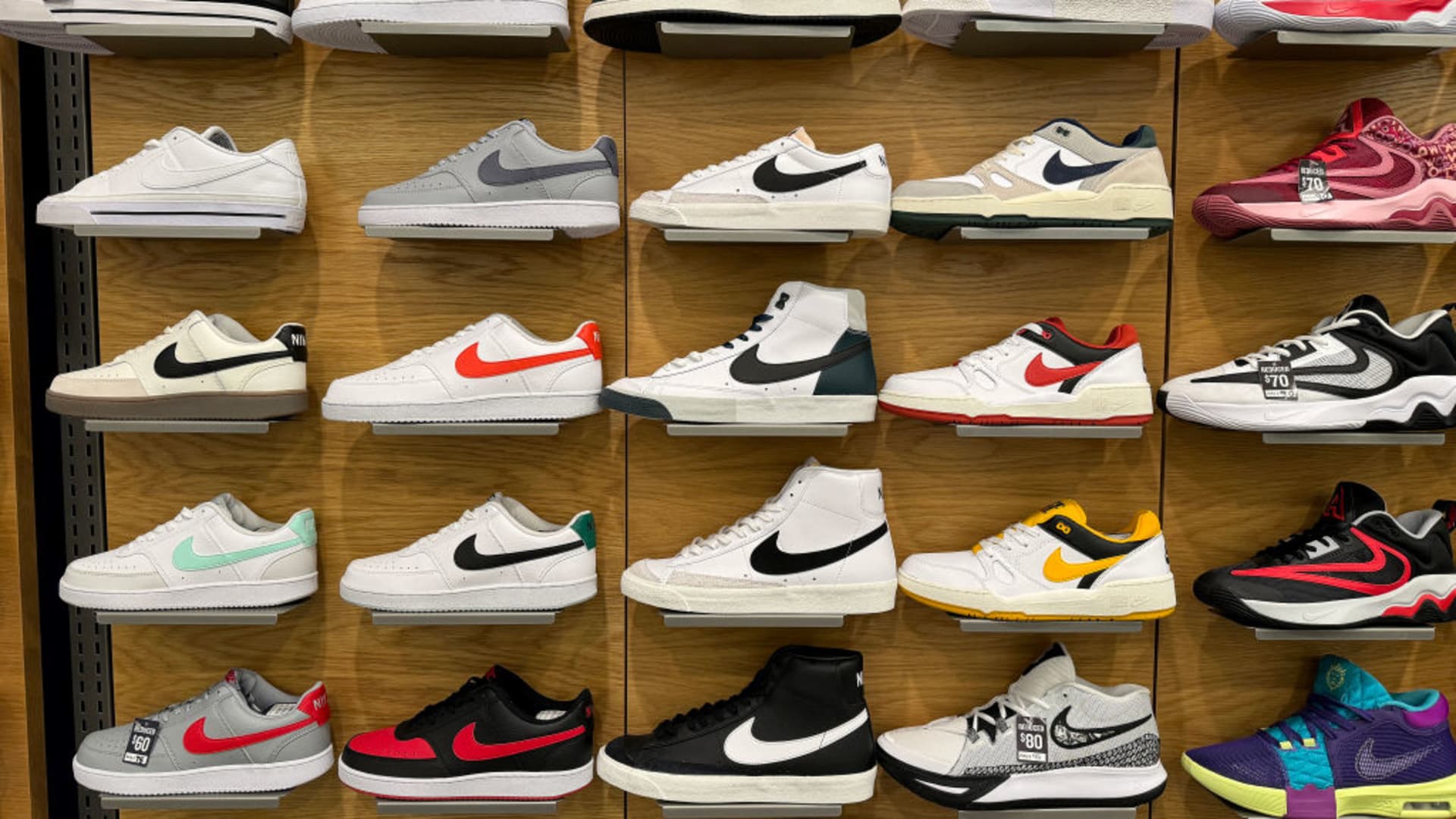
Nike Downgraded Amid Slow Progress and Limited Upside
- Rating Downgrade: RBC Capital downgraded Nike (NYSE:NKE) from 'Outperform' to 'Sector Perform' and cut its price target from $70 to $50, indicating a cautious market sentiment despite a nearly 14% upside potential from the new target.
- Insufficient Growth Drivers: Analysts noted that while Nike's turnaround under CEO Elliott Hill shows some progress, the pace and scope are slower than expected, posing challenges for sustained sales improvement through 2026.
- Earnings Estimates Cut: RBC also lowered its earnings estimates for Nike, suggesting that the company's valuation appears stretched compared to its peers' growth prospects, reflecting concerns about Nike's future profitability.
- Increased Market Competition: Although Nike benefits from support related to the upcoming World Cup and ongoing cleanup activities, analysts believe that other investment options, such as AI stocks, offer greater upside potential and lower downside risk, which may attract investor interest.
See More

SpaceX Goes Public with $2 Trillion Valuation, Musk Becomes First Trillionaire


- Record IPO: SpaceX's debut on Nasdaq raised $75 billion, marking the largest IPO in history with a valuation of $2 trillion, instantly making it the sixth most valuable company in the U.S., reflecting strong market confidence in its growth prospects.
- Musk's Wealth Surge: With SpaceX's IPO, Elon Musk became the world's first trillionaire, and despite the company posting a $4.9 billion loss last year, the surge in market cap indicates investor optimism about its long-term potential, intensifying discussions around wealth inequality.
- Positive Market Reaction: The stock price rose 19% on its first day, with over 500 million shares traded, nearly matching Facebook's debut volume, boosting market confidence for upcoming IPOs, particularly for companies like OpenAI and Anthropic that may go public soon.
- Future Challenges and Opportunities: While SpaceX's valuation is impressive, analysts express concerns about its heavy reliance on the Starship rocket for long-term strategy, suggesting that achieving consistent cash flow and profitability will require overcoming significant challenges in the competitive space and AI markets.
See More
Nike Faces Pressure as CEO Elliott Hill's Turnaround Plan Tests Investor Patience

- Significant Stock Decline: Since CEO Elliott Hill's return, Nike's stock has plummeted over 45%, erasing $57 billion in market value and leaving shares near their lowest level in a decade, indicating waning investor patience with the turnaround plan.
- Market Share Erosion: Nike's global sports footwear market share has dropped from nearly 25% in 2016 to about 19%, with competitors like Adidas and New Balance gaining ground, reflecting the challenges of the brand's reset efforts.
- Weak Financial Performance: The company's most recently reported quarterly revenue was roughly flat year-over-year and down nearly 10% from two years prior, with analysts expecting further declines in the upcoming fiscal fourth-quarter earnings report on June 30, highlighting ongoing pressures.
- Challenges in Brand Revitalization: Despite remaining the world's largest sportswear company, Nike's marketing efforts during the World Cup and Boston Marathon faced criticism, indicating a rocky path ahead in rebuilding product innovation and retailer relationships.
See More
Onitsuka Tiger's Global Expansion Plans Amid Margin Risks
- Global Expansion Strategy: Onitsuka Tiger is set to open flagship stores in the U.S. and Europe to capitalize on booming demand for its retro fashion shoes, although analysts warn that this ambition could jeopardize its impressive profit margin of around 40%.
- Significant Sales Growth: In Q1 2023, Onitsuka Tiger's sales surged by one-third year-over-year, reflecting the brand's strong appeal in markets outside Japan, particularly as a weakened yen has attracted numerous tourists.
- Brand Restructuring Risks: Asics announced the transfer of Onitsuka Tiger to its wholly-owned subsidiary OT Group, which may facilitate future ownership structure adjustments; however, analysts caution that independent operations could incur additional costs and impact margins.
- Intensifying Market Competition: While Onitsuka Tiger benefits from rising consumer interest in alternative sneaker brands, global giants like Nike and Adidas are also launching their minimalist lines, leading to heightened competition, with the brand's future heavily influenced by shifting fashion trends.
See More
Nike Faces Pressure from Rising Production Costs
- Rising Production Costs: In May, the Producer Price Index (PPI) surged 6.5% year-over-year, posing a potential threat to Nike's profit margins, which could further impact its financial performance as input costs rise.
- Stock Price Decline: Nike's stock has dropped nearly 28% this year, and as of June 11, it is 43% below its 52-week high, leading to diminished investor confidence and a cautious market sentiment surrounding the stock.
- Tariff Impact: New U.S. tariffs impose a $1.5 billion burden on Nike, particularly due to its reliance on production in Indonesia and Vietnam, which could further compress profit margins and exacerbate cost pressures.
- Dividends and Cash Flow: Despite offering a 3.6% dividend yield and nearly $3.3 billion in annual free cash flow, investor concerns over margin struggles overshadow these positives, indicating a cautious outlook on future growth prospects.
See More
Nike Faces High Inflation Pressures
- Rising Production Costs: The Producer Price Index (PPI) surged 6.5% year-over-year in May, posing potential threats to companies like Nike that are sensitive to input costs, which could lead to further declines in profit margins and overall financial performance.
- Stock Price Decline: Nike's stock has dropped nearly 28% this year, and as of June 11, it is 43% below its 52-week high, reflecting heightened investor caution and concerns about the company's future performance in a challenging economic environment.
- Margin Pressure: Nike is experiencing a six-quarter streak of declining gross margins, primarily due to high production costs and U.S. tariffs impacting Indonesia and Vietnam, which together account for 79% of its footwear production, intensifying profitability challenges.
- Cash Flow and Dividends: Despite a 3.6% dividend yield and nearly $3.3 billion in annual free cash flow, investor concerns about Nike's margin struggles overshadow these positives, leading to diminished market confidence in the company's future prospects.
See More
Nike Downgraded Amid Slow Progress and Limited Upside
- Rating Downgrade: RBC Capital downgraded Nike (NYSE:NKE) from 'Outperform' to 'Sector Perform' and cut its price target from $70 to $50, indicating a cautious market sentiment despite a nearly 14% upside potential from the new target.
- Insufficient Growth Drivers: Analysts noted that while Nike's turnaround under CEO Elliott Hill shows some progress, the pace and scope are slower than expected, posing challenges for sustained sales improvement through 2026.
- Earnings Estimates Cut: RBC also lowered its earnings estimates for Nike, suggesting that the company's valuation appears stretched compared to its peers' growth prospects, reflecting concerns about Nike's future profitability.
- Increased Market Competition: Although Nike benefits from support related to the upcoming World Cup and ongoing cleanup activities, analysts believe that other investment options, such as AI stocks, offer greater upside potential and lower downside risk, which may attract investor interest.
See More
SpaceX Goes Public with $2 Trillion Valuation, Musk Becomes First Trillionaire
- Record IPO: SpaceX's debut on Nasdaq raised $75 billion, marking the largest IPO in history with a valuation of $2 trillion, instantly making it the sixth most valuable company in the U.S., reflecting strong market confidence in its growth prospects.
- Musk's Wealth Surge: With SpaceX's IPO, Elon Musk became the world's first trillionaire, and despite the company posting a $4.9 billion loss last year, the surge in market cap indicates investor optimism about its long-term potential, intensifying discussions around wealth inequality.
- Positive Market Reaction: The stock price rose 19% on its first day, with over 500 million shares traded, nearly matching Facebook's debut volume, boosting market confidence for upcoming IPOs, particularly for companies like OpenAI and Anthropic that may go public soon.
- Future Challenges and Opportunities: While SpaceX's valuation is impressive, analysts express concerns about its heavy reliance on the Starship rocket for long-term strategy, suggesting that achieving consistent cash flow and profitability will require overcoming significant challenges in the competitive space and AI markets.
See More
Nike Faces Pressure as CEO Elliott Hill's Turnaround Plan Tests Investor Patience
- Significant Stock Decline: Since CEO Elliott Hill's return, Nike's stock has plummeted over 45%, erasing $57 billion in market value and leaving shares near their lowest level in a decade, indicating waning investor patience with the turnaround plan.
- Market Share Erosion: Nike's global sports footwear market share has dropped from nearly 25% in 2016 to about 19%, with competitors like Adidas and New Balance gaining ground, reflecting the challenges of the brand's reset efforts.
- Weak Financial Performance: The company's most recently reported quarterly revenue was roughly flat year-over-year and down nearly 10% from two years prior, with analysts expecting further declines in the upcoming fiscal fourth-quarter earnings report on June 30, highlighting ongoing pressures.
- Challenges in Brand Revitalization: Despite remaining the world's largest sportswear company, Nike's marketing efforts during the World Cup and Boston Marathon faced criticism, indicating a rocky path ahead in rebuilding product innovation and retailer relationships.
See More
Onitsuka Tiger's Global Expansion Plans Amid Margin Risks
- Global Expansion Strategy: Onitsuka Tiger is set to open flagship stores in the U.S. and Europe to capitalize on booming demand for its retro fashion shoes, although analysts warn that this ambition could jeopardize its impressive profit margin of around 40%.
- Significant Sales Growth: In Q1 2023, Onitsuka Tiger's sales surged by one-third year-over-year, reflecting the brand's strong appeal in markets outside Japan, particularly as a weakened yen has attracted numerous tourists.
- Brand Restructuring Risks: Asics announced the transfer of Onitsuka Tiger to its wholly-owned subsidiary OT Group, which may facilitate future ownership structure adjustments; however, analysts caution that independent operations could incur additional costs and impact margins.
- Intensifying Market Competition: While Onitsuka Tiger benefits from rising consumer interest in alternative sneaker brands, global giants like Nike and Adidas are also launching their minimalist lines, leading to heightened competition, with the brand's future heavily influenced by shifting fashion trends.
See More





