AbbVie Reports Positive Results for ABBV-295 Clinical Trial
AbbVie announced positive topline results from the multiple ascending dose part of its Phase 1 study evaluating the safety, tolerability, pharmacokinetics, and pharmacodynamics of subcutaneous ABBV-295, in adults with a mean body mass index of less than 30 kg/m2. ABBV-295 is a long-acting amylin analog that represents a mechanistically distinct class from incretin-based therapies such as GLP-1 and GIP receptor agonists. Study enrollment mostly comprised male participants. Different doses, titrations and dose frequencies were tested in the study. ABBV-295 was generally well tolerated across all dose levels evaluated. The most commonly reported adverse events were gastrointestinal disorders, which were mostly mild, and predominantly occurred during the first 6 weeks of treatment. ABBV-295 demonstrated clinically meaningful, dose-dependent reductions in body weight from baseline, over a 12-13-week treatment period. In the ABBV-295 treated groups dose-dependent least-squares mean percentage change in body weight ranged from -7.75% to -9.79% at week 12, to -7.86% to -9.73% at week 13, compared to -0.26% and -0.25% in the placebo group at week 12 and week 13, respectively.
Trade with 70% Backtested Accuracy
Analyst Views on ABBV

About ABBV
About the author

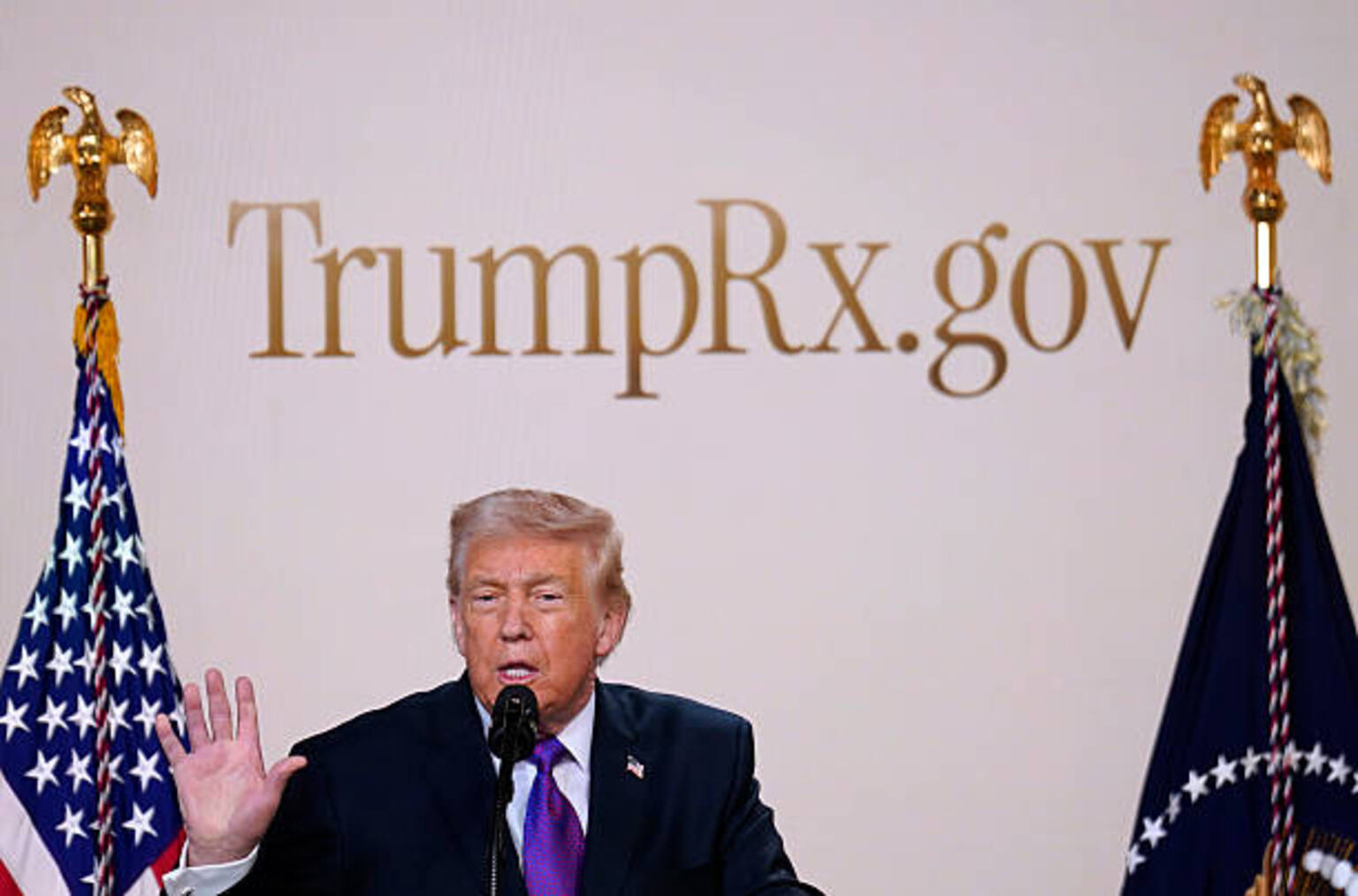
AbbVie and Roche Launch Medicines on TrumpRx Platform

- Discounted Drug Offerings: AbbVie's arthritis drug Humira will be available on the TrumpRx platform at an 86% discount, reflecting a drug pricing deal with the Trump administration that is expected to significantly reduce patient costs.
- New Drug Additions: Roche's Genentech unit is also launching its flu medication Xofluza on TrumpRx for $50, down from a list price of approximately $168, further enhancing the platform's appeal to consumers.
- Increase in Product Range: The total number of drugs available on TrumpRx has grown from about 40 in February to 61, demonstrating the platform's success in attracting pharmaceutical companies and expanding drug options for consumers.
- Intensifying Market Competition: With Amgen also expanding its offerings on TrumpRx to include Enbrel and Otezla, competition in the market is intensifying, prompting pharmaceutical companies to continuously adjust their strategies to address pricing pressures and consumer demands.

ABBVIE AIMS TO ELIMINATE LOOPHOLES AND ENHANCE ACCOUNTABILITY IN THE 340B PROGRAM
Program Overview: The initiative focuses on closing loopholes and enhancing accountability within a specific program involving 340B.
Goals and Objectives: The primary aim is to strengthen the integrity and effectiveness of the 340B program, ensuring it serves its intended purpose.

Jim Cramer's Charitable Trust Adjusts Portfolio with J&J and BMY Trades


- Exit from Bristol Myers: Jim Cramer's Charitable Trust sold 1,100 shares of Bristol Myers at approximately $58.94, maintaining a small gain of 3.5%, but opted to exit due to concerns over pharmaceutical tariffs and a failed clinical trial, thereby mitigating potential losses.
- Initiation of Johnson & Johnson Position: Concurrently, the Trust initiated a new position in Johnson & Johnson by purchasing 150 shares at roughly $237.65, which will represent about 1% of the portfolio, reflecting confidence in J&J's long-term growth potential, particularly in its innovative medicines and medical products segments.
- Sales Growth at Johnson & Johnson: Johnson & Johnson generated approximately $94 billion in sales in 2025, with about two-thirds from its pharmaceutical division, particularly strong in oncology, where sales are expected to exceed $50 billion annually by 2030, showcasing its competitive edge in the market.
- Legal Risk Mitigation: Johnson & Johnson has adjusted its legal strategy regarding the baby powder lawsuits, moving away from blanket settlements to address cases individually, which has significantly reduced overall legal risks and provided greater upside potential for its stock price.

Analysis of High-Yield Stock Investment Opportunities

- AbbVie Stock Performance: AbbVie shares have declined 10% this year, yet its 3.4% dividend yield is nearly three times the S&P 500 average, indicating strong financial fundamentals and attractiveness, making it a solid hold for long-term investors seeking stable income.
- Novo Nordisk's Investment Potential: Facing competitive pressures, Novo Nordisk anticipates a 13% revenue decline this year, resulting in a 28% drop in share price; however, its 41% operating profit margin suggests robust profitability, presenting a buying opportunity for long-term investors at current undervalued levels.
- Verizon's Dividend Safety: Verizon Communications offers a high dividend yield of 5.8%, with a payout ratio around 50% indicating short-term dividend safety; despite a nearly 20% rise in 2026, its stock remains below five-year levels, enhancing its appeal as a defensive investment.
- Market Environment Impact: Amid geopolitical uncertainties and high valuations, the overall market has struggled, with the S&P 500 down over 3%, yet high-yield stocks like AbbVie, Novo Nordisk, and Verizon provide stable income sources, making them suitable for investors seeking safety in the current market landscape.

AbbVie Continues to Raise Quarterly Dividend Amid Patent Challenges

- Stable Dividend Growth: AbbVie has raised its quarterly dividend every year since becoming independent in 2013, with the latest dividend at $1.73 per share, or $6.92 annually, demonstrating strong cash flow and shareholder returns despite challenges from Humira's patent expiration.
- Sales Driven by New Drugs: Sales from Skyrizi and Rinvoq are projected to reach $50 billion by 2030, having generated $31 billion in 2025, effectively countering the decline in Humira sales and ensuring future profitability for AbbVie.
- Neuroscience Portfolio Growth: AbbVie's neuroscience products, including Vraylar and Botox Therapeutic, have seen low-teens percentage year-over-year growth, supporting the company's financial health despite declines in other areas like oncology and aesthetics treatments.
- Future Dividend Potential: With earnings expected to rise by 45.4% in 2026 and 10.8% in 2027, AbbVie is positioned for larger dividend increases in the future, and while it is still years away from becoming a Dividend King, its growth potential remains significant.

AbbVie Successfully Navigates Patent Cliff, Sustains Dividend Growth
- Patent Cliff Navigation: AbbVie has successfully navigated the challenge of Humira's patent expiration by launching new drugs like Skyrizi and Rinvoq, ensuring over a decade of dividend growth, which demonstrates its resilience and adaptability in the pharmaceutical industry.
- Sales Growth Expectations: Forecasts indicate that sales of Skyrizi and Rinvoq will increase from $31 billion in 2025 to $50 billion by 2030, further driving overall revenue growth and enhancing investor confidence in AbbVie's future prospects.
- Sustained Dividend Growth: AbbVie recently raised its quarterly dividend by 5.5% to $1.73 per share, resulting in an annualized dividend of $6.92, with a current yield of approximately 3.2%, providing stable returns for long-term investors.
- Optimistic Earnings Outlook: With projected earnings growth of 45.4% in 2026 and 10.8% in 2027, AbbVie is well-positioned for larger dividend increases in the future, further enhancing the attractiveness of its stock for investors.
AbbVie and Roche Launch Medicines on TrumpRx Platform
- Discounted Drug Offerings: AbbVie's arthritis drug Humira will be available on the TrumpRx platform at an 86% discount, reflecting a drug pricing deal with the Trump administration that is expected to significantly reduce patient costs.
- New Drug Additions: Roche's Genentech unit is also launching its flu medication Xofluza on TrumpRx for $50, down from a list price of approximately $168, further enhancing the platform's appeal to consumers.
- Increase in Product Range: The total number of drugs available on TrumpRx has grown from about 40 in February to 61, demonstrating the platform's success in attracting pharmaceutical companies and expanding drug options for consumers.
- Intensifying Market Competition: With Amgen also expanding its offerings on TrumpRx to include Enbrel and Otezla, competition in the market is intensifying, prompting pharmaceutical companies to continuously adjust their strategies to address pricing pressures and consumer demands.
ABBVIE AIMS TO ELIMINATE LOOPHOLES AND ENHANCE ACCOUNTABILITY IN THE 340B PROGRAM
Program Overview: The initiative focuses on closing loopholes and enhancing accountability within a specific program involving 340B.
Goals and Objectives: The primary aim is to strengthen the integrity and effectiveness of the 340B program, ensuring it serves its intended purpose.
Jim Cramer's Charitable Trust Adjusts Portfolio with J&J and BMY Trades
- Exit from Bristol Myers: Jim Cramer's Charitable Trust sold 1,100 shares of Bristol Myers at approximately $58.94, maintaining a small gain of 3.5%, but opted to exit due to concerns over pharmaceutical tariffs and a failed clinical trial, thereby mitigating potential losses.
- Initiation of Johnson & Johnson Position: Concurrently, the Trust initiated a new position in Johnson & Johnson by purchasing 150 shares at roughly $237.65, which will represent about 1% of the portfolio, reflecting confidence in J&J's long-term growth potential, particularly in its innovative medicines and medical products segments.
- Sales Growth at Johnson & Johnson: Johnson & Johnson generated approximately $94 billion in sales in 2025, with about two-thirds from its pharmaceutical division, particularly strong in oncology, where sales are expected to exceed $50 billion annually by 2030, showcasing its competitive edge in the market.
- Legal Risk Mitigation: Johnson & Johnson has adjusted its legal strategy regarding the baby powder lawsuits, moving away from blanket settlements to address cases individually, which has significantly reduced overall legal risks and provided greater upside potential for its stock price.
Analysis of High-Yield Stock Investment Opportunities
- AbbVie Stock Performance: AbbVie shares have declined 10% this year, yet its 3.4% dividend yield is nearly three times the S&P 500 average, indicating strong financial fundamentals and attractiveness, making it a solid hold for long-term investors seeking stable income.
- Novo Nordisk's Investment Potential: Facing competitive pressures, Novo Nordisk anticipates a 13% revenue decline this year, resulting in a 28% drop in share price; however, its 41% operating profit margin suggests robust profitability, presenting a buying opportunity for long-term investors at current undervalued levels.
- Verizon's Dividend Safety: Verizon Communications offers a high dividend yield of 5.8%, with a payout ratio around 50% indicating short-term dividend safety; despite a nearly 20% rise in 2026, its stock remains below five-year levels, enhancing its appeal as a defensive investment.
- Market Environment Impact: Amid geopolitical uncertainties and high valuations, the overall market has struggled, with the S&P 500 down over 3%, yet high-yield stocks like AbbVie, Novo Nordisk, and Verizon provide stable income sources, making them suitable for investors seeking safety in the current market landscape.
AbbVie Continues to Raise Quarterly Dividend Amid Patent Challenges
- Stable Dividend Growth: AbbVie has raised its quarterly dividend every year since becoming independent in 2013, with the latest dividend at $1.73 per share, or $6.92 annually, demonstrating strong cash flow and shareholder returns despite challenges from Humira's patent expiration.
- Sales Driven by New Drugs: Sales from Skyrizi and Rinvoq are projected to reach $50 billion by 2030, having generated $31 billion in 2025, effectively countering the decline in Humira sales and ensuring future profitability for AbbVie.
- Neuroscience Portfolio Growth: AbbVie's neuroscience products, including Vraylar and Botox Therapeutic, have seen low-teens percentage year-over-year growth, supporting the company's financial health despite declines in other areas like oncology and aesthetics treatments.
- Future Dividend Potential: With earnings expected to rise by 45.4% in 2026 and 10.8% in 2027, AbbVie is positioned for larger dividend increases in the future, and while it is still years away from becoming a Dividend King, its growth potential remains significant.
AbbVie Successfully Navigates Patent Cliff, Sustains Dividend Growth
- Patent Cliff Navigation: AbbVie has successfully navigated the challenge of Humira's patent expiration by launching new drugs like Skyrizi and Rinvoq, ensuring over a decade of dividend growth, which demonstrates its resilience and adaptability in the pharmaceutical industry.
- Sales Growth Expectations: Forecasts indicate that sales of Skyrizi and Rinvoq will increase from $31 billion in 2025 to $50 billion by 2030, further driving overall revenue growth and enhancing investor confidence in AbbVie's future prospects.
- Sustained Dividend Growth: AbbVie recently raised its quarterly dividend by 5.5% to $1.73 per share, resulting in an annualized dividend of $6.92, with a current yield of approximately 3.2%, providing stable returns for long-term investors.
- Optimistic Earnings Outlook: With projected earnings growth of 45.4% in 2026 and 10.8% in 2027, AbbVie is well-positioned for larger dividend increases in the future, further enhancing the attractiveness of its stock for investors.