VF Corp Reports Strong Q3 Earnings, Exceeds Expectations

VF Corp's stock rose by 3.56% as it reached a 20-day high, reflecting positive investor sentiment following its strong Q3 earnings report.
The company reported Q3 revenue of $2.875 billion, a 1% increase year-over-year, exceeding market expectations. Notably, the North Face and Timberland brands achieved revenue growth of 8% and 5%, respectively, highlighting the effectiveness of VF's brand strategies. Additionally, the adjusted earnings per share of 56 cents surpassed the analyst consensus of 45 cents, indicating robust performance during the holiday season.
This strong financial performance, coupled with a positive outlook for Q4, reinforces investor confidence in VF Corp's growth trajectory, particularly in the Americas market, which has shown significant recovery.
Trade with 70% Backtested Accuracy
Analyst Views on VFC

About VFC
About the author

Analysis of Retail Sector Impact from Rising Oil Prices


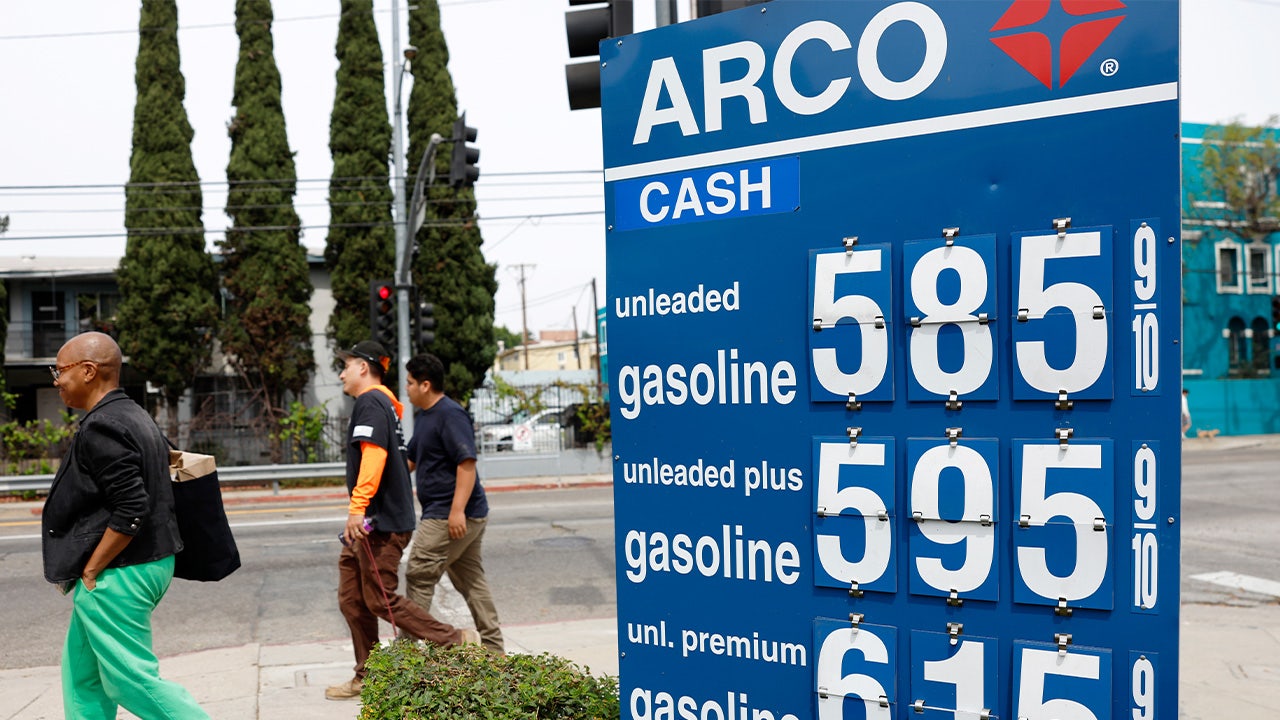
- Impact of Rising Oil Prices: Brent crude futures have surged above $110 per barrel due to the ongoing Middle East conflict, with diesel prices exceeding $5 per gallon for the first time since 2022, potentially imposing secondary effects on the U.S. retail sector and increasing household budget pressures.
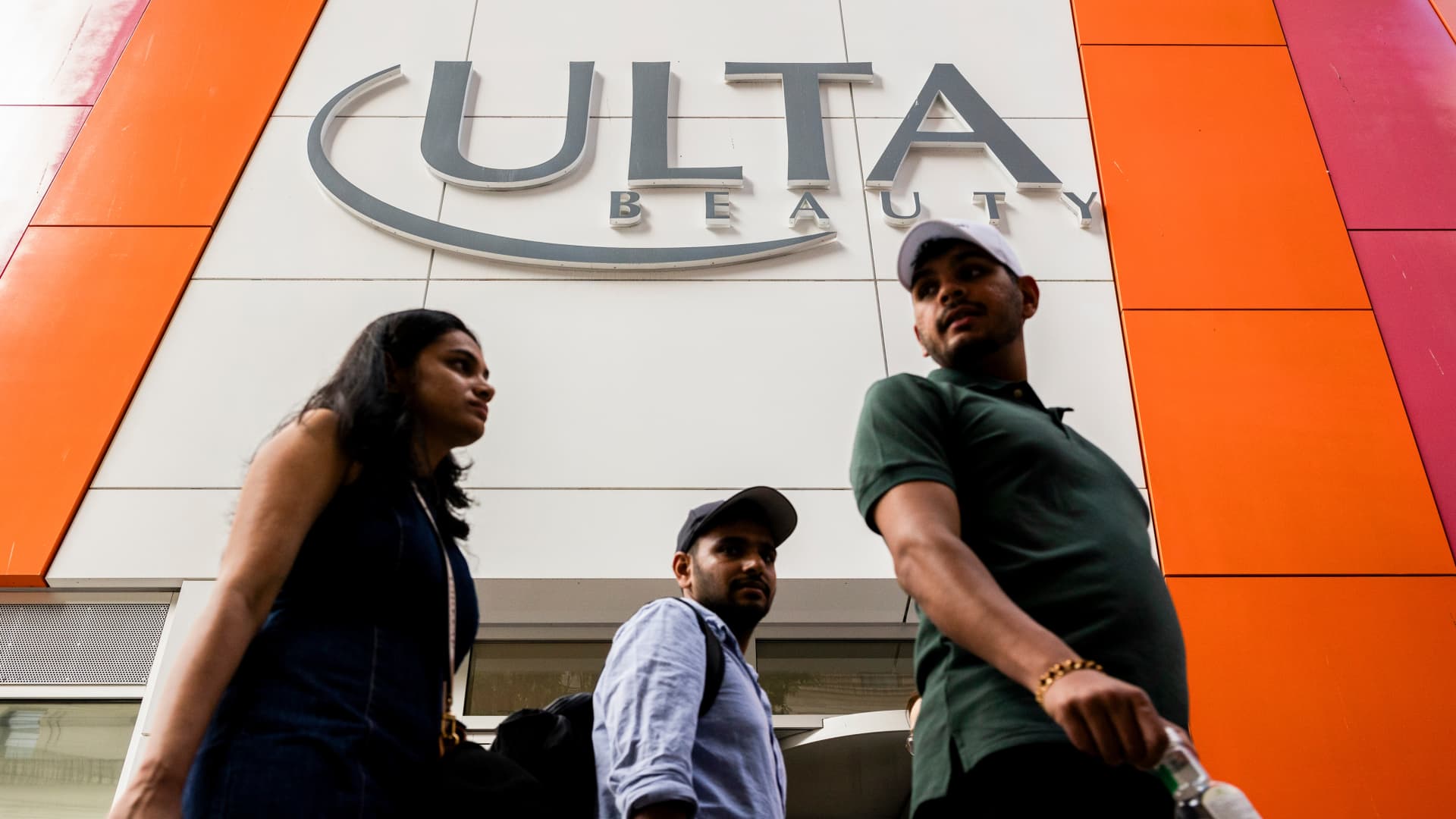
- Advantage of Higher-Income Customers: Deutsche Bank analysts noted that retailers like Ulta Beauty and Costco, which cater to higher-income demographics, have historically shown a positive correlation between sales and rising oil prices, indicating better sales performance in such environments.
- Pressure on Lower-Income Customers: Conversely, retailers like BJ's Wholesale Club and Burlington Stores, which primarily serve lower-income customers, exhibit negative sales correlations with rising gas prices, highlighting a trend where lower-income consumers reduce spending as fuel costs increase.
- Inventory Management Strategy: Despite the risks associated with rising input costs, many global brands, including Amer Sports and Birkenstock, maintain over 200 days of finished goods inventory, which helps mitigate near-term margin pressures and ensures market stability amid supply chain disruptions.
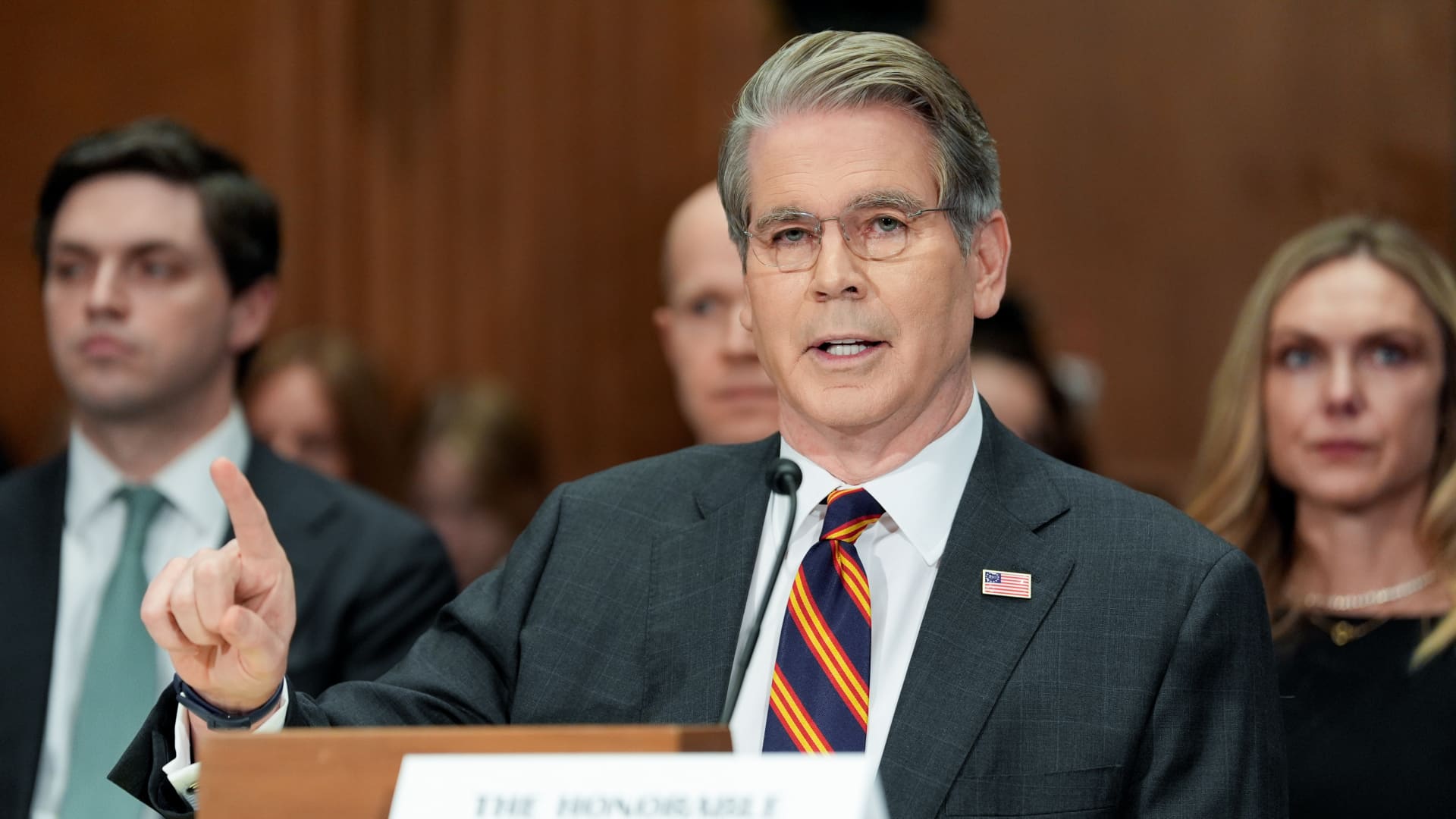
US Launches Trade Investigations into 60 Economies for Forced Labor


- Trade Investigations Launched: The U.S. initiated new trade investigations into 60 economies on Thursday to assess whether they have failed to curb imports of goods made with forced labor, a move that could impact trade relations with countries like China and the EU.
- Legal Basis: These investigations are conducted under Section 301(b) of the Trade Act of 1974, allowing the U.S. to impose tariffs on countries found engaging in unfair trade practices without congressional authorization, reflecting a tough stance in U.S. trade policy.
- International Response: The U.S. Trade Representative stated that despite international consensus against forced labor, governments have inadequately enforced bans on such goods, which could negatively affect U.S. workers and businesses.
- Impact on Future Negotiations: Launching these investigations just before the upcoming Trump-Xi meeting may affect the negotiation atmosphere, with experts suggesting that unilateral measures could hinder consensus, emphasizing the need for cooperative solutions.
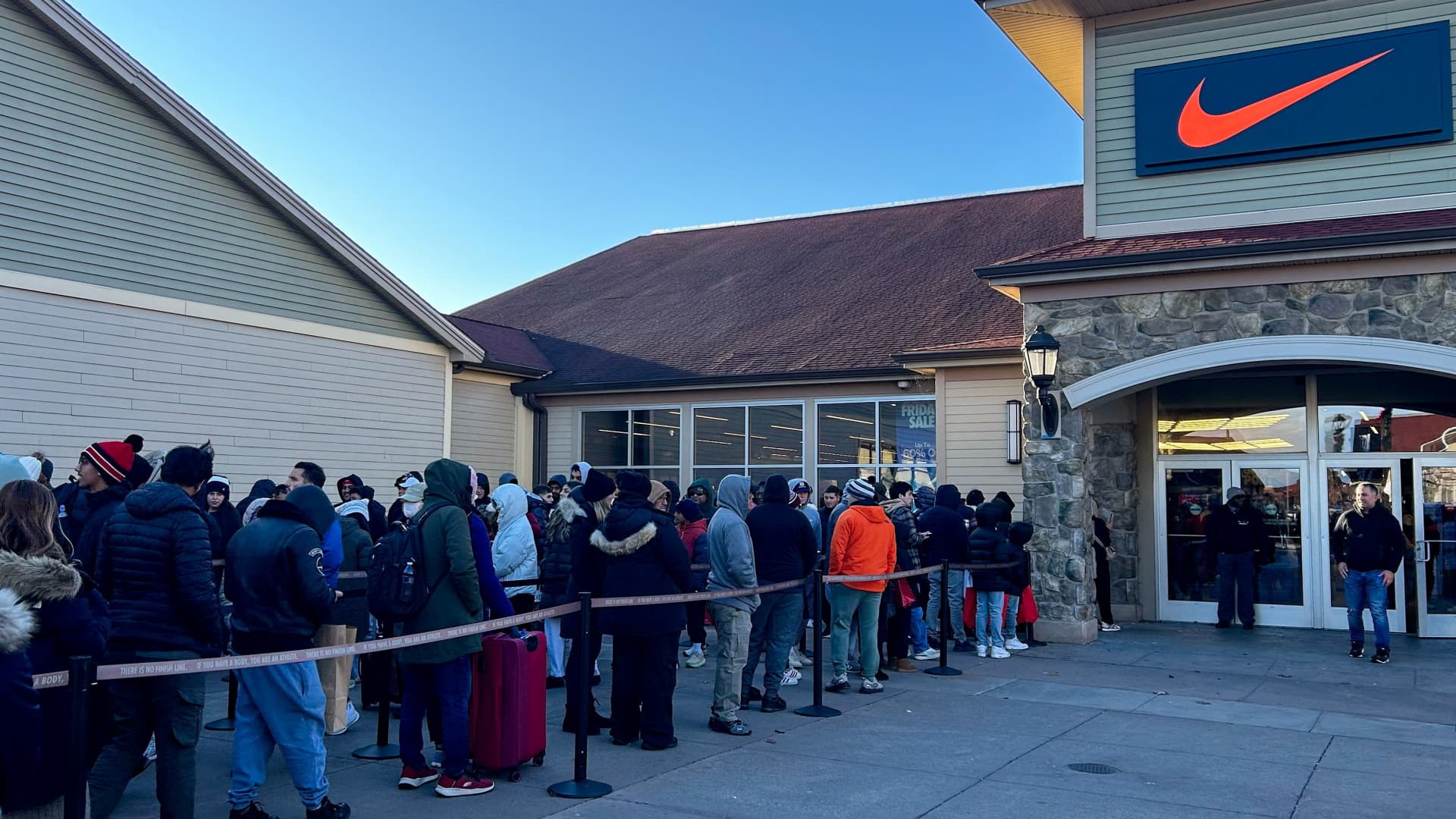
Nike Stock Underperforms but Remains a Strong Hold

- Stock Performance Analysis: Nike's stock has declined 5% over the past five trading days and over 12% year-to-date, currently trading below $56, marking its lowest level since initiating a position around $68 last September, reflecting market concerns about its future performance.
- Analyst Rating Adjustment: Barclays upgraded Nike's rating from neutral to buy, acknowledging that while Wall Street's expectations may still be high, the risk-to-reward profile has shifted favorably, making Nike an attractive investment opportunity at this stage.
- North America Focus: Under CEO Elliott Hill's leadership, Nike has improved its performance in North America, cleaned up inventory, and driven impressive growth in its running business, indicating potential for brand revitalization.
- Challenges in China: Declining sales in China have been a major reason for Nike's stock drop, leading analysts to lower fiscal 2027 earnings per share estimates; however, Wells Fargo maintains a buy rating, reflecting confidence in Nike's long-term value.

Fabletics Launches First Denim Collection Amid Changing Consumer Trends

- Market Expansion Signal: Fabletics announces the launch of its first denim collection featuring 11 styles and 7 washes, priced between $79.95 and $174.95, signaling a strategic shift amid a slowdown in the athleisure market.
- Consumer Demand Driven: CEO Adam Goldenberg states that over 1 million customers expressed strong interest in denim, prompting the company to enter this category after two years of market research, showcasing its keen awareness of consumer needs.
- Changing Market Trends: While the athleisure market continues to grow, North America's growth rate has decreased from 3.1% to 2.3%, whereas the denim market is projected to grow by 2.1%, reflecting a shift in consumer preferences that Fabletics' denim line aims to capitalize on.
- Balancing Innovation and Expansion: Fabletics emphasizes that while expanding into denim, activewear remains a top priority, with the CEO highlighting the need for innovation alongside category expansion to attract new customers and increase purchase frequency among existing ones.

Abercrombie & Fitch, Gap, VF Corp, Capri, Ralph Lauren, and Tapestry Experience Declines of 2% to 8%


- Stock Performance: Abercrombie & Fitch, Gap, VF Corp, Capri, Ralph Lauren, and Tapestry have all seen their stock prices decline by 2% to 8%.
- Market Trends: The drop in stock prices reflects broader market trends affecting retail companies.

Adidas Provides Disappointing 2026 Outlook Amidst Challenges

- 2026 Revenue Outlook: Adidas anticipates revenue growth in the high single digits for 2026 from 2025's €24.8 billion ($28.86 billion), despite facing challenges from U.S. tariffs and unfavorable currency fluctuations, indicating vulnerability in a deteriorating market environment.
- Operating Profit Forecast: The company expects operating profit to reach around €2.3 billion, yet a €400 million negative impact from U.S. tariffs results in a profitability outlook that is 15% below market expectations, potentially leading to investor dissatisfaction and declining confidence.
- Sales and Profit Performance: Fourth-quarter sales were €6.1 billion, with profit at €164 million, both slightly missing FactSet estimates, demonstrating that Adidas's growth remains challenged amid external turbulence, which could affect future market performance.
- CEO Contract Extension: Adidas announced the extension of CEO Bjørn Gulden's contract until 2030, reflecting confidence in his strategy, particularly after the split with Ye, as Gulden's leadership is seen as crucial for stabilizing the company.
Analysis of Retail Sector Impact from Rising Oil Prices
- Impact of Rising Oil Prices: Brent crude futures have surged above $110 per barrel due to the ongoing Middle East conflict, with diesel prices exceeding $5 per gallon for the first time since 2022, potentially imposing secondary effects on the U.S. retail sector and increasing household budget pressures.
- Advantage of Higher-Income Customers: Deutsche Bank analysts noted that retailers like Ulta Beauty and Costco, which cater to higher-income demographics, have historically shown a positive correlation between sales and rising oil prices, indicating better sales performance in such environments.
- Pressure on Lower-Income Customers: Conversely, retailers like BJ's Wholesale Club and Burlington Stores, which primarily serve lower-income customers, exhibit negative sales correlations with rising gas prices, highlighting a trend where lower-income consumers reduce spending as fuel costs increase.
- Inventory Management Strategy: Despite the risks associated with rising input costs, many global brands, including Amer Sports and Birkenstock, maintain over 200 days of finished goods inventory, which helps mitigate near-term margin pressures and ensures market stability amid supply chain disruptions.
US Launches Trade Investigations into 60 Economies for Forced Labor
- Trade Investigations Launched: The U.S. initiated new trade investigations into 60 economies on Thursday to assess whether they have failed to curb imports of goods made with forced labor, a move that could impact trade relations with countries like China and the EU.
- Legal Basis: These investigations are conducted under Section 301(b) of the Trade Act of 1974, allowing the U.S. to impose tariffs on countries found engaging in unfair trade practices without congressional authorization, reflecting a tough stance in U.S. trade policy.
- International Response: The U.S. Trade Representative stated that despite international consensus against forced labor, governments have inadequately enforced bans on such goods, which could negatively affect U.S. workers and businesses.
- Impact on Future Negotiations: Launching these investigations just before the upcoming Trump-Xi meeting may affect the negotiation atmosphere, with experts suggesting that unilateral measures could hinder consensus, emphasizing the need for cooperative solutions.
Nike Stock Underperforms but Remains a Strong Hold
- Stock Performance Analysis: Nike's stock has declined 5% over the past five trading days and over 12% year-to-date, currently trading below $56, marking its lowest level since initiating a position around $68 last September, reflecting market concerns about its future performance.
- Analyst Rating Adjustment: Barclays upgraded Nike's rating from neutral to buy, acknowledging that while Wall Street's expectations may still be high, the risk-to-reward profile has shifted favorably, making Nike an attractive investment opportunity at this stage.
- North America Focus: Under CEO Elliott Hill's leadership, Nike has improved its performance in North America, cleaned up inventory, and driven impressive growth in its running business, indicating potential for brand revitalization.
- Challenges in China: Declining sales in China have been a major reason for Nike's stock drop, leading analysts to lower fiscal 2027 earnings per share estimates; however, Wells Fargo maintains a buy rating, reflecting confidence in Nike's long-term value.
Fabletics Launches First Denim Collection Amid Changing Consumer Trends
- Market Expansion Signal: Fabletics announces the launch of its first denim collection featuring 11 styles and 7 washes, priced between $79.95 and $174.95, signaling a strategic shift amid a slowdown in the athleisure market.
- Consumer Demand Driven: CEO Adam Goldenberg states that over 1 million customers expressed strong interest in denim, prompting the company to enter this category after two years of market research, showcasing its keen awareness of consumer needs.
- Changing Market Trends: While the athleisure market continues to grow, North America's growth rate has decreased from 3.1% to 2.3%, whereas the denim market is projected to grow by 2.1%, reflecting a shift in consumer preferences that Fabletics' denim line aims to capitalize on.
- Balancing Innovation and Expansion: Fabletics emphasizes that while expanding into denim, activewear remains a top priority, with the CEO highlighting the need for innovation alongside category expansion to attract new customers and increase purchase frequency among existing ones.
Abercrombie & Fitch, Gap, VF Corp, Capri, Ralph Lauren, and Tapestry Experience Declines of 2% to 8%
- Stock Performance: Abercrombie & Fitch, Gap, VF Corp, Capri, Ralph Lauren, and Tapestry have all seen their stock prices decline by 2% to 8%.
- Market Trends: The drop in stock prices reflects broader market trends affecting retail companies.
Adidas Provides Disappointing 2026 Outlook Amidst Challenges
- 2026 Revenue Outlook: Adidas anticipates revenue growth in the high single digits for 2026 from 2025's €24.8 billion ($28.86 billion), despite facing challenges from U.S. tariffs and unfavorable currency fluctuations, indicating vulnerability in a deteriorating market environment.
- Operating Profit Forecast: The company expects operating profit to reach around €2.3 billion, yet a €400 million negative impact from U.S. tariffs results in a profitability outlook that is 15% below market expectations, potentially leading to investor dissatisfaction and declining confidence.
- Sales and Profit Performance: Fourth-quarter sales were €6.1 billion, with profit at €164 million, both slightly missing FactSet estimates, demonstrating that Adidas's growth remains challenged amid external turbulence, which could affect future market performance.
- CEO Contract Extension: Adidas announced the extension of CEO Bjørn Gulden's contract until 2030, reflecting confidence in his strategy, particularly after the split with Ye, as Gulden's leadership is seen as crucial for stabilizing the company.