United States Antimony Corp stock falls amid market gains
Written by Emily J. Thompson, Senior Investment Analyst
Updated: Mar 11 2026
0mins

Should l Buy UAMY?
Source: Benzinga
United States Antimony Corp's stock price fell by 5.01% as it crossed below the 5-day SMA, indicating a bearish trend despite the broader market's positive performance.
The decline in UAMY's stock is attributed to sector rotation, as the Nasdaq-100 and S&P 500 indices both saw gains of 0.57% and 0.43%, respectively. This suggests that while the overall market is strengthening, UAMY is experiencing a downturn, likely due to specific challenges faced by the company or sector.
Investors may need to reassess their positions in UAMY, considering the contrasting performance with the broader market, which could indicate underlying issues that need to be addressed.
Trade with 70% Backtested Accuracy
Stop guessing "Should I Buy UAMY?" and start using high-conviction signals backed by rigorous historical data.
Sign up today to access powerful investing tools and make smarter, data-driven decisions.
Analyst Views on UAMY
Wall Street analysts forecast UAMY stock price to rise
3 Analyst Rating
3 Buy
0 Hold
0 Sell
Strong Buy
Current: 8.130

Low
9.75
Averages
10.00
High
10.25
Current: 8.130
Low
9.75
Averages
10.00
High
10.25
About UAMY
United States Antimony Corporation is engaged in the production and sale of antimony, precious metals, primarily gold and silver, and zeolite products. The Company has two reportable segments: antimony and zeolite. Its antimony segment consists of its facility located in the Burns Mining District of Sanders County in Montana that processes ore primarily into antimony oxide, antimony metal, antimony trisulfide, and precious metals, and its two facilities in its US Antimony de Mexico, S.A. de C.V. (USAMSA) subsidiary located in Mexico that process ore primarily into antimony metal and a lower grade of antimony oxide. Its zeolite segment includes its vertically integrated Bear River Zeolite (BRZ) facility located in Preston, Idaho that mines, processes, and sells zeolite. Its zeolite has been used in soil amendment and fertilizer, water filtration, and sewage treatment. The Company also operates Fostung Tungsten Property located near Sudbury, Ontario, Canada, near the town of Espanola.
About the author

Emily J. Thompson
Emily J. Thompson, a Chartered Financial Analyst (CFA) with 12 years in investment research, graduated with honors from the Wharton School. Specializing in industrial and technology stocks, she provides in-depth analysis for Intellectia’s earnings and market brief reports.

U.S. Violates Ceasefire Agreement, Escalating Tensions

- Ceasefire Agreement Violated: Iranian parliamentary speaker Ghalibaf accused the U.S. of violating the two-week ceasefire agreement, stating that the U.S.'s repeated breaches of commitments have deepened historical distrust, complicating future negotiation prospects.
- Specific Violations Identified: Ghalibaf highlighted three breaches of the ceasefire proposal, including Israel's ongoing attacks on Lebanon, a drone entering Iranian airspace, and the denial of Iran's right to enrich uranium, rendering bilateral ceasefire or negotiations unreasonable.
- Oil Price Volatility: Despite the fragile ceasefire, U.S. oil prices fell over 15% to nearly $95 per barrel by 2:59 PM ET, reflecting market concerns over instability that could lead to further disruptions in global oil supply.
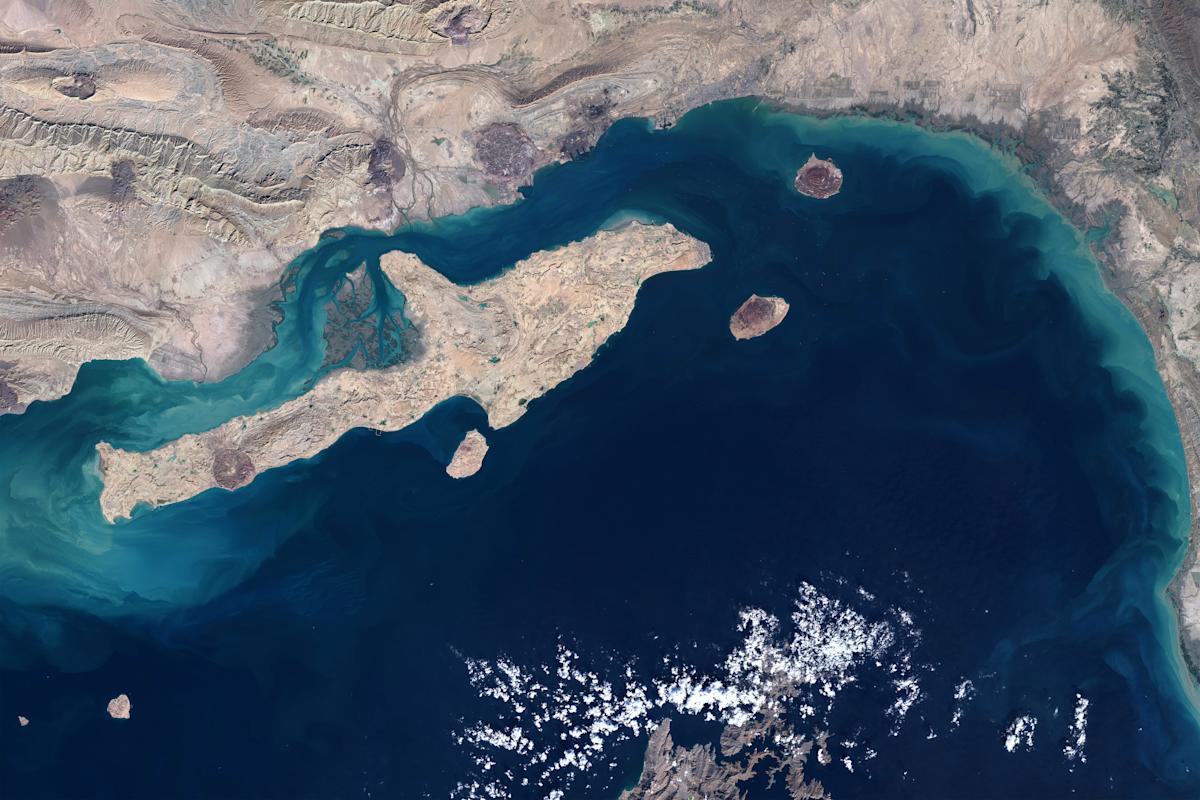
- Strait of Hormuz Dispute: Trump stated that the ceasefire requires the complete and safe opening of the Strait of Hormuz, while Iran plans to impose tolls on passing ships, exacerbating tensions and affecting global tanker traffic through this vital route.
See More

Military Metals Corp Reports Maiden Antimony Resource Estimate

- Resource Estimate: Military Metals Corp has completed its maiden inferred mineral resource estimate at the Trojárová Project in Slovakia, revealing 67,000 tonnes of antimony and 222,000 ounces of gold, underscoring the project's strategic significance within the EU.
- Rising Market Demand: The global antimony market is projected to grow from approximately $2-3 billion today to over $4-5 billion, reflecting a rapid increase in demand driven by electrification and AI hardware, which is attracting investor interest.
- Supply Chain Bottleneck: Antimony production is heavily concentrated in a few countries, creating supply bottlenecks, particularly as the U.S. and Europe designate it as a
See More

Military Metals Corp. Reports Maiden Antimony Resource Estimate

- Resource Estimate: Military Metals Corp. has completed its maiden inferred mineral resource estimate at the Trojárová Project in Slovakia, revealing 67,000 tonnes of antimony and 222,000 ounces of gold, positioning the project as one of the largest antimony resources in the EU, compliant with modern regulatory standards, thereby enhancing its strategic role in the critical minerals supply chain.
- Rising Market Demand: The global antimony market is projected to grow from approximately $2-3 billion today to over $4-5 billion, reflecting a rapid increase in demand driven by electrification and AI hardware, which is attracting investor attention towards resource security and long-term value.
- Supply Chain Bottlenecks: Antimony production is heavily concentrated in a few countries, creating supply bottlenecks, particularly as the U.S. and Europe designate antimony as a
See More
Middle East Tensions Rise as Iran Launches Missiles

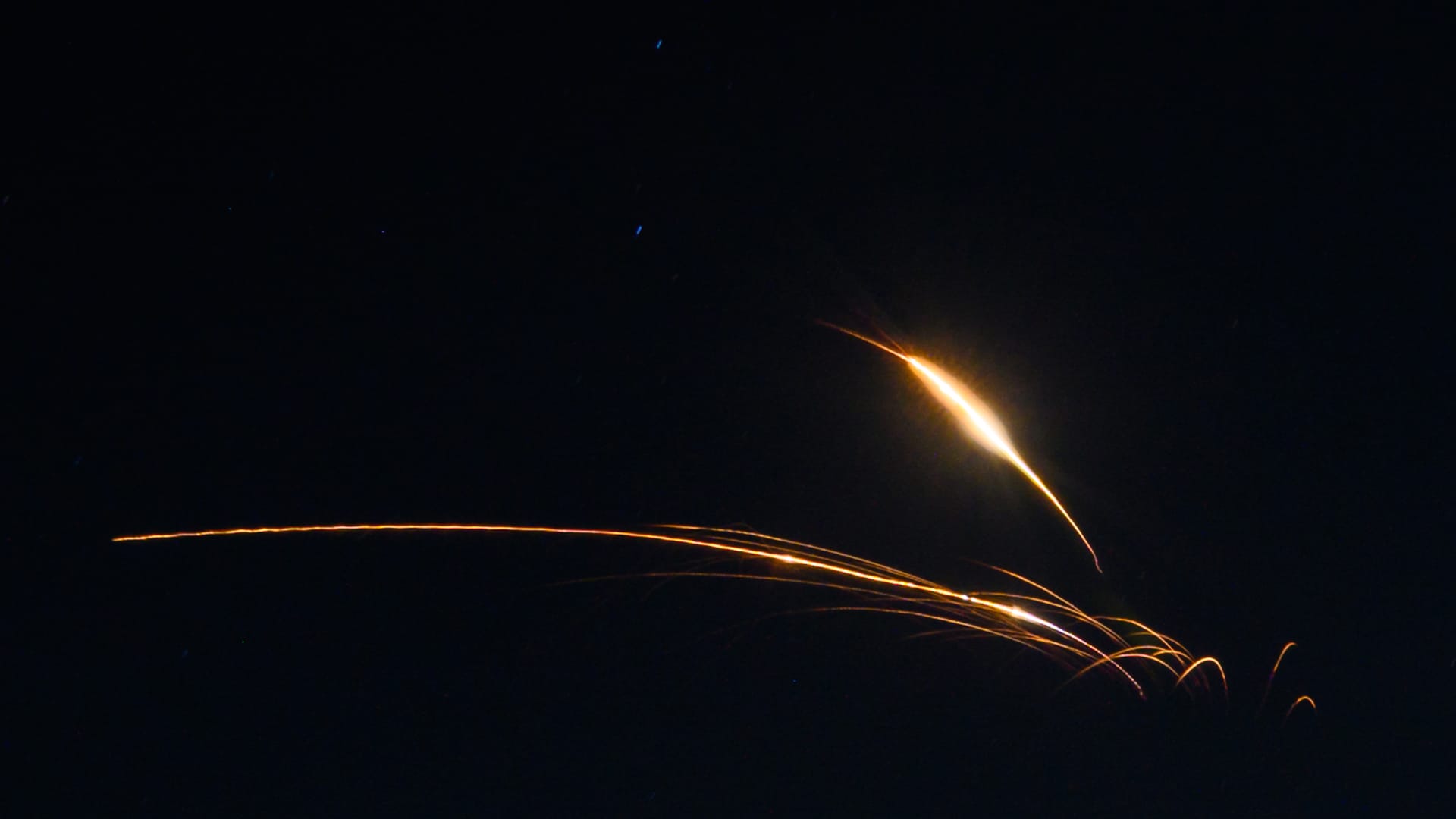
- Escalating Missile Attacks: Despite a two-week ceasefire agreement between the U.S. and Iran, Iran launched missiles towards Israel and several Gulf states on April 8, indicating heightened tensions and the potential for further military conflict.
- Pressure on Defense Systems: Gulf states' air defense systems are under significant strain, with the UAE and Kuwait reportedly depleting about 75% of their Patriot missile interceptor stocks, while Bahrain's inventory may be as low as 87%, potentially compromising future defense capabilities.
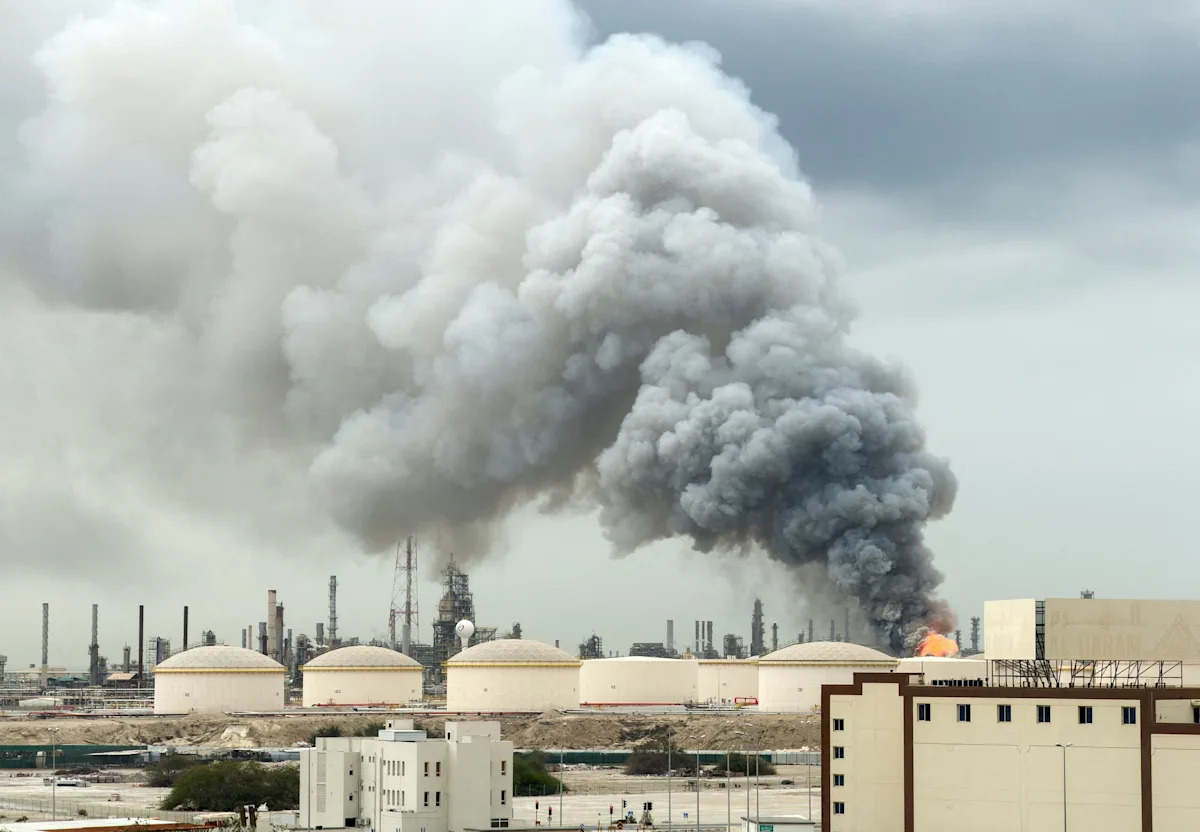
- Damage to Energy Infrastructure: Recent strikes have inflicted a 17% output loss at Qatar's Ras Laffan LNG plants, with recovery expected to take years, which not only impacts regional energy supplies but could also have ripple effects on global markets.
- Need for Long-term Security Solutions: UAE presidential adviser Anwar Gargash emphasized that the war must conclude with a long-term solution for Gulf security, warning that any ceasefire failing to achieve this could lead to a breakdown of trust and future conflicts.
See More

Iran and U.S. Engage in Online Propaganda War

- Escalation of Online Propaganda: Iran is actively engaging in an online propaganda war against the U.S. by posting ironic and pop-culture-infused content on social media, particularly targeting Trump, which reflects its assertive stance in the information warfare landscape.
- Impactful Video Dissemination: Utilizing AI-generated animated videos to showcase military successes, Iran aims to attract younger audiences and undermine the U.S. military image through humor and visual appeal, thereby enhancing its international standing.
- U.S. Counter-Strategy: The Trump administration has blended wartime messaging with internet culture, releasing controversial military videos that, despite criticism, have garnered nearly 100 million views among young people, indicating their effectiveness in outreach.
- Economic Impact Warning: Iran's parliamentary speaker cautioned investors about the potential influence of Trump's war updates on stock markets, suggesting a reverse correlation between market reactions and Trump's statements, further highlighting the war's threats to global economy and energy prices.
See More
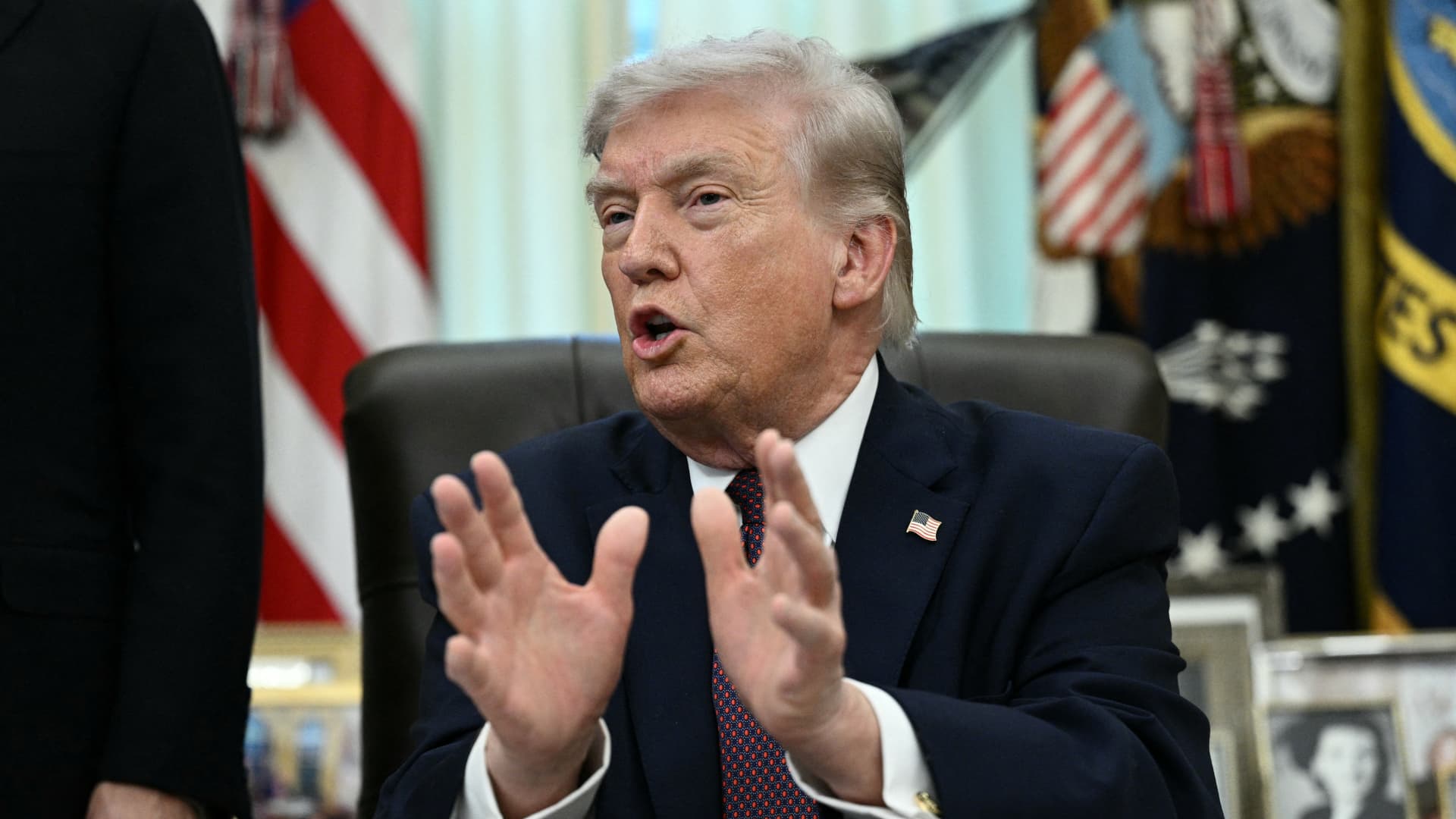
Trump Announces Imminent US Military Withdrawal from Iran
- Military Withdrawal Announcement: Trump stated that U.S. military forces are expected to leave Iran in 'two to three weeks,' indicating a reassessment of America's military presence in the region, which could impact stability in the Middle East.
- Oil Price Surge: Oil prices have risen sharply, with Brent heading for a record monthly surge due to the ongoing Iran conflict, highlighting the direct impact of geopolitical tensions on global energy markets.
- International Negotiation Preparations: Pakistan is set to host U.S.-Iran talks in the coming days, as Trump expresses intent to make a deal, potentially opening new avenues for regional peace while reflecting America's emphasis on diplomatic solutions.
- Military Action Adjustments: Trump's decision to postpone strikes against Iranian energy infrastructure demonstrates a cautious approach to the situation, which may affect U.S. strategic positioning in the Middle East and the confidence of its allies.
See More
U.S. Violates Ceasefire Agreement, Escalating Tensions
- Ceasefire Agreement Violated: Iranian parliamentary speaker Ghalibaf accused the U.S. of violating the two-week ceasefire agreement, stating that the U.S.'s repeated breaches of commitments have deepened historical distrust, complicating future negotiation prospects.
- Specific Violations Identified: Ghalibaf highlighted three breaches of the ceasefire proposal, including Israel's ongoing attacks on Lebanon, a drone entering Iranian airspace, and the denial of Iran's right to enrich uranium, rendering bilateral ceasefire or negotiations unreasonable.
- Oil Price Volatility: Despite the fragile ceasefire, U.S. oil prices fell over 15% to nearly $95 per barrel by 2:59 PM ET, reflecting market concerns over instability that could lead to further disruptions in global oil supply.
- Strait of Hormuz Dispute: Trump stated that the ceasefire requires the complete and safe opening of the Strait of Hormuz, while Iran plans to impose tolls on passing ships, exacerbating tensions and affecting global tanker traffic through this vital route.
See More
Military Metals Corp Reports Maiden Antimony Resource Estimate
- Resource Estimate: Military Metals Corp has completed its maiden inferred mineral resource estimate at the Trojárová Project in Slovakia, revealing 67,000 tonnes of antimony and 222,000 ounces of gold, underscoring the project's strategic significance within the EU.
- Rising Market Demand: The global antimony market is projected to grow from approximately $2-3 billion today to over $4-5 billion, reflecting a rapid increase in demand driven by electrification and AI hardware, which is attracting investor interest.
- Supply Chain Bottleneck: Antimony production is heavily concentrated in a few countries, creating supply bottlenecks, particularly as the U.S. and Europe designate it as a
See More
Military Metals Corp. Reports Maiden Antimony Resource Estimate
- Resource Estimate: Military Metals Corp. has completed its maiden inferred mineral resource estimate at the Trojárová Project in Slovakia, revealing 67,000 tonnes of antimony and 222,000 ounces of gold, positioning the project as one of the largest antimony resources in the EU, compliant with modern regulatory standards, thereby enhancing its strategic role in the critical minerals supply chain.
- Rising Market Demand: The global antimony market is projected to grow from approximately $2-3 billion today to over $4-5 billion, reflecting a rapid increase in demand driven by electrification and AI hardware, which is attracting investor attention towards resource security and long-term value.
- Supply Chain Bottlenecks: Antimony production is heavily concentrated in a few countries, creating supply bottlenecks, particularly as the U.S. and Europe designate antimony as a
See More
Middle East Tensions Rise as Iran Launches Missiles
- Escalating Missile Attacks: Despite a two-week ceasefire agreement between the U.S. and Iran, Iran launched missiles towards Israel and several Gulf states on April 8, indicating heightened tensions and the potential for further military conflict.
- Pressure on Defense Systems: Gulf states' air defense systems are under significant strain, with the UAE and Kuwait reportedly depleting about 75% of their Patriot missile interceptor stocks, while Bahrain's inventory may be as low as 87%, potentially compromising future defense capabilities.
- Damage to Energy Infrastructure: Recent strikes have inflicted a 17% output loss at Qatar's Ras Laffan LNG plants, with recovery expected to take years, which not only impacts regional energy supplies but could also have ripple effects on global markets.
- Need for Long-term Security Solutions: UAE presidential adviser Anwar Gargash emphasized that the war must conclude with a long-term solution for Gulf security, warning that any ceasefire failing to achieve this could lead to a breakdown of trust and future conflicts.
See More
Iran and U.S. Engage in Online Propaganda War
- Escalation of Online Propaganda: Iran is actively engaging in an online propaganda war against the U.S. by posting ironic and pop-culture-infused content on social media, particularly targeting Trump, which reflects its assertive stance in the information warfare landscape.
- Impactful Video Dissemination: Utilizing AI-generated animated videos to showcase military successes, Iran aims to attract younger audiences and undermine the U.S. military image through humor and visual appeal, thereby enhancing its international standing.
- U.S. Counter-Strategy: The Trump administration has blended wartime messaging with internet culture, releasing controversial military videos that, despite criticism, have garnered nearly 100 million views among young people, indicating their effectiveness in outreach.
- Economic Impact Warning: Iran's parliamentary speaker cautioned investors about the potential influence of Trump's war updates on stock markets, suggesting a reverse correlation between market reactions and Trump's statements, further highlighting the war's threats to global economy and energy prices.
See More
Trump Announces Imminent US Military Withdrawal from Iran
- Military Withdrawal Announcement: Trump stated that U.S. military forces are expected to leave Iran in 'two to three weeks,' indicating a reassessment of America's military presence in the region, which could impact stability in the Middle East.
- Oil Price Surge: Oil prices have risen sharply, with Brent heading for a record monthly surge due to the ongoing Iran conflict, highlighting the direct impact of geopolitical tensions on global energy markets.
- International Negotiation Preparations: Pakistan is set to host U.S.-Iran talks in the coming days, as Trump expresses intent to make a deal, potentially opening new avenues for regional peace while reflecting America's emphasis on diplomatic solutions.
- Military Action Adjustments: Trump's decision to postpone strikes against Iranian energy infrastructure demonstrates a cautious approach to the situation, which may affect U.S. strategic positioning in the Middle East and the confidence of its allies.
See More