TSMC Reports Strong Q4 Performance and Plans for 3nm Chips in Japan

Taiwan Semiconductor Manufacturing Co Ltd (TSMC) has seen its stock rise by 5.00%, reaching a 5-day high, as the company reported impressive fourth-quarter results.
TSMC recently announced a strong fourth-quarter performance with sales rising nearly 26% to $33.7 billion and earnings increasing 35% to $3.14 per share. Management has guided for further growth to over $35 billion in the first quarter, indicating robust market demand and profitability. Additionally, TSMC plans to build its second wafer fabrication plant in Kumamoto, Japan, to manufacture advanced 3nm chips, raising its total investment in the plant to ¥2.6 trillion ($17 billion), demonstrating strong confidence in the semiconductor market.
This strategic move not only solidifies TSMC's leadership position in the global semiconductor industry but also positions the company to benefit significantly from the growing demand for advanced chips, particularly in AI applications.
Trade with 70% Backtested Accuracy
Analyst Views on TSM

About TSM
About the author


TSMC Reports 30% Revenue Growth for Jan-Feb 2026
- Significant Revenue Growth: TSMC reported combined revenue of NT$718.91 billion for January-February 2026, reflecting a robust 30% year-over-year increase, driven by sustained global investment in AI technologies, reinforcing its leadership in the semiconductor industry.
- February Revenue Fluctuation: February revenue stood at NT$317.66 billion, down 20.8% from January, yet still up 22.2% year-over-year, indicating strong demand for high-performance chips and the company's strategic adjustments to navigate market volatility.
- Dividend and Investment Plans: TSMC approved a quarterly dividend of NT$6.0 per share in February and allocated $45 billion for fab construction and capacity upgrades in advanced front-end and specialty technologies, demonstrating confidence in future growth and commitment to ongoing investments.
- Monitoring Geopolitical Risks: TSMC stated that it does not expect significant impacts from the U.S.-Israel-Iran conflict, while closely monitoring the situation to ensure supply chain stability and market competitiveness, showcasing its adaptability in a complex international environment.
TSMC Expands Workforce Amid Global Chip Demand
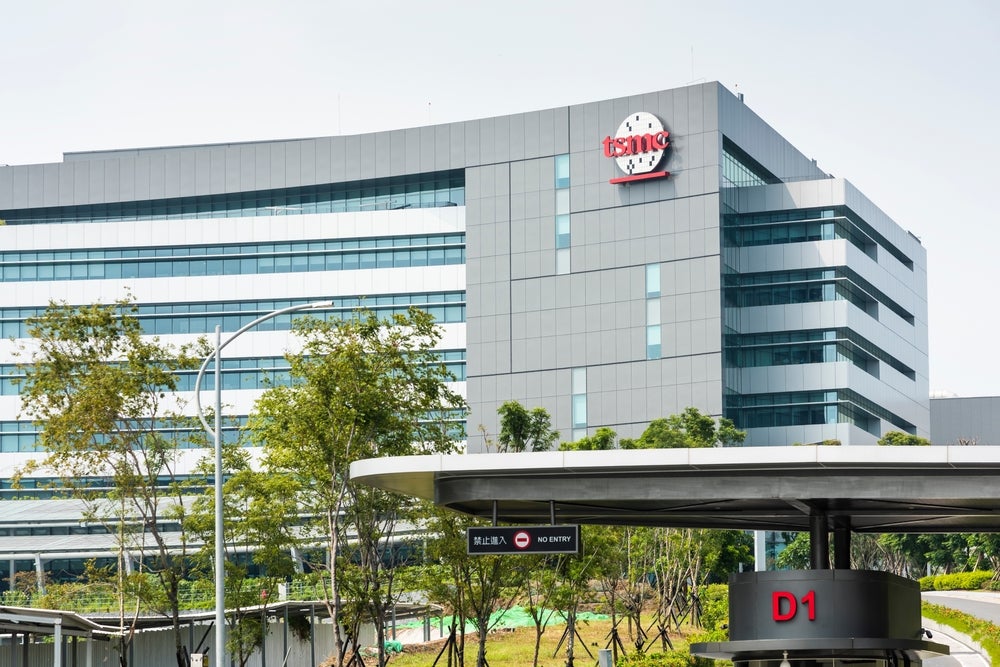
- Hiring Initiative: TSMC plans to hire approximately 8,000 employees this year, offering an average annual salary of 2.2 million New Taiwan dollars (about $69,449), demonstrating the company's confidence in future market demand amid global chip shortages.
- Diverse Talent Acquisition: The recruitment drive targets multiple fields including electrical engineering, materials science, mechanical engineering, business management, and accounting, while also focusing on specialists in AI, big data, and digital transformation technologies to enhance its technical capabilities.
- Political Controversy: TSMC's investments in the U.S. have sparked debate in Taiwan, with some politicians arguing that this could weaken Taiwan's semiconductor industry, although analysts suggest that Taiwan's global chip dominance remains intact, highlighting political reactions amid economic anxieties.
- Stock Performance: TSMC shares fell 1.02% to $335.43 in premarket trading on Monday, reflecting market concerns over the semiconductor sector despite the company's strong fundamentals and expansion plans.

Big Tech Companies Ramp Up AI Hardware Investments

- Market Dominance: Taiwan Semiconductor Manufacturing (TSMC) holds a commanding 72% market share in the semiconductor industry, far surpassing Samsung Electronics at 7%, positioning it to benefit significantly from the surging demand for AI hardware.
- Strong Financial Performance: TSMC's revenue for 2025 reached $122.42 billion, a 35.9% year-over-year increase, with diluted earnings per share growing by 46%, showcasing robust profitability and cash flow that further solidifies its near-monopoly status.
- ASML's Unique Advantage: ASML is the sole supplier of extreme ultraviolet (EUV) lithography machines, achieving sales of €32.6 billion in 2025, up 15% from 2024, with a net profit margin of 29.42%, reflecting strong market demand and profitability.
- AI Investment Surge: With hundreds of billions allocated to AI hardware buildout, data center construction costs can reach $12 million per megawatt, making TSMC and ASML critical suppliers poised to play pivotal roles in the ongoing AI capital expenditure war.

Tech Giants Ramp Up AI Investment
- Surge in Capex: Microsoft plans a 66% increase in capital expenditures to $37.5 billion for 2026, while Meta's spending is projected to reach between $162 billion and $169 billion, reflecting a robust commitment to AI investments.
- Semiconductor Market Dominance: Taiwan Semiconductor achieved $122.42 billion in revenue for 2025, a 35.9% year-over-year increase, capturing a 72% share of the global semiconductor market, underscoring its critical role amid rising AI hardware demands.
- Lithography Machine Monopoly: ASML remains the sole supplier of extreme ultraviolet (EUV) lithography machines, with 2025 sales totaling €32.6 billion, a 15% increase, and a net profit margin of 29.42%, highlighting its irreplaceable position in advanced chip production.
- AI Investment Outlook: As tech giants pour substantial funds into AI, Taiwan Semiconductor and ASML, as foundational infrastructure providers, are poised to play pivotal roles in the future of AI development, securing their market positions and profitability.

Intel Stock Volatility and Future Outlook

- Stock Performance: Intel's stock has more than doubled in value over the past 12 months, yet it has declined approximately 18% from its 52-week high of $54.60 reached in January, indicating market uncertainty about its future.
- Profitability Challenges: While Intel's foundry business saw a 4% growth, overall revenue fell by 4%, and the foundry segment's operating loss increased to $2.5 billion, highlighting significant challenges in profitability.
- Overvaluation: Currently, Intel's price-to-earnings ratio stands at 85, significantly higher than the S&P 500's average of 22, suggesting that the market has priced in excessive optimism regarding its future growth, posing high risks for investors.
- Market Sentiment and Risks: Despite a strong performance at the beginning of 2026, the optimism surrounding Intel may already be fully reflected in its stock price, prompting investors to carefully consider whether to hold or buy the stock.

Intel's Foundry Business Shows Growth Amidst Stock Concerns
- Foundry Growth: Intel's foundry segment grew by 4% last quarter, indicating potential in specific areas despite an overall revenue decline of 4%, highlighting the company's mixed performance in a competitive landscape.
- Profitability Issues: Despite the growth in the foundry business, Intel reported an operating loss of $2.5 billion, which is larger than the previous year's loss, underscoring the fragility of profitability in a challenging market.
- High Stock Valuation: Intel's stock trades at a staggering 85 times its expected future earnings, significantly higher than the S&P 500's average of 22 times, suggesting that the market's optimistic outlook may be overvalued, increasing investment risks.
- Market Volatility: Over the past 12 months, Intel's stock has more than doubled in value, yet it has recently dropped by 18%, reflecting the high volatility of the investment and prompting investors to carefully assess future buying opportunities.
TSMC Reports 30% Revenue Growth for Jan-Feb 2026
- Significant Revenue Growth: TSMC reported combined revenue of NT$718.91 billion for January-February 2026, reflecting a robust 30% year-over-year increase, driven by sustained global investment in AI technologies, reinforcing its leadership in the semiconductor industry.
- February Revenue Fluctuation: February revenue stood at NT$317.66 billion, down 20.8% from January, yet still up 22.2% year-over-year, indicating strong demand for high-performance chips and the company's strategic adjustments to navigate market volatility.
- Dividend and Investment Plans: TSMC approved a quarterly dividend of NT$6.0 per share in February and allocated $45 billion for fab construction and capacity upgrades in advanced front-end and specialty technologies, demonstrating confidence in future growth and commitment to ongoing investments.
- Monitoring Geopolitical Risks: TSMC stated that it does not expect significant impacts from the U.S.-Israel-Iran conflict, while closely monitoring the situation to ensure supply chain stability and market competitiveness, showcasing its adaptability in a complex international environment.
TSMC Expands Workforce Amid Global Chip Demand
- Hiring Initiative: TSMC plans to hire approximately 8,000 employees this year, offering an average annual salary of 2.2 million New Taiwan dollars (about $69,449), demonstrating the company's confidence in future market demand amid global chip shortages.
- Diverse Talent Acquisition: The recruitment drive targets multiple fields including electrical engineering, materials science, mechanical engineering, business management, and accounting, while also focusing on specialists in AI, big data, and digital transformation technologies to enhance its technical capabilities.
- Political Controversy: TSMC's investments in the U.S. have sparked debate in Taiwan, with some politicians arguing that this could weaken Taiwan's semiconductor industry, although analysts suggest that Taiwan's global chip dominance remains intact, highlighting political reactions amid economic anxieties.
- Stock Performance: TSMC shares fell 1.02% to $335.43 in premarket trading on Monday, reflecting market concerns over the semiconductor sector despite the company's strong fundamentals and expansion plans.
Big Tech Companies Ramp Up AI Hardware Investments
- Market Dominance: Taiwan Semiconductor Manufacturing (TSMC) holds a commanding 72% market share in the semiconductor industry, far surpassing Samsung Electronics at 7%, positioning it to benefit significantly from the surging demand for AI hardware.
- Strong Financial Performance: TSMC's revenue for 2025 reached $122.42 billion, a 35.9% year-over-year increase, with diluted earnings per share growing by 46%, showcasing robust profitability and cash flow that further solidifies its near-monopoly status.
- ASML's Unique Advantage: ASML is the sole supplier of extreme ultraviolet (EUV) lithography machines, achieving sales of €32.6 billion in 2025, up 15% from 2024, with a net profit margin of 29.42%, reflecting strong market demand and profitability.
- AI Investment Surge: With hundreds of billions allocated to AI hardware buildout, data center construction costs can reach $12 million per megawatt, making TSMC and ASML critical suppliers poised to play pivotal roles in the ongoing AI capital expenditure war.
Tech Giants Ramp Up AI Investment
- Surge in Capex: Microsoft plans a 66% increase in capital expenditures to $37.5 billion for 2026, while Meta's spending is projected to reach between $162 billion and $169 billion, reflecting a robust commitment to AI investments.
- Semiconductor Market Dominance: Taiwan Semiconductor achieved $122.42 billion in revenue for 2025, a 35.9% year-over-year increase, capturing a 72% share of the global semiconductor market, underscoring its critical role amid rising AI hardware demands.
- Lithography Machine Monopoly: ASML remains the sole supplier of extreme ultraviolet (EUV) lithography machines, with 2025 sales totaling €32.6 billion, a 15% increase, and a net profit margin of 29.42%, highlighting its irreplaceable position in advanced chip production.
- AI Investment Outlook: As tech giants pour substantial funds into AI, Taiwan Semiconductor and ASML, as foundational infrastructure providers, are poised to play pivotal roles in the future of AI development, securing their market positions and profitability.
Intel Stock Volatility and Future Outlook
- Stock Performance: Intel's stock has more than doubled in value over the past 12 months, yet it has declined approximately 18% from its 52-week high of $54.60 reached in January, indicating market uncertainty about its future.
- Profitability Challenges: While Intel's foundry business saw a 4% growth, overall revenue fell by 4%, and the foundry segment's operating loss increased to $2.5 billion, highlighting significant challenges in profitability.
- Overvaluation: Currently, Intel's price-to-earnings ratio stands at 85, significantly higher than the S&P 500's average of 22, suggesting that the market has priced in excessive optimism regarding its future growth, posing high risks for investors.
- Market Sentiment and Risks: Despite a strong performance at the beginning of 2026, the optimism surrounding Intel may already be fully reflected in its stock price, prompting investors to carefully consider whether to hold or buy the stock.
Intel's Foundry Business Shows Growth Amidst Stock Concerns
- Foundry Growth: Intel's foundry segment grew by 4% last quarter, indicating potential in specific areas despite an overall revenue decline of 4%, highlighting the company's mixed performance in a competitive landscape.
- Profitability Issues: Despite the growth in the foundry business, Intel reported an operating loss of $2.5 billion, which is larger than the previous year's loss, underscoring the fragility of profitability in a challenging market.
- High Stock Valuation: Intel's stock trades at a staggering 85 times its expected future earnings, significantly higher than the S&P 500's average of 22 times, suggesting that the market's optimistic outlook may be overvalued, increasing investment risks.
- Market Volatility: Over the past 12 months, Intel's stock has more than doubled in value, yet it has recently dropped by 18%, reflecting the high volatility of the investment and prompting investors to carefully assess future buying opportunities.