Trade Desk CEO Invests $148 Million Amid Market Turmoil

Trade Desk Inc's stock has declined 5.26%, hitting a 5-day low, as the market reacts to recent negative news surrounding the company.
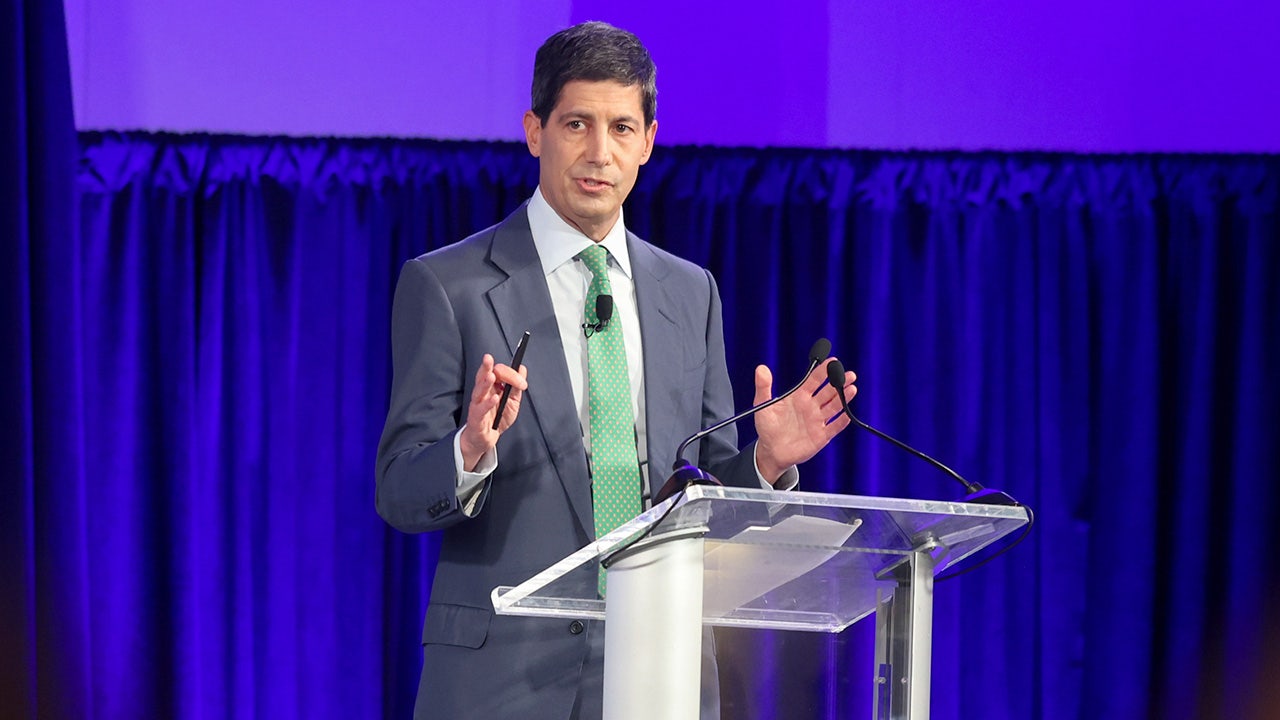
CEO Jeff Green's purchase of 6 million shares for $148 million demonstrates his confidence in Trade Desk's future, despite the stock's significant drop from its 52-week high. The company reported $2.9 billion in sales over the past year, with an 18.5% year-over-year growth rate, indicating sustained growth potential in the ad tech sector. However, the stock's decline reflects broader market concerns, particularly following allegations from Publicis Groupe regarding overcharging for services, which could impact revenue growth.
The implications of these developments suggest that while the CEO's investment signals confidence, the ongoing challenges and market skepticism may continue to weigh on the stock's performance in the near term.
Trade with 70% Backtested Accuracy
Analyst Views on TTD

About TTD
About the author


Brutal Start to 2026 for Tech Stocks
- Revenue Growth Deceleration: The Trade Desk's Q4 2025 revenue rose 14% year-over-year to $846.8 million, a significant drop from 22% growth in the same quarter last year, indicating increasing challenges that may impact future competitiveness in the market.
- Disappointing Management Guidance: Management has guided for Q1 2026 revenue of at least $678 million, implying only 10% year-over-year growth, raising investor concerns about the company's future performance and potentially leading to further stock price declines.
- Frequent Executive Turnover: CFO Alex Kayyal's sudden resignation after just five months, with Tahnil Davis appointed as interim CFO, raises concerns about decision-making stability and increases market uncertainty due to high turnover in key positions.
- Strained Agency Relationships: Major ad agencies like Publicis Groupe have reportedly advised clients to avoid The Trade Desk's platform due to transparency issues, which could further weaken the company's market position and increase investment risks.

Netflix Q1 2026 Earnings Analysis


- Earnings Highlights: Netflix's Q1 2026 earnings report revealed a 13% year-over-year revenue growth, but the stock fell due to slowing growth and co-founder Reed Hastings stepping down, indicating investor concerns about future growth prospects.
- Termination Fee Impact: The report included a $2.8 billion termination fee from Warner Brothers Discovery, which added a positive note to the earnings but is viewed as unsustainable, potentially affecting future profit expectations.
- Ad Revenue Projections: Netflix anticipates ad revenue to reach $3 billion in 2026, nearly doubling from 2025, reflecting the company's efforts to diversify its revenue streams, although overall growth rates have not met market expectations.
- User Engagement Boost: Despite challenges, Netflix achieved an all-time high in user engagement this quarter, launching 70 live events, demonstrating positive progress in content innovation and international market expansion.

CEO Jeff Green's Significant Stock Purchase in The Trade Desk
- CEO Stock Purchase: Jeff Green, CEO of The Trade Desk, purchased nearly 6.4 million shares for approximately $150 million amid an 85% stock decline, indicating his confidence in the company's future, which may attract investor interest.
- Market Reaction Analysis: Despite The Trade Desk achieving $2.9 billion in revenue for 2025, an 18% increase, the slower net income growth of 15% due to a spike in tax expenses may lead to market misconceptions about its valuation.
- Platform Innovation and Challenges: Green published an op-ed in The Current, emphasizing the launch of OpenTTD to foster innovation within the ad-tech ecosystem, even as its AI-driven Kokai platform faces customer dissatisfaction and technical issues.
- Investor Strategy Recommendations: While Green's purchase may suggest the stock is undervalued, the prevailing market uncertainties could still warrant caution for risk-averse investors, who might prefer to wait for clearer turnaround signals.

The Trade Desk Stock Plummets 85% as CEO Buys $150 Million Shares
- Significant Stock Decline: The Trade Desk's stock has plummeted nearly 85% since December 2024, primarily due to company missteps and competitive pressures, leading investors to question its future prospects.
- CEO Share Purchase: CEO Jeff Green's acquisition of approximately $150 million worth of 6.4 million shares signals his confidence in the company's future, as insiders typically buy shares when they believe the stock is undervalued, indicating potential for a rebound.
- Steady Financial Performance: Despite challenges, The Trade Desk reported $2.9 billion in revenue for 2025, an 18% increase, while net income reached $443 million, growing at 15%, demonstrating the company's ability to maintain growth even in adversity.
- Low Valuation: With a P/E ratio of 25, below the S&P 500 average of 30, The Trade Desk may be undervalued, suggesting that, despite risks, it could attract risk-tolerant investors looking for potential upside in a turnaround narrative.

The Trade Desk Faces Continued Stock Decline Amid Growth Concerns
- Slowing Growth: The Trade Desk's latest quarterly revenue rose 14% year-over-year to $846.8 million, down from 22% growth last year, indicating a deceleration in the company's digital ad-buying growth that could impact future competitiveness.
- Executive Turnover: The sudden departure of CFO Alex Kayyal after just five months, with interim CFO Tahnil Davis stepping in, raises concerns about company stability due to high turnover in key positions, potentially affecting shareholder confidence.
- Agency Friction: Major advertising agencies like Publicis Groupe have advised clients to avoid The Trade Desk's platform due to transparency issues, which could further weaken the company's market position and increase uncertainty in future business.
- Valuation Risks: Although The Trade Desk's price-to-earnings ratio is around 25, down from last year, the current valuation still requires strong performance and growth amidst slowing growth and strained agency relationships, presenting significant risks for investors.

Analysis of Short Selling Concentration in Large-Cap Stocks

- Short Selling Concentration: As of mid-April, short sellers are heavily concentrated in large-cap stocks, with Avis Budget Group, Inc. (CAR) leading at a short interest of 25.55%, indicating strong bearish sentiment that could impact its stock price stability.
- Following Closely: IonQ, Inc. (IONQ) and EchoStar Corporation (SATS) have short interests of 22.07% and 21.19%, respectively, reflecting cautious investor sentiment towards their future performance, which may lead to increased stock price volatility.
- Top Five Stocks: Blue Owl Capital Inc. (OWL) and Madrigal Pharmaceuticals, Inc. (MDGL) both exceed 17% in short interest, suggesting market concerns regarding their profitability and growth prospects, potentially affecting their financing capabilities and market confidence.
- Overall Trend: Other stocks like Wayfair Inc. (W), Lumentum Holdings Inc. (LITE), and Pinterest, Inc. (PINS) also show short interests above 15%, indicating a widespread bearish sentiment towards large-cap stocks, which may exacerbate overall market uncertainty.
Brutal Start to 2026 for Tech Stocks
- Revenue Growth Deceleration: The Trade Desk's Q4 2025 revenue rose 14% year-over-year to $846.8 million, a significant drop from 22% growth in the same quarter last year, indicating increasing challenges that may impact future competitiveness in the market.
- Disappointing Management Guidance: Management has guided for Q1 2026 revenue of at least $678 million, implying only 10% year-over-year growth, raising investor concerns about the company's future performance and potentially leading to further stock price declines.
- Frequent Executive Turnover: CFO Alex Kayyal's sudden resignation after just five months, with Tahnil Davis appointed as interim CFO, raises concerns about decision-making stability and increases market uncertainty due to high turnover in key positions.
- Strained Agency Relationships: Major ad agencies like Publicis Groupe have reportedly advised clients to avoid The Trade Desk's platform due to transparency issues, which could further weaken the company's market position and increase investment risks.
Netflix Q1 2026 Earnings Analysis
- Earnings Highlights: Netflix's Q1 2026 earnings report revealed a 13% year-over-year revenue growth, but the stock fell due to slowing growth and co-founder Reed Hastings stepping down, indicating investor concerns about future growth prospects.
- Termination Fee Impact: The report included a $2.8 billion termination fee from Warner Brothers Discovery, which added a positive note to the earnings but is viewed as unsustainable, potentially affecting future profit expectations.
- Ad Revenue Projections: Netflix anticipates ad revenue to reach $3 billion in 2026, nearly doubling from 2025, reflecting the company's efforts to diversify its revenue streams, although overall growth rates have not met market expectations.
- User Engagement Boost: Despite challenges, Netflix achieved an all-time high in user engagement this quarter, launching 70 live events, demonstrating positive progress in content innovation and international market expansion.
CEO Jeff Green's Significant Stock Purchase in The Trade Desk
- CEO Stock Purchase: Jeff Green, CEO of The Trade Desk, purchased nearly 6.4 million shares for approximately $150 million amid an 85% stock decline, indicating his confidence in the company's future, which may attract investor interest.
- Market Reaction Analysis: Despite The Trade Desk achieving $2.9 billion in revenue for 2025, an 18% increase, the slower net income growth of 15% due to a spike in tax expenses may lead to market misconceptions about its valuation.
- Platform Innovation and Challenges: Green published an op-ed in The Current, emphasizing the launch of OpenTTD to foster innovation within the ad-tech ecosystem, even as its AI-driven Kokai platform faces customer dissatisfaction and technical issues.
- Investor Strategy Recommendations: While Green's purchase may suggest the stock is undervalued, the prevailing market uncertainties could still warrant caution for risk-averse investors, who might prefer to wait for clearer turnaround signals.
The Trade Desk Stock Plummets 85% as CEO Buys $150 Million Shares
- Significant Stock Decline: The Trade Desk's stock has plummeted nearly 85% since December 2024, primarily due to company missteps and competitive pressures, leading investors to question its future prospects.
- CEO Share Purchase: CEO Jeff Green's acquisition of approximately $150 million worth of 6.4 million shares signals his confidence in the company's future, as insiders typically buy shares when they believe the stock is undervalued, indicating potential for a rebound.
- Steady Financial Performance: Despite challenges, The Trade Desk reported $2.9 billion in revenue for 2025, an 18% increase, while net income reached $443 million, growing at 15%, demonstrating the company's ability to maintain growth even in adversity.
- Low Valuation: With a P/E ratio of 25, below the S&P 500 average of 30, The Trade Desk may be undervalued, suggesting that, despite risks, it could attract risk-tolerant investors looking for potential upside in a turnaround narrative.
The Trade Desk Faces Continued Stock Decline Amid Growth Concerns
- Slowing Growth: The Trade Desk's latest quarterly revenue rose 14% year-over-year to $846.8 million, down from 22% growth last year, indicating a deceleration in the company's digital ad-buying growth that could impact future competitiveness.
- Executive Turnover: The sudden departure of CFO Alex Kayyal after just five months, with interim CFO Tahnil Davis stepping in, raises concerns about company stability due to high turnover in key positions, potentially affecting shareholder confidence.
- Agency Friction: Major advertising agencies like Publicis Groupe have advised clients to avoid The Trade Desk's platform due to transparency issues, which could further weaken the company's market position and increase uncertainty in future business.
- Valuation Risks: Although The Trade Desk's price-to-earnings ratio is around 25, down from last year, the current valuation still requires strong performance and growth amidst slowing growth and strained agency relationships, presenting significant risks for investors.
Analysis of Short Selling Concentration in Large-Cap Stocks
- Short Selling Concentration: As of mid-April, short sellers are heavily concentrated in large-cap stocks, with Avis Budget Group, Inc. (CAR) leading at a short interest of 25.55%, indicating strong bearish sentiment that could impact its stock price stability.
- Following Closely: IonQ, Inc. (IONQ) and EchoStar Corporation (SATS) have short interests of 22.07% and 21.19%, respectively, reflecting cautious investor sentiment towards their future performance, which may lead to increased stock price volatility.
- Top Five Stocks: Blue Owl Capital Inc. (OWL) and Madrigal Pharmaceuticals, Inc. (MDGL) both exceed 17% in short interest, suggesting market concerns regarding their profitability and growth prospects, potentially affecting their financing capabilities and market confidence.
- Overall Trend: Other stocks like Wayfair Inc. (W), Lumentum Holdings Inc. (LITE), and Pinterest, Inc. (PINS) also show short interests above 15%, indicating a widespread bearish sentiment towards large-cap stocks, which may exacerbate overall market uncertainty.