

Thermo Fisher CEO sells shares, raising market concerns
Thermo Fisher Scientific Inc's stock fell 3.00% and hit a 20-day low amid broader market declines, with the Nasdaq-100 down 1.43% and the S&P 500 down 1.21%.
The decline in Thermo Fisher's stock is largely attributed to CEO Marc N Casper's recent sale of 10,000 shares on March 3, 2026. This executive sell-off may raise market concerns about the company's future performance, as such actions are often viewed negatively by investors. The market's sensitivity to executive signals is heightened in the current environment, potentially impacting investor confidence and stock performance.
Investors are likely to scrutinize the company's strategic direction and future performance in light of this sell-off. While the transaction may be part of personal financial planning for the CEO, it underscores the importance of management stability and could influence market perceptions as competition increases.
Trade with 70% Backtested Accuracy
Analyst Views on TMO

About TMO
About the author


HSBC Downgrades Thermo Fisher to Hold Amid Growth Concerns


- Downgrade Impact: On June 3, HSBC downgraded Thermo Fisher from Buy to Hold and lowered its price target from $670 to $540, reflecting concerns about the company's future growth, particularly its relatively lower exposure to bioprocessing compared to peers.
- Uncertain Growth Outlook: Analysts noted that Thermo Fisher's goal of achieving 7% growth beyond 2027 requires more support, and the uncertainty surrounding outsourcing demand exacerbates market concerns about its near-term performance, potentially impacting investor confidence.
- Competitive Advantage Analysis: Despite HSBC's cautious stance, Wolfe Research initiated coverage on June 2 with an Outperform rating and a $535 price target, viewing Thermo Fisher's leadership in life science tools and its acquisition capabilities as key drivers for sustained growth.
- Investor Considerations: While Thermo Fisher is seen as a potential investment, analysts suggest that certain AI stocks may offer greater upside potential and lower downside risk, urging investors to choose wisely.

BlackRock, Thermo Fisher, and Others Declare Dividends


- BlackRock Dividend Announcement: BlackRock's Board of Directors declared a quarterly cash dividend of $5.73 per share, payable on June 23, 2026, to shareholders of record as of June 5, 2026, indicating the company's ongoing cash flow and shareholder return strategy.
- Thermo Fisher Dividend: Thermo Fisher's Board authorized a quarterly cash dividend of $0.47 per share, payable on July 15, 2026, to shareholders of record as of June 15, 2026, reflecting its robust financial performance in the science services sector.
- Franklin Resources Dividend: Franklin Resources announced a quarterly cash dividend of $0.33 per share, payable on July 10, 2026, to stockholders of record as of June 29, 2026, maintaining the same dividend as the previous quarter while representing a 3.1% increase from the same quarter last year, showcasing the company's stable profitability.
- McDonald's Dividend: McDonald's Board declared a quarterly cash dividend of $1.86 per share, payable on June 16, 2026, to shareholders of record as of June 2, 2026, demonstrating its ongoing profitability and commitment to shareholders.

Thermo Fisher Declares $0.47 Quarterly Dividend
- Dividend Stability: Thermo Fisher Scientific has declared a quarterly dividend of $0.47 per share, consistent with previous announcements, indicating the company's resilience and commitment to shareholder returns in the current economic climate, which is likely to attract income-focused investors.
- Yield Analysis: The forward yield of 0.42% reflects the company's ongoing commitment to shareholder returns, providing investors with a relatively safe investment option, especially amid increasing market volatility.
- Shareholder Assurance: The dividend will be payable on July 15, with a record date of June 15 and an ex-dividend date also on June 15, ensuring that existing shareholders receive timely returns, thereby enhancing trust and loyalty towards the company.
- Historical Performance: Thermo Fisher has now announced a dividend of $0.47 for two consecutive quarters, demonstrating stability in profitability and cash flow management, which further solidifies its market position in the biotechnology sector.

Thermo Fisher Scientific Investor Day Highlights
- Significant Market Potential: Thermo Fisher serves a $255 billion market, showcasing attractive growth prospects driven by improving demand trends and strong long-term fundamentals, indicating substantial future growth potential for the company.
- Industry Leadership: The company solidifies its leadership position in the scientific services sector by leveraging its industry-leading products and services that enable customer success through its scale and depth of capabilities.
- Innovation-Driven Growth: Thermo Fisher's cutting-edge technologies enhance customer innovation and productivity, and combined with its proven growth strategy, drive market share gains, demonstrating a robust commercial engine.
- Outstanding Financial Performance: The company anticipates a 7% organic revenue CAGR and low-teens adjusted EPS growth, indicating a strong financial outlook both in the short and long term.
Thermo Fisher Launches Bioprocess Design Center
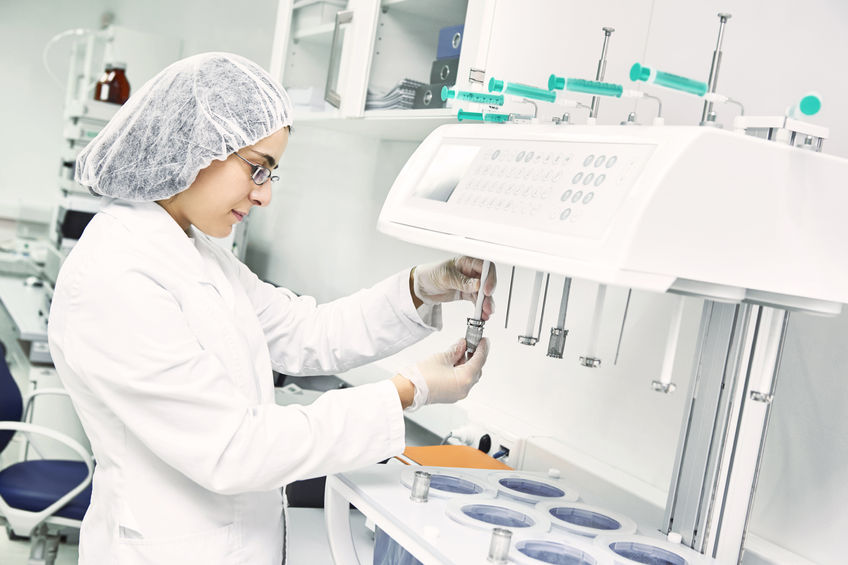
- Center Opening: Thermo Fisher has opened a new Bioprocess Design Center in Plainville, Massachusetts, covering 4,000 square feet, aimed at providing comprehensive bio-production solutions to facilitate the development of life-changing therapies.
- Customer Collaboration: The new center enables customers to partner with the company's experts to tackle complex bioprocessing challenges, thereby enhancing productivity, reducing risks, and shortening development timelines, which significantly boosts drug development efficiency.
- Innovation Sharing Platform: The establishment of this center marks a significant milestone for Thermo Fisher, as it strengthens connections and collaborations nationwide, creating more opportunities for sharing innovations and advancing the industry.
- Industry Leadership: As a global leader in serving science, Thermo Fisher provides high-end analytical instruments and laboratory equipment to pharmaceutical, biotech, healthcare, academia, and government sectors, facilitating accelerated life sciences research and improved patient diagnostics.
Goldman Sachs Bullish on IPOs and M&A Opportunities


- IPO Market Outlook: Goldman Sachs analysts predict they will be major winners in the IPO and M&A markets, indicating significant investment decisions in their charitable trust, reflecting strong confidence in market activity.
- Surge in Semiconductor Demand: Taiwan Semiconductor Manufacturing faces overwhelming business demand, with ARM Holdings also indicating a need for more chips, highlighting a tight supply-demand situation in the global semiconductor market that could lead to price increases and market share redistribution.
- Quantum Computing Leader: D-Wave is identified as the best option in the quantum computing space, indicating its leading position in emerging technologies, which may attract more investor attention to its future growth potential.
- Growing Equipment Demand: Thermo Fisher is viewed as a beneficiary of equipment demand in the IPO market, with analysts recommending buying at current price levels, signaling the company's crucial role in future market dynamics.
HSBC Downgrades Thermo Fisher to Hold Amid Growth Concerns
- Downgrade Impact: On June 3, HSBC downgraded Thermo Fisher from Buy to Hold and lowered its price target from $670 to $540, reflecting concerns about the company's future growth, particularly its relatively lower exposure to bioprocessing compared to peers.
- Uncertain Growth Outlook: Analysts noted that Thermo Fisher's goal of achieving 7% growth beyond 2027 requires more support, and the uncertainty surrounding outsourcing demand exacerbates market concerns about its near-term performance, potentially impacting investor confidence.
- Competitive Advantage Analysis: Despite HSBC's cautious stance, Wolfe Research initiated coverage on June 2 with an Outperform rating and a $535 price target, viewing Thermo Fisher's leadership in life science tools and its acquisition capabilities as key drivers for sustained growth.
- Investor Considerations: While Thermo Fisher is seen as a potential investment, analysts suggest that certain AI stocks may offer greater upside potential and lower downside risk, urging investors to choose wisely.
BlackRock, Thermo Fisher, and Others Declare Dividends
- BlackRock Dividend Announcement: BlackRock's Board of Directors declared a quarterly cash dividend of $5.73 per share, payable on June 23, 2026, to shareholders of record as of June 5, 2026, indicating the company's ongoing cash flow and shareholder return strategy.
- Thermo Fisher Dividend: Thermo Fisher's Board authorized a quarterly cash dividend of $0.47 per share, payable on July 15, 2026, to shareholders of record as of June 15, 2026, reflecting its robust financial performance in the science services sector.
- Franklin Resources Dividend: Franklin Resources announced a quarterly cash dividend of $0.33 per share, payable on July 10, 2026, to stockholders of record as of June 29, 2026, maintaining the same dividend as the previous quarter while representing a 3.1% increase from the same quarter last year, showcasing the company's stable profitability.
- McDonald's Dividend: McDonald's Board declared a quarterly cash dividend of $1.86 per share, payable on June 16, 2026, to shareholders of record as of June 2, 2026, demonstrating its ongoing profitability and commitment to shareholders.
Thermo Fisher Declares $0.47 Quarterly Dividend
- Dividend Stability: Thermo Fisher Scientific has declared a quarterly dividend of $0.47 per share, consistent with previous announcements, indicating the company's resilience and commitment to shareholder returns in the current economic climate, which is likely to attract income-focused investors.
- Yield Analysis: The forward yield of 0.42% reflects the company's ongoing commitment to shareholder returns, providing investors with a relatively safe investment option, especially amid increasing market volatility.
- Shareholder Assurance: The dividend will be payable on July 15, with a record date of June 15 and an ex-dividend date also on June 15, ensuring that existing shareholders receive timely returns, thereby enhancing trust and loyalty towards the company.
- Historical Performance: Thermo Fisher has now announced a dividend of $0.47 for two consecutive quarters, demonstrating stability in profitability and cash flow management, which further solidifies its market position in the biotechnology sector.
Thermo Fisher Scientific Investor Day Highlights
- Significant Market Potential: Thermo Fisher serves a $255 billion market, showcasing attractive growth prospects driven by improving demand trends and strong long-term fundamentals, indicating substantial future growth potential for the company.
- Industry Leadership: The company solidifies its leadership position in the scientific services sector by leveraging its industry-leading products and services that enable customer success through its scale and depth of capabilities.
- Innovation-Driven Growth: Thermo Fisher's cutting-edge technologies enhance customer innovation and productivity, and combined with its proven growth strategy, drive market share gains, demonstrating a robust commercial engine.
- Outstanding Financial Performance: The company anticipates a 7% organic revenue CAGR and low-teens adjusted EPS growth, indicating a strong financial outlook both in the short and long term.
Thermo Fisher Launches Bioprocess Design Center
- Center Opening: Thermo Fisher has opened a new Bioprocess Design Center in Plainville, Massachusetts, covering 4,000 square feet, aimed at providing comprehensive bio-production solutions to facilitate the development of life-changing therapies.
- Customer Collaboration: The new center enables customers to partner with the company's experts to tackle complex bioprocessing challenges, thereby enhancing productivity, reducing risks, and shortening development timelines, which significantly boosts drug development efficiency.
- Innovation Sharing Platform: The establishment of this center marks a significant milestone for Thermo Fisher, as it strengthens connections and collaborations nationwide, creating more opportunities for sharing innovations and advancing the industry.
- Industry Leadership: As a global leader in serving science, Thermo Fisher provides high-end analytical instruments and laboratory equipment to pharmaceutical, biotech, healthcare, academia, and government sectors, facilitating accelerated life sciences research and improved patient diagnostics.
Goldman Sachs Bullish on IPOs and M&A Opportunities
- IPO Market Outlook: Goldman Sachs analysts predict they will be major winners in the IPO and M&A markets, indicating significant investment decisions in their charitable trust, reflecting strong confidence in market activity.
- Surge in Semiconductor Demand: Taiwan Semiconductor Manufacturing faces overwhelming business demand, with ARM Holdings also indicating a need for more chips, highlighting a tight supply-demand situation in the global semiconductor market that could lead to price increases and market share redistribution.
- Quantum Computing Leader: D-Wave is identified as the best option in the quantum computing space, indicating its leading position in emerging technologies, which may attract more investor attention to its future growth potential.
- Growing Equipment Demand: Thermo Fisher is viewed as a beneficiary of equipment demand in the IPO market, with analysts recommending buying at current price levels, signaling the company's crucial role in future market dynamics.




