Rocket Lab Expands Business Through Defense Contracts and Acquisitions
Rocket Lab Corp's stock rose by 5.01% as it crossed above the 5-day SMA, reflecting positive investor sentiment amid broader market declines.
The company is significantly expanding its business through defense contracts, indicating a growing market potential in the defense sector that could provide strong support for future revenue growth. Additionally, Rocket Lab is enhancing its satellite systems capabilities through acquisitions, which boosts its technological strength and positions it to capture more market share in the competitive aerospace industry. The development of the Neutron rocket is expected to bring new revenue streams, particularly in the commercial launch services sector, further enhancing its competitive edge.
Despite the optimistic outlook, the stock's premium valuation means that execution is critical, and investors need to monitor the company's ability to sustain growth to avoid potential price correction risks.
Trade with 70% Backtested Accuracy
Analyst Views on RKLB

About RKLB
About the author

Comparative Investment Analysis: SpaceX vs Rocket Lab
- Market Valuation Comparison: SpaceX boasts a market cap of approximately $2 trillion, making it one of the most valuable stocks globally, and despite incurring over $4 billion in losses in Q1 2023, investor optimism remains high due to its substantial growth potential.
- Rocket Lab Financial Performance: With a market cap around $60 billion, Rocket Lab reported losses of $183 million over the past 12 months, yet its quarterly revenue hit a record of over $200 million, reflecting a robust year-over-year growth of nearly 64%.
- Technological Innovation and Market Opportunities: Rocket Lab plans to launch its larger Neutron rocket later this year, capable of carrying payloads up to 13,000 kg to low Earth orbit, which could significantly enhance its market opportunities and competitive edge.
- Investor Interest and Risk Assessment: While SpaceX trades at a high valuation of 100 times revenue compared to Rocket Lab's 80 times, investors must weigh profitability and market potential, with SpaceX's diversified business model and Elon Musk's leadership making it a more attractive option.

Comparing Investment Prospects of SpaceX and Rocket Lab

- Market Value Comparison: SpaceX boasts a market cap of approximately $2 trillion, making it one of the most valuable stocks globally, while Rocket Lab's market cap stands at only $60 billion, highlighting a significant disparity in market scale.
- Growth Potential Analysis: Despite incurring over $4 billion in losses in Q1 2023, SpaceX's expansion into artificial intelligence and interstellar communications continues to attract substantial investor interest, indicating a positive outlook for future growth.
- Rocket Lab's Financial Performance: Rocket Lab reported losses of $183 million over the past 12 months, but its latest quarterly revenue exceeded $200 million, marking a nearly 64% year-over-year growth, showcasing strong momentum.
- New Rocket Plans: Rocket Lab plans to launch its larger Neutron rocket, capable of carrying payloads up to 13,000 kg to low Earth orbit, and a successful launch could provide new growth opportunities for its stock, enhancing its competitive position in the market.
Investment Opportunities in Defense Stocks: Rocket Lab and AeroVironment

- Rocket Lab's Rise: Rocket Lab signed a $190 million contract with the U.S. Department of Defense for 20 hypersonic test flights, highlighting its growing significance in the defense sector and likely boosting its market position and investor interest.
- New Rocket Launch: The upcoming Neutron rocket from Rocket Lab will enable satellite constellation deployments and support national security missions, enhancing product line diversity and potentially creating new revenue streams for the company.
- AeroVironment's Expansion: AeroVironment announced a $15 million expansion of its Ohio production facility to meet growing demand in the drone and autonomous vehicle sectors, demonstrating the company's confidence in future market opportunities.
- Strong Order Backlog: AeroVironment currently holds $1.1 billion in funded backlog and $3 billion in unfunded backlog, indicating robust demand for its defense solutions and expected revenue growth in the future.
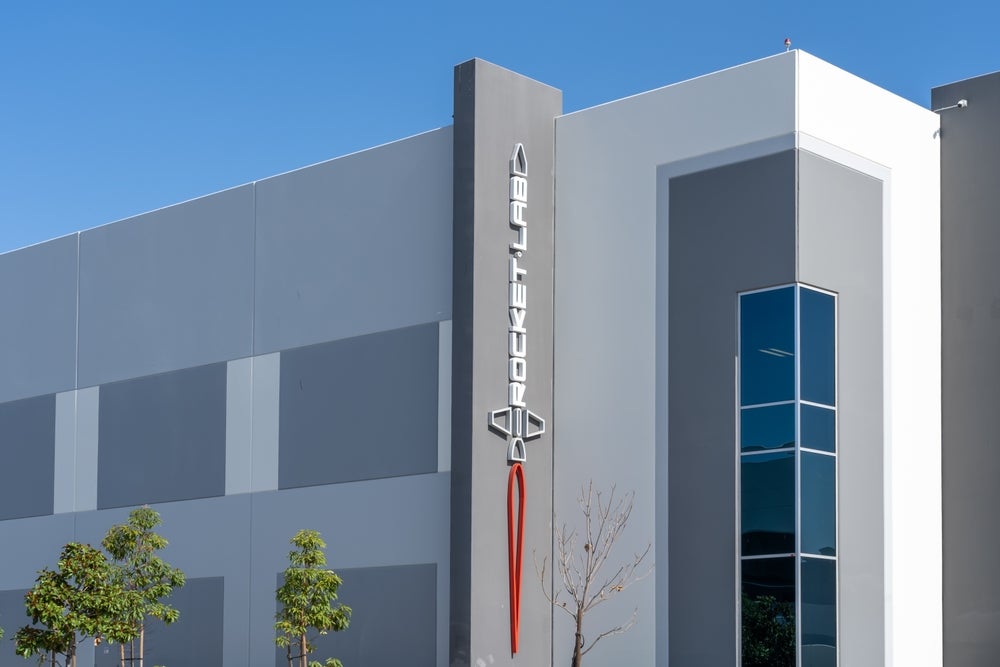
Rocket Lab and AeroVironment's Defense Opportunities
- Rocket Lab's Defense Opportunity: Rocket Lab signed a $190 million contract with the Department of Defense for 20 hypersonic test flights, highlighting its growing importance in the defense sector and potentially enhancing its market recognition and future revenue prospects.
- New Satellite Development Contract: The company secured a $90 million contract from the U.S. Space Force to develop two geostationary satellites aimed at enhancing U.S. space domain awareness, marking an expansion of Rocket Lab's role as a defense contractor.
- AeroVironment's Production Expansion: AeroVironment announced a $15 million expansion of its Ohio production facility, following $30 million and $20 million expansions in New Mexico and Alabama, respectively, demonstrating its commitment to meet the rising demand for drones.
- Strong Order Backlog: AeroVironment boasts a $1.1 billion funded backlog and an additional $3 billion unfunded backlog, indicating high demand for its defense solutions and expected revenue growth in the future.
SpaceX's Strong First Trading Day Performance

- First Day Trading Performance: Space Exploration Technologies (SpaceX) recorded its first trade at $150 per share, $15 above the official IPO price, with the stock closing above $160 on its debut, indicating strong market demand despite many investors missing the initial price.
- Ongoing Profit Opportunities: Investors who missed the IPO price still had a chance to gain 20% on Day Two and another 10% on Day Three, reflecting sustained interest and confidence in SpaceX shares among market participants.
- Market Capitalization Fluctuation: SpaceX's valuation dropped from over $2.7 trillion to around $2 trillion within days, experiencing a 16% decline, yet it remains a leader in the space industry with significant market potential.
- Investment Choice Analysis: Investors can consider entering at the current price of $154, weighing SpaceX's market potential against its sales figures, or opt for alternatives like Rocket Lab and Nvidia, which offer more attractive valuations and profitability, showcasing the diverse options available in space investment.

Analysis of SpaceX Stock Price Fluctuations
- First Day Trading Performance: SpaceX opened at $150 per share during its IPO, and despite most investors not being able to purchase at the official IPO price, it closed at $160 on the first day, indicating strong initial market demand.
- Price Fluctuation Overview: Following three days of price increases and subsequent declines, SpaceX's stock began to drop on the fourth day, closing at $155 on Monday, reflecting a 16% decrease from its peak and a reassessment of its market valuation.
- Market Valuation Changes: SpaceX's valuation plummeted from over $2.7 trillion to around $2 trillion within days, yet investors can still buy shares at nearly the opening price, showcasing differing opinions on its future potential.
- Investment Choice Recommendations: Analysts suggest that while considering SpaceX, investors might also look at alternatives like Rocket Lab and Nvidia, which offer more attractive profitability and valuation metrics, providing diversified investment options.
Comparative Investment Analysis: SpaceX vs Rocket Lab
- Market Valuation Comparison: SpaceX boasts a market cap of approximately $2 trillion, making it one of the most valuable stocks globally, and despite incurring over $4 billion in losses in Q1 2023, investor optimism remains high due to its substantial growth potential.
- Rocket Lab Financial Performance: With a market cap around $60 billion, Rocket Lab reported losses of $183 million over the past 12 months, yet its quarterly revenue hit a record of over $200 million, reflecting a robust year-over-year growth of nearly 64%.
- Technological Innovation and Market Opportunities: Rocket Lab plans to launch its larger Neutron rocket later this year, capable of carrying payloads up to 13,000 kg to low Earth orbit, which could significantly enhance its market opportunities and competitive edge.
- Investor Interest and Risk Assessment: While SpaceX trades at a high valuation of 100 times revenue compared to Rocket Lab's 80 times, investors must weigh profitability and market potential, with SpaceX's diversified business model and Elon Musk's leadership making it a more attractive option.
Comparing Investment Prospects of SpaceX and Rocket Lab
- Market Value Comparison: SpaceX boasts a market cap of approximately $2 trillion, making it one of the most valuable stocks globally, while Rocket Lab's market cap stands at only $60 billion, highlighting a significant disparity in market scale.
- Growth Potential Analysis: Despite incurring over $4 billion in losses in Q1 2023, SpaceX's expansion into artificial intelligence and interstellar communications continues to attract substantial investor interest, indicating a positive outlook for future growth.
- Rocket Lab's Financial Performance: Rocket Lab reported losses of $183 million over the past 12 months, but its latest quarterly revenue exceeded $200 million, marking a nearly 64% year-over-year growth, showcasing strong momentum.
- New Rocket Plans: Rocket Lab plans to launch its larger Neutron rocket, capable of carrying payloads up to 13,000 kg to low Earth orbit, and a successful launch could provide new growth opportunities for its stock, enhancing its competitive position in the market.
Investment Opportunities in Defense Stocks: Rocket Lab and AeroVironment
- Rocket Lab's Rise: Rocket Lab signed a $190 million contract with the U.S. Department of Defense for 20 hypersonic test flights, highlighting its growing significance in the defense sector and likely boosting its market position and investor interest.
- New Rocket Launch: The upcoming Neutron rocket from Rocket Lab will enable satellite constellation deployments and support national security missions, enhancing product line diversity and potentially creating new revenue streams for the company.
- AeroVironment's Expansion: AeroVironment announced a $15 million expansion of its Ohio production facility to meet growing demand in the drone and autonomous vehicle sectors, demonstrating the company's confidence in future market opportunities.
- Strong Order Backlog: AeroVironment currently holds $1.1 billion in funded backlog and $3 billion in unfunded backlog, indicating robust demand for its defense solutions and expected revenue growth in the future.
Rocket Lab and AeroVironment's Defense Opportunities
- Rocket Lab's Defense Opportunity: Rocket Lab signed a $190 million contract with the Department of Defense for 20 hypersonic test flights, highlighting its growing importance in the defense sector and potentially enhancing its market recognition and future revenue prospects.
- New Satellite Development Contract: The company secured a $90 million contract from the U.S. Space Force to develop two geostationary satellites aimed at enhancing U.S. space domain awareness, marking an expansion of Rocket Lab's role as a defense contractor.
- AeroVironment's Production Expansion: AeroVironment announced a $15 million expansion of its Ohio production facility, following $30 million and $20 million expansions in New Mexico and Alabama, respectively, demonstrating its commitment to meet the rising demand for drones.
- Strong Order Backlog: AeroVironment boasts a $1.1 billion funded backlog and an additional $3 billion unfunded backlog, indicating high demand for its defense solutions and expected revenue growth in the future.
SpaceX's Strong First Trading Day Performance
- First Day Trading Performance: Space Exploration Technologies (SpaceX) recorded its first trade at $150 per share, $15 above the official IPO price, with the stock closing above $160 on its debut, indicating strong market demand despite many investors missing the initial price.
- Ongoing Profit Opportunities: Investors who missed the IPO price still had a chance to gain 20% on Day Two and another 10% on Day Three, reflecting sustained interest and confidence in SpaceX shares among market participants.
- Market Capitalization Fluctuation: SpaceX's valuation dropped from over $2.7 trillion to around $2 trillion within days, experiencing a 16% decline, yet it remains a leader in the space industry with significant market potential.
- Investment Choice Analysis: Investors can consider entering at the current price of $154, weighing SpaceX's market potential against its sales figures, or opt for alternatives like Rocket Lab and Nvidia, which offer more attractive valuations and profitability, showcasing the diverse options available in space investment.
Analysis of SpaceX Stock Price Fluctuations
- First Day Trading Performance: SpaceX opened at $150 per share during its IPO, and despite most investors not being able to purchase at the official IPO price, it closed at $160 on the first day, indicating strong initial market demand.
- Price Fluctuation Overview: Following three days of price increases and subsequent declines, SpaceX's stock began to drop on the fourth day, closing at $155 on Monday, reflecting a 16% decrease from its peak and a reassessment of its market valuation.
- Market Valuation Changes: SpaceX's valuation plummeted from over $2.7 trillion to around $2 trillion within days, yet investors can still buy shares at nearly the opening price, showcasing differing opinions on its future potential.
- Investment Choice Recommendations: Analysts suggest that while considering SpaceX, investors might also look at alternatives like Rocket Lab and Nvidia, which offer more attractive profitability and valuation metrics, providing diversified investment options.