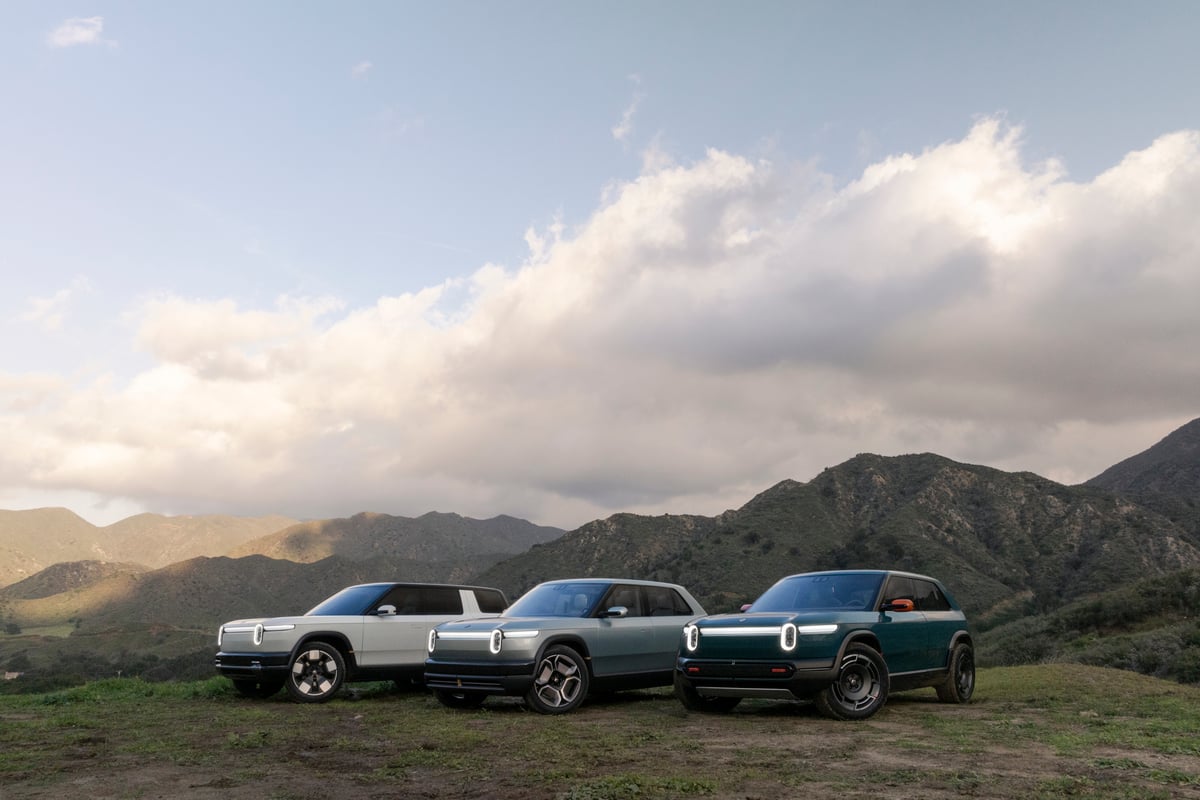
Rivian's R2 Model Launch Aims for Profitability

Rivian Automotive Inc. saw its stock rise by 5.03% as it crossed above the 5-day SMA, reflecting positive market conditions.
The company announced plans to launch its R2 model in the first half of 2026, targeting a starting price of $45,000 to attract a wider consumer base. This move is expected to boost sales and profitability, despite Rivian facing significant cash burn and competition in the EV market. Additionally, a $5 billion deal with Volkswagen is projected to generate $2 billion in revenue, alleviating some cash flow concerns.
Rivian's strategy to optimize production and enhance manufacturing efficiency is crucial as it aims to scale operations. The anticipated R2 model could help the company improve its market position, especially as it competes against established players like Tesla.
Trade with 70% Backtested Accuracy
Analyst Views on RIVN

About RIVN
About the author

Rivian Automotive Set for 2026 Inflection Point
- Delivery Growth Expectations: Rivian anticipates R2 deliveries will range between 62,000 and 67,000 units in 2026, aiming to reverse an 18% delivery decline in 2025, indicating a potential recovery in market competitiveness following the new vehicle launch.
- Market Opportunity: Priced around $45,000, the R2 fills a gap in the market for high-quality EVs under $50,000, especially as Tesla's Model Y dominates with over 350,000 registrations, providing Rivian a chance to capture additional market share.
- Profitability Improvement: Rivian achieved a gross profit of $144 million in 2025, largely due to material cost reductions, and if cost control continues, future profitability could see further enhancement as production ramps up.
- Production Challenges: While the R2 launch is highly anticipated, any issues during the acceleration of production could delay positive profitability impacts, prompting investors to carefully assess risks when determining their investment size.
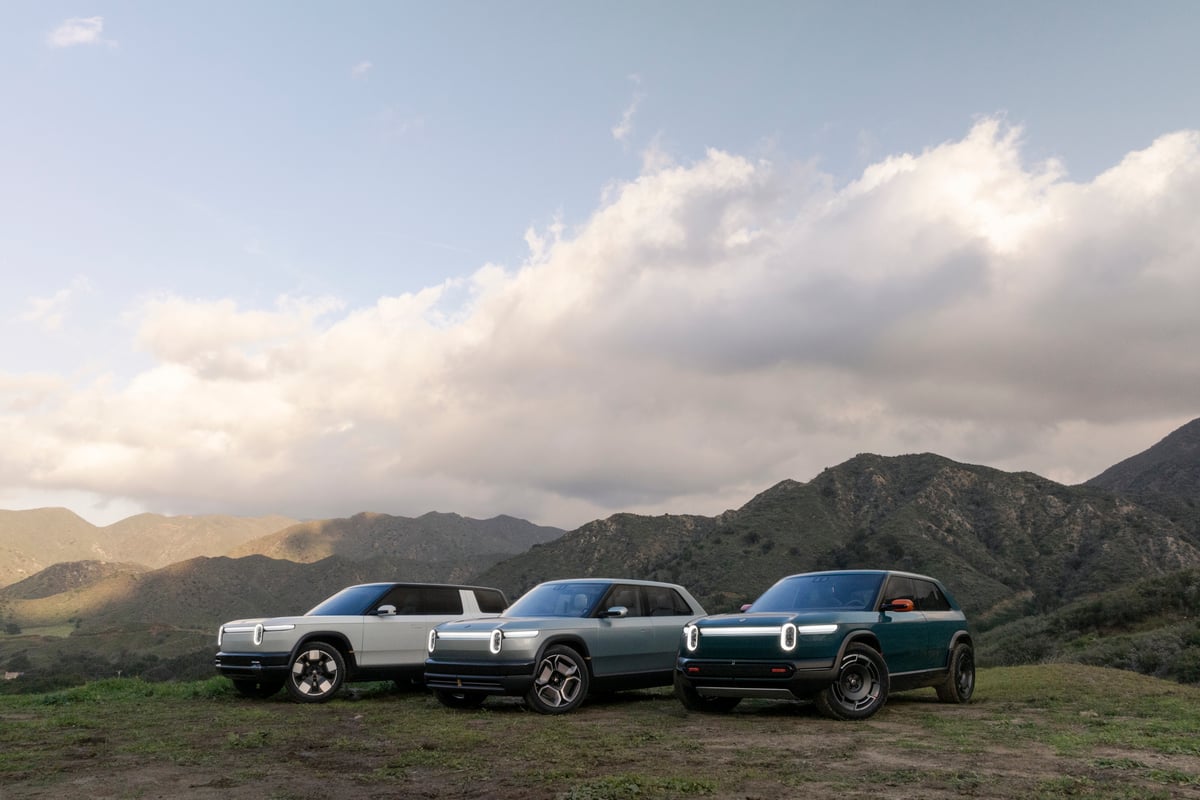
Rivian's R2 Launch: Market Disruption Potential

- R2 Launch Outlook: Rivian's upcoming R2 model is priced around $50,000, aiming to attract mainstream consumers, although it faces competition from established automotive brands; this pricing strategy could help it penetrate the market.
- High Market Pressure: Rivian is under immense pressure for the R2 launch, as failure to attract buyers could not only result in missed revenue targets but also stall the brand's momentum, potentially jeopardizing its future.
- Profitability Progress: Rivian achieved a significant milestone with $144 million in gross profit in 2025, indicating initial progress towards profitability, despite a substantial net loss of $3.6 billion, highlighting the bleak short-term outlook.
- Cost Control Success: In Q4 2025, Rivian improved its automotive cost of goods sold by over $7,200 per vehicle compared to the previous year, driven by cost-cutting and operational enhancements, laying a foundation for future profitability.

Analysis of Rivian R2 Launch Prospects
- Cost Control Success: Rivian reduced automotive cost of goods sold by $7,200 per vehicle in Q4 2025, which not only enhances gross margins but also lays a solid foundation for the successful launch of the R2, demonstrating the company's ongoing improvements in cost management.
- Competitive Market Pressure: Priced around $50,000, Rivian's R2 has the potential to attract mainstream consumers; however, it faces fierce competition from established brands like Tesla, necessitating effective brand loyalty strategies to secure market share.
- Profitability Milestone: Rivian achieved a gross profit of $144 million in 2025, marking a significant step towards profitability, despite a net loss of $3.6 billion, indicating that the path to sustainable profits remains challenging in the near term.
- Investor Focus: The market performance of the R2 will directly impact Rivian's future; if it fails to meet consumer expectations, it could severely damage the brand, making it crucial for investors to closely monitor the R2's market feedback and sales performance.
EV Market Competition Intensifies, Tesla Maintains Leadership
- Lucid Delivery Growth: In 2025, Lucid delivered 15,841 vehicles, marking a 55% year-over-year increase, with expectations to deliver 25,000 to 27,000 vehicles in 2026; however, the company reported a net loss of $2.7 billion, highlighting ongoing profitability challenges.
- Rivian Performance Pressure: Rivian delivered 42,247 vehicles in 2025 and expects to deliver between 62,000 and 67,000 vehicles in 2026; despite achieving positive gross profit, it still posted a net loss of $3.6 billion, reflecting ongoing financial strain.
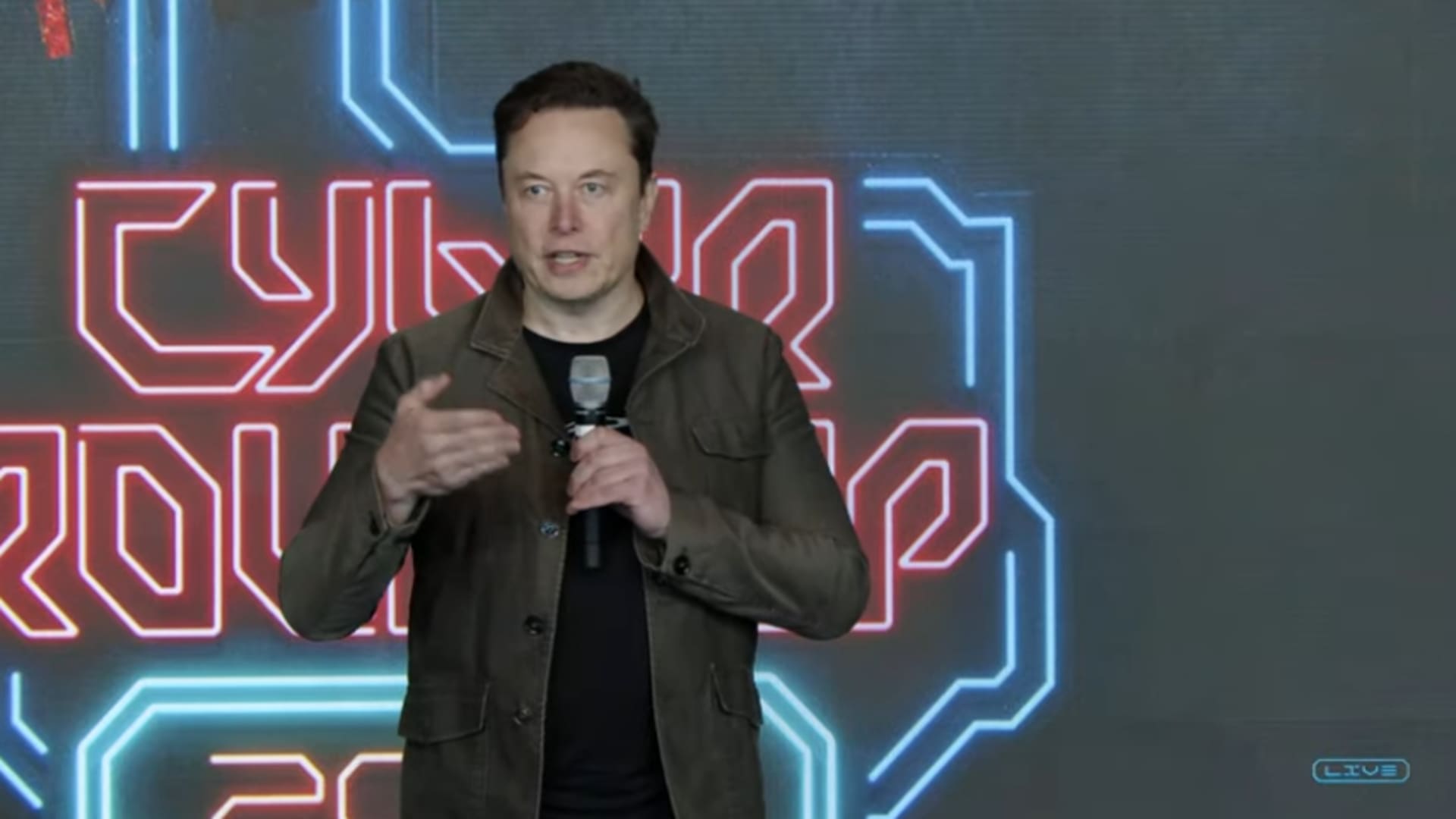
- Tesla Profitability: Tesla generated $94.8 billion in revenue and approximately $5.8 billion in non-GAAP profit in 2025, supporting its growth strategy despite pricing pressures, particularly in autonomous driving and energy storage sectors.
- Future Strategic Initiatives: Tesla plans to expand its robotaxi operations into seven new U.S. cities in the first half of 2026, with projections of generating $250 billion in revenue by 2035, showcasing its long-term potential and market expansion capabilities in the autonomous driving space.

Tesla's Strong Finances Amidst Intensifying EV Market Competition
- Tesla Revenue Growth: In fiscal 2025, Tesla generated $94.8 billion in revenue, maintaining a non-GAAP profit of approximately $5.8 billion despite pricing pressures and a softer market, showcasing its robust financial strength and market leadership.
- Autonomous Driving Strategy Expansion: Tesla plans to expand its robotaxi operations into seven additional U.S. cities in the first half of 2026, which, if executed successfully, will significantly broaden its addressable market and drive long-term revenue growth.
- Energy Storage Business Growth: Tesla deployed 46.7 gigawatt-hours of energy storage in fiscal 2025, a 48% year-over-year increase, with energy revenues rising nearly 27% to $12.8 billion, indicating strong growth potential in the renewable energy sector.
- AI and Robotics Initiatives: Tesla is developing its own AI chips and the Optimus humanoid robot to enhance production efficiency and create new revenue streams, reflecting its forward-looking approach in technology innovation and long-term strategic planning.

Rivian Set to Unveil R2 SUV, Paving Path for Future Growth

- New Model Launch: Rivian plans to unveil its R2 SUV on March 12, 2026, at the SXSW Festival, with an expected price of around $45,000, which is $30,000 to $40,000 less than the current R1T and R1S, aiming to attract a broader market.
- Production Capacity Enhancement: Although Rivian's production reached 57,232 vehicles in 2023, it is projected to decline to 49,476 in 2024 and further to 42,284 in 2025, primarily due to supply chain constraints and intense competition, prompting plans to open a new plant in Georgia to support production expansion.
- Cost Control Advantage: The R2's streamlined design, utilizing fewer electronic control units and an improved battery pack, allows for lower production costs compared to the R1T and R1S, thereby enhancing scalability while maintaining gross margins.
- Market Potential Outlook: Analysts expect that if Rivian successfully launches the R2 and expands its market, revenue will grow from $5.4 billion in 2025 to $16.3 billion by 2028, with adjusted EBITDA projected to turn positive by 2028, indicating strong growth potential.
Rivian Automotive Set for 2026 Inflection Point
- Delivery Growth Expectations: Rivian anticipates R2 deliveries will range between 62,000 and 67,000 units in 2026, aiming to reverse an 18% delivery decline in 2025, indicating a potential recovery in market competitiveness following the new vehicle launch.
- Market Opportunity: Priced around $45,000, the R2 fills a gap in the market for high-quality EVs under $50,000, especially as Tesla's Model Y dominates with over 350,000 registrations, providing Rivian a chance to capture additional market share.
- Profitability Improvement: Rivian achieved a gross profit of $144 million in 2025, largely due to material cost reductions, and if cost control continues, future profitability could see further enhancement as production ramps up.
- Production Challenges: While the R2 launch is highly anticipated, any issues during the acceleration of production could delay positive profitability impacts, prompting investors to carefully assess risks when determining their investment size.
Rivian's R2 Launch: Market Disruption Potential
- R2 Launch Outlook: Rivian's upcoming R2 model is priced around $50,000, aiming to attract mainstream consumers, although it faces competition from established automotive brands; this pricing strategy could help it penetrate the market.
- High Market Pressure: Rivian is under immense pressure for the R2 launch, as failure to attract buyers could not only result in missed revenue targets but also stall the brand's momentum, potentially jeopardizing its future.
- Profitability Progress: Rivian achieved a significant milestone with $144 million in gross profit in 2025, indicating initial progress towards profitability, despite a substantial net loss of $3.6 billion, highlighting the bleak short-term outlook.
- Cost Control Success: In Q4 2025, Rivian improved its automotive cost of goods sold by over $7,200 per vehicle compared to the previous year, driven by cost-cutting and operational enhancements, laying a foundation for future profitability.
Analysis of Rivian R2 Launch Prospects
- Cost Control Success: Rivian reduced automotive cost of goods sold by $7,200 per vehicle in Q4 2025, which not only enhances gross margins but also lays a solid foundation for the successful launch of the R2, demonstrating the company's ongoing improvements in cost management.
- Competitive Market Pressure: Priced around $50,000, Rivian's R2 has the potential to attract mainstream consumers; however, it faces fierce competition from established brands like Tesla, necessitating effective brand loyalty strategies to secure market share.
- Profitability Milestone: Rivian achieved a gross profit of $144 million in 2025, marking a significant step towards profitability, despite a net loss of $3.6 billion, indicating that the path to sustainable profits remains challenging in the near term.
- Investor Focus: The market performance of the R2 will directly impact Rivian's future; if it fails to meet consumer expectations, it could severely damage the brand, making it crucial for investors to closely monitor the R2's market feedback and sales performance.
EV Market Competition Intensifies, Tesla Maintains Leadership
- Lucid Delivery Growth: In 2025, Lucid delivered 15,841 vehicles, marking a 55% year-over-year increase, with expectations to deliver 25,000 to 27,000 vehicles in 2026; however, the company reported a net loss of $2.7 billion, highlighting ongoing profitability challenges.
- Rivian Performance Pressure: Rivian delivered 42,247 vehicles in 2025 and expects to deliver between 62,000 and 67,000 vehicles in 2026; despite achieving positive gross profit, it still posted a net loss of $3.6 billion, reflecting ongoing financial strain.
- Tesla Profitability: Tesla generated $94.8 billion in revenue and approximately $5.8 billion in non-GAAP profit in 2025, supporting its growth strategy despite pricing pressures, particularly in autonomous driving and energy storage sectors.
- Future Strategic Initiatives: Tesla plans to expand its robotaxi operations into seven new U.S. cities in the first half of 2026, with projections of generating $250 billion in revenue by 2035, showcasing its long-term potential and market expansion capabilities in the autonomous driving space.
Tesla's Strong Finances Amidst Intensifying EV Market Competition
- Tesla Revenue Growth: In fiscal 2025, Tesla generated $94.8 billion in revenue, maintaining a non-GAAP profit of approximately $5.8 billion despite pricing pressures and a softer market, showcasing its robust financial strength and market leadership.
- Autonomous Driving Strategy Expansion: Tesla plans to expand its robotaxi operations into seven additional U.S. cities in the first half of 2026, which, if executed successfully, will significantly broaden its addressable market and drive long-term revenue growth.
- Energy Storage Business Growth: Tesla deployed 46.7 gigawatt-hours of energy storage in fiscal 2025, a 48% year-over-year increase, with energy revenues rising nearly 27% to $12.8 billion, indicating strong growth potential in the renewable energy sector.
- AI and Robotics Initiatives: Tesla is developing its own AI chips and the Optimus humanoid robot to enhance production efficiency and create new revenue streams, reflecting its forward-looking approach in technology innovation and long-term strategic planning.
Rivian Set to Unveil R2 SUV, Paving Path for Future Growth
- New Model Launch: Rivian plans to unveil its R2 SUV on March 12, 2026, at the SXSW Festival, with an expected price of around $45,000, which is $30,000 to $40,000 less than the current R1T and R1S, aiming to attract a broader market.
- Production Capacity Enhancement: Although Rivian's production reached 57,232 vehicles in 2023, it is projected to decline to 49,476 in 2024 and further to 42,284 in 2025, primarily due to supply chain constraints and intense competition, prompting plans to open a new plant in Georgia to support production expansion.
- Cost Control Advantage: The R2's streamlined design, utilizing fewer electronic control units and an improved battery pack, allows for lower production costs compared to the R1T and R1S, thereby enhancing scalability while maintaining gross margins.
- Market Potential Outlook: Analysts expect that if Rivian successfully launches the R2 and expands its market, revenue will grow from $5.4 billion in 2025 to $16.3 billion by 2028, with adjusted EBITDA projected to turn positive by 2028, indicating strong growth potential.