Qnity Electronics Opens New Facility to Scale Semiconductor Production
Qnity Electronics Inc's stock fell by 5.96% as it crossed below the 5-day SMA, reflecting broader market weakness with the Nasdaq-100 down 1.18% and the S&P 500 down 0.98%.
Despite the recent opening of a new 385,000-square-foot facility in Newark, Delaware, aimed at expanding semiconductor materials production, the stock experienced a decline. This facility is part of a multi-year investment to enhance manufacturing capabilities in response to rising demand for semiconductor materials driven by AI and high-performance computing. The new facility is expected to significantly boost production capacity, contributing to the semiconductor industry's projected global revenue of $1 trillion in the coming years.
The implications of this investment are substantial, as it positions Qnity to meet the growing demand for high-performance electronic products. However, the stock's decline amid overall market weakness suggests that investors are cautious, possibly due to profit-taking or broader economic concerns.
Trade with 70% Backtested Accuracy
Analyst Views on Q

About Q
About the author


Stocks Rally as Oil Prices Decline Amid Peace Talks


- Market Rally: Stocks rallied on Wednesday, marking the first positive session for the S&P 500 since last Thursday, primarily supported by declines in oil prices and interest rates, reflecting a growing optimism about the economic outlook.
- Oil Price Drop: Following President Trump's remarks that peace deal negotiations with Iran are in the 'final stages,' oil prices fell approximately 5%, with U.S. benchmark West Texas Intermediate crude dropping below $100 per barrel for the first time since May 11, potentially easing inflationary pressures.
- Samsung Labor Agreement: A last-minute tentative deal between Samsung and its labor union averted a strike, which is positive news for the semiconductor ecosystem as a strike could have disrupted operations and exacerbated supply constraints.
- China Boeing Order: China confirmed an order for 200 Boeing planes, which, while below the expected 500, marks the first significant order from this key aerospace market in many years, indicating a gradual recovery in aircraft production.

Stocks Pull Back but S&P 500 on Track for Seventh Straight Positive Week

- Rising Bond Yields: The massive bond selloff pushed the 10-year Treasury yield to approximately 4.6% and the 30-year yield above 5.1%, which could lead to increased borrowing costs, thereby affecting corporate investment decisions and consumer spending.
- Oil Price Surge: West Texas Intermediate crude oil prices climbed back above $105 per barrel, and this rise in oil prices may exacerbate inflation concerns, potentially impacting consumer confidence and spending, especially in a high-inflation environment.
- Volatility in AI Stocks: Stocks like Arm Holdings and Nvidia experienced profit-taking as enthusiasm for AI waned, indicating a cautious investor sentiment towards high-risk assets amid rising interest rates and oil prices.
- Upcoming Earnings Reports: A significant week of earnings is ahead with key companies like Home Depot and Nvidia scheduled to report, and the market will closely monitor these results for their potential impact on stock prices in the context of increasing economic uncertainty.

Qnity Electronics Shares Double; Analysts Remain Optimistic
- Strong Earnings Beat: Qnity Electronics reported an adjusted earnings per share of $1.08 and revenue of $1.32 billion in Q1, both exceeding analyst expectations, which led to a 10% stock price increase on Tuesday, highlighting the company's robust position in the semiconductor supply chain.
- Upgraded Full-Year Guidance: The company raised its earnings and revenue guidance for 2026, reflecting confidence in future market demand and further solidifying its position in the rapidly growing electronic materials market.
- Analyst Optimism: Goldman Sachs raised its price target to $165, believing Qnity has significant long-term growth potential in AI and high-performance computing, and is well-positioned to benefit from a broad recovery in wafer starts in 2026.
- Market Share Growth Potential: Analysts from Mizuho and Deutsche Bank are optimistic about Qnity's growth in the electronic materials sector, projecting sales to accelerate towards approximately 10% growth, indicating the company's competitive advantage in fragmented markets.
Stocks Retreat Amid Inflation Concerns
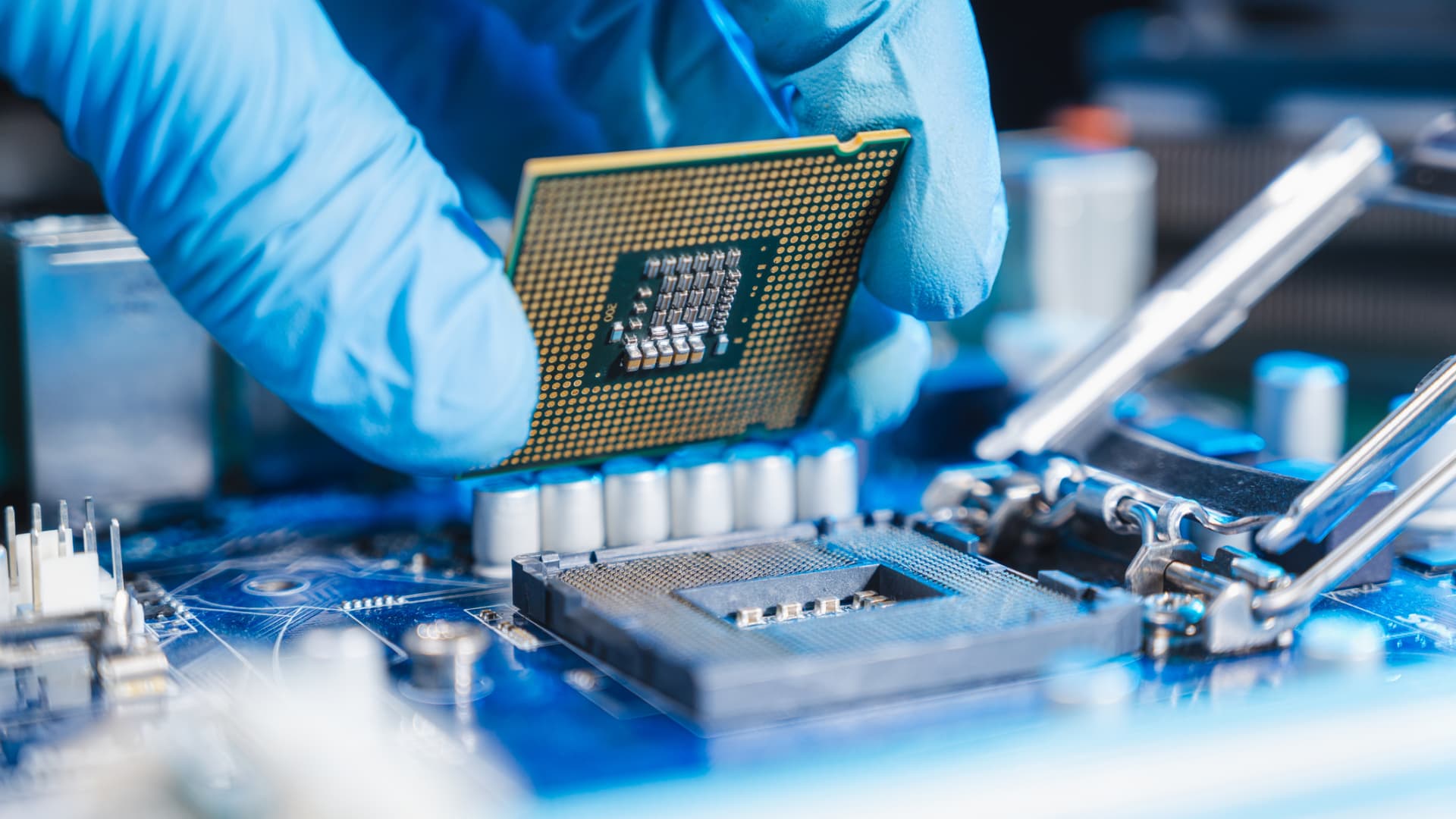
- Inflation Impact: The Producer Price Index (PPI) rose 1.4% in April, significantly exceeding the expected 0.5% increase, with a year-on-year rise of 6%, marking the largest increase since 2022, which heightened concerns about the Federal Reserve's ability to cut interest rates and pushed Treasury yields up to 4.45%.
- Tech Stock Rebound: Despite the overall market pullback, the Nasdaq Composite rose due to a rebound in tech stocks, particularly semiconductor and AI names, which recovered after a sharp sell-off on Tuesday, indicating sustained investor confidence in the tech sector.
- Nvidia Stock Surge: Nvidia shares jumped 2%, driven by optimism surrounding CEO Jensen Huang's trip to China with President Trump, although investors are cautious as the reopening of chip sales is not the Club's primary focus.
- Qnity Stock Pullback: Qnity Electronics slightly pulled back after surging nearly 10% on Tuesday, with its stock more than doubling this year and analysts raising price targets to near $180, reflecting optimistic market expectations despite the caution against chasing the stock after its rapid rise.
Key Market Insights: Semiconductor and AI Stocks


- Semiconductor and AI Stock Rebound: After a day of selling, stocks like Micron and Corning are rebounding this morning, indicating ongoing market interest in semiconductor and AI stocks, despite S&P futures declining due to hotter-than-expected April wholesale inflation data.
- Nvidia Price Target Increase: Bank of America raised Nvidia's price target from $300 to $320, reflecting optimism ahead of its upcoming earnings report, while CEO Jensen Huang's attendance at the summit with Trump in China may further boost the stock.
- Qnity Electronics Strong Performance: Following a strong earnings report, Qnity Electronics saw price target increases from Deutsche Bank and BMO Capital to $180 and $200 respectively, showcasing market confidence in AI stocks, particularly amidst a broader market downturn.
- Johnson & Johnson Rating Upgrade: Leerink upgraded Johnson & Johnson to a buy rating with a price target increase from $252 to $265, anticipating sales for its psoriasis drug Icotyde to reach $10.5 billion by 2032, significantly above the consensus estimate of $7.4 billion, highlighting its growth potential.
Qnity Electronics Reports Record Quarter with Strong Guidance


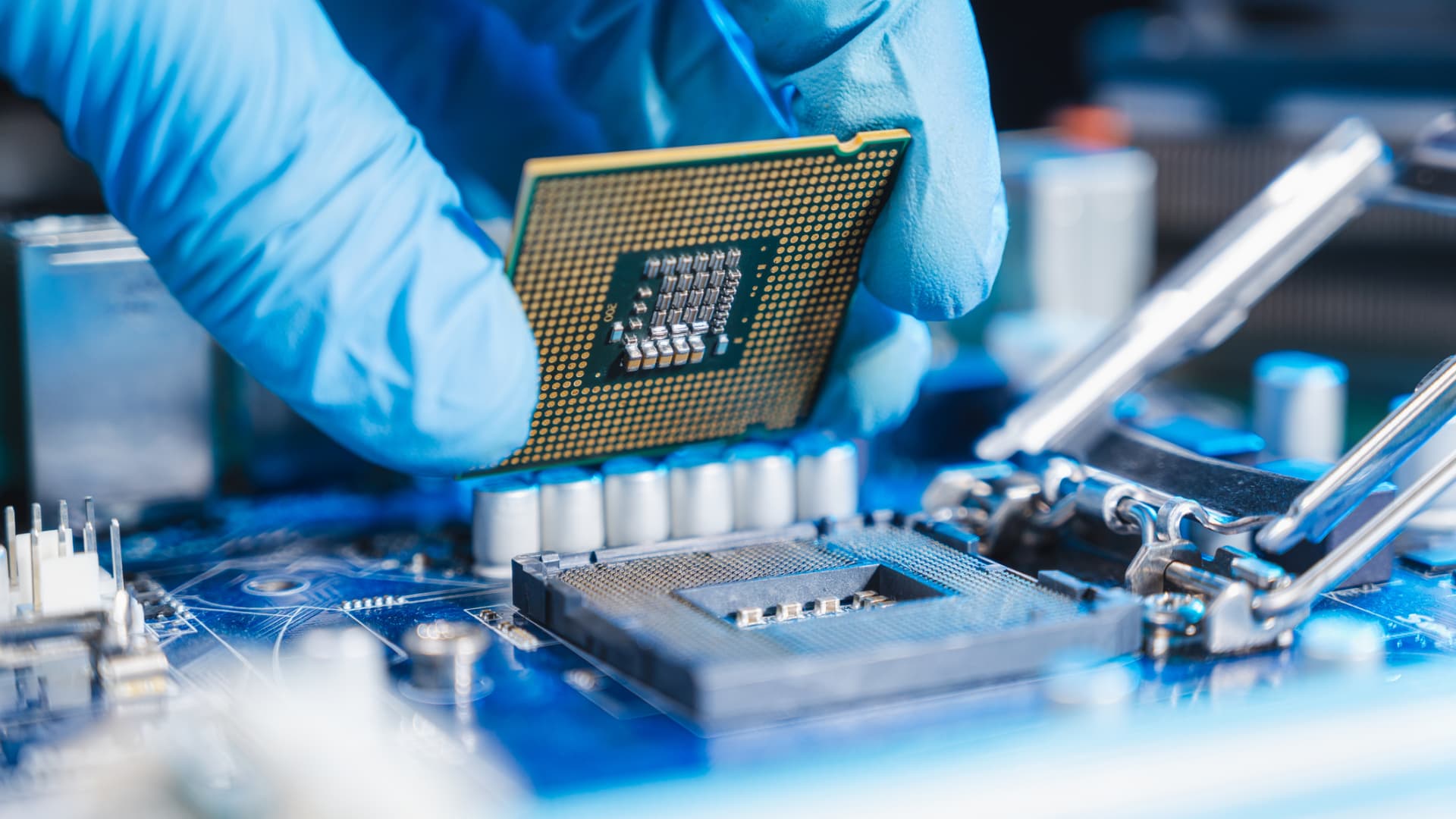
- Significant Revenue Growth: Qnity Electronics reported a 17.6% year-over-year revenue increase to $1.32 billion in Q1, surpassing LSEG's expectation of $1.27 billion, indicating strong performance in the semiconductor market and solidifying its market position.
- Enhanced Profitability: Earnings per share (EPS) surged 33.3% year-over-year to $1.08, exceeding the consensus estimate of 92 cents, reflecting successful operational efficiency and cost control, which bolsters investor confidence.
- Upgraded Full-Year Guidance: Management raised its 2026 sales target to $5.225 to $5.375 billion, up from the previous range of $4.97 to $5.17 billion, indicating strong confidence in future growth and likely driving further stock price increases.
- Strong Market Demand: Qnity plays a crucial role in data center buildouts, and with the rising demand for AI infrastructure, the need for its products is expected to continue growing, further enhancing its leadership position in the semiconductor industry.
Stocks Rally as Oil Prices Decline Amid Peace Talks
- Market Rally: Stocks rallied on Wednesday, marking the first positive session for the S&P 500 since last Thursday, primarily supported by declines in oil prices and interest rates, reflecting a growing optimism about the economic outlook.
- Oil Price Drop: Following President Trump's remarks that peace deal negotiations with Iran are in the 'final stages,' oil prices fell approximately 5%, with U.S. benchmark West Texas Intermediate crude dropping below $100 per barrel for the first time since May 11, potentially easing inflationary pressures.
- Samsung Labor Agreement: A last-minute tentative deal between Samsung and its labor union averted a strike, which is positive news for the semiconductor ecosystem as a strike could have disrupted operations and exacerbated supply constraints.
- China Boeing Order: China confirmed an order for 200 Boeing planes, which, while below the expected 500, marks the first significant order from this key aerospace market in many years, indicating a gradual recovery in aircraft production.
Stocks Pull Back but S&P 500 on Track for Seventh Straight Positive Week
- Rising Bond Yields: The massive bond selloff pushed the 10-year Treasury yield to approximately 4.6% and the 30-year yield above 5.1%, which could lead to increased borrowing costs, thereby affecting corporate investment decisions and consumer spending.
- Oil Price Surge: West Texas Intermediate crude oil prices climbed back above $105 per barrel, and this rise in oil prices may exacerbate inflation concerns, potentially impacting consumer confidence and spending, especially in a high-inflation environment.
- Volatility in AI Stocks: Stocks like Arm Holdings and Nvidia experienced profit-taking as enthusiasm for AI waned, indicating a cautious investor sentiment towards high-risk assets amid rising interest rates and oil prices.
- Upcoming Earnings Reports: A significant week of earnings is ahead with key companies like Home Depot and Nvidia scheduled to report, and the market will closely monitor these results for their potential impact on stock prices in the context of increasing economic uncertainty.
Qnity Electronics Shares Double; Analysts Remain Optimistic
- Strong Earnings Beat: Qnity Electronics reported an adjusted earnings per share of $1.08 and revenue of $1.32 billion in Q1, both exceeding analyst expectations, which led to a 10% stock price increase on Tuesday, highlighting the company's robust position in the semiconductor supply chain.
- Upgraded Full-Year Guidance: The company raised its earnings and revenue guidance for 2026, reflecting confidence in future market demand and further solidifying its position in the rapidly growing electronic materials market.
- Analyst Optimism: Goldman Sachs raised its price target to $165, believing Qnity has significant long-term growth potential in AI and high-performance computing, and is well-positioned to benefit from a broad recovery in wafer starts in 2026.
- Market Share Growth Potential: Analysts from Mizuho and Deutsche Bank are optimistic about Qnity's growth in the electronic materials sector, projecting sales to accelerate towards approximately 10% growth, indicating the company's competitive advantage in fragmented markets.
Stocks Retreat Amid Inflation Concerns
- Inflation Impact: The Producer Price Index (PPI) rose 1.4% in April, significantly exceeding the expected 0.5% increase, with a year-on-year rise of 6%, marking the largest increase since 2022, which heightened concerns about the Federal Reserve's ability to cut interest rates and pushed Treasury yields up to 4.45%.
- Tech Stock Rebound: Despite the overall market pullback, the Nasdaq Composite rose due to a rebound in tech stocks, particularly semiconductor and AI names, which recovered after a sharp sell-off on Tuesday, indicating sustained investor confidence in the tech sector.
- Nvidia Stock Surge: Nvidia shares jumped 2%, driven by optimism surrounding CEO Jensen Huang's trip to China with President Trump, although investors are cautious as the reopening of chip sales is not the Club's primary focus.
- Qnity Stock Pullback: Qnity Electronics slightly pulled back after surging nearly 10% on Tuesday, with its stock more than doubling this year and analysts raising price targets to near $180, reflecting optimistic market expectations despite the caution against chasing the stock after its rapid rise.
Key Market Insights: Semiconductor and AI Stocks
- Semiconductor and AI Stock Rebound: After a day of selling, stocks like Micron and Corning are rebounding this morning, indicating ongoing market interest in semiconductor and AI stocks, despite S&P futures declining due to hotter-than-expected April wholesale inflation data.
- Nvidia Price Target Increase: Bank of America raised Nvidia's price target from $300 to $320, reflecting optimism ahead of its upcoming earnings report, while CEO Jensen Huang's attendance at the summit with Trump in China may further boost the stock.
- Qnity Electronics Strong Performance: Following a strong earnings report, Qnity Electronics saw price target increases from Deutsche Bank and BMO Capital to $180 and $200 respectively, showcasing market confidence in AI stocks, particularly amidst a broader market downturn.
- Johnson & Johnson Rating Upgrade: Leerink upgraded Johnson & Johnson to a buy rating with a price target increase from $252 to $265, anticipating sales for its psoriasis drug Icotyde to reach $10.5 billion by 2032, significantly above the consensus estimate of $7.4 billion, highlighting its growth potential.
Qnity Electronics Reports Record Quarter with Strong Guidance
- Significant Revenue Growth: Qnity Electronics reported a 17.6% year-over-year revenue increase to $1.32 billion in Q1, surpassing LSEG's expectation of $1.27 billion, indicating strong performance in the semiconductor market and solidifying its market position.
- Enhanced Profitability: Earnings per share (EPS) surged 33.3% year-over-year to $1.08, exceeding the consensus estimate of 92 cents, reflecting successful operational efficiency and cost control, which bolsters investor confidence.
- Upgraded Full-Year Guidance: Management raised its 2026 sales target to $5.225 to $5.375 billion, up from the previous range of $4.97 to $5.17 billion, indicating strong confidence in future growth and likely driving further stock price increases.
- Strong Market Demand: Qnity plays a crucial role in data center buildouts, and with the rising demand for AI infrastructure, the need for its products is expected to continue growing, further enhancing its leadership position in the semiconductor industry.