Pfizer rises 3.02% amid FDA warning and dividend declaration

Pfizer Inc's stock rose by 3.02%, reaching a 20-day high, despite the broader market's decline with the Nasdaq-100 down 0.41% and the S&P 500 down 0.13%.
This increase comes amid the FDA's plans to potentially add a black box warning to COVID vaccines, which may undermine public confidence, and the announcement of a $0.43 dividend for Q1 2026, marking the 349th consecutive quarterly dividend. The dividend declaration reflects Pfizer's strong financial health and commitment to shareholder returns, which may attract more investor attention.
The implications of the FDA's warning could create uncertainty in the vaccine market, but Pfizer's consistent dividend payments signal confidence in its future cash flows, positioning the company favorably in the biopharmaceutical industry.
Trade with 70% Backtested Accuracy
Analyst Views on PFE

About PFE
About the author


Pfizer Faces Patent Cliffs and Acquisition Challenges
- Patent Cliff Impact: Pfizer is projected to lose up to $18 billion in revenue from 2025 to 2030 due to patent expirations, significantly impacting its financial health as sales from key drugs like Eliquis and Ibrance are expected to decline sharply.
- Acquisition Strategy: In 2023, Pfizer acquired oncology company Seagen for $43 billion and last year purchased Metsera for up to $10 billion, which is developing GLP-1 drugs aimed at enhancing Pfizer's position in the anti-obesity market, although these acquisitions will take time to yield benefits.
- Financial Performance: Despite challenges, Pfizer maintained a strong profit margin of over 12% last year, providing financial support for continued acquisitions and growth opportunities, demonstrating the company's resilience in adversity.
- Investment Risks and Opportunities: Pfizer's stock is currently trading at just nine times its expected future profits, and while the market is bearish on its growth prospects, the company has over 100 drug candidates in its pipeline that could lead to significant growth if approved, making it a stock worth holding for patient investors.

Eli Lilly's GLP-1 Drug Sales Surge
- Significant Sales Growth: Eli Lilly's Mounjaro and Zepbound GLP-1 drugs saw sales increases of 99% and 175% in 2025, respectively, indicating the company's leading position in the rapidly growing weight-loss market, which has driven its stock price up over 1,100% in the past decade.
- Valuation Risks: Despite Eli Lilly's P/E ratio of 39x, significantly above the industry average of 23x and close to its five-year average of 56x, a recent sell-off has made it relatively cheaper; however, the high absolute valuation may still deter potential investors.
- Patent Expiration Risks: With limited patent protection for Mounjaro and Zepbound, the emergence of generics could drastically reduce Eli Lilly's revenues from these GLP-1 drugs, posing a significant threat to its current dominance in the weight-loss category.
- Intensifying Competition: Eli Lilly faces fierce competition in the GLP-1 space from companies like Novo Nordisk and Pfizer, which are also developing similar drugs, potentially impacting Eli Lilly's market share and necessitating close monitoring of its ability to maintain its competitive edge.

Eli Lilly's GLP-1 Drug Sales Surge Amid Competition
- Significant Sales Growth: Eli Lilly's GLP-1 drugs, Mounjaro and Zepbound, experienced sales increases of 99% and 175% respectively in 2025, indicating the company's strong position in the rapidly growing weight-loss market, despite fierce competition.
- Outstanding Stock Performance: Over the past decade, Eli Lilly's stock has surged more than 1,100%, significantly outperforming the S&P 500's 230% increase, reflecting strong investor confidence in its future growth, yet potential risks must be acknowledged.
- Intensifying Competition Risks: With competitors like Novo Nordisk and Pfizer launching new drugs, Eli Lilly's dominance in the GLP-1 market may be threatened, particularly as patents expire and generics could significantly reduce its revenues.
- Acquisition Strategy Adjustment: Eli Lilly is leveraging the profits from its GLP-1 success to acquire companies in other areas, which may present new growth opportunities, but there is also the risk that the new drugs may not meet expectations, necessitating careful evaluation by investors.
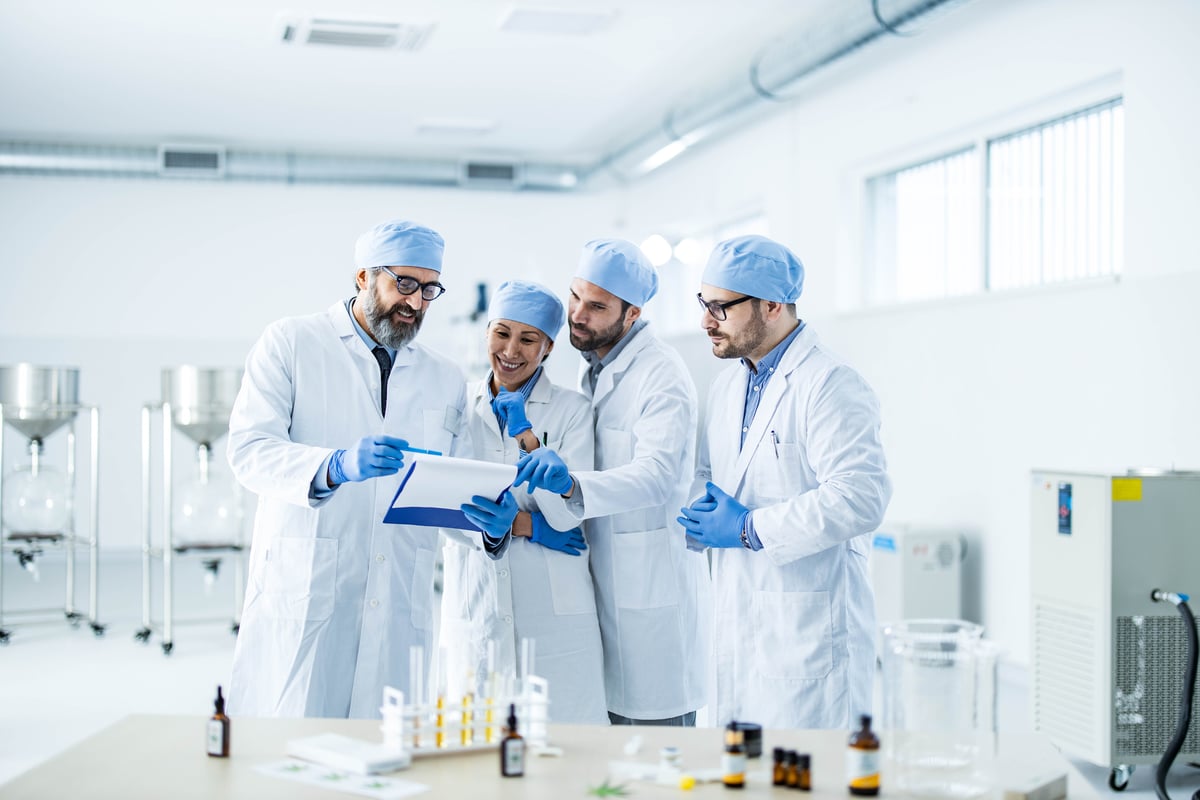
Pfizer's Future Growth Potential Analysis
- Stock Decline: Pfizer's stock has declined nearly 30% over the past five years, and while the dividend yield is high, investor concerns about its growth prospects reflect a cautious market sentiment regarding the company's future performance.
- Patent Cliff Impact: Pfizer faces patent expirations for key drugs like Eliquis and Ibrance, with projected revenue losses of up to $18 billion from 2025 to 2030, compelling the company to accelerate acquisitions and in-house development to offset these losses.
- Acquisition Strategy: In 2023, Pfizer made headlines with its $43 billion acquisition of cancer treatment company Seagen, and last year it acquired Metsera for up to $10 billion, which is developing GLP-1 drugs that could position Pfizer as a significant player in the anti-obesity market.
- Growth Potential: Despite the risk of short-term revenue declines, Pfizer has over 100 drug candidates in its pipeline, and it is expected to secure more approvals in the next three years, thereby providing substantial growth potential for the company.

Investment Opportunities in GLP-1 Drugs in Healthcare
- Eli Lilly's Market Performance: Eli Lilly reported a 45% sales increase in 2025, exceeding $65 billion, with net income nearing $21 billion, demonstrating its strong profitability in the GLP-1 drug market and solidifying its leadership in the healthcare sector.
- New Drug Approval Boosts Growth: The recent FDA approval of Eli Lilly's weight-loss drug Foundayo is expected to generate significant revenue, further enhancing its competitive edge in the rapidly growing healthcare market.
- Viking Therapeutics' Potential: Viking Therapeutics, with a market cap of only $4 billion, presents higher risk but shows promise with its GLP-1 drug VK2735 performing well in clinical trials; approval could attract large healthcare companies for acquisition, significantly increasing its market value.
- Balancing Risk and Reward: While Eli Lilly's stock is relatively safe, its price-to-earnings ratio exceeds 40, potentially limiting upside; in contrast, Viking Therapeutics could trigger a bidding war post-approval of VK2735, offering higher return potential.
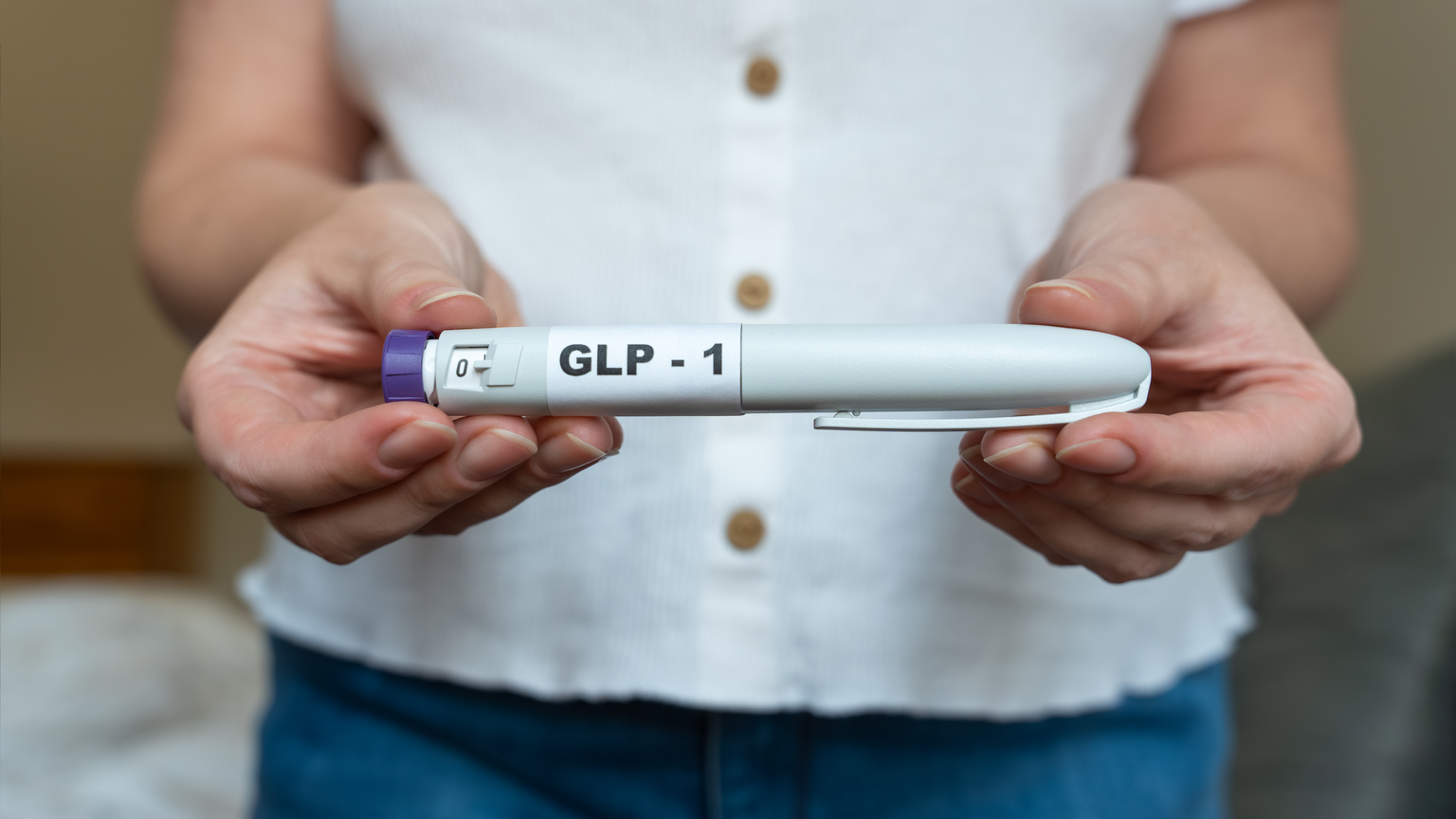
GLP-1 Medications Improve Patient Mood, Study Shows
- Mood Improvement Evidence: According to Dr. Angela Fitch, randomized controlled trials indicate that most patients experience mood improvements when treated with GLP-1 medications, suggesting potential psychological benefits of these drugs.
- Monitoring and Observations: At Knownwell, where Dr. Fitch oversees treatment for over 20,000 patients, she noted that they have not observed the emotional flatness described in media reports, indicating the safety and efficacy of GLP-1 treatments.
- Regulatory Developments: The lack of evidence supporting mental health risks has led regulators to remove suicidality warnings from GLP-1 medication labels, reflecting increased confidence in these drugs.
- Comprehensive Care Recommendations: Dr. Fitch advises that patients should receive comprehensive clinical care when obtaining GLP-1 prescriptions, emphasizing that psychological counseling and behavioral management are crucial for addressing mood shifts beyond medication alone.
Pfizer Faces Patent Cliffs and Acquisition Challenges
- Patent Cliff Impact: Pfizer is projected to lose up to $18 billion in revenue from 2025 to 2030 due to patent expirations, significantly impacting its financial health as sales from key drugs like Eliquis and Ibrance are expected to decline sharply.
- Acquisition Strategy: In 2023, Pfizer acquired oncology company Seagen for $43 billion and last year purchased Metsera for up to $10 billion, which is developing GLP-1 drugs aimed at enhancing Pfizer's position in the anti-obesity market, although these acquisitions will take time to yield benefits.
- Financial Performance: Despite challenges, Pfizer maintained a strong profit margin of over 12% last year, providing financial support for continued acquisitions and growth opportunities, demonstrating the company's resilience in adversity.
- Investment Risks and Opportunities: Pfizer's stock is currently trading at just nine times its expected future profits, and while the market is bearish on its growth prospects, the company has over 100 drug candidates in its pipeline that could lead to significant growth if approved, making it a stock worth holding for patient investors.
Eli Lilly's GLP-1 Drug Sales Surge
- Significant Sales Growth: Eli Lilly's Mounjaro and Zepbound GLP-1 drugs saw sales increases of 99% and 175% in 2025, respectively, indicating the company's leading position in the rapidly growing weight-loss market, which has driven its stock price up over 1,100% in the past decade.
- Valuation Risks: Despite Eli Lilly's P/E ratio of 39x, significantly above the industry average of 23x and close to its five-year average of 56x, a recent sell-off has made it relatively cheaper; however, the high absolute valuation may still deter potential investors.
- Patent Expiration Risks: With limited patent protection for Mounjaro and Zepbound, the emergence of generics could drastically reduce Eli Lilly's revenues from these GLP-1 drugs, posing a significant threat to its current dominance in the weight-loss category.
- Intensifying Competition: Eli Lilly faces fierce competition in the GLP-1 space from companies like Novo Nordisk and Pfizer, which are also developing similar drugs, potentially impacting Eli Lilly's market share and necessitating close monitoring of its ability to maintain its competitive edge.
Eli Lilly's GLP-1 Drug Sales Surge Amid Competition
- Significant Sales Growth: Eli Lilly's GLP-1 drugs, Mounjaro and Zepbound, experienced sales increases of 99% and 175% respectively in 2025, indicating the company's strong position in the rapidly growing weight-loss market, despite fierce competition.
- Outstanding Stock Performance: Over the past decade, Eli Lilly's stock has surged more than 1,100%, significantly outperforming the S&P 500's 230% increase, reflecting strong investor confidence in its future growth, yet potential risks must be acknowledged.
- Intensifying Competition Risks: With competitors like Novo Nordisk and Pfizer launching new drugs, Eli Lilly's dominance in the GLP-1 market may be threatened, particularly as patents expire and generics could significantly reduce its revenues.
- Acquisition Strategy Adjustment: Eli Lilly is leveraging the profits from its GLP-1 success to acquire companies in other areas, which may present new growth opportunities, but there is also the risk that the new drugs may not meet expectations, necessitating careful evaluation by investors.
Pfizer's Future Growth Potential Analysis
- Stock Decline: Pfizer's stock has declined nearly 30% over the past five years, and while the dividend yield is high, investor concerns about its growth prospects reflect a cautious market sentiment regarding the company's future performance.
- Patent Cliff Impact: Pfizer faces patent expirations for key drugs like Eliquis and Ibrance, with projected revenue losses of up to $18 billion from 2025 to 2030, compelling the company to accelerate acquisitions and in-house development to offset these losses.
- Acquisition Strategy: In 2023, Pfizer made headlines with its $43 billion acquisition of cancer treatment company Seagen, and last year it acquired Metsera for up to $10 billion, which is developing GLP-1 drugs that could position Pfizer as a significant player in the anti-obesity market.
- Growth Potential: Despite the risk of short-term revenue declines, Pfizer has over 100 drug candidates in its pipeline, and it is expected to secure more approvals in the next three years, thereby providing substantial growth potential for the company.
Investment Opportunities in GLP-1 Drugs in Healthcare
- Eli Lilly's Market Performance: Eli Lilly reported a 45% sales increase in 2025, exceeding $65 billion, with net income nearing $21 billion, demonstrating its strong profitability in the GLP-1 drug market and solidifying its leadership in the healthcare sector.
- New Drug Approval Boosts Growth: The recent FDA approval of Eli Lilly's weight-loss drug Foundayo is expected to generate significant revenue, further enhancing its competitive edge in the rapidly growing healthcare market.
- Viking Therapeutics' Potential: Viking Therapeutics, with a market cap of only $4 billion, presents higher risk but shows promise with its GLP-1 drug VK2735 performing well in clinical trials; approval could attract large healthcare companies for acquisition, significantly increasing its market value.
- Balancing Risk and Reward: While Eli Lilly's stock is relatively safe, its price-to-earnings ratio exceeds 40, potentially limiting upside; in contrast, Viking Therapeutics could trigger a bidding war post-approval of VK2735, offering higher return potential.
GLP-1 Medications Improve Patient Mood, Study Shows
- Mood Improvement Evidence: According to Dr. Angela Fitch, randomized controlled trials indicate that most patients experience mood improvements when treated with GLP-1 medications, suggesting potential psychological benefits of these drugs.
- Monitoring and Observations: At Knownwell, where Dr. Fitch oversees treatment for over 20,000 patients, she noted that they have not observed the emotional flatness described in media reports, indicating the safety and efficacy of GLP-1 treatments.
- Regulatory Developments: The lack of evidence supporting mental health risks has led regulators to remove suicidality warnings from GLP-1 medication labels, reflecting increased confidence in these drugs.
- Comprehensive Care Recommendations: Dr. Fitch advises that patients should receive comprehensive clinical care when obtaining GLP-1 prescriptions, emphasizing that psychological counseling and behavioral management are crucial for addressing mood shifts beyond medication alone.