Palo Alto Networks Completes Acquisition of Chronosphere

Palo Alto Networks Inc's stock has dropped 3.03% and hit a 20-day low amid mixed market conditions, with the Nasdaq-100 down 0.18% and the S&P 500 up 0.10%.
The company has finalized its acquisition of Chronosphere, aimed at enhancing data visibility and security in the AI era. This strategic move is expected to improve operational efficiency and solidify Palo Alto Networks' leadership in cybersecurity. The integration of Chronosphere's technology with Cortex AgentiX will allow customers to automatically address security issues, significantly reducing potential losses and enhancing their security posture.
This acquisition positions Palo Alto Networks to better meet the challenges of the evolving cybersecurity landscape, particularly as enterprises increasingly rely on AI technologies. The market's reaction reflects a cautious sentiment, but the long-term implications of this acquisition could strengthen the company's competitive edge.
Trade with 70% Backtested Accuracy
Analyst Views on PANW

About PANW
About the author


Palo Alto Networks CEO Purchases Shares, Stock Rises
- CEO Share Purchase: The CEO of Palo Alto Networks recently purchased shares, leading to a rise in stock price on the afternoon of March 29, 2026, indicating management's confidence in the company's future, which may attract more investor interest.
- Market Performance Comparison: Despite the CEO's stock purchase, the analyst team noted that Palo Alto Networks was not included in the current list of top investment stocks, reflecting differing market perceptions of its future growth potential, which could influence investor decisions.
- Return Rate Analysis: According to The Motley Fool, their Stock Advisor service boasts an average return rate of 914%, significantly outperforming the S&P 500's 184%, indicating that investors should carefully consider potential returns when selecting stocks.
- Industry Competitive Dynamics: Amid rapid advancements in AI technology, market interest in Palo Alto Networks is rising, particularly due to its critical technology needs linked to industry giants like Nvidia and Intel, potentially opening new growth opportunities for the company.

Palo Alto Networks CEO Buys Shares, Stock Rises
- Stock Price Surge: Shares of Palo Alto Networks rose following news of the CEO's stock purchase, indicating increased market confidence in the company's future and heightened investor trust in management.
- CEO Purchase: The CEO bought shares at afternoon prices on March 29, 2026, demonstrating a strong belief in the company's prospects, which may attract more investor attention to the firm.
- Market Reaction: This purchase triggered a positive market response, with the stock price increase reflecting investor confidence in corporate governance and management, potentially fostering further investment and shareholder support.
- Strategic Implications: The CEO's purchase not only acknowledges the company's value but may also signal upcoming aggressive growth strategies, further enhancing the company's competitive position in the market.

Lockheed Martin Hacked, Exposing Sensitive Data

- Cybersecurity Threats: Lockheed Martin was recently targeted in a hacking breach that may have exposed sensitive data, including information on the F-35 fighter jet, highlighting the critical importance of protecting classified weapons data amid increasingly sophisticated cybersecurity threats.
- Growing Market Demand: As artificial intelligence advances, cybersecurity is expected to remain a crucial budget item for companies worldwide, driving demand for cybersecurity firms, particularly those that excel in innovation.
- CrowdStrike's Market Leadership: CrowdStrike Holdings' Falcon platform leverages AI to analyze device activity and detect suspicious patterns, with its total addressable market projected to grow from $149 billion to $325 billion by 2030, indicating strong growth potential.
- Zscaler's Unique Positioning: Zscaler specializes in cloud-native zero-trust security, generating $3 billion in annual sales, and the zero-trust security market is expected to expand at a 16.5% annual growth rate to $84 billion, showcasing its robust growth prospects in the AI era.
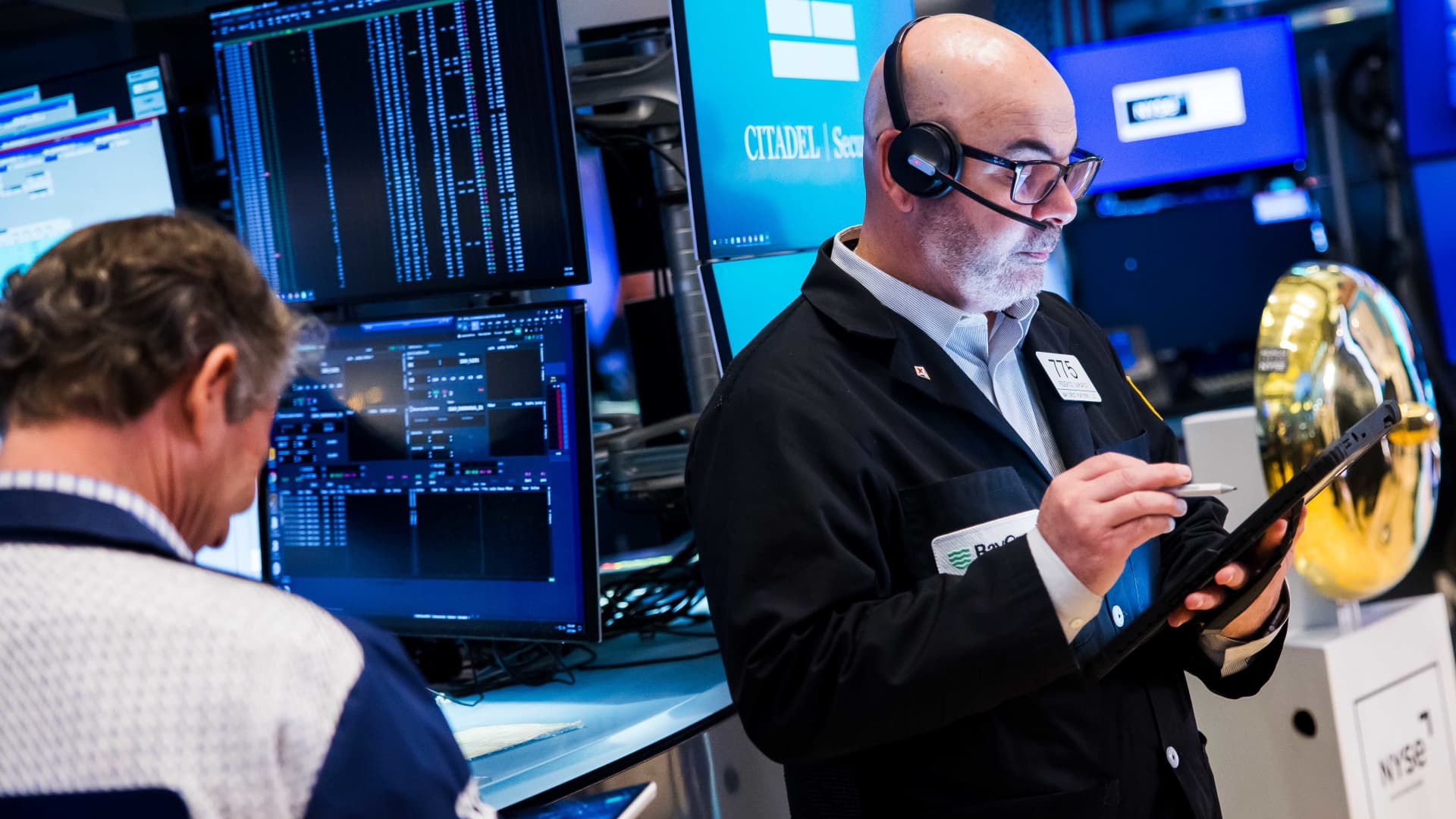
JPMorgan Updates Top Tech Stock Picks Amid Market Volatility

- New Tech Picks: JPMorgan added software companies JFrog and Palo Alto Networks to its top stock picks in April, indicating optimism for AI-related stocks, despite JFrog's 23% year-to-date decline, analysts believe it has significant AI growth potential.
- Market Rally: Following reports of a potential end to the Middle East conflict, all three major indexes posted gains on the last day of March, marking their best daily performance since May, even as oil prices fluctuated above $100 per barrel due to the war.
- Aramark's Return: JPMorgan reinstated food, uniform, and facilities provider Aramark to its top picks after the company provided a

Eli Lilly Receives FDA Approval for New Drug Foundayo

- New Drug Approval: Eli Lilly announced that its once-daily GLP-1 drug Foundayo has received FDA approval and is set to launch on April 6 via the LillyDirect online platform, addressing strong market demand for weight loss medications and further solidifying its position in the obesity treatment market.
- Positive Market Outlook: Analysts forecast Foundayo to generate approximately $1.55 billion in sales this year, with projections growing to about $14.8 billion by 2030, indicating the drug's significant potential in the future market and its capacity to reshape obesity treatment paradigms.
- Significant Competitive Advantage: Compared to rival Novo Nordisk's Wegovy, Foundayo offers greater flexibility in dosing and dietary restrictions, and has demonstrated superior efficacy in clinical studies for diabetes patients, which may attract a broader patient base to choose this medication.
- Accelerated Strategic Transformation: Eli Lilly built up a substantial stockpile of the drug ahead of FDA approval to ensure a swift market response, showcasing the company's foresight and execution in its new drug launch strategy, thereby enhancing its competitiveness in the biopharmaceutical industry.

Benchmark Initiates Buy Rating on Palo Alto Networks with $200 Target
- Rating Upgrade: Benchmark has initiated coverage on Palo Alto Networks (PANW) with a Buy rating and a price target of $200, reflecting strong confidence in its future growth, projecting Next Gen Security ARR to more than double from $8.57 billion in FY26 to $20 billion by FY2030.
- Growth Potential: Analyst Yi Fu Lee highlighted that Palo Alto's Next Gen Security ARR grew by 32.4% year-over-year to $6.33 billion, indicating robust performance in the cybersecurity sector, especially when benchmarked against modern high-growth peers.
- Market Resilience: Benchmark asserts that while AI and Quantum Security have yet to be factored into projections, Palo Alto's business model and growth potential provide investors with an additional margin of safety, showcasing its competitive edge in the cybersecurity landscape.
- Industry Stability: Analysts noted that large language model providers like Anthropic and OpenAI are unlikely to disrupt cybersecurity and critical infrastructure software, reinforcing Palo Alto's solid position against AI threats and enhancing its appeal as a core holding.
Palo Alto Networks CEO Purchases Shares, Stock Rises
- CEO Share Purchase: The CEO of Palo Alto Networks recently purchased shares, leading to a rise in stock price on the afternoon of March 29, 2026, indicating management's confidence in the company's future, which may attract more investor interest.
- Market Performance Comparison: Despite the CEO's stock purchase, the analyst team noted that Palo Alto Networks was not included in the current list of top investment stocks, reflecting differing market perceptions of its future growth potential, which could influence investor decisions.
- Return Rate Analysis: According to The Motley Fool, their Stock Advisor service boasts an average return rate of 914%, significantly outperforming the S&P 500's 184%, indicating that investors should carefully consider potential returns when selecting stocks.
- Industry Competitive Dynamics: Amid rapid advancements in AI technology, market interest in Palo Alto Networks is rising, particularly due to its critical technology needs linked to industry giants like Nvidia and Intel, potentially opening new growth opportunities for the company.
Palo Alto Networks CEO Buys Shares, Stock Rises
- Stock Price Surge: Shares of Palo Alto Networks rose following news of the CEO's stock purchase, indicating increased market confidence in the company's future and heightened investor trust in management.
- CEO Purchase: The CEO bought shares at afternoon prices on March 29, 2026, demonstrating a strong belief in the company's prospects, which may attract more investor attention to the firm.
- Market Reaction: This purchase triggered a positive market response, with the stock price increase reflecting investor confidence in corporate governance and management, potentially fostering further investment and shareholder support.
- Strategic Implications: The CEO's purchase not only acknowledges the company's value but may also signal upcoming aggressive growth strategies, further enhancing the company's competitive position in the market.
Lockheed Martin Hacked, Exposing Sensitive Data
- Cybersecurity Threats: Lockheed Martin was recently targeted in a hacking breach that may have exposed sensitive data, including information on the F-35 fighter jet, highlighting the critical importance of protecting classified weapons data amid increasingly sophisticated cybersecurity threats.
- Growing Market Demand: As artificial intelligence advances, cybersecurity is expected to remain a crucial budget item for companies worldwide, driving demand for cybersecurity firms, particularly those that excel in innovation.
- CrowdStrike's Market Leadership: CrowdStrike Holdings' Falcon platform leverages AI to analyze device activity and detect suspicious patterns, with its total addressable market projected to grow from $149 billion to $325 billion by 2030, indicating strong growth potential.
- Zscaler's Unique Positioning: Zscaler specializes in cloud-native zero-trust security, generating $3 billion in annual sales, and the zero-trust security market is expected to expand at a 16.5% annual growth rate to $84 billion, showcasing its robust growth prospects in the AI era.
JPMorgan Updates Top Tech Stock Picks Amid Market Volatility
- New Tech Picks: JPMorgan added software companies JFrog and Palo Alto Networks to its top stock picks in April, indicating optimism for AI-related stocks, despite JFrog's 23% year-to-date decline, analysts believe it has significant AI growth potential.
- Market Rally: Following reports of a potential end to the Middle East conflict, all three major indexes posted gains on the last day of March, marking their best daily performance since May, even as oil prices fluctuated above $100 per barrel due to the war.
- Aramark's Return: JPMorgan reinstated food, uniform, and facilities provider Aramark to its top picks after the company provided a
Eli Lilly Receives FDA Approval for New Drug Foundayo
- New Drug Approval: Eli Lilly announced that its once-daily GLP-1 drug Foundayo has received FDA approval and is set to launch on April 6 via the LillyDirect online platform, addressing strong market demand for weight loss medications and further solidifying its position in the obesity treatment market.
- Positive Market Outlook: Analysts forecast Foundayo to generate approximately $1.55 billion in sales this year, with projections growing to about $14.8 billion by 2030, indicating the drug's significant potential in the future market and its capacity to reshape obesity treatment paradigms.
- Significant Competitive Advantage: Compared to rival Novo Nordisk's Wegovy, Foundayo offers greater flexibility in dosing and dietary restrictions, and has demonstrated superior efficacy in clinical studies for diabetes patients, which may attract a broader patient base to choose this medication.
- Accelerated Strategic Transformation: Eli Lilly built up a substantial stockpile of the drug ahead of FDA approval to ensure a swift market response, showcasing the company's foresight and execution in its new drug launch strategy, thereby enhancing its competitiveness in the biopharmaceutical industry.
Benchmark Initiates Buy Rating on Palo Alto Networks with $200 Target
- Rating Upgrade: Benchmark has initiated coverage on Palo Alto Networks (PANW) with a Buy rating and a price target of $200, reflecting strong confidence in its future growth, projecting Next Gen Security ARR to more than double from $8.57 billion in FY26 to $20 billion by FY2030.
- Growth Potential: Analyst Yi Fu Lee highlighted that Palo Alto's Next Gen Security ARR grew by 32.4% year-over-year to $6.33 billion, indicating robust performance in the cybersecurity sector, especially when benchmarked against modern high-growth peers.
- Market Resilience: Benchmark asserts that while AI and Quantum Security have yet to be factored into projections, Palo Alto's business model and growth potential provide investors with an additional margin of safety, showcasing its competitive edge in the cybersecurity landscape.
- Industry Stability: Analysts noted that large language model providers like Anthropic and OpenAI are unlikely to disrupt cybersecurity and critical infrastructure software, reinforcing Palo Alto's solid position against AI threats and enhancing its appeal as a core holding.