Palo Alto Networks announces partner program upgrade amid market decline

Palo Alto Networks Inc (PANW) has hit a 20-day low, reflecting a broader market downturn with the Nasdaq-100 down 1.08% and the S&P 500 down 1.02%.
Despite the market weakness, Palo Alto Networks announced the next generation of its NextWave Partner Program, which aims to reshape partner profitability by focusing on platform-centric security outcomes. This strategic move is designed to enhance partners' competitiveness in the AI-driven security landscape, allowing for better integration of security solutions across various platforms. The program is expected to foster deeper collaboration and innovation between partners and customers, ensuring a unified defense against evolving cyber threats.
The implications of this announcement are significant as it positions Palo Alto Networks to strengthen its market presence despite current challenges. The focus on platformization and partner profitability could lead to increased market share and customer loyalty, which are crucial in the competitive cybersecurity sector.
Trade with 70% Backtested Accuracy
Analyst Views on PANW

About PANW
About the author

Mixed Close for US Stocks as Nasdaq Hits 7.75-Month Low Amid Middle East Tensions


- Divergent Market Performance: On Monday, the S&P 500 index fell by 0.39%, while the Nasdaq 100 hit a 7.75-month low, indicating market concerns over the Middle East situation, particularly exacerbated by a sell-off in chip stocks, which negatively impacted investor confidence.
- Declining Bond Yields: The 10-year T-note yield dropped by 8 basis points to 4.34%, reflecting market fears that the ongoing war in the Middle East could lead to fuel shortages, potentially suppressing expectations for Fed rate hikes and highlighting economic growth uncertainties.
- Rising Crude Oil Prices: Crude oil prices surged over 3% to a three-week high due to Iranian attacks on the Strait of Hormuz, indicating severe threats to global energy supply chains, which could lead to soaring prices in the future and impact the global economy.
- Weak Manufacturing Activity: The Dallas Fed manufacturing activity survey fell to -0.2, below the expected 2.0, reflecting signs of economic slowdown that could influence corporate investment decisions and future economic growth.

High-Quality Stocks Should Not Be Dumped

- Market Sentiment Analysis: Jim Cramer cautions that fear-driven market sentiment is causing investors to dump high-quality stocks, despite their strong fundamentals, indicating an overreaction to short-term volatility.
- Tech Stock Performance: While the S&P 500 and Nasdaq fell by 0.39% and 0.73% respectively, the Dow Jones Industrial Average eked out a 0.11% gain, highlighting a disconnect between tech stocks and overall market performance, particularly in cybersecurity.
- Cybersecurity Outlook: Cramer emphasizes that the rise of artificial intelligence is actually a tailwind for Palo Alto Networks and CrowdStrike, as the increased risk of AI-enabled attacks underscores the necessity of traditional cybersecurity measures.
- CEO Confidence Indicator: The recent $10 million stock purchase by Palo Alto CEO Nikesh Arora suggests strong confidence in the company's future, countering claims that AI poses an existential threat to its business model.
S&P 500 Falls for Third Day; Bond Market Dynamics in Focus

- Bond Yield Movements: The 10-year Treasury yield stands at 4.35%, while the 2-year yield is at 3.838%, indicating investor expectations for a potential rate cut, which could impact stock market performance and trigger shifts in capital flows.
- Oil Price Surge: Amid concerns that the Houthi group in Yemen may attack Israel, both West Texas Intermediate and Brent crude oil futures have risen, reflecting market sensitivity to geopolitical risks that could lead to volatility in energy stocks.
- Palo Alto Networks Stock Fluctuation: The company's shares rose about 5% on Monday, yet they are down 31% from the October peak, highlighting the volatility in market demand for cybersecurity and its potential impact on future performance.
- McCormick Earnings Outlook: The company's stock has fallen 21.6% in the past three months and is down 35% from last March's high, reflecting cautious market sentiment regarding its future performance, which may affect investor confidence.

BeyondTrust CTO Discusses Identity Security and AI Integration

- Importance of Identity Security: At the 2026 RSA Conference, BeyondTrust CTO Marc Maiffret emphasized the critical role of identity security in modern cybersecurity, noting that as cyberattacks increase, businesses must prioritize identity management to protect sensitive data.
- Integration of AI and Machine Learning: Maiffret discussed how the BeyondTrust Pathfinder platform integrates AI and machine learning technologies to enhance security through intelligent identity and access management, effectively reducing potential security threats.
- Technological Breakthrough Outlook: He also mentioned an upcoming significant technological breakthrough in cybersecurity that could transform the identity security landscape, helping businesses better navigate complex cyber environments and evolving attack vectors.
- Industry Leadership: BeyondTrust, as a global leader in identity security, serves 20,000 customers, including 75 of the Fortune 100, showcasing its strong capabilities in managing the identity attack surface and neutralizing threats, further solidifying its market position.

US Stock Market Declines Amid Rising Oil Prices

- Oil Price Surge Impacts Markets: The S&P 500 Index fell by 0.75%, the Dow Jones Industrial Average by 0.21%, and the Nasdaq 100 by 1.18% as the market reacts to the first oil settlement exceeding $100 since 2022, highlighting concerns over rising energy costs amid ongoing supply chain risks.
- Uncertain Fed Policy Outlook: Federal Reserve Chair Jerome Powell noted that while the central bank is monitoring the surge in energy prices, its tools to address supply-side shocks are limited, with markets pricing in only a 3% chance of a 25 bp rate hike at the April meeting, indicating investor uncertainty about future monetary policy.
- Escalating Middle East Tensions: US and Israeli forces continue military operations in Iran, with the Pentagon preparing for weeks of ground operations as approximately 3,500 sailors and Marines arrive in the region, potentially exacerbating global energy supply issues.
- Positive Bond Market Reaction: The 10-year Treasury yield fell to 4.330% as speculation grows that the ongoing conflict in the Middle East may lead to fuel shortages, offsetting inflation fears and supporting Treasury prices amid declining inflation expectations.
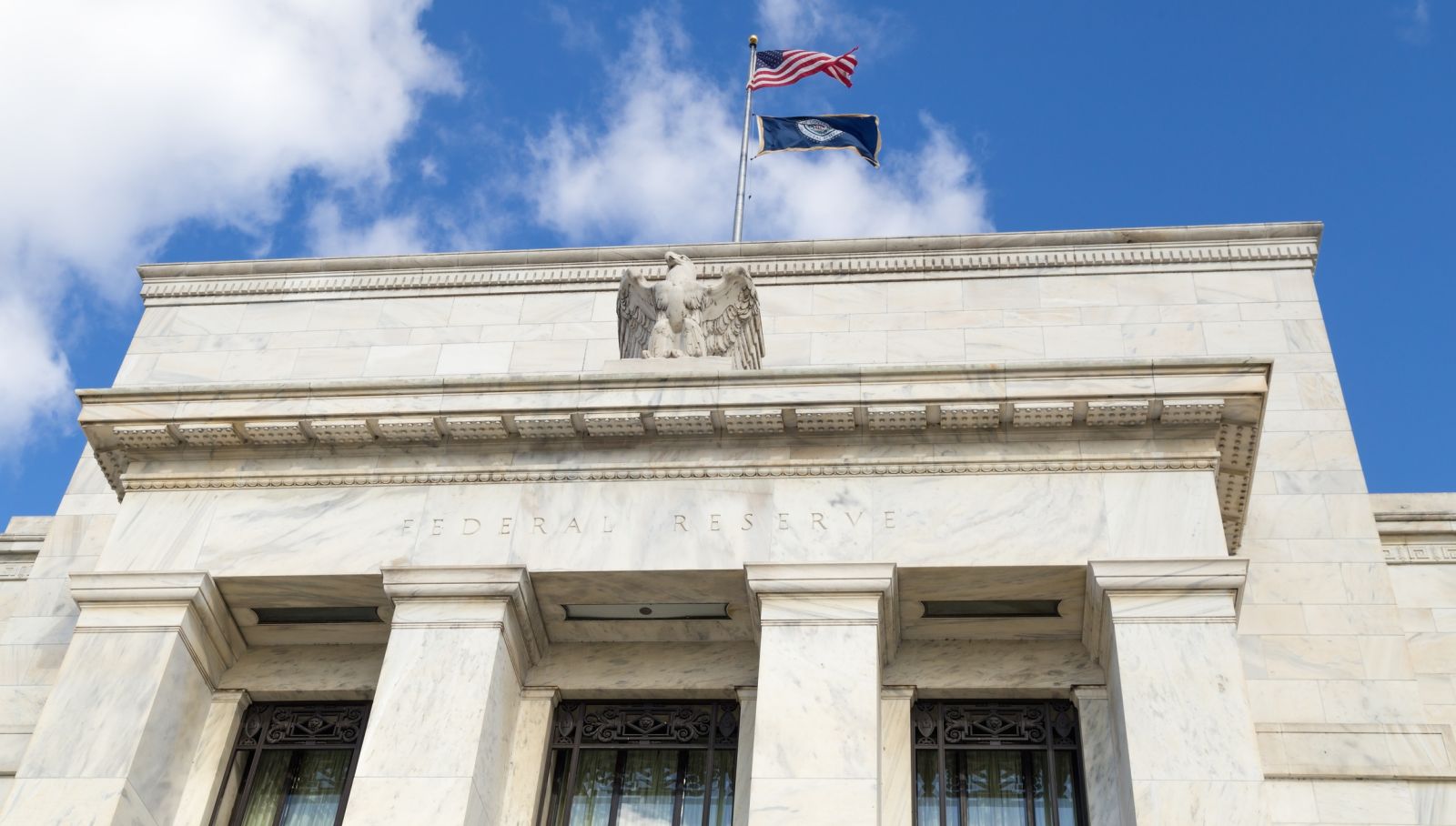
Mixed U.S. Stock Indices Amid Rising Oil Prices
- Mixed Stock Performance: The S&P 500 Index fell by 0.29%, while the Dow Jones Industrial Average rose by 0.26%, and the Nasdaq 100 Index decreased by 0.67%, indicating a complex market reaction to Federal Reserve policies and international tensions.
- Rising Oil Prices: Crude oil prices surged over 2% to a three-week high due to disruptions in oil and gas flows through the Strait of Hormuz caused by the Iran conflict, which could negatively impact global economic growth.
- Weak Manufacturing Activity: The Dallas Fed manufacturing activity index dropped from -0.4 to -0.2, falling short of the expected increase to 2.0, suggesting challenges in economic recovery that may influence future policy decisions.
- Escalating International Tensions: U.S. and Israeli military actions against Iran have intensified, with 3,500 sailors and Marines deployed to the Middle East, potentially leading to further volatility in energy markets and impacting global supply chains.
Mixed Close for US Stocks as Nasdaq Hits 7.75-Month Low Amid Middle East Tensions
- Divergent Market Performance: On Monday, the S&P 500 index fell by 0.39%, while the Nasdaq 100 hit a 7.75-month low, indicating market concerns over the Middle East situation, particularly exacerbated by a sell-off in chip stocks, which negatively impacted investor confidence.
- Declining Bond Yields: The 10-year T-note yield dropped by 8 basis points to 4.34%, reflecting market fears that the ongoing war in the Middle East could lead to fuel shortages, potentially suppressing expectations for Fed rate hikes and highlighting economic growth uncertainties.
- Rising Crude Oil Prices: Crude oil prices surged over 3% to a three-week high due to Iranian attacks on the Strait of Hormuz, indicating severe threats to global energy supply chains, which could lead to soaring prices in the future and impact the global economy.
- Weak Manufacturing Activity: The Dallas Fed manufacturing activity survey fell to -0.2, below the expected 2.0, reflecting signs of economic slowdown that could influence corporate investment decisions and future economic growth.
High-Quality Stocks Should Not Be Dumped
- Market Sentiment Analysis: Jim Cramer cautions that fear-driven market sentiment is causing investors to dump high-quality stocks, despite their strong fundamentals, indicating an overreaction to short-term volatility.
- Tech Stock Performance: While the S&P 500 and Nasdaq fell by 0.39% and 0.73% respectively, the Dow Jones Industrial Average eked out a 0.11% gain, highlighting a disconnect between tech stocks and overall market performance, particularly in cybersecurity.
- Cybersecurity Outlook: Cramer emphasizes that the rise of artificial intelligence is actually a tailwind for Palo Alto Networks and CrowdStrike, as the increased risk of AI-enabled attacks underscores the necessity of traditional cybersecurity measures.
- CEO Confidence Indicator: The recent $10 million stock purchase by Palo Alto CEO Nikesh Arora suggests strong confidence in the company's future, countering claims that AI poses an existential threat to its business model.
S&P 500 Falls for Third Day; Bond Market Dynamics in Focus
- Bond Yield Movements: The 10-year Treasury yield stands at 4.35%, while the 2-year yield is at 3.838%, indicating investor expectations for a potential rate cut, which could impact stock market performance and trigger shifts in capital flows.
- Oil Price Surge: Amid concerns that the Houthi group in Yemen may attack Israel, both West Texas Intermediate and Brent crude oil futures have risen, reflecting market sensitivity to geopolitical risks that could lead to volatility in energy stocks.
- Palo Alto Networks Stock Fluctuation: The company's shares rose about 5% on Monday, yet they are down 31% from the October peak, highlighting the volatility in market demand for cybersecurity and its potential impact on future performance.
- McCormick Earnings Outlook: The company's stock has fallen 21.6% in the past three months and is down 35% from last March's high, reflecting cautious market sentiment regarding its future performance, which may affect investor confidence.
BeyondTrust CTO Discusses Identity Security and AI Integration
- Importance of Identity Security: At the 2026 RSA Conference, BeyondTrust CTO Marc Maiffret emphasized the critical role of identity security in modern cybersecurity, noting that as cyberattacks increase, businesses must prioritize identity management to protect sensitive data.
- Integration of AI and Machine Learning: Maiffret discussed how the BeyondTrust Pathfinder platform integrates AI and machine learning technologies to enhance security through intelligent identity and access management, effectively reducing potential security threats.
- Technological Breakthrough Outlook: He also mentioned an upcoming significant technological breakthrough in cybersecurity that could transform the identity security landscape, helping businesses better navigate complex cyber environments and evolving attack vectors.
- Industry Leadership: BeyondTrust, as a global leader in identity security, serves 20,000 customers, including 75 of the Fortune 100, showcasing its strong capabilities in managing the identity attack surface and neutralizing threats, further solidifying its market position.
US Stock Market Declines Amid Rising Oil Prices
- Oil Price Surge Impacts Markets: The S&P 500 Index fell by 0.75%, the Dow Jones Industrial Average by 0.21%, and the Nasdaq 100 by 1.18% as the market reacts to the first oil settlement exceeding $100 since 2022, highlighting concerns over rising energy costs amid ongoing supply chain risks.
- Uncertain Fed Policy Outlook: Federal Reserve Chair Jerome Powell noted that while the central bank is monitoring the surge in energy prices, its tools to address supply-side shocks are limited, with markets pricing in only a 3% chance of a 25 bp rate hike at the April meeting, indicating investor uncertainty about future monetary policy.
- Escalating Middle East Tensions: US and Israeli forces continue military operations in Iran, with the Pentagon preparing for weeks of ground operations as approximately 3,500 sailors and Marines arrive in the region, potentially exacerbating global energy supply issues.
- Positive Bond Market Reaction: The 10-year Treasury yield fell to 4.330% as speculation grows that the ongoing conflict in the Middle East may lead to fuel shortages, offsetting inflation fears and supporting Treasury prices amid declining inflation expectations.
Mixed U.S. Stock Indices Amid Rising Oil Prices
- Mixed Stock Performance: The S&P 500 Index fell by 0.29%, while the Dow Jones Industrial Average rose by 0.26%, and the Nasdaq 100 Index decreased by 0.67%, indicating a complex market reaction to Federal Reserve policies and international tensions.
- Rising Oil Prices: Crude oil prices surged over 2% to a three-week high due to disruptions in oil and gas flows through the Strait of Hormuz caused by the Iran conflict, which could negatively impact global economic growth.
- Weak Manufacturing Activity: The Dallas Fed manufacturing activity index dropped from -0.4 to -0.2, falling short of the expected increase to 2.0, suggesting challenges in economic recovery that may influence future policy decisions.
- Escalating International Tensions: U.S. and Israeli military actions against Iran have intensified, with 3,500 sailors and Marines deployed to the Middle East, potentially leading to further volatility in energy markets and impacting global supply chains.