Oklo Secures Key Government Approvals, Yet Stock Plummets

Oklo Inc. saw its stock rise by 5.60% as it crossed above the 5-day SMA, reflecting initial investor optimism.
Despite receiving significant regulatory approvals, including a Nuclear Safety Design Agreement from the U.S. Department of Energy for its Groves Isotopes Test Reactor and its first materials license from the U.S. Nuclear Regulatory Commission, Oklo's stock plummeted by 20%. This decline is primarily attributed to investor caution regarding the need for commercial operation approval for the Aurora Powerhouse project, overshadowing the positive regulatory news.
The implications of these developments suggest that while Oklo is making strides in regulatory compliance, the market remains skeptical about its ability to transition from regulatory approvals to commercial operations, which is crucial for its long-term success.
Trade with 70% Backtested Accuracy
Analyst Views on OKLO

About OKLO
About the author


Oklo Secures Key Government Approvals for Nuclear Projects
- Regulatory Approval Progress: On March 17, Oklo received approval from the U.S. Department of Energy (DoE) for its subsidiary Atomic Alchemy's Groves Isotopes Test Reactor in Texas, marking significant progress in its nuclear initiatives, yet the stock plummeted by 20% following the announcement.
- Materials License Granted: Oklo secured its first-ever materials license from the U.S. Nuclear Regulatory Commission (NRC), allowing Atomic Alchemy to receive, store, and use isotopes like Radium-266 and Cobalt-60, which lays a foundation for future commercial operations despite failing to boost stock prices significantly.
- Aurora Powerhouse Project Approval: The Idaho Aurora Powerhouse project received NSDA approval from the DoE, locking in the safety and regulatory framework, with the next step being a Preliminary Documented Safety Analysis, although market sentiment remains cautious regarding its commercialization prospects.
- Importance of NRC Approval: Despite multiple DoE approvals, Oklo's business model hinges on obtaining NRC approval for commercial operation, which means that while current approvals are crucial, they have not significantly restored investor confidence, with shares trading below $50.

NuScale Power's Prospects in Small Modular Reactor Market
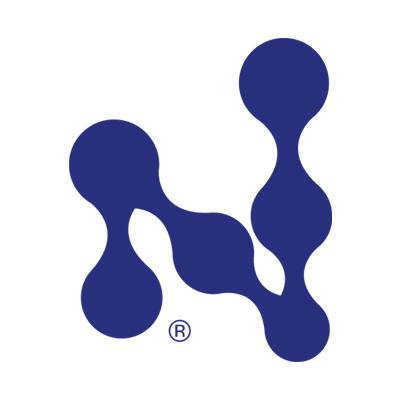
- Market Decline: NuScale Power's stock has plummeted over 75% in the last six months, with its price now below $10 and market cap around $3 billion, indicating a significant loss of investor confidence despite the company's potentially disruptive technology.
- Innovation Potential: As the first small modular reactor company approved by the Nuclear Regulatory Commission, NuScale's designs aim to reduce construction costs and footprint compared to traditional plants, which could facilitate a resurgence of nuclear energy deployment in the U.S., although high upfront costs remain a barrier.
- Project Collaboration Progress: NuScale has inked agreements with the Romanian government and the Tennessee Valley Authority to deploy its technology, with final approvals pending, suggesting the company is seeking to expand into international markets and potentially laying the groundwork for future growth.
- Policy Environment Impact: With a nuclear-friendly administration in the U.S., NuScale's shares could rebound, although significant risks persist, prompting investors to carefully evaluate opportunities in the small modular reactor sector.

The Rise of Small Modular Reactors
- Market Volatility: NuScale Power's stock has plummeted over 75% in the past six months, dropping from a peak of over $50/share to below $10/share, resulting in a market cap decline from nearly $9 billion to just under $3 billion, reflecting waning investor confidence in nuclear stocks.
- Technological Progress: Despite challenges, NuScale has signed agreements with the Romanian government and the Tennessee Valley Authority to deploy its small modular reactor technology, although final approvals are still pending, indicating potential market opportunities in the nuclear sector.
- Industry Outlook: The rise of small modular reactors (SMRs) brings new hope to the nuclear industry, particularly with a nuclear-friendly administration in the U.S., suggesting that NuScale's stock could attract renewed investor interest, especially among risk-tolerant investors.
- Financial Metrics: NuScale's market capitalization stands at $3.1 billion with a gross margin of 33.84%, and while its stock remains highly volatile, its potential in the nuclear market continues to appeal to investors seeking high-risk, high-reward opportunities.
AI Revolution Transforming Energy and Transportation Sectors

- Rivian's Market Potential: Rivian (RIVN) has a market cap of $18 billion, with shares trading at just 3.2 times sales, making it attractive compared to Tesla's 13 times, especially as heavy investments in AI technology are expected to drive future growth.
- AI Investment and Profit Outlook: Although Rivian does not expect to achieve EBITDA positivity in the next year, its increased R&D spending on self-driving technology indicates a strong commitment to AI, which will impact its long-term profitability.
- Oklo's Energy Solution: Oklo (OKLO), valued at $8.1 billion, focuses on small modular reactors (SMRs) to meet the massive energy demands of data centers, with its first plant expected to come online by late 2027, positioning it as a key player in AI infrastructure development.
- Energy Demand from Data Centers: As global data center infrastructure expands, Oklo's technology could play a crucial role in capital expenditures for AI infrastructure, especially given the current grid's inability to meet energy needs, highlighting its market potential.

Oklo Secures Key Government Approvals, Yet Stock Plummets
- Regulatory Progress: On March 17, Oklo received a Nuclear Safety Design Agreement from the U.S. Department of Energy for its Groves Isotopes Test Reactor in Texas, which is expected to create a reliable domestic supply of nuclear isotopes for various industries, thereby enhancing the company's market competitiveness.
- First NRC License: Oklo secured its first materials license from the U.S. Nuclear Regulatory Commission, allowing it to use and store isotopes such as Radium-266, Cobalt-60, and Americium-241, laying a foundation for business expansion despite the market's tepid response.
- Flagship Project Approval: The Idaho Aurora Powerhouse project received NSDA approval from the DOE, locking in the safety and regulatory framework, with the next step being a Preliminary Documented Safety Analysis that will facilitate final design and construction, indicating progress toward operational readiness.
- Market Reaction Analysis: Despite these significant regulatory approvals, Oklo's stock has dropped 20%, primarily due to market focus on the need for commercial operation approval for the Aurora Powerhouse, reflecting investor caution regarding the company's future prospects.
Oklo Inc. Stock Volatility and Market Commentary
- Stock Performance: Oklo Inc. (NYSE:OKLO) has seen its shares rise by 119% over the past year, yet it has declined by 38% year-to-date, indicating market concerns about its future development.
- Analyst Ratings: William Blair maintained an Outperform rating for Oklo on March 18, while Needham lowered its price target from $135 to $73, yet kept a Buy rating, reflecting a divergence in market outlook.
- Deployment Plans: Oklo projects a deployment of 3 gigawatts of nuclear energy by 2035; however, Cramer noted that the company is still in a “science project” phase, suggesting challenges in its commercialization process.
- Market Competition: Cramer advised investors to focus on GE Vernova, believing it has a more realistic timeline for nuclear equipment provision, emphasizing the higher investment risks associated with Oklo, which may lack short-term profitability.
Oklo Secures Key Government Approvals for Nuclear Projects
- Regulatory Approval Progress: On March 17, Oklo received approval from the U.S. Department of Energy (DoE) for its subsidiary Atomic Alchemy's Groves Isotopes Test Reactor in Texas, marking significant progress in its nuclear initiatives, yet the stock plummeted by 20% following the announcement.
- Materials License Granted: Oklo secured its first-ever materials license from the U.S. Nuclear Regulatory Commission (NRC), allowing Atomic Alchemy to receive, store, and use isotopes like Radium-266 and Cobalt-60, which lays a foundation for future commercial operations despite failing to boost stock prices significantly.
- Aurora Powerhouse Project Approval: The Idaho Aurora Powerhouse project received NSDA approval from the DoE, locking in the safety and regulatory framework, with the next step being a Preliminary Documented Safety Analysis, although market sentiment remains cautious regarding its commercialization prospects.
- Importance of NRC Approval: Despite multiple DoE approvals, Oklo's business model hinges on obtaining NRC approval for commercial operation, which means that while current approvals are crucial, they have not significantly restored investor confidence, with shares trading below $50.
NuScale Power's Prospects in Small Modular Reactor Market
- Market Decline: NuScale Power's stock has plummeted over 75% in the last six months, with its price now below $10 and market cap around $3 billion, indicating a significant loss of investor confidence despite the company's potentially disruptive technology.
- Innovation Potential: As the first small modular reactor company approved by the Nuclear Regulatory Commission, NuScale's designs aim to reduce construction costs and footprint compared to traditional plants, which could facilitate a resurgence of nuclear energy deployment in the U.S., although high upfront costs remain a barrier.
- Project Collaboration Progress: NuScale has inked agreements with the Romanian government and the Tennessee Valley Authority to deploy its technology, with final approvals pending, suggesting the company is seeking to expand into international markets and potentially laying the groundwork for future growth.
- Policy Environment Impact: With a nuclear-friendly administration in the U.S., NuScale's shares could rebound, although significant risks persist, prompting investors to carefully evaluate opportunities in the small modular reactor sector.
The Rise of Small Modular Reactors
- Market Volatility: NuScale Power's stock has plummeted over 75% in the past six months, dropping from a peak of over $50/share to below $10/share, resulting in a market cap decline from nearly $9 billion to just under $3 billion, reflecting waning investor confidence in nuclear stocks.
- Technological Progress: Despite challenges, NuScale has signed agreements with the Romanian government and the Tennessee Valley Authority to deploy its small modular reactor technology, although final approvals are still pending, indicating potential market opportunities in the nuclear sector.
- Industry Outlook: The rise of small modular reactors (SMRs) brings new hope to the nuclear industry, particularly with a nuclear-friendly administration in the U.S., suggesting that NuScale's stock could attract renewed investor interest, especially among risk-tolerant investors.
- Financial Metrics: NuScale's market capitalization stands at $3.1 billion with a gross margin of 33.84%, and while its stock remains highly volatile, its potential in the nuclear market continues to appeal to investors seeking high-risk, high-reward opportunities.
AI Revolution Transforming Energy and Transportation Sectors
- Rivian's Market Potential: Rivian (RIVN) has a market cap of $18 billion, with shares trading at just 3.2 times sales, making it attractive compared to Tesla's 13 times, especially as heavy investments in AI technology are expected to drive future growth.
- AI Investment and Profit Outlook: Although Rivian does not expect to achieve EBITDA positivity in the next year, its increased R&D spending on self-driving technology indicates a strong commitment to AI, which will impact its long-term profitability.
- Oklo's Energy Solution: Oklo (OKLO), valued at $8.1 billion, focuses on small modular reactors (SMRs) to meet the massive energy demands of data centers, with its first plant expected to come online by late 2027, positioning it as a key player in AI infrastructure development.
- Energy Demand from Data Centers: As global data center infrastructure expands, Oklo's technology could play a crucial role in capital expenditures for AI infrastructure, especially given the current grid's inability to meet energy needs, highlighting its market potential.
Oklo Secures Key Government Approvals, Yet Stock Plummets
- Regulatory Progress: On March 17, Oklo received a Nuclear Safety Design Agreement from the U.S. Department of Energy for its Groves Isotopes Test Reactor in Texas, which is expected to create a reliable domestic supply of nuclear isotopes for various industries, thereby enhancing the company's market competitiveness.
- First NRC License: Oklo secured its first materials license from the U.S. Nuclear Regulatory Commission, allowing it to use and store isotopes such as Radium-266, Cobalt-60, and Americium-241, laying a foundation for business expansion despite the market's tepid response.
- Flagship Project Approval: The Idaho Aurora Powerhouse project received NSDA approval from the DOE, locking in the safety and regulatory framework, with the next step being a Preliminary Documented Safety Analysis that will facilitate final design and construction, indicating progress toward operational readiness.
- Market Reaction Analysis: Despite these significant regulatory approvals, Oklo's stock has dropped 20%, primarily due to market focus on the need for commercial operation approval for the Aurora Powerhouse, reflecting investor caution regarding the company's future prospects.
Oklo Inc. Stock Volatility and Market Commentary
- Stock Performance: Oklo Inc. (NYSE:OKLO) has seen its shares rise by 119% over the past year, yet it has declined by 38% year-to-date, indicating market concerns about its future development.
- Analyst Ratings: William Blair maintained an Outperform rating for Oklo on March 18, while Needham lowered its price target from $135 to $73, yet kept a Buy rating, reflecting a divergence in market outlook.
- Deployment Plans: Oklo projects a deployment of 3 gigawatts of nuclear energy by 2035; however, Cramer noted that the company is still in a “science project” phase, suggesting challenges in its commercialization process.
- Market Competition: Cramer advised investors to focus on GE Vernova, believing it has a more realistic timeline for nuclear equipment provision, emphasizing the higher investment risks associated with Oklo, which may lack short-term profitability.