Novo Nordisk's CagriSema Trial Results Show Competitive Edge
Novo Nordisk's stock fell 5.14% as it hit a 20-day low amid broader market weakness, with the Nasdaq-100 down 1.32% and the S&P 500 down 0.67%.
The recent trial results for Novo Nordisk's CagriSema indicate a significant weight loss of 14.2% over 68 weeks, outperforming its competitor Wegovy, which achieved 10.2%. This positions CagriSema favorably in the obesity treatment market, especially as the company prepares for potential FDA approval, which could enhance its competitive stance against rivals like Eli Lilly, who are also advancing their obesity drug portfolios.
The implications of these results could be substantial for Novo Nordisk, as CagriSema's efficacy in weight management and diabetes control may attract more patients, potentially leading to increased market share and revenue growth if the FDA approves the drug.
Trade with 70% Backtested Accuracy
Analyst Views on NVO

About NVO
About the author

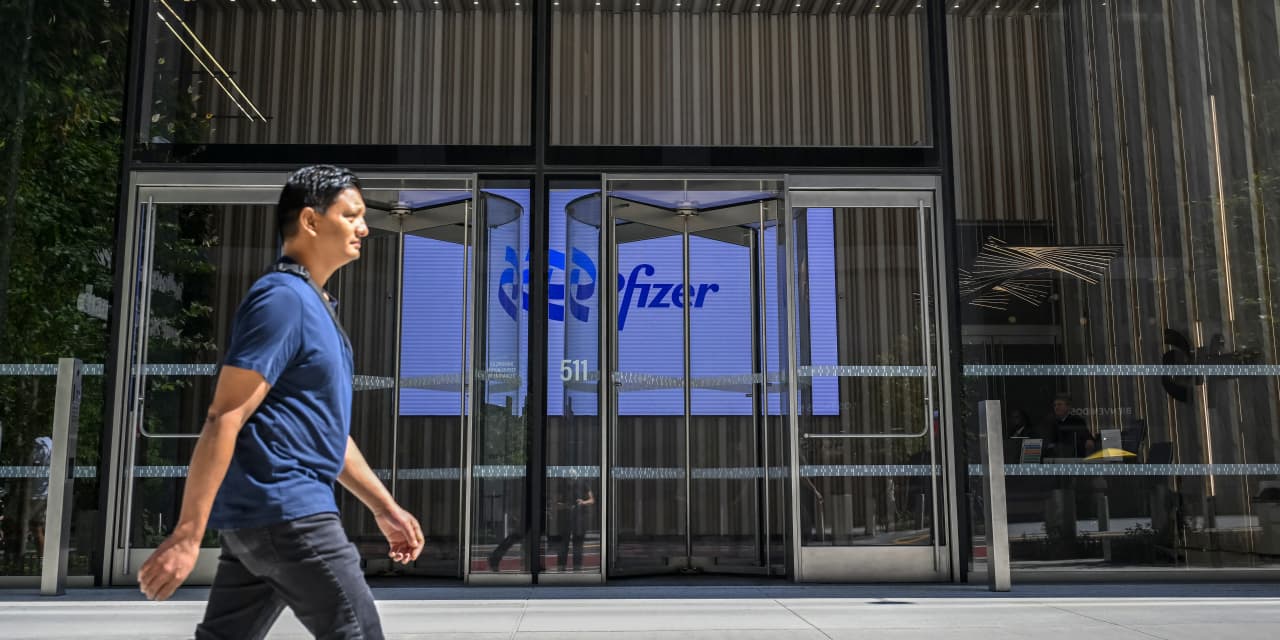
Pharma Stocks Pfizer and GSK Provide Safe Investment Options Amid Market Uncertainty: Charts


Pharmaceutical Stocks in Focus: Investors are increasingly interested in pharmaceutical stocks as a stable investment option amid market uncertainty.
Market Volatility Impact: The sector is gaining attention due to its steady demand and resilient earnings, which are less affected by economic fluctuations.
Stock Futures Rise Amid Oil Price Surge and Market Recovery

- Oil Price Surge: Crude oil prices skyrocketed by 55% in March following Trump's threat to seize Iranian oil, marking the largest monthly gain ever, which pressures the U.S. economy and forces companies to adjust pricing strategies to cope with rising costs.
- Market Recovery Signal: Despite the S&P 500 and Nasdaq Composite experiencing their worst week of 2026, stock futures rose after Trump indicated “great progress” in negotiations with Iran, reflecting investor optimism about market recovery.
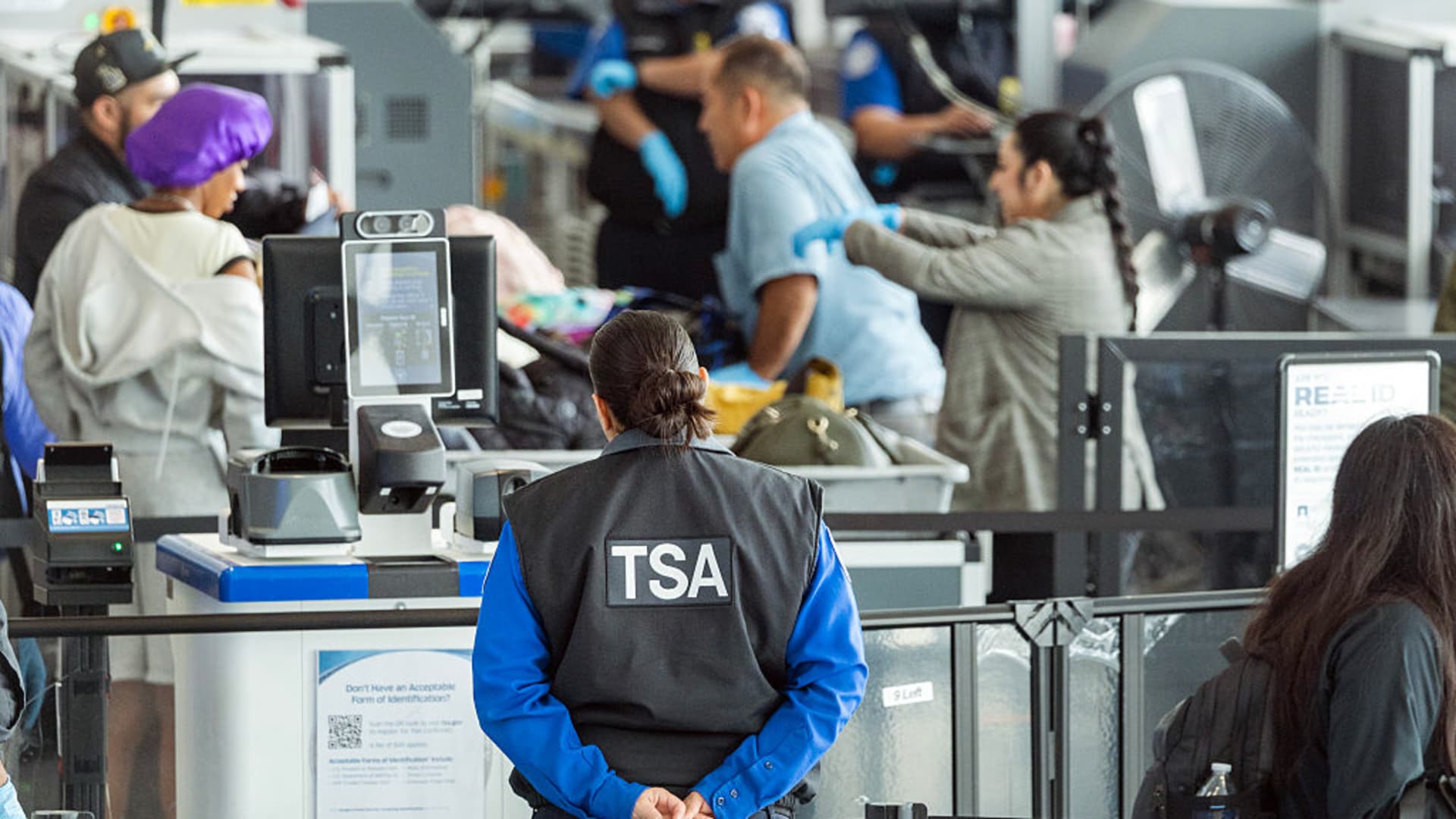
- TSA Employee Pay Restoration: Trump signed an executive order ensuring Transportation Security Administration employees will receive pay after Congress failed to reach a deal to end the government shutdown, alleviating traveler frustrations caused by long security wait times.
- AI Drug Development Partnership: Eli Lilly struck a $2.75 billion deal with Insilico Medicine to bring AI-developed drugs to market, enhancing Lilly's market confidence and potentially accelerating the application of AI in the pharmaceutical industry.
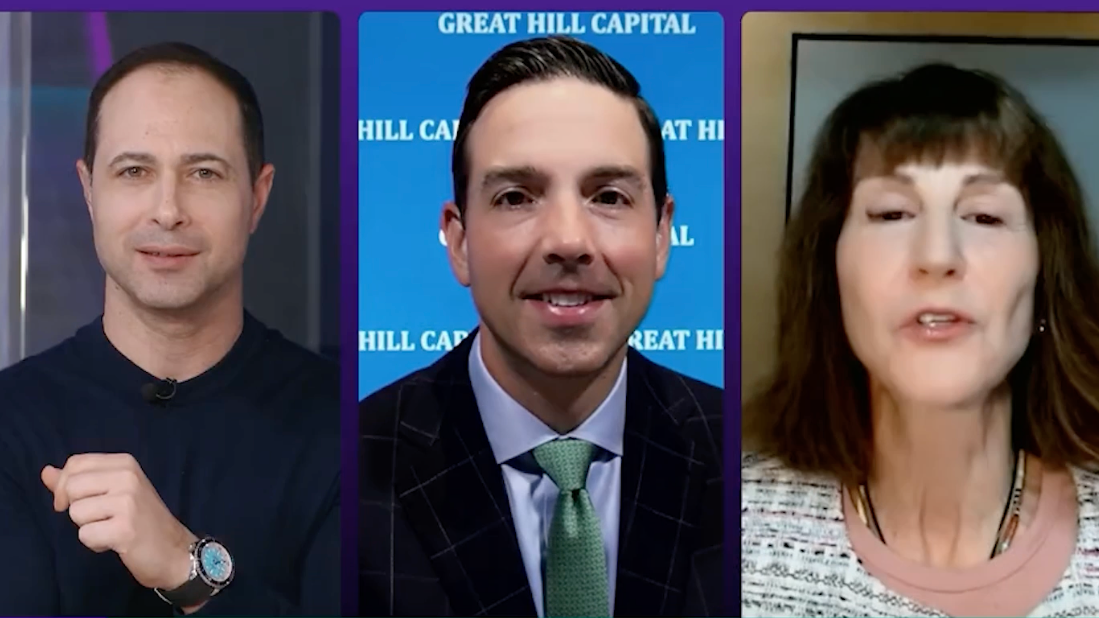
Market Strategist Focuses on Energy and Food Prices
- Oil Price Watch: Market strategist Michele Schneider emphasizes that WTI crude oil prices must break above $100 per barrel to drive higher prices, as current levels have repeatedly failed to surpass this critical threshold, indicating market caution.
- Natural Gas Investment Opportunity: She believes that the recent fluctuation of natural gas prices around $280 to $290, now rising above $3, presents a good buying opportunity for investors, although she does not elaborate on the reasons.
- Rising Food Prices: Schneider notes that the increase in food and fertilizer prices is closely tied to energy prices, particularly as the DBA index shows a significant breakout in soft and agricultural commodities, suggesting potential inflationary pressures in the market.
- Stock Investment Opportunities: She highlights Novo Nordisk's recent FDA approval for insulin and Ulta Beauty's stock price drop from $700 to near $500, suggesting that these stocks may still represent good investment choices even in a recessionary environment.
Pfizer's Strategic Shift in GLP-1 Drug Development


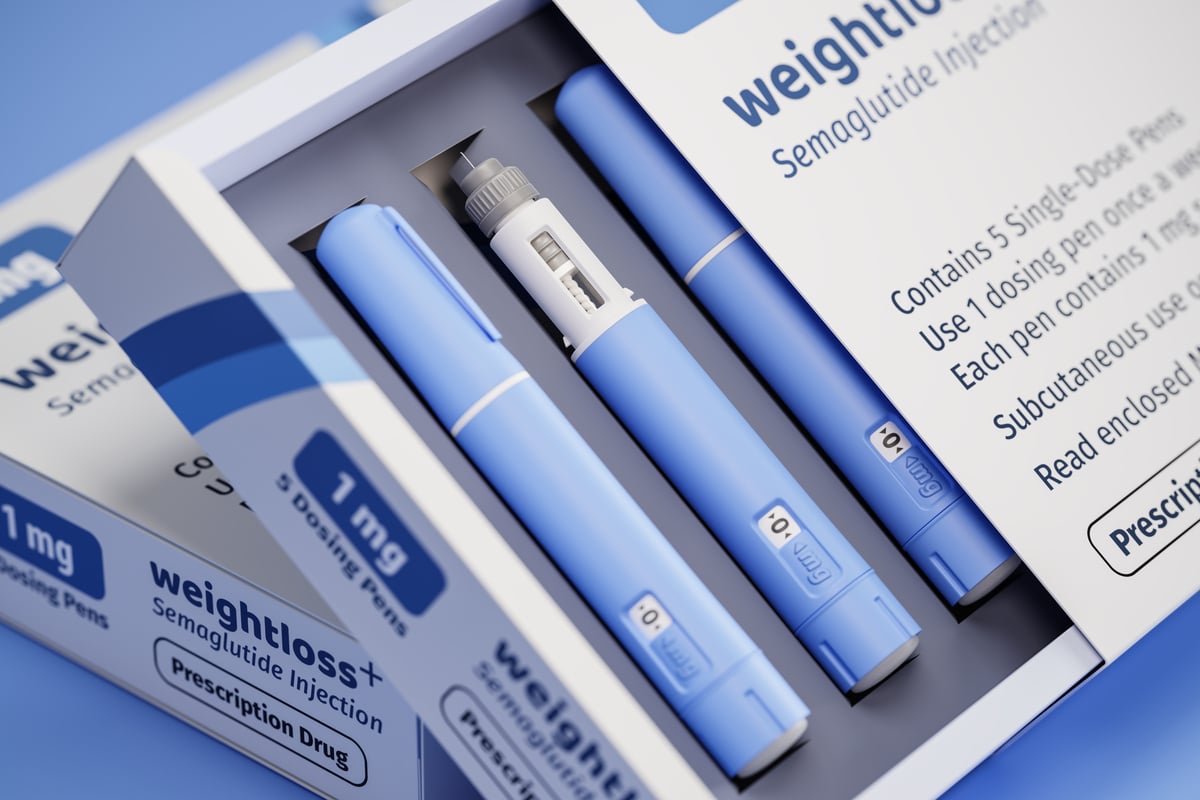
- Drug Development Setback: Pfizer was forced to abandon its internally developed GLP-1 weight loss drug in April 2025, which significantly hampered its competitive position in the emerging drug niche, especially as competitors like Novo Nordisk and Eli Lilly reported revenue growth of 99% and 175% for their GLP-1 drugs, respectively.
- Rapid Strategic Shift: Less than a year after dropping its own drug, Pfizer quickly pivoted by acquiring a company with a promising GLP-1 candidate in November 2025, demonstrating its agility in the GLP-1 market despite looming patent expirations.
- Stable Market Position: Despite a 50% decline in value from its 2021 highs, Pfizer maintains a market capitalization of $150 billion, showcasing its resilience as an industry giant capable of navigating the typical fluctuations of the pharmaceutical sector.
- Long-Term Investment Potential: With a dividend yield of 6.2% and a payout ratio exceeding 100%, Pfizer's management has committed to maintaining its dividend, making it a potential consideration for long-term investors seeking stable returns from this industry leader.

Viking Therapeutics: A Dark Horse in the GLP-1 Market
- Market Potential: The GLP-1 weight loss market is projected to reach annual sales of $100 billion by the next decade, presenting a significant growth opportunity for Viking Therapeutics and its VK2735 candidate, especially with the potential launch of an oral version.
- Clinical Trial Progress: The injectable version of VK2735 is currently in phase 3 clinical trials, while the oral version completed phase 2 trials last year with highly promising initial results, laying a solid foundation for future commercialization.
- Acquisition Potential: Should VK2735 achieve commercial viability, Viking could become a takeover target in the biotech sector, with acquisition offers potentially reaching three times its current $4 billion market cap, reflecting strong market expectations for its future.
- Investment Risks and Opportunities: Viking's stock presents a binary risk, where the success or failure of VK2735 will directly impact its share price; despite the high risks, the potential rewards are equally substantial, necessitating careful position sizing by investors to navigate possible volatility.

Viking Therapeutics' VK2735: A Dark Horse in GLP-1 Weight Loss Market
- Significant Market Potential: The GLP-1 weight loss market is projected to reach annual sales of $100 billion by the next decade, providing Viking Therapeutics' VK2735 with substantial market opportunities, particularly with the promising results expected from its oral version's clinical trials.
- Critical Clinical Trial Phase: The injectable VK2735 is currently in phase 3 clinical trials, while the oral version's phase 2 trial completed last year with promising initial results, which will directly impact Viking's stock performance depending on the outcomes of these trials.
- Acquisition Potential: Should VK2735 achieve commercial viability, Viking's market cap of approximately $4 billion could attract acquisition offers potentially reaching three times its current valuation, highlighting its appeal as a biotech stock.
- Risks and Opportunities: While the outlook for VK2735 is optimistic, the stock carries significant volatility risks; Viking's shares once approached $100 but currently trade around $32, necessitating careful risk-reward assessment by investors.
Pharma Stocks Pfizer and GSK Provide Safe Investment Options Amid Market Uncertainty: Charts
Pharmaceutical Stocks in Focus: Investors are increasingly interested in pharmaceutical stocks as a stable investment option amid market uncertainty.
Market Volatility Impact: The sector is gaining attention due to its steady demand and resilient earnings, which are less affected by economic fluctuations.
Stock Futures Rise Amid Oil Price Surge and Market Recovery
- Oil Price Surge: Crude oil prices skyrocketed by 55% in March following Trump's threat to seize Iranian oil, marking the largest monthly gain ever, which pressures the U.S. economy and forces companies to adjust pricing strategies to cope with rising costs.
- Market Recovery Signal: Despite the S&P 500 and Nasdaq Composite experiencing their worst week of 2026, stock futures rose after Trump indicated “great progress” in negotiations with Iran, reflecting investor optimism about market recovery.
- TSA Employee Pay Restoration: Trump signed an executive order ensuring Transportation Security Administration employees will receive pay after Congress failed to reach a deal to end the government shutdown, alleviating traveler frustrations caused by long security wait times.
- AI Drug Development Partnership: Eli Lilly struck a $2.75 billion deal with Insilico Medicine to bring AI-developed drugs to market, enhancing Lilly's market confidence and potentially accelerating the application of AI in the pharmaceutical industry.
Market Strategist Focuses on Energy and Food Prices
- Oil Price Watch: Market strategist Michele Schneider emphasizes that WTI crude oil prices must break above $100 per barrel to drive higher prices, as current levels have repeatedly failed to surpass this critical threshold, indicating market caution.
- Natural Gas Investment Opportunity: She believes that the recent fluctuation of natural gas prices around $280 to $290, now rising above $3, presents a good buying opportunity for investors, although she does not elaborate on the reasons.
- Rising Food Prices: Schneider notes that the increase in food and fertilizer prices is closely tied to energy prices, particularly as the DBA index shows a significant breakout in soft and agricultural commodities, suggesting potential inflationary pressures in the market.
- Stock Investment Opportunities: She highlights Novo Nordisk's recent FDA approval for insulin and Ulta Beauty's stock price drop from $700 to near $500, suggesting that these stocks may still represent good investment choices even in a recessionary environment.
Pfizer's Strategic Shift in GLP-1 Drug Development
- Drug Development Setback: Pfizer was forced to abandon its internally developed GLP-1 weight loss drug in April 2025, which significantly hampered its competitive position in the emerging drug niche, especially as competitors like Novo Nordisk and Eli Lilly reported revenue growth of 99% and 175% for their GLP-1 drugs, respectively.
- Rapid Strategic Shift: Less than a year after dropping its own drug, Pfizer quickly pivoted by acquiring a company with a promising GLP-1 candidate in November 2025, demonstrating its agility in the GLP-1 market despite looming patent expirations.
- Stable Market Position: Despite a 50% decline in value from its 2021 highs, Pfizer maintains a market capitalization of $150 billion, showcasing its resilience as an industry giant capable of navigating the typical fluctuations of the pharmaceutical sector.
- Long-Term Investment Potential: With a dividend yield of 6.2% and a payout ratio exceeding 100%, Pfizer's management has committed to maintaining its dividend, making it a potential consideration for long-term investors seeking stable returns from this industry leader.
Viking Therapeutics: A Dark Horse in the GLP-1 Market
- Market Potential: The GLP-1 weight loss market is projected to reach annual sales of $100 billion by the next decade, presenting a significant growth opportunity for Viking Therapeutics and its VK2735 candidate, especially with the potential launch of an oral version.
- Clinical Trial Progress: The injectable version of VK2735 is currently in phase 3 clinical trials, while the oral version completed phase 2 trials last year with highly promising initial results, laying a solid foundation for future commercialization.
- Acquisition Potential: Should VK2735 achieve commercial viability, Viking could become a takeover target in the biotech sector, with acquisition offers potentially reaching three times its current $4 billion market cap, reflecting strong market expectations for its future.
- Investment Risks and Opportunities: Viking's stock presents a binary risk, where the success or failure of VK2735 will directly impact its share price; despite the high risks, the potential rewards are equally substantial, necessitating careful position sizing by investors to navigate possible volatility.
Viking Therapeutics' VK2735: A Dark Horse in GLP-1 Weight Loss Market
- Significant Market Potential: The GLP-1 weight loss market is projected to reach annual sales of $100 billion by the next decade, providing Viking Therapeutics' VK2735 with substantial market opportunities, particularly with the promising results expected from its oral version's clinical trials.
- Critical Clinical Trial Phase: The injectable VK2735 is currently in phase 3 clinical trials, while the oral version's phase 2 trial completed last year with promising initial results, which will directly impact Viking's stock performance depending on the outcomes of these trials.
- Acquisition Potential: Should VK2735 achieve commercial viability, Viking's market cap of approximately $4 billion could attract acquisition offers potentially reaching three times its current valuation, highlighting its appeal as a biotech stock.
- Risks and Opportunities: While the outlook for VK2735 is optimistic, the stock carries significant volatility risks; Viking's shares once approached $100 but currently trade around $32, necessitating careful risk-reward assessment by investors.