Norwegian Cruise Line Appoints New Directors Amid Market Challenges

Norwegian Cruise Line Holdings Ltd (NCLH) has seen its shares decline, hitting a 20-day low, as the company announced the appointment of five new independent directors, including former British Airways Chairman Alex Cruz. This restructuring is part of a cooperation agreement with Elliott Investment Management, aimed at enhancing corporate governance and driving performance improvements. However, despite these strategic changes, the stock's performance has been negatively impacted by rising fuel costs and broader market conditions, indicating a complex environment for the cruise line.
The recent board restructuring is a significant move for NCLH, reflecting a commitment to improve decision-making and shareholder value. The cooperation with Elliott Investment Management is expected to bolster investor confidence, but the current market environment, including rising fuel costs, has overshadowed these developments, leading to a decline in stock price. The company aims to leverage the expertise of the new board members to navigate these challenges and capitalize on future growth opportunities.
As NCLH navigates through these changes, the implications for its operational performance and market positioning remain to be seen. The leadership changes may provide a foundation for improved governance and strategic execution, but the ongoing pressures from fuel costs and market dynamics will require careful management to ensure sustainable growth.
Trade with 70% Backtested Accuracy
Analyst Views on NCLH

About NCLH
About the author


Stock Markets Decline Amid Soaring Oil Prices and Geopolitical Tensions


- Oil Price Surge Impacts Markets: The S&P 500 index fell 0.24%, the Dow Jones Industrial Average dropped 0.01%, and the Nasdaq 100 index declined 0.31% on Monday as WTI crude prices surged over 6%, indicating market sensitivity to rising energy costs amid geopolitical tensions.
- Geopolitical Risks Escalate: The closure of the Strait of Hormuz by Iran has raised market concerns, especially following U.S. Navy actions against Iranian tankers, which could exacerbate global oil and fuel shortages, further unsettling investor sentiment.
- Earnings Season Continues: So far, 81% of the 48 S&P 500 companies that reported earnings exceeded expectations, with Q1 earnings projected to rise 12% year-over-year; however, excluding the tech sector, growth is only expected at 3%, highlighting signs of economic weakness.
- Airline Stocks Under Pressure: Airline stocks retreated as rising oil prices weighed on profits, with American Airlines and Alaska Air both down over 4%, reflecting the direct impact of fuel costs on company earnings and potential downward revisions in future profit expectations.

U.S. Stocks Decline Amid Soaring Oil Prices

- Oil Price Surge Impacts Markets: The S&P 500 index fell 0.41%, the Dow Jones Industrial Average dropped 0.31%, and the Nasdaq 100 index declined 0.66% as WTI crude oil prices surged over 5%, indicating market sensitivity to rising energy costs amid doubts about peace talks regarding the Iran war.
- Geopolitical Risks Escalate: Iran's closure of the Strait of Hormuz has raised market concerns, especially following U.S. Navy actions against Iranian tankers, which could exacerbate global oil and fuel shortages, further increasing market uncertainty.
- Earnings Season Continues: So far, 81% of the 48 S&P 500 companies that reported earnings have beaten estimates, with Q1 earnings projected to rise 12% year-over-year; however, excluding the tech sector, the growth is only 3%, indicating signs of overall economic weakness.
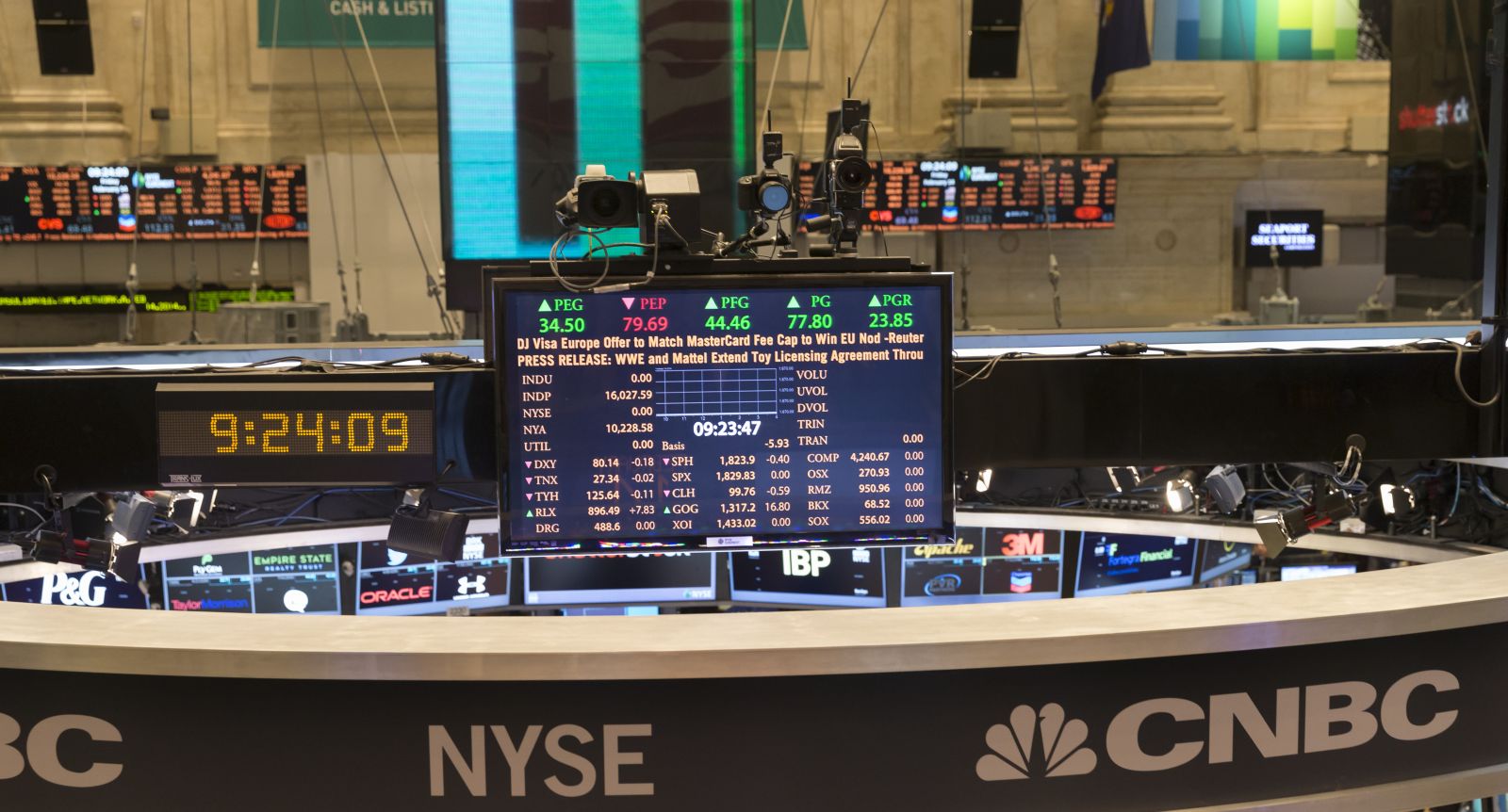
- Airline Stocks Under Pressure: Airline and cruise line stocks are broadly down due to rising oil prices, with Norwegian Cruise Line Holdings down over 5% and American Airlines Group down over 4%, reflecting the negative impact of high fuel costs on company profits.
Oil Price Surge Leads to Market Decline
- Market Decline: The S&P 500 index fell by 0.21%, the Dow Jones Industrial Average by 0.04%, and the Nasdaq 100 by 0.24%, indicating investor concerns over rising oil prices that could impact corporate earnings and overall market confidence.
- Oil Price Surge: WTI crude oil prices increased by over 5% due to the closure of the Strait of Hormuz following the US's refusal to lift its naval blockade on Iranian vessels, which could exacerbate global oil and fuel shortages and raise operational costs for affected industries.
- Earnings Expectations: So far, 81% of the 48 S&P 500 companies that reported earnings have exceeded estimates, with Q1 earnings projected to rise by 12% year-over-year; however, excluding the tech sector, growth is only expected to be 3%, indicating signs of an overall economic slowdown.
- Airline and Chip Stocks Under Pressure: Airline stocks are down due to rising fuel costs, with Norwegian Cruise Line Holdings falling over 6%, while chipmakers like Intel are also down more than 2%, reflecting the negative impact of high oil prices across multiple sectors.

US Equity Indexes Decline as Crude Oil Futures Rise


- Market Decline: Major US equity indexes fell, reflecting uncertainty in the economic outlook, which may lead to short-term capital outflows as investor sentiment weakens.
- Crude Oil Surge: Amid high-stakes diplomatic tensions, crude oil futures rose significantly, indicating heightened market concerns over energy supply, potentially boosting profit expectations for related companies.
- Diplomatic Tensions: Ongoing high-risk diplomatic activities could impact global market stability, prompting investors to closely monitor developments to adjust their investment strategies accordingly.
- Increased Market Volatility: The interplay between the equity and oil markets suggests potential for greater volatility in the coming weeks, necessitating cautious approaches from investors to navigate emerging risks and opportunities.

Midday Market Moves: Notable Stock Fluctuations

- Stanley Black & Decker Surge: Stanley Black & Decker's stock rose over 4% after the company stated that recent changes to Section 232 tariffs would not materially impact its full-year forecast, indicating strong confidence in its financial outlook.
- Fermi Stock Plunge: Shares of energy infrastructure developer Fermi fell more than 22% following the resignation of CFO Miles Everson and the recent departure of CEO Toby Neugebauer, raising concerns about the company's leadership stability and future direction.
- Biogen's Strategic Move: Biogen's stock increased nearly 3% after agreeing to pay $850 million for exclusive rights to sell felzartamab in China, which underscores its strategic expansion in the immune-related disease treatment market.
- Fertilizer Stocks Fluctuate: Fertilizer stocks experienced volatility as CF Industries rose nearly 2% due to ongoing shipping disruptions in the Strait of Hormuz, while Dow and LyondellBasell Industries also saw gains of about 4% and 2%, respectively, reflecting market reactions to supply chain challenges.
Premarket Moves: Airlines Under Pressure, Tech Stocks Surge
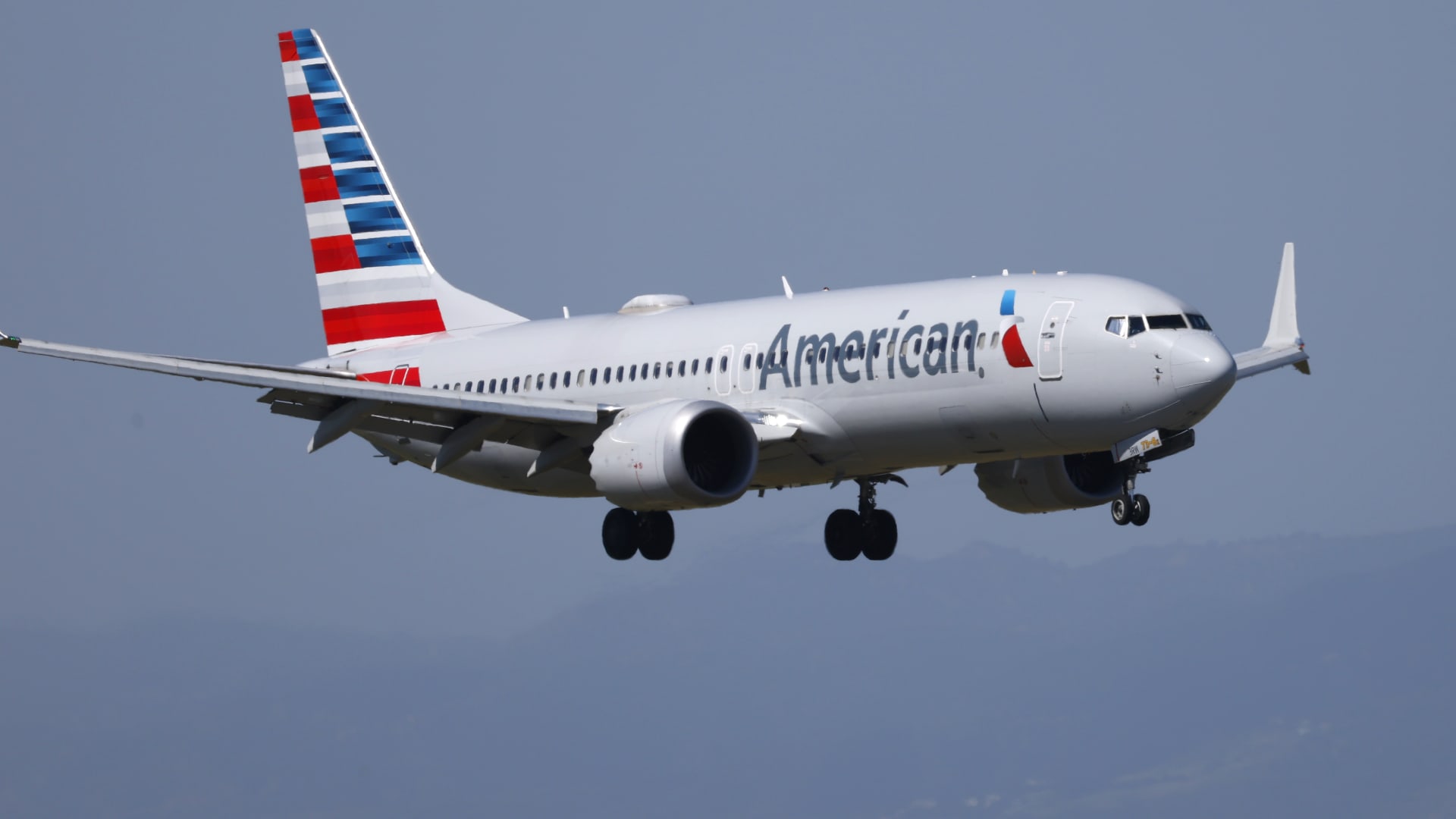
- Airlines Decline: Airlines such as American Airlines, Delta Air Lines, and United Airlines saw their stocks drop over 2% as investors worry that renewed U.S.-Iran tensions will elevate energy prices, leading to reduced consumer travel.
- Tech Stocks Surge: Shares of Marvell Technology and Broadcom jumped more than 7% following reports of talks with Google to develop new AI chips, although Broadcom's stock fell nearly 1.5% on the news.
- TopBuild Acquisition: TopBuild's stock surged over 17% after QXO announced its acquisition for $17 billion, which is expected to create a higher-margin business and be immediately accretive to earnings.
- AST SpaceMobile Drop: AST SpaceMobile's shares fell 15% after a satellite was launched into the wrong orbit, although the company expects to recover costs through insurance and plans to conduct monthly orbital launches starting in 2026.
Stock Markets Decline Amid Soaring Oil Prices and Geopolitical Tensions
- Oil Price Surge Impacts Markets: The S&P 500 index fell 0.24%, the Dow Jones Industrial Average dropped 0.01%, and the Nasdaq 100 index declined 0.31% on Monday as WTI crude prices surged over 6%, indicating market sensitivity to rising energy costs amid geopolitical tensions.
- Geopolitical Risks Escalate: The closure of the Strait of Hormuz by Iran has raised market concerns, especially following U.S. Navy actions against Iranian tankers, which could exacerbate global oil and fuel shortages, further unsettling investor sentiment.
- Earnings Season Continues: So far, 81% of the 48 S&P 500 companies that reported earnings exceeded expectations, with Q1 earnings projected to rise 12% year-over-year; however, excluding the tech sector, growth is only expected at 3%, highlighting signs of economic weakness.
- Airline Stocks Under Pressure: Airline stocks retreated as rising oil prices weighed on profits, with American Airlines and Alaska Air both down over 4%, reflecting the direct impact of fuel costs on company earnings and potential downward revisions in future profit expectations.
U.S. Stocks Decline Amid Soaring Oil Prices
- Oil Price Surge Impacts Markets: The S&P 500 index fell 0.41%, the Dow Jones Industrial Average dropped 0.31%, and the Nasdaq 100 index declined 0.66% as WTI crude oil prices surged over 5%, indicating market sensitivity to rising energy costs amid doubts about peace talks regarding the Iran war.
- Geopolitical Risks Escalate: Iran's closure of the Strait of Hormuz has raised market concerns, especially following U.S. Navy actions against Iranian tankers, which could exacerbate global oil and fuel shortages, further increasing market uncertainty.
- Earnings Season Continues: So far, 81% of the 48 S&P 500 companies that reported earnings have beaten estimates, with Q1 earnings projected to rise 12% year-over-year; however, excluding the tech sector, the growth is only 3%, indicating signs of overall economic weakness.
- Airline Stocks Under Pressure: Airline and cruise line stocks are broadly down due to rising oil prices, with Norwegian Cruise Line Holdings down over 5% and American Airlines Group down over 4%, reflecting the negative impact of high fuel costs on company profits.
Oil Price Surge Leads to Market Decline
- Market Decline: The S&P 500 index fell by 0.21%, the Dow Jones Industrial Average by 0.04%, and the Nasdaq 100 by 0.24%, indicating investor concerns over rising oil prices that could impact corporate earnings and overall market confidence.
- Oil Price Surge: WTI crude oil prices increased by over 5% due to the closure of the Strait of Hormuz following the US's refusal to lift its naval blockade on Iranian vessels, which could exacerbate global oil and fuel shortages and raise operational costs for affected industries.
- Earnings Expectations: So far, 81% of the 48 S&P 500 companies that reported earnings have exceeded estimates, with Q1 earnings projected to rise by 12% year-over-year; however, excluding the tech sector, growth is only expected to be 3%, indicating signs of an overall economic slowdown.
- Airline and Chip Stocks Under Pressure: Airline stocks are down due to rising fuel costs, with Norwegian Cruise Line Holdings falling over 6%, while chipmakers like Intel are also down more than 2%, reflecting the negative impact of high oil prices across multiple sectors.
US Equity Indexes Decline as Crude Oil Futures Rise
- Market Decline: Major US equity indexes fell, reflecting uncertainty in the economic outlook, which may lead to short-term capital outflows as investor sentiment weakens.
- Crude Oil Surge: Amid high-stakes diplomatic tensions, crude oil futures rose significantly, indicating heightened market concerns over energy supply, potentially boosting profit expectations for related companies.
- Diplomatic Tensions: Ongoing high-risk diplomatic activities could impact global market stability, prompting investors to closely monitor developments to adjust their investment strategies accordingly.
- Increased Market Volatility: The interplay between the equity and oil markets suggests potential for greater volatility in the coming weeks, necessitating cautious approaches from investors to navigate emerging risks and opportunities.
Midday Market Moves: Notable Stock Fluctuations
- Stanley Black & Decker Surge: Stanley Black & Decker's stock rose over 4% after the company stated that recent changes to Section 232 tariffs would not materially impact its full-year forecast, indicating strong confidence in its financial outlook.
- Fermi Stock Plunge: Shares of energy infrastructure developer Fermi fell more than 22% following the resignation of CFO Miles Everson and the recent departure of CEO Toby Neugebauer, raising concerns about the company's leadership stability and future direction.
- Biogen's Strategic Move: Biogen's stock increased nearly 3% after agreeing to pay $850 million for exclusive rights to sell felzartamab in China, which underscores its strategic expansion in the immune-related disease treatment market.
- Fertilizer Stocks Fluctuate: Fertilizer stocks experienced volatility as CF Industries rose nearly 2% due to ongoing shipping disruptions in the Strait of Hormuz, while Dow and LyondellBasell Industries also saw gains of about 4% and 2%, respectively, reflecting market reactions to supply chain challenges.
Premarket Moves: Airlines Under Pressure, Tech Stocks Surge
- Airlines Decline: Airlines such as American Airlines, Delta Air Lines, and United Airlines saw their stocks drop over 2% as investors worry that renewed U.S.-Iran tensions will elevate energy prices, leading to reduced consumer travel.
- Tech Stocks Surge: Shares of Marvell Technology and Broadcom jumped more than 7% following reports of talks with Google to develop new AI chips, although Broadcom's stock fell nearly 1.5% on the news.
- TopBuild Acquisition: TopBuild's stock surged over 17% after QXO announced its acquisition for $17 billion, which is expected to create a higher-margin business and be immediately accretive to earnings.
- AST SpaceMobile Drop: AST SpaceMobile's shares fell 15% after a satellite was launched into the wrong orbit, although the company expects to recover costs through insurance and plans to conduct monthly orbital launches starting in 2026.