NIO Inc. faces challenges amid EU policy developments

NIO Inc. shares fell 3.93% as the stock hit a 20-day low, reflecting broader market weakness with the Nasdaq-100 down 1.41% and S&P 500 down 1.37%.
The decline in NIO's stock price is largely attributed to concerns over new EU policy developments, including an anti-subsidy investigation into imported battery EVs, which could impose additional tariffs and affect the company's European operations. Despite NIO's strategic adjustments, such as establishing direct sales outlets and postponing the Firefly EV launch, investor sentiment remains cautious amid these regulatory challenges.
The implications of these developments suggest that NIO may face increased pressure in the European market, potentially impacting its growth strategy and profitability outlook as it navigates through these regulatory hurdles.
Trade with 70% Backtested Accuracy
Analyst Views on NIO

About NIO
About the author


Nio Reports Significant Delivery Growth in March
- Surge in Deliveries: Nio delivered 35,468 electric vehicles in March, marking a 136% year-over-year increase, which indicates significant growth in a highly competitive Chinese EV market, further solidifying its market position.
- Quarterly Performance: Total deliveries for the first quarter of 2026 rose 98% year-over-year, and this strong delivery performance, combined with the company's first-ever quarterly profit reported in Q4, highlights improvements in both profitability and market demand.
- Brand Sales Growth: Nio's premium NIO brand saw a 120% increase in sales in March, which not only aids in enhancing the company's margin profile but also indicates strengthening competitiveness in the high-end market.
- New Brand Success: The newly launched entry-level Firefly brand delivered 6,119 vehicles last month, up 130% month-over-month, showcasing Nio's ability to attract customers across different price segments, thereby broadening its market reach.
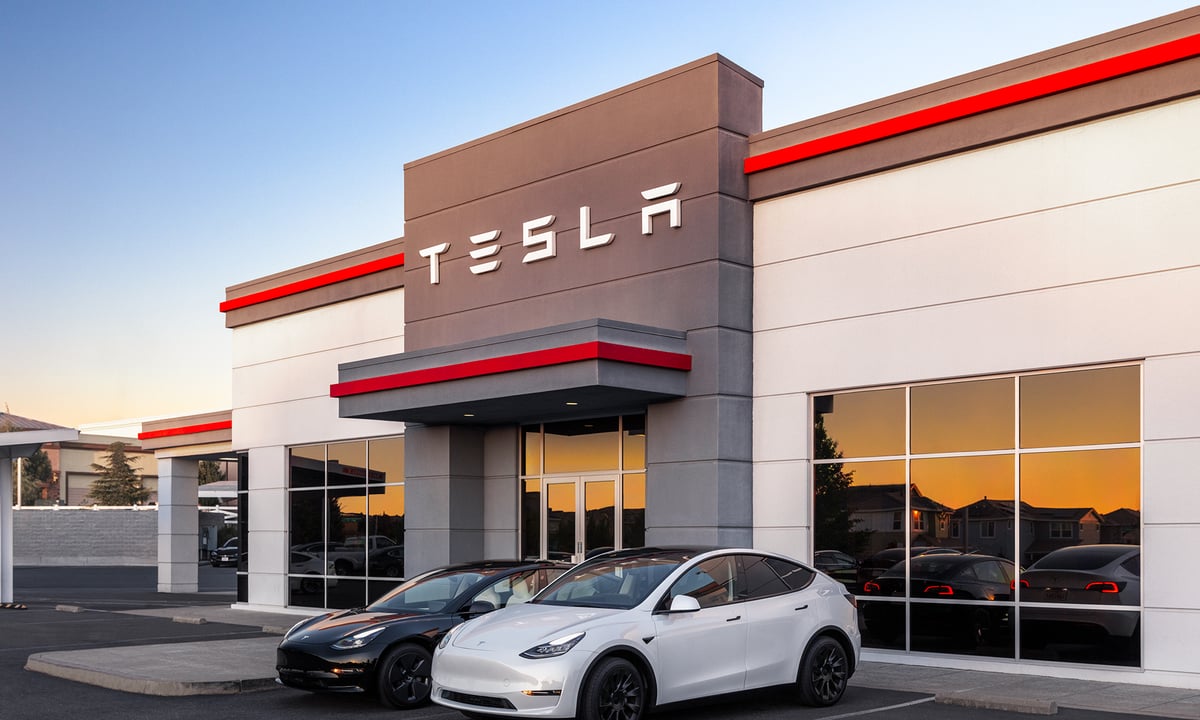
Tesla's Deliveries Fall Short of Expectations


- Delivery Decline: Tesla delivered 358,023 vehicles in Q1, falling short of the 370,000 expected by analysts, indicating ongoing demand pressures despite a 6% year-over-year increase.
- Intensifying Competition: Chinese EV maker BYD delivered over 321,000 vehicles in Q1, nearly 90% of Tesla's total global deliveries, highlighting challenges to Tesla's market share.
- Market Share Shift: BYD's March deliveries reached 300,222 vehicles, accounting for about 84% of Tesla's total Q1 deliveries, although its annual deliveries fell by 20.5%, reflecting macroeconomic and competitive pressures.
- Uncertain Future Outlook: Tesla's stock performance is increasingly divorced from its core EV operations, prompting investors to consider the potential success of growth bets like robotaxi services and the Optimus humanoid robots.

Tesla Q1 Delivery Analysis Amidst Competitive Pressure
- Year-over-Year Growth: Tesla's Q1 deliveries reached 358,023 vehicles, marking a 6% increase from 336,681 vehicles in the same quarter last year, yet falling short of the 370,000 vehicle target set by analysts, indicating ongoing pressures in the EV market.
- Quarterly Decline: Deliveries dropped 14% sequentially from the previous quarter, suggesting that despite seasonal sales factors, the company is facing significant demand challenges that could impact its future market share.
- Intensifying Competition: Chinese EV manufacturers BYD and Nio are outperforming Tesla in market share and growth, with BYD delivering 300,222 vehicles in Q1, nearly 84% of Tesla's total global deliveries, highlighting Tesla's competitive disadvantages.
- Investor Focus Shift: Given BYD and Nio's robust growth, investors may reassess their positions in Tesla, especially in the context of prioritizing market share and growth, as Tesla's stock performance increasingly diverges from its core EV operations.
Nio's Vehicle Deliveries Surge 16% Amid Strong Growth
- Delivery Surge: Nio delivered 35,486 vehicles in March, marking a 136% year-over-year increase and a 71% month-over-month rise, which not only reflects strong demand in the EV market but also lays a solid foundation for future profitability.
- Balanced Brand Performance: All three of Nio's major brands showed significant growth, with the premium Nio brand seeing a 120% year-over-year increase, accounting for about 60% of total deliveries, while the mid-tier Onvo brand grew by 43% and the new entry-level Firefly brand surged by 130% compared to February, showcasing the success of brand diversification.
- International Expansion: Nio opened its first

Rivian and Nio's Prospects in the EV Market

- Rivian R2 SUV Outlook: Rivian plans to launch the cheaper R2 SUV, which is expected to help it stand out in the competitive EV market; however, its production increased from 24,337 vehicles in 2022 to 57,232 in 2023, but is projected to decline to 49,476 in 2024, indicating market challenges.
- Production Capacity Enhancement: Rivian aims to triple its total production capacity by 2028, primarily through upgrades to its Illinois plant and the construction of a new facility in Georgia, which will significantly boost its sales and margins.
- Nio's Market Expansion: Nio continues to perform strongly in the EV market, with annual deliveries surging from 20,565 in 2019 to 326,028 in 2025; despite facing pressures from the US-China trade war and market competition, its expansion into Europe will further reduce reliance on the crowded Chinese market.
- Future Growth Expectations: Analysts expect Rivian and Nio's revenues to grow at CAGRs of 45% and 31%, respectively, over the next few years, with Rivian's adjusted EBITDA projected to turn positive by 2026, highlighting the potential of both companies in the EV market.

Optimistic Outlook for Electric Vehicle Market Recovery
- Market Growth Potential: According to Grand View Research, the global EV market is projected to expand at a 32.5% CAGR from 2025 to 2030, despite current challenges such as high interest rates and increased competition.
- Rivian Production Plans: Rivian aims to boost sales with the launch of its cheaper R2 model, expecting to triple total production by 2028, although it faces supply chain constraints and competitive pressures.
- Nio's Market Strategy: Nio is reducing its dependence on the Chinese market by expanding its battery-swapping network and entering Europe, with revenue expected to grow at a 31% CAGR from 2025 to 2027.
- Financial Performance Comparison: Rivian's enterprise value stands at $20.8 billion, trading at just 3 times this year's sales, compared to Tesla's 14 times, indicating Rivian's relative undervaluation and attracting growth-oriented investors' attention.
Nio Reports Significant Delivery Growth in March
- Surge in Deliveries: Nio delivered 35,468 electric vehicles in March, marking a 136% year-over-year increase, which indicates significant growth in a highly competitive Chinese EV market, further solidifying its market position.
- Quarterly Performance: Total deliveries for the first quarter of 2026 rose 98% year-over-year, and this strong delivery performance, combined with the company's first-ever quarterly profit reported in Q4, highlights improvements in both profitability and market demand.
- Brand Sales Growth: Nio's premium NIO brand saw a 120% increase in sales in March, which not only aids in enhancing the company's margin profile but also indicates strengthening competitiveness in the high-end market.
- New Brand Success: The newly launched entry-level Firefly brand delivered 6,119 vehicles last month, up 130% month-over-month, showcasing Nio's ability to attract customers across different price segments, thereby broadening its market reach.
Tesla's Deliveries Fall Short of Expectations
- Delivery Decline: Tesla delivered 358,023 vehicles in Q1, falling short of the 370,000 expected by analysts, indicating ongoing demand pressures despite a 6% year-over-year increase.
- Intensifying Competition: Chinese EV maker BYD delivered over 321,000 vehicles in Q1, nearly 90% of Tesla's total global deliveries, highlighting challenges to Tesla's market share.
- Market Share Shift: BYD's March deliveries reached 300,222 vehicles, accounting for about 84% of Tesla's total Q1 deliveries, although its annual deliveries fell by 20.5%, reflecting macroeconomic and competitive pressures.
- Uncertain Future Outlook: Tesla's stock performance is increasingly divorced from its core EV operations, prompting investors to consider the potential success of growth bets like robotaxi services and the Optimus humanoid robots.
Tesla Q1 Delivery Analysis Amidst Competitive Pressure
- Year-over-Year Growth: Tesla's Q1 deliveries reached 358,023 vehicles, marking a 6% increase from 336,681 vehicles in the same quarter last year, yet falling short of the 370,000 vehicle target set by analysts, indicating ongoing pressures in the EV market.
- Quarterly Decline: Deliveries dropped 14% sequentially from the previous quarter, suggesting that despite seasonal sales factors, the company is facing significant demand challenges that could impact its future market share.
- Intensifying Competition: Chinese EV manufacturers BYD and Nio are outperforming Tesla in market share and growth, with BYD delivering 300,222 vehicles in Q1, nearly 84% of Tesla's total global deliveries, highlighting Tesla's competitive disadvantages.
- Investor Focus Shift: Given BYD and Nio's robust growth, investors may reassess their positions in Tesla, especially in the context of prioritizing market share and growth, as Tesla's stock performance increasingly diverges from its core EV operations.
Nio's Vehicle Deliveries Surge 16% Amid Strong Growth
- Delivery Surge: Nio delivered 35,486 vehicles in March, marking a 136% year-over-year increase and a 71% month-over-month rise, which not only reflects strong demand in the EV market but also lays a solid foundation for future profitability.
- Balanced Brand Performance: All three of Nio's major brands showed significant growth, with the premium Nio brand seeing a 120% year-over-year increase, accounting for about 60% of total deliveries, while the mid-tier Onvo brand grew by 43% and the new entry-level Firefly brand surged by 130% compared to February, showcasing the success of brand diversification.
- International Expansion: Nio opened its first
Rivian and Nio's Prospects in the EV Market
- Rivian R2 SUV Outlook: Rivian plans to launch the cheaper R2 SUV, which is expected to help it stand out in the competitive EV market; however, its production increased from 24,337 vehicles in 2022 to 57,232 in 2023, but is projected to decline to 49,476 in 2024, indicating market challenges.
- Production Capacity Enhancement: Rivian aims to triple its total production capacity by 2028, primarily through upgrades to its Illinois plant and the construction of a new facility in Georgia, which will significantly boost its sales and margins.
- Nio's Market Expansion: Nio continues to perform strongly in the EV market, with annual deliveries surging from 20,565 in 2019 to 326,028 in 2025; despite facing pressures from the US-China trade war and market competition, its expansion into Europe will further reduce reliance on the crowded Chinese market.
- Future Growth Expectations: Analysts expect Rivian and Nio's revenues to grow at CAGRs of 45% and 31%, respectively, over the next few years, with Rivian's adjusted EBITDA projected to turn positive by 2026, highlighting the potential of both companies in the EV market.
Optimistic Outlook for Electric Vehicle Market Recovery
- Market Growth Potential: According to Grand View Research, the global EV market is projected to expand at a 32.5% CAGR from 2025 to 2030, despite current challenges such as high interest rates and increased competition.
- Rivian Production Plans: Rivian aims to boost sales with the launch of its cheaper R2 model, expecting to triple total production by 2028, although it faces supply chain constraints and competitive pressures.
- Nio's Market Strategy: Nio is reducing its dependence on the Chinese market by expanding its battery-swapping network and entering Europe, with revenue expected to grow at a 31% CAGR from 2025 to 2027.
- Financial Performance Comparison: Rivian's enterprise value stands at $20.8 billion, trading at just 3 times this year's sales, compared to Tesla's 14 times, indicating Rivian's relative undervaluation and attracting growth-oriented investors' attention.