Nike Faces Earnings Challenges Amid Significant Decline
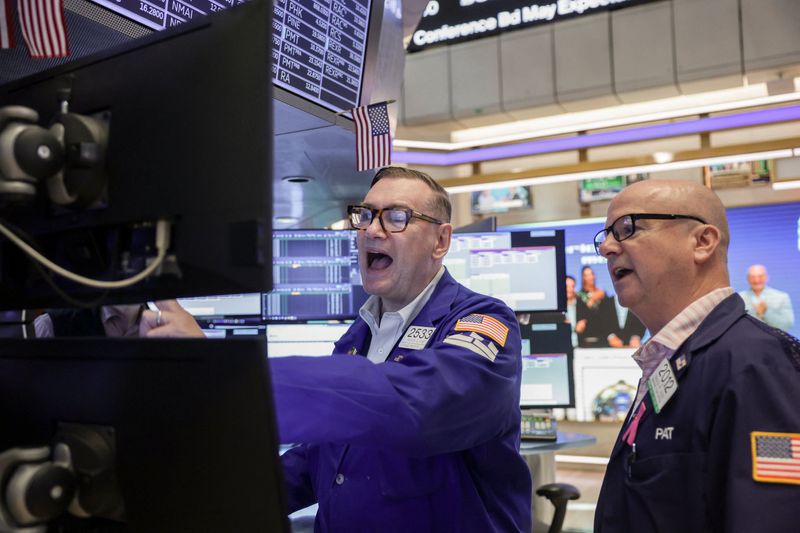
Nike Inc's stock fell 3.72% and hit a 20-day low, reflecting ongoing struggles in the competitive market.
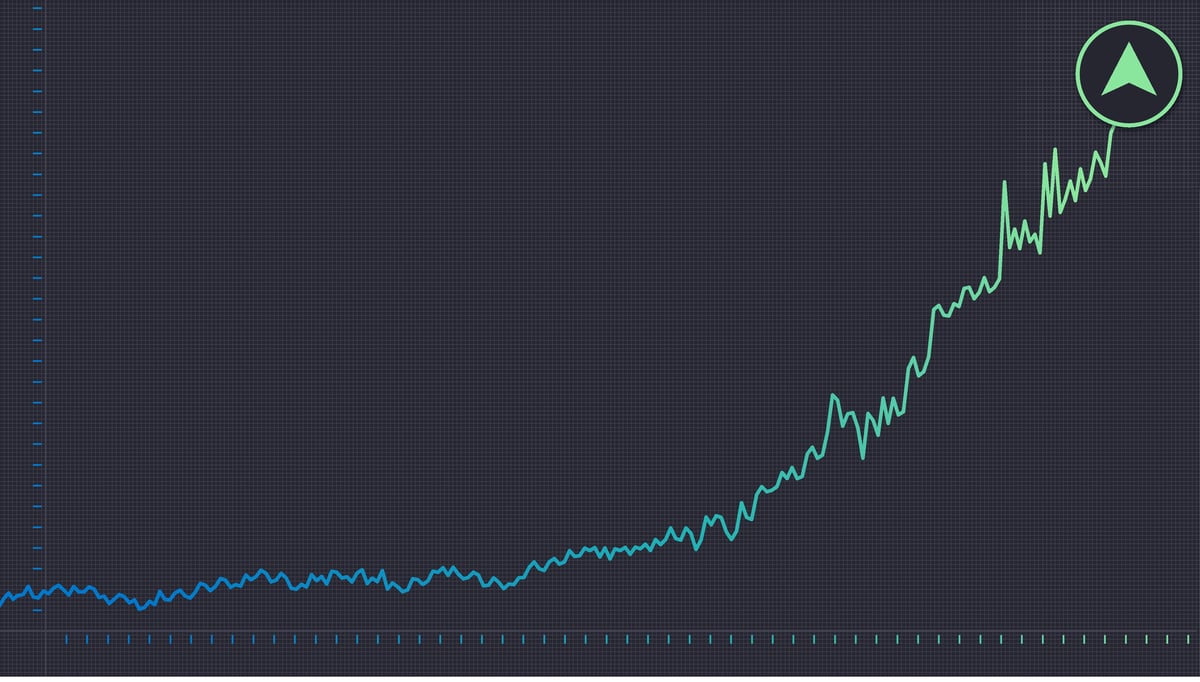
The company reported a 38% decline in diluted earnings per share from Q2 2023 to Q2 2026, raising concerns about its ability to restore revenue and profit growth. Increased competition has led to a 46% drop in Nike's stock price over the past three years, while the S&P 500 has risen by 74%. CEO Elliott Hill is implementing a turnaround strategy focused on new product launches and rebuilding wholesale relationships to enhance brand loyalty and improve financial performance.
These challenges highlight the need for Nike to stabilize its operations and restore investor confidence, especially as analysts project a compound annual growth rate of 9.2% for EPS between fiscal 2025 and fiscal 2028, albeit with high uncertainty.
Trade with 70% Backtested Accuracy
Analyst Views on NKE

About NKE
About the author


NIKE, Inc. to Release Q4 Fiscal 2026 Results on June 30
- Earnings Release Schedule: NIKE, Inc. plans to release its fourth quarter fiscal 2026 financial results on June 30, 2026, at approximately 1:15 p.m. PT, followed by a conference call to analyze the results, which will aid investors in understanding the company's financial health.
- Conference Call Timing: The conference call is scheduled to begin at 2:00 p.m. PT after the earnings release, with management providing a live broadcast over the Internet, ensuring that global investors can access the latest information in real-time, enhancing transparency and communication efficiency.
- Information Access Channels: Investors can access earnings releases and other financial information through NIKE's investor website, ensuring timely and accurate information, while also providing an archived version for those unable to attend the live broadcast, extending the convenience of information retrieval.
- Company Background Overview: Headquartered in Beaverton, Oregon, NIKE, Inc. is the world's leading designer, marketer, and distributor of athletic footwear, apparel, and equipment, with its subsidiary brand Converse actively expanding its market presence, further solidifying NIKE's leadership in the sports industry.
Nike Faces Stock Pressure Amid Uncertain Outlook
- Stock Fluctuations: Nike (NKE) shares fell 1.5% to $46.65 on Friday after six consecutive days of gains, despite a 7% rise during that period, reflecting market concerns as the stock has dropped nearly 27% this year.
- Sales Guidance Downgrade: The company projected a 2% to 4% sales decline for fiscal Q4 during its Q3 earnings report, leading to a 15% drop in stock price post-announcement, indicating investor anxiety over ongoing weakness in the critical China market.
- Litigation Risks: Consumers have filed a proposed class action lawsuit against Nike for failing to refund tariff-related costs, with the company disclosing it paid approximately $1 billion in tariffs, which allegedly led to price increases of $5 to $10 for footwear and $2 to $10 for apparel, further damaging its brand reputation.
- Divergent Analyst Ratings: Seeking Alpha's Quant Rating gives Nike a Hold rating of 2.77, with 16 analysts recommending Buy, 20 Hold, and 2 Sell, highlighting a cautious market sentiment regarding Nike's growth prospects amid competitive pressures and management uncertainties.

Apple's Stock Rises for Nine Weeks, Dell Surprises with Earnings


- Apple's Stock Performance: Apple shares have risen for nine consecutive weeks, gaining over 15% in the past month and approximately 24% since March 16, indicating strong market demand and investor confidence.
- Dell's Earnings Surprise: Dell reported an 88% year-over-year revenue growth in its Thursday evening earnings release, with shares soaring nearly 40% in after-hours trading and a total increase of 111% over the past month, showcasing its robust market performance and competitiveness.
- Semiconductor Sector Strength: The VanEck Semiconductor ETF rose 18% in May and has gained 47% over the past three months, with Astera Labs and Micron surging nearly 80% and 78% respectively, reflecting a recovery in the semiconductor industry and investor optimism.
- Nike's Stock Volatility: Nike shares increased by 3% on Thursday and are up nearly 7% in May, yet they are down 40% from the August 2025 high, making it one of the worst performers in the Dow, highlighting market concerns about its future growth.
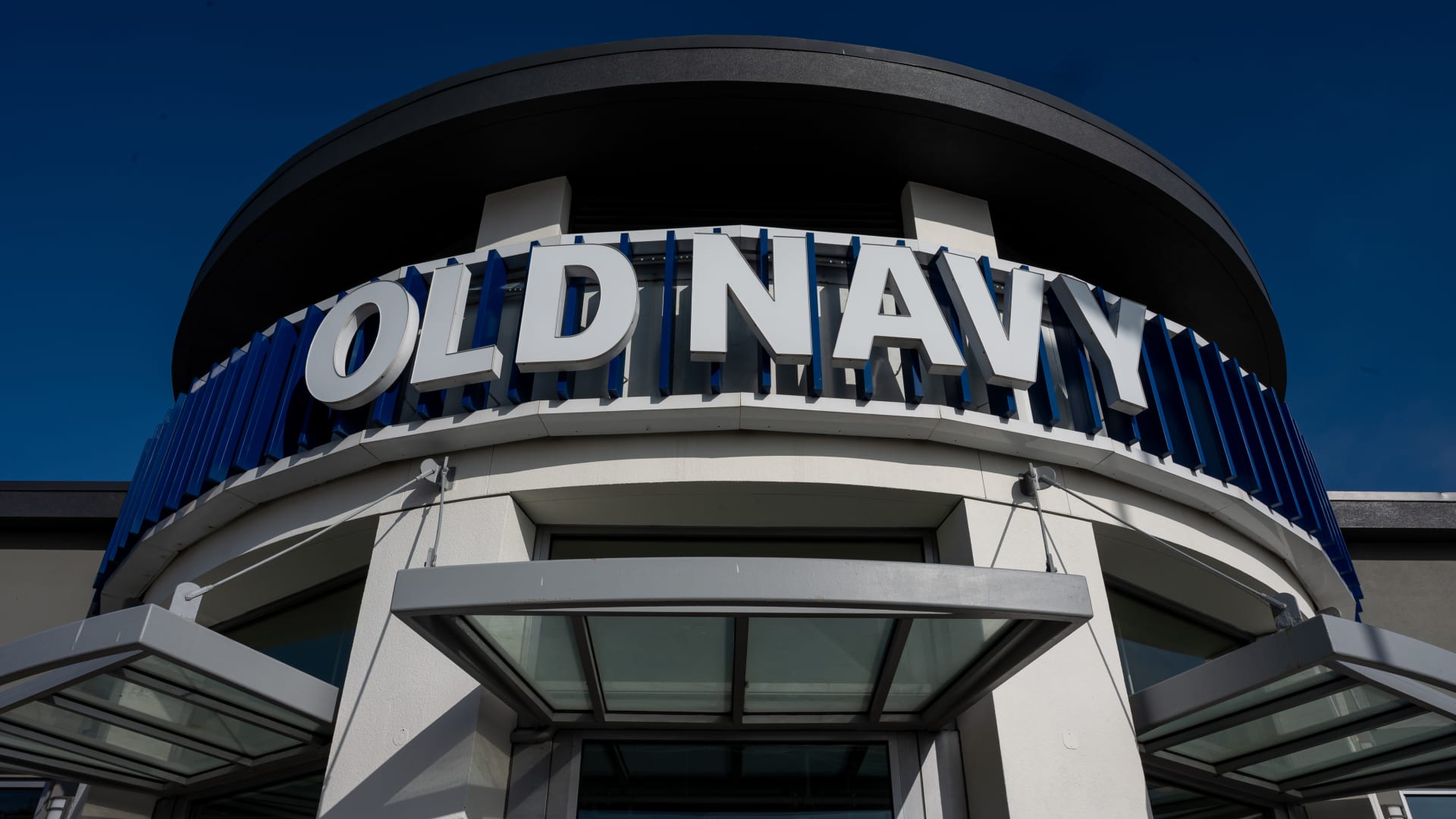
Gap's Q1 Performance Falls Short of Expectations


- Sales Guidance Cut: Old Navy's comparable sales grew only 1% in Q1, falling short of the 3% expected by analysts, prompting Gap to lower its full-year sales outlook to 1%-2%, which could negatively impact market confidence and investor sentiment.
- Earnings Forecast Raised: Despite the sales decline, Gap raised its adjusted earnings per share guidance to between $2.30 and $2.40, up from the previous range of $2.20 to $2.35, indicating positive performance in cost management and tax benefits.
- Brand Performance Discrepancies: The Gap brand saw a 10% increase in comparable sales, significantly exceeding the 5.5% expected by analysts, while Banana Republic and Athleta reported growth of 2% and a decline of 11%, highlighting competitive disparities among brands.
- Negative Market Reaction: Following the earnings report, Gap's stock dropped over 10% in after-hours trading, reflecting investor concerns about the company's future sales and market strategy, particularly as Old Navy's products failed to resonate with consumers.
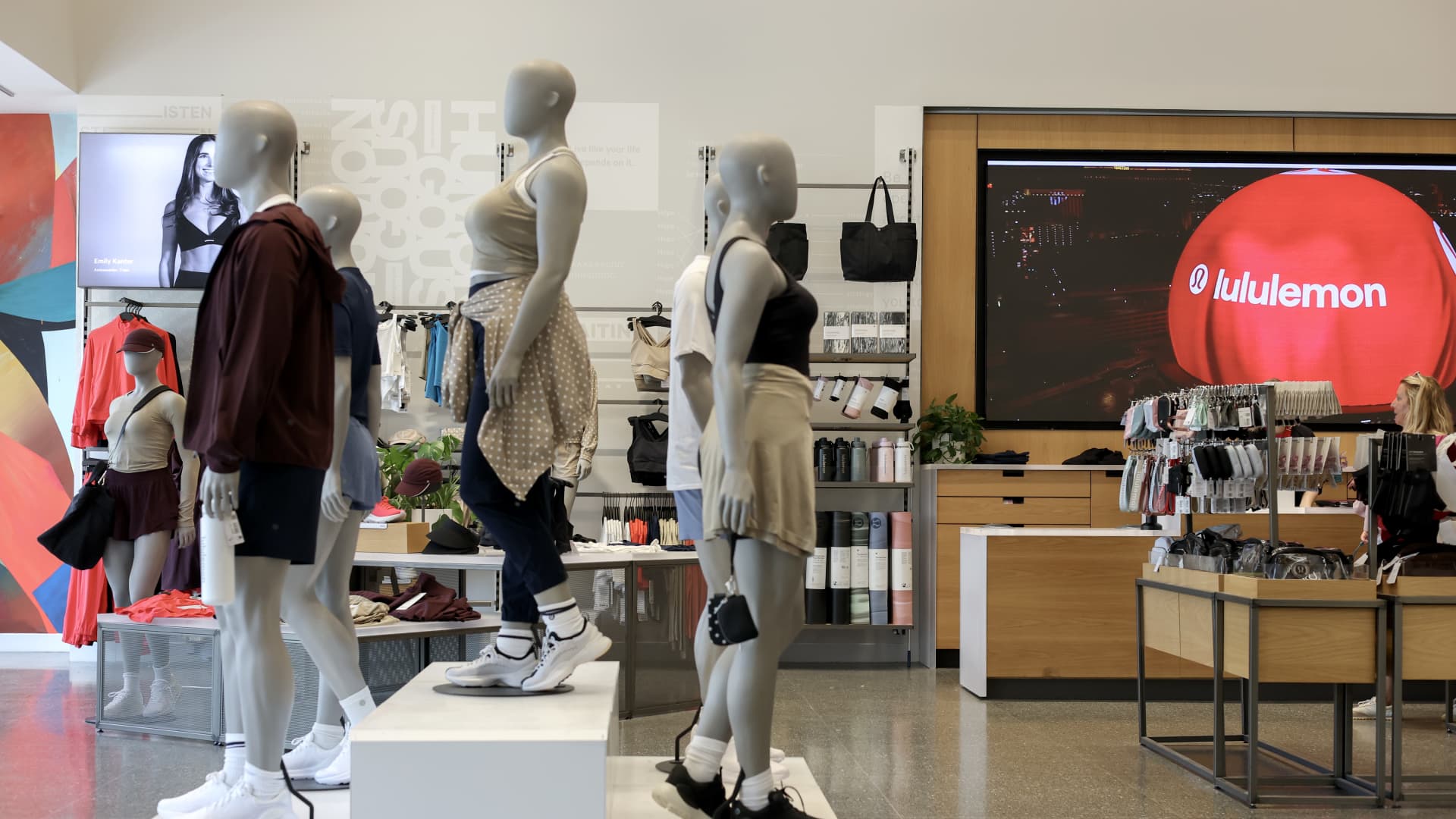
Lululemon Stock Faces Critical Test Ahead of Earnings

- Downward Price Trend: Lululemon's stock has plummeted over 75% since its peak in December 2023, dropping from an all-time high of $500 to a critical support level of $120, reflecting severe market challenges amid rising competition and slowing sales.
- Technical Chart Analysis: The stock has formed a textbook downtrend over the past year, and while a recent rally suggests a short-term buying opportunity, resistance at the 50-day moving average of $145 limits upside potential, with a breakout possibly leading to $170.
- Leadership Change Impact: Incoming CEO Heidi O'Neill will officially take over in September, raising market expectations for a turnaround; however, if the stock breaks below the $120 support level, it could lead to a further decline to $80.
- Risk and Reward Assessment: The stock is at a major technical inflection point with three trading scenarios, two of which favor going long ahead of earnings; if it holds the support level, a rally coinciding with the new CEO's tenure could occur, otherwise, a stop-loss may be necessary.
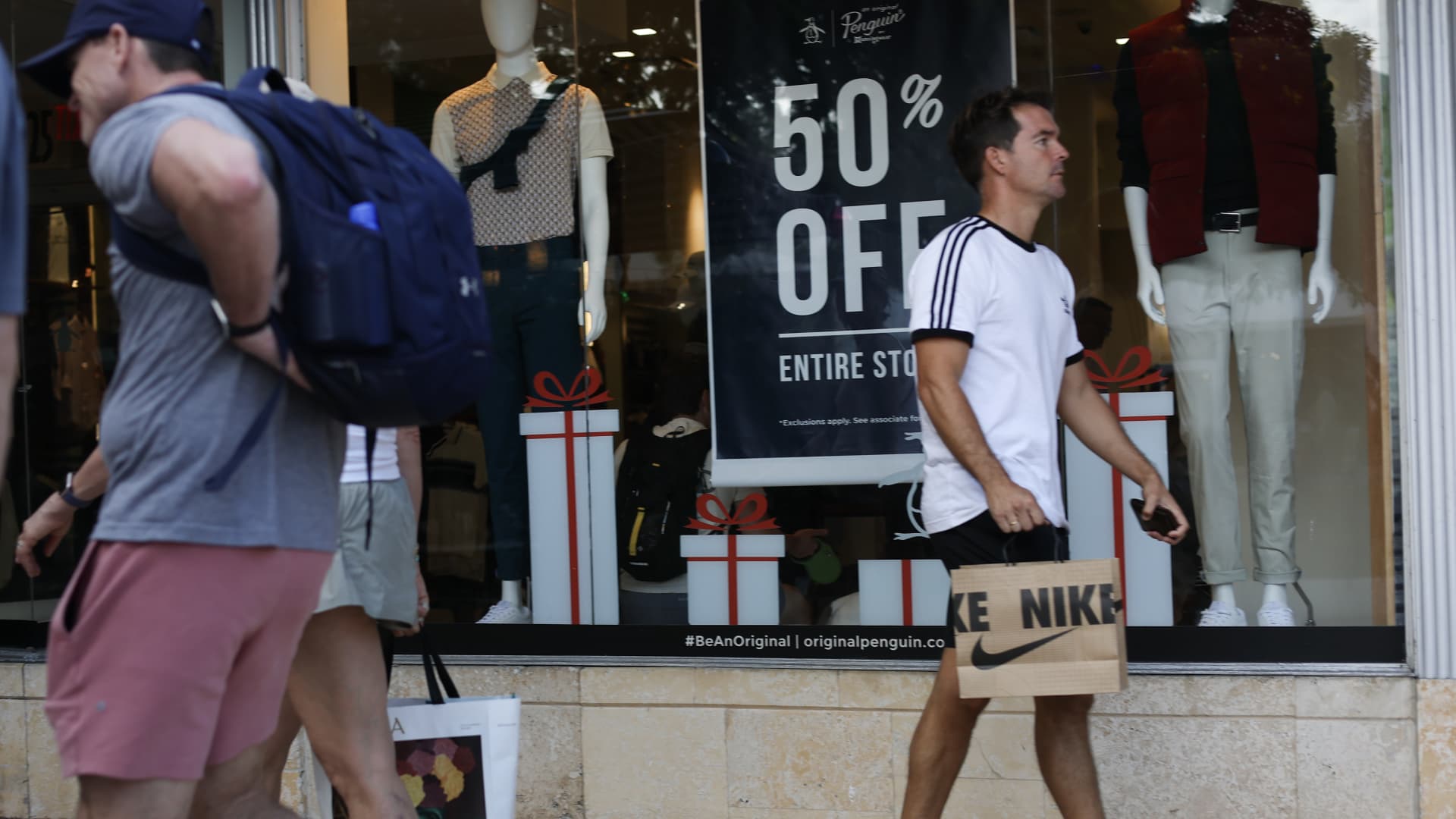
Dick's Sporting Goods Signals Stabilizing Demand, Bright Spot for Nike

- Sales Growth Signal: Dick's Sporting Goods reported a 6% same-store sales increase in its latest earnings, surpassing expectations and indicating a stabilizing demand for athletic footwear, which could positively impact Nike.
- Foot Locker Recovery: The acquisition of Foot Locker by Dick's resulted in a 0.6% comparable sales growth for the first time, with North America performing even better at 1.4%, laying a foundation for future sales growth.
- Nike Stock Reaction: Despite Dick's shares falling 5% due to mixed guidance, Nike's stock rose 2% following Dick's earnings report, reflecting market optimism about Nike's recovery, especially with the upcoming World Cup.
- China Market Challenge: Nike faces a forecasted 20% revenue decline in China, which remains a significant challenge for its overall recovery, even as North America wholesale revenue grew by 11%.
NIKE, Inc. to Release Q4 Fiscal 2026 Results on June 30
- Earnings Release Schedule: NIKE, Inc. plans to release its fourth quarter fiscal 2026 financial results on June 30, 2026, at approximately 1:15 p.m. PT, followed by a conference call to analyze the results, which will aid investors in understanding the company's financial health.
- Conference Call Timing: The conference call is scheduled to begin at 2:00 p.m. PT after the earnings release, with management providing a live broadcast over the Internet, ensuring that global investors can access the latest information in real-time, enhancing transparency and communication efficiency.
- Information Access Channels: Investors can access earnings releases and other financial information through NIKE's investor website, ensuring timely and accurate information, while also providing an archived version for those unable to attend the live broadcast, extending the convenience of information retrieval.
- Company Background Overview: Headquartered in Beaverton, Oregon, NIKE, Inc. is the world's leading designer, marketer, and distributor of athletic footwear, apparel, and equipment, with its subsidiary brand Converse actively expanding its market presence, further solidifying NIKE's leadership in the sports industry.
Nike Faces Stock Pressure Amid Uncertain Outlook
- Stock Fluctuations: Nike (NKE) shares fell 1.5% to $46.65 on Friday after six consecutive days of gains, despite a 7% rise during that period, reflecting market concerns as the stock has dropped nearly 27% this year.
- Sales Guidance Downgrade: The company projected a 2% to 4% sales decline for fiscal Q4 during its Q3 earnings report, leading to a 15% drop in stock price post-announcement, indicating investor anxiety over ongoing weakness in the critical China market.
- Litigation Risks: Consumers have filed a proposed class action lawsuit against Nike for failing to refund tariff-related costs, with the company disclosing it paid approximately $1 billion in tariffs, which allegedly led to price increases of $5 to $10 for footwear and $2 to $10 for apparel, further damaging its brand reputation.
- Divergent Analyst Ratings: Seeking Alpha's Quant Rating gives Nike a Hold rating of 2.77, with 16 analysts recommending Buy, 20 Hold, and 2 Sell, highlighting a cautious market sentiment regarding Nike's growth prospects amid competitive pressures and management uncertainties.
Apple's Stock Rises for Nine Weeks, Dell Surprises with Earnings
- Apple's Stock Performance: Apple shares have risen for nine consecutive weeks, gaining over 15% in the past month and approximately 24% since March 16, indicating strong market demand and investor confidence.
- Dell's Earnings Surprise: Dell reported an 88% year-over-year revenue growth in its Thursday evening earnings release, with shares soaring nearly 40% in after-hours trading and a total increase of 111% over the past month, showcasing its robust market performance and competitiveness.
- Semiconductor Sector Strength: The VanEck Semiconductor ETF rose 18% in May and has gained 47% over the past three months, with Astera Labs and Micron surging nearly 80% and 78% respectively, reflecting a recovery in the semiconductor industry and investor optimism.
- Nike's Stock Volatility: Nike shares increased by 3% on Thursday and are up nearly 7% in May, yet they are down 40% from the August 2025 high, making it one of the worst performers in the Dow, highlighting market concerns about its future growth.
Gap's Q1 Performance Falls Short of Expectations
- Sales Guidance Cut: Old Navy's comparable sales grew only 1% in Q1, falling short of the 3% expected by analysts, prompting Gap to lower its full-year sales outlook to 1%-2%, which could negatively impact market confidence and investor sentiment.
- Earnings Forecast Raised: Despite the sales decline, Gap raised its adjusted earnings per share guidance to between $2.30 and $2.40, up from the previous range of $2.20 to $2.35, indicating positive performance in cost management and tax benefits.
- Brand Performance Discrepancies: The Gap brand saw a 10% increase in comparable sales, significantly exceeding the 5.5% expected by analysts, while Banana Republic and Athleta reported growth of 2% and a decline of 11%, highlighting competitive disparities among brands.
- Negative Market Reaction: Following the earnings report, Gap's stock dropped over 10% in after-hours trading, reflecting investor concerns about the company's future sales and market strategy, particularly as Old Navy's products failed to resonate with consumers.
Lululemon Stock Faces Critical Test Ahead of Earnings
- Downward Price Trend: Lululemon's stock has plummeted over 75% since its peak in December 2023, dropping from an all-time high of $500 to a critical support level of $120, reflecting severe market challenges amid rising competition and slowing sales.
- Technical Chart Analysis: The stock has formed a textbook downtrend over the past year, and while a recent rally suggests a short-term buying opportunity, resistance at the 50-day moving average of $145 limits upside potential, with a breakout possibly leading to $170.
- Leadership Change Impact: Incoming CEO Heidi O'Neill will officially take over in September, raising market expectations for a turnaround; however, if the stock breaks below the $120 support level, it could lead to a further decline to $80.
- Risk and Reward Assessment: The stock is at a major technical inflection point with three trading scenarios, two of which favor going long ahead of earnings; if it holds the support level, a rally coinciding with the new CEO's tenure could occur, otherwise, a stop-loss may be necessary.
Dick's Sporting Goods Signals Stabilizing Demand, Bright Spot for Nike
- Sales Growth Signal: Dick's Sporting Goods reported a 6% same-store sales increase in its latest earnings, surpassing expectations and indicating a stabilizing demand for athletic footwear, which could positively impact Nike.
- Foot Locker Recovery: The acquisition of Foot Locker by Dick's resulted in a 0.6% comparable sales growth for the first time, with North America performing even better at 1.4%, laying a foundation for future sales growth.
- Nike Stock Reaction: Despite Dick's shares falling 5% due to mixed guidance, Nike's stock rose 2% following Dick's earnings report, reflecting market optimism about Nike's recovery, especially with the upcoming World Cup.
- China Market Challenge: Nike faces a forecasted 20% revenue decline in China, which remains a significant challenge for its overall recovery, even as North America wholesale revenue grew by 11%.