Netflix to Release Q1 Earnings on April 16
Netflix's stock is down 9.63% in pre-market trading, hitting a 5-day low amid a generally positive market environment with the Nasdaq-100 and S&P 500 both showing gains.
The decline in Netflix's stock price comes ahead of its highly anticipated Q1 earnings release on April 16, where analysts expect earnings of 78 cents per share and revenue of $12.17 billion. This report is crucial as it will provide insights into Netflix's performance amidst increasing competition in the streaming industry, which is pressuring profitability. Investors are closely monitoring user growth and content investment performance, making this earnings report a significant event for the company.
The upcoming earnings report is expected to influence investor sentiment significantly, as Netflix navigates a competitive landscape. The market's reaction to the earnings could lead to further volatility in the stock price, depending on the results and guidance provided.
Trade with 70% Backtested Accuracy
Analyst Views on NFLX

About NFLX
About the author


Netflix Faces Challenges but Opportunities Arise
- Earnings Report Ahead: Netflix is set to release its Q2 earnings on July 16, projecting revenue of $12.574 billion, a modest 13.5% increase, marking its weakest growth in over a year, indicating slowing revenue growth and contracting margins that could negatively impact its stock price.
- Stock Underperformance: The stock has fallen 41% over the past year while the market has risen 20%, reflecting poor performance in an ascending market; however, with current P/E ratios near historical lows, this may present a buying opportunity for investors.
- Content Value Rising: With approximately 325 million paying households, Netflix commands the largest premium audience in the streaming market, making its content more valuable than ever, despite acquisition competition, highlighting its strategic importance in media exposure and connected TV opportunities.
- Acquisition Dynamics: Earlier this year, Netflix secured a $2.8 billion buyout termination fee, showcasing its competitive strength in the industry; while unlikely to be acquired, its leadership in content and user base positions it advantageously for future market opportunities.

Netflix Partners with Digital Publishers for New Content Offerings
- Content Diversification: Netflix is set to launch new content covering themes like travel, cooking, and fashion on August 3, aiming to attract a broader audience and enhance user engagement.
- Partnership Strategy: The collaboration with Condé Nast, People, and Penske Media will offer a variety of video content ranging from 3-minute shorts to 20-minute episodes, expected to improve user experience and increase subscriber satisfaction.
- Rich Program Variety: New offerings will include series like BuzzFeed's '30 Questions', Architectural Digest's 'Walking Tour', and Travel + Leisure's 'Travel Unfiltered', showcasing Netflix's innovation and diversity in content creation.
- User Demand Response: Netflix VP John Derderian noted that viewers want to continue exploring stories and personalities after the credits roll, a strategy that not only meets audience demand but may also drive long-term growth for the platform.
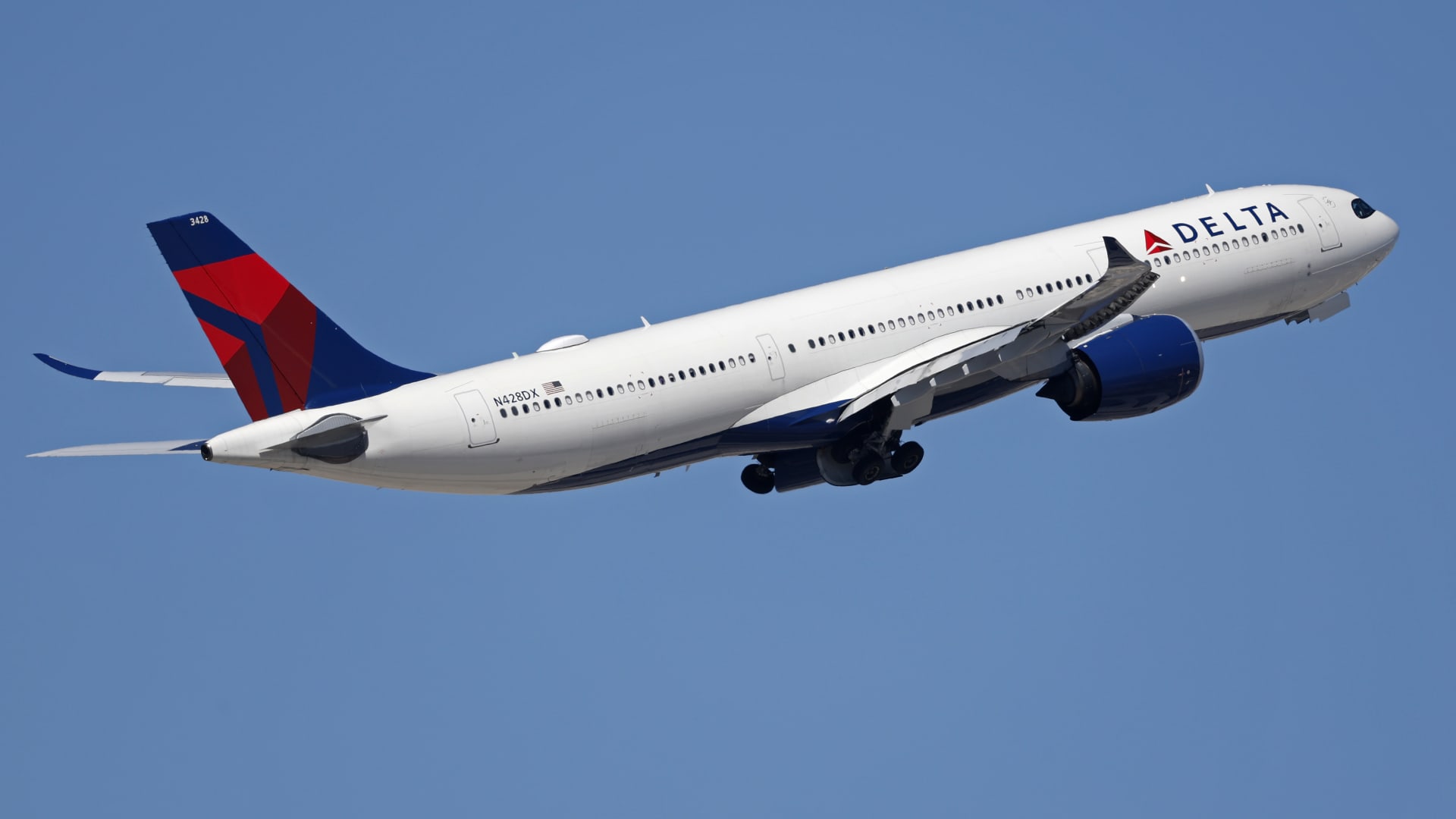
Delta Air Lines Set to Release Quarterly Earnings Amid Strong Stock Performance


- Delta Stock Surge: Delta Air Lines has seen a 31% increase in stock price over the past three months, despite a 7% drop from its July 2 high, indicating strong market optimism ahead of its quarterly earnings release, which could drive a rebound.
- Competitor Performance: In comparison, American Airlines has surged 50% in three months, while Southwest and JetBlue have risen 22% and 20% respectively, reflecting a broader recovery trend in the airline industry that may attract more investor interest.
- SK Hynix IPO: SK Hynix is set to debut on Nasdaq with shares priced at $149, expected to be a major component of the iShares MSCI South Korea ETF, highlighting ongoing market interest in the semiconductor sector, even as the ETF has declined 16% in the past three weeks.
- Energy Stocks Reach New Highs: Valero, Marathon Petroleum, and Phillips 66 have achieved new highs with respective gains of 5%, 6.4%, and 7.6% over the past four days, showcasing strong performance in the energy sector amid ongoing tensions in the Strait of Hormuz and the Russia-Ukraine conflict.
Netflix Faces Subscriber Engagement Crisis

- Declining Viewer Engagement: Internal discussions at Netflix have intensified due to a drop in subscriber viewing hours and completion rates, threatening long-term retention, with U.S. TV viewership hitting a low of 7.8% in April and stock plummeting over 40% in the past year.
- Exploring Live Channels: Netflix is considering adding live television channels to combat low engagement and plans to sell third-party services like NBCUniversal's Peacock directly through its app, aiming to attract more users and boost revenue.
- Advertising Business Expansion: Netflix's advertising unit generated approximately $1.5 billion last year and is projected to double this year, with plans to selectively bid for FIFA World Cup streaming rights in 2030 and 2034 to enhance ad revenue and attract viewers.
- Market Adaptation Pressure: The strategic shift at Netflix contrasts sharply with co-founder Reed Hastings' historically focused approach, highlighting the company's adaptability amid increasing competition in the media landscape.

Surge in Options Volume for Alphabet and Lincoln National

- Options Volume for Alphabet: Alphabet Inc. has seen an options volume of 120,658 contracts today, representing approximately 12.1 million underlying shares, which constitutes 49.3% of its average daily trading volume over the past month, indicating strong market interest in its future performance.
- High-Frequency Trading Insights: Notably, the $355 strike call option expiring on July 10, 2026, has recorded a trading volume of 6,126 contracts today, equating to about 612,600 shares, suggesting a significant bullish sentiment among investors regarding Alphabet's stock price appreciation.
- Lincoln Options Trading Dynamics: Lincoln National Corp. has reported an options volume of 8,801 contracts today, representing approximately 880,100 underlying shares, which accounts for 48.7% of its average daily trading volume over the past month, reflecting positive market sentiment towards its future trajectory.
- Key Call Options: The $35 strike call option expiring on July 17, 2026, has seen a trading volume of 3,807 contracts today, translating to about 380,700 shares, indicating an increase in investor confidence regarding Lincoln's future performance.

Netflix's Ad Tier Captures 60% of New Sign-Ups

- Strong Growth for Netflix: Netflix reported Q1 revenue of $12.25 billion, a 16.2% year-over-year increase, with EPS of $1.23, as the ad-supported tier captured 60% of new sign-ups, showcasing its robust appeal and growth potential in the global streaming market.
- Optimistic Ad Revenue Outlook: The number of advertisers grew by 70% year-over-year to over 4,000, with ad revenue projected to reach approximately $3 billion by 2026, indicating Netflix's successful diversification of revenue sources.
- Financial Pressure on Comcast: Comcast's Q1 revenue stood at $31.46 billion with an EPS of $0.79, but adjusted EBITDA fell by 16.8%, and Peacock's EBITDA loss widened to $432 million, reflecting challenges in its streaming competition.
- Critical Moment for Strategic Transformation: Comcast's broadband losses narrowed from 183,000 to 65,000, yet ongoing video business shrinkage and high Olympic costs raise concerns about the success of its future transformation efforts.
Netflix Faces Challenges but Opportunities Arise
- Earnings Report Ahead: Netflix is set to release its Q2 earnings on July 16, projecting revenue of $12.574 billion, a modest 13.5% increase, marking its weakest growth in over a year, indicating slowing revenue growth and contracting margins that could negatively impact its stock price.
- Stock Underperformance: The stock has fallen 41% over the past year while the market has risen 20%, reflecting poor performance in an ascending market; however, with current P/E ratios near historical lows, this may present a buying opportunity for investors.
- Content Value Rising: With approximately 325 million paying households, Netflix commands the largest premium audience in the streaming market, making its content more valuable than ever, despite acquisition competition, highlighting its strategic importance in media exposure and connected TV opportunities.
- Acquisition Dynamics: Earlier this year, Netflix secured a $2.8 billion buyout termination fee, showcasing its competitive strength in the industry; while unlikely to be acquired, its leadership in content and user base positions it advantageously for future market opportunities.
Netflix Partners with Digital Publishers for New Content Offerings
- Content Diversification: Netflix is set to launch new content covering themes like travel, cooking, and fashion on August 3, aiming to attract a broader audience and enhance user engagement.
- Partnership Strategy: The collaboration with Condé Nast, People, and Penske Media will offer a variety of video content ranging from 3-minute shorts to 20-minute episodes, expected to improve user experience and increase subscriber satisfaction.
- Rich Program Variety: New offerings will include series like BuzzFeed's '30 Questions', Architectural Digest's 'Walking Tour', and Travel + Leisure's 'Travel Unfiltered', showcasing Netflix's innovation and diversity in content creation.
- User Demand Response: Netflix VP John Derderian noted that viewers want to continue exploring stories and personalities after the credits roll, a strategy that not only meets audience demand but may also drive long-term growth for the platform.
Delta Air Lines Set to Release Quarterly Earnings Amid Strong Stock Performance
- Delta Stock Surge: Delta Air Lines has seen a 31% increase in stock price over the past three months, despite a 7% drop from its July 2 high, indicating strong market optimism ahead of its quarterly earnings release, which could drive a rebound.
- Competitor Performance: In comparison, American Airlines has surged 50% in three months, while Southwest and JetBlue have risen 22% and 20% respectively, reflecting a broader recovery trend in the airline industry that may attract more investor interest.
- SK Hynix IPO: SK Hynix is set to debut on Nasdaq with shares priced at $149, expected to be a major component of the iShares MSCI South Korea ETF, highlighting ongoing market interest in the semiconductor sector, even as the ETF has declined 16% in the past three weeks.
- Energy Stocks Reach New Highs: Valero, Marathon Petroleum, and Phillips 66 have achieved new highs with respective gains of 5%, 6.4%, and 7.6% over the past four days, showcasing strong performance in the energy sector amid ongoing tensions in the Strait of Hormuz and the Russia-Ukraine conflict.
Netflix Faces Subscriber Engagement Crisis
- Declining Viewer Engagement: Internal discussions at Netflix have intensified due to a drop in subscriber viewing hours and completion rates, threatening long-term retention, with U.S. TV viewership hitting a low of 7.8% in April and stock plummeting over 40% in the past year.
- Exploring Live Channels: Netflix is considering adding live television channels to combat low engagement and plans to sell third-party services like NBCUniversal's Peacock directly through its app, aiming to attract more users and boost revenue.
- Advertising Business Expansion: Netflix's advertising unit generated approximately $1.5 billion last year and is projected to double this year, with plans to selectively bid for FIFA World Cup streaming rights in 2030 and 2034 to enhance ad revenue and attract viewers.
- Market Adaptation Pressure: The strategic shift at Netflix contrasts sharply with co-founder Reed Hastings' historically focused approach, highlighting the company's adaptability amid increasing competition in the media landscape.
Surge in Options Volume for Alphabet and Lincoln National
- Options Volume for Alphabet: Alphabet Inc. has seen an options volume of 120,658 contracts today, representing approximately 12.1 million underlying shares, which constitutes 49.3% of its average daily trading volume over the past month, indicating strong market interest in its future performance.
- High-Frequency Trading Insights: Notably, the $355 strike call option expiring on July 10, 2026, has recorded a trading volume of 6,126 contracts today, equating to about 612,600 shares, suggesting a significant bullish sentiment among investors regarding Alphabet's stock price appreciation.
- Lincoln Options Trading Dynamics: Lincoln National Corp. has reported an options volume of 8,801 contracts today, representing approximately 880,100 underlying shares, which accounts for 48.7% of its average daily trading volume over the past month, reflecting positive market sentiment towards its future trajectory.
- Key Call Options: The $35 strike call option expiring on July 17, 2026, has seen a trading volume of 3,807 contracts today, translating to about 380,700 shares, indicating an increase in investor confidence regarding Lincoln's future performance.
Netflix's Ad Tier Captures 60% of New Sign-Ups
- Strong Growth for Netflix: Netflix reported Q1 revenue of $12.25 billion, a 16.2% year-over-year increase, with EPS of $1.23, as the ad-supported tier captured 60% of new sign-ups, showcasing its robust appeal and growth potential in the global streaming market.
- Optimistic Ad Revenue Outlook: The number of advertisers grew by 70% year-over-year to over 4,000, with ad revenue projected to reach approximately $3 billion by 2026, indicating Netflix's successful diversification of revenue sources.
- Financial Pressure on Comcast: Comcast's Q1 revenue stood at $31.46 billion with an EPS of $0.79, but adjusted EBITDA fell by 16.8%, and Peacock's EBITDA loss widened to $432 million, reflecting challenges in its streaming competition.
- Critical Moment for Strategic Transformation: Comcast's broadband losses narrowed from 183,000 to 65,000, yet ongoing video business shrinkage and high Olympic costs raise concerns about the success of its future transformation efforts.