Maplebear (Instacart) Q1 Earnings Announcement Scheduled
Maplebear Inc. (Instacart) saw its stock price drop by 7.50% as it crossed below the 5-day SMA.
The company is set to announce its Q1 2023 earnings on May 6, with consensus EPS estimated at $0.89 and revenue projected at $1.01 billion, reflecting a 14.9% year-over-year growth. This announcement follows a series of upward revisions in EPS and revenue estimates, indicating increased analyst confidence in the company's future performance. Analysts believe that ongoing investments in technology and market strategies will lay the groundwork for future performance recovery, particularly after its acquisition of tech firm Instaleap.
Despite the current stock decline, the upcoming earnings report could provide a catalyst for recovery, as positive revisions suggest that the market may react favorably to the results.
Trade with 70% Backtested Accuracy
Analyst Views on CART

About CART
About the author

US Stocks Surge as Tech Leads Gains Amid Peace Deal


- Strong Market Performance: The S&P 500 rose by 1.65%, the Nasdaq 100 surged by 3.06%, and the Dow Jones Industrial Average hit a new record high, reflecting investor optimism about market prospects, particularly driven by gains in technology stocks.
- Crude Oil Price Plunge: WTI crude oil prices fell over 4% to a three-month low due to the US-Iran peace agreement and the reopening of the Strait of Hormuz, easing inflation expectations and boosting risk appetite in the equity markets.
- Weak Economic Data: The US June Empire Manufacturing Survey index dropped to 5.7, below the expected 13.7, indicating weakness in manufacturing that could pressure stocks, yet simultaneously supported gains in Treasury bonds.
- Tech Stocks Lead Gains: Chipmakers and AI infrastructure stocks performed strongly, with the iShares Semiconductor ETF rising over 5% and Western Digital up more than 15%, demonstrating strong market confidence in the technology sector.

DoorDash Launches AI Chatbot to Enhance User Experience


- AI Technology Implementation: DoorDash has launched an AI chatbot named Ask DoorDash, aimed at enhancing user experience in food ordering and reservations through photos and prompts, marking a deeper integration of artificial intelligence into its user interface.
- Market Expansion Plans: The chatbot will be rolled out in select markets, with plans to add more U.S. cities in the coming weeks, demonstrating the company's commitment to accelerating its expansion in the highly competitive food delivery sector.
- Investment Cycle Challenges: DoorDash is in the midst of a massive investment cycle, planning to spend several hundred million dollars on new products and technology by 2026, despite its stock being down 33% this year, indicating market concerns over long-term investment returns.
- Increased Competitive Pressure: With competitors like Uber and Instacart also launching AI tools, DoorDash faces mounting pressure to maintain its market competitiveness, particularly in the rapidly evolving AI application landscape, necessitating continuous innovation to avoid being left behind.
DoorDash Launches AI Chatbot to Enhance User Experience
- AI Chatbot Launch: DoorDash has introduced a chatbot named Ask DoorDash, allowing users to order food and groceries using photos and prompts, marking a deeper integration of AI into the user experience.
- Intensifying Market Competition: As companies like DoorDash, Uber, and Instacart race to incorporate AI into their apps, DoorDash faces significant pressure in a rapidly evolving market to avoid being left behind by competitors.
- Investment Cycle Challenges: Currently in a massive investment cycle, DoorDash plans to spend several hundred million dollars on technology platform integration and upgrades by 2026, despite its stock dropping 33% over the past year, indicating market concerns about its investment strategy.
- Acquisition Integration Progress: Following acquisitions of SevenRooms and Deliveroo, the company is advancing its tech stack integration, with the finance chief stating that most spending is expected to be completed this year to support future growth.
Instacart and Weis Markets Launch Caper Carts for Enhanced Shopping Experience

- Real-Time Spend Tracking: Caper Carts enable Weis customers to track their spending in real time while shopping, enhancing convenience and customer experience, which is expected to drive customer loyalty and increase sales.
- Personalized Coupons: The cart's built-in coupon feature allows customers to access exclusive deals during their shopping trips, combined with location-based digital offers, likely leading to a significant increase in customer purchasing intent and basket size.
- Advertising Opportunities: Caper Carts will introduce in-cart advertising, allowing brands to directly reach target audiences while customers shop, which is anticipated to generate additional retail media revenue for Weis.
- Technology-Driven Competitive Advantage: Instacart integrates in-store and online data through Caper Carts, helping Weis enhance sales, reduce out-of-stock situations, and provide a more personalized shopping experience, further solidifying its market position.
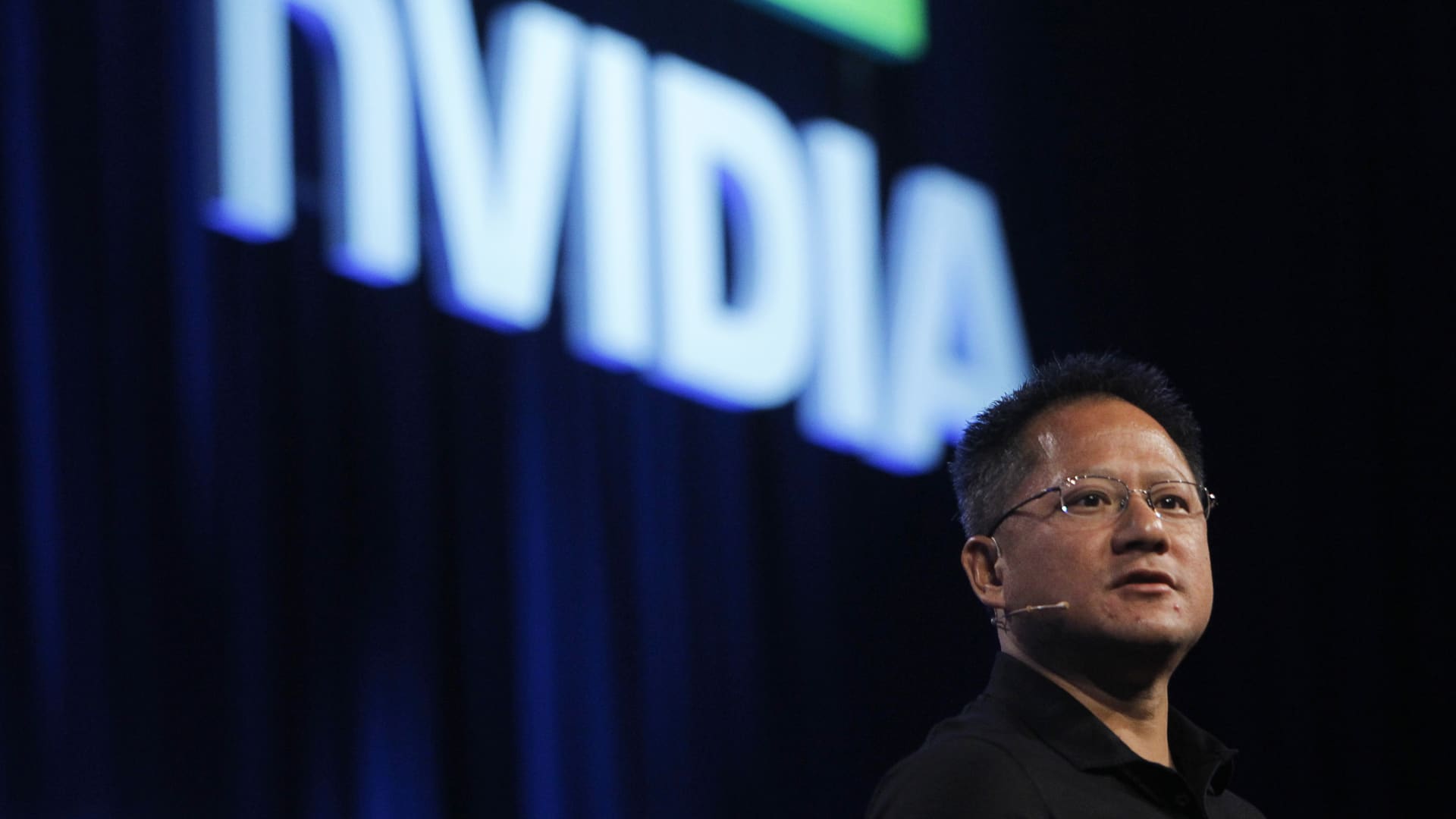
Bank of America Bullish on Apple and Nvidia Stocks


- BofA Stock Picks: Bank of America remains bullish on stocks like Apple and Nvidia as it heads into June, highlighting their significant upside potential, particularly in the current economic climate, making them attractive assets for investors.
- Toll Brothers Strong Performance: Analyst Rafe Jadrosich noted that Toll Brothers delivered a 'rare' beat and raise in its latest quarterly report, with healthy margins and robust demand for luxury homes, positioning it as a top pick despite a challenging macroeconomic environment.
- Citigroup Future Potential: Citigroup has risen 67% over the past 12 months, with BofA analyst Ebrahim Poonawala raising the 12-month price target from $150 to $170, believing the company's proactive approach in AI will further drive stock price increases.
- Retail Stocks Outlook: BofA analyst Robert Ohmes sees strong growth momentum in Dollar General and National Vision Holdings, particularly as Dollar General enhances delivery capabilities through partnerships with Uber and Instacart, despite recent stock declines, making them attractive buying opportunities.

Walmart Upgrades Omnichannel Capabilities Reshaping Retail Landscape


- Omnichannel Enhancement: Walmart's upgraded omnichannel capabilities are reshaping how consumers balance price, convenience, and delivery options, thereby strengthening its position in a highly competitive retail market.
- Competitive Comparison: Walmart's strategy contrasts sharply with Target's experience-driven approach, highlighting Walmart's flexibility and adaptability in meeting diverse consumer needs.
- Intensified Market Competition: As competition in the retail sector intensifies, Walmart's omnichannel upgrades enable it to more effectively respond to challenges from other major retailers, enhancing its market share.
- Shifting Consumer Behavior: With evolving consumer demands for price and convenience, Walmart's omnichannel strategy aims to address these needs, thereby increasing customer loyalty and purchase frequency.
US Stocks Surge as Tech Leads Gains Amid Peace Deal
- Strong Market Performance: The S&P 500 rose by 1.65%, the Nasdaq 100 surged by 3.06%, and the Dow Jones Industrial Average hit a new record high, reflecting investor optimism about market prospects, particularly driven by gains in technology stocks.
- Crude Oil Price Plunge: WTI crude oil prices fell over 4% to a three-month low due to the US-Iran peace agreement and the reopening of the Strait of Hormuz, easing inflation expectations and boosting risk appetite in the equity markets.
- Weak Economic Data: The US June Empire Manufacturing Survey index dropped to 5.7, below the expected 13.7, indicating weakness in manufacturing that could pressure stocks, yet simultaneously supported gains in Treasury bonds.
- Tech Stocks Lead Gains: Chipmakers and AI infrastructure stocks performed strongly, with the iShares Semiconductor ETF rising over 5% and Western Digital up more than 15%, demonstrating strong market confidence in the technology sector.
DoorDash Launches AI Chatbot to Enhance User Experience
- AI Technology Implementation: DoorDash has launched an AI chatbot named Ask DoorDash, aimed at enhancing user experience in food ordering and reservations through photos and prompts, marking a deeper integration of artificial intelligence into its user interface.
- Market Expansion Plans: The chatbot will be rolled out in select markets, with plans to add more U.S. cities in the coming weeks, demonstrating the company's commitment to accelerating its expansion in the highly competitive food delivery sector.
- Investment Cycle Challenges: DoorDash is in the midst of a massive investment cycle, planning to spend several hundred million dollars on new products and technology by 2026, despite its stock being down 33% this year, indicating market concerns over long-term investment returns.
- Increased Competitive Pressure: With competitors like Uber and Instacart also launching AI tools, DoorDash faces mounting pressure to maintain its market competitiveness, particularly in the rapidly evolving AI application landscape, necessitating continuous innovation to avoid being left behind.
DoorDash Launches AI Chatbot to Enhance User Experience
- AI Chatbot Launch: DoorDash has introduced a chatbot named Ask DoorDash, allowing users to order food and groceries using photos and prompts, marking a deeper integration of AI into the user experience.
- Intensifying Market Competition: As companies like DoorDash, Uber, and Instacart race to incorporate AI into their apps, DoorDash faces significant pressure in a rapidly evolving market to avoid being left behind by competitors.
- Investment Cycle Challenges: Currently in a massive investment cycle, DoorDash plans to spend several hundred million dollars on technology platform integration and upgrades by 2026, despite its stock dropping 33% over the past year, indicating market concerns about its investment strategy.
- Acquisition Integration Progress: Following acquisitions of SevenRooms and Deliveroo, the company is advancing its tech stack integration, with the finance chief stating that most spending is expected to be completed this year to support future growth.
Instacart and Weis Markets Launch Caper Carts for Enhanced Shopping Experience
- Real-Time Spend Tracking: Caper Carts enable Weis customers to track their spending in real time while shopping, enhancing convenience and customer experience, which is expected to drive customer loyalty and increase sales.
- Personalized Coupons: The cart's built-in coupon feature allows customers to access exclusive deals during their shopping trips, combined with location-based digital offers, likely leading to a significant increase in customer purchasing intent and basket size.
- Advertising Opportunities: Caper Carts will introduce in-cart advertising, allowing brands to directly reach target audiences while customers shop, which is anticipated to generate additional retail media revenue for Weis.
- Technology-Driven Competitive Advantage: Instacart integrates in-store and online data through Caper Carts, helping Weis enhance sales, reduce out-of-stock situations, and provide a more personalized shopping experience, further solidifying its market position.
Bank of America Bullish on Apple and Nvidia Stocks
- BofA Stock Picks: Bank of America remains bullish on stocks like Apple and Nvidia as it heads into June, highlighting their significant upside potential, particularly in the current economic climate, making them attractive assets for investors.
- Toll Brothers Strong Performance: Analyst Rafe Jadrosich noted that Toll Brothers delivered a 'rare' beat and raise in its latest quarterly report, with healthy margins and robust demand for luxury homes, positioning it as a top pick despite a challenging macroeconomic environment.
- Citigroup Future Potential: Citigroup has risen 67% over the past 12 months, with BofA analyst Ebrahim Poonawala raising the 12-month price target from $150 to $170, believing the company's proactive approach in AI will further drive stock price increases.
- Retail Stocks Outlook: BofA analyst Robert Ohmes sees strong growth momentum in Dollar General and National Vision Holdings, particularly as Dollar General enhances delivery capabilities through partnerships with Uber and Instacart, despite recent stock declines, making them attractive buying opportunities.
Walmart Upgrades Omnichannel Capabilities Reshaping Retail Landscape
- Omnichannel Enhancement: Walmart's upgraded omnichannel capabilities are reshaping how consumers balance price, convenience, and delivery options, thereby strengthening its position in a highly competitive retail market.
- Competitive Comparison: Walmart's strategy contrasts sharply with Target's experience-driven approach, highlighting Walmart's flexibility and adaptability in meeting diverse consumer needs.
- Intensified Market Competition: As competition in the retail sector intensifies, Walmart's omnichannel upgrades enable it to more effectively respond to challenges from other major retailers, enhancing its market share.
- Shifting Consumer Behavior: With evolving consumer demands for price and convenience, Walmart's omnichannel strategy aims to address these needs, thereby increasing customer loyalty and purchase frequency.