Lyft Launches Teen Ridesharing Service for Enhanced Safety

Lyft Inc. shares fell as the stock hit a 20-day low amid broader market weakness, with the Nasdaq-100 down 1.74% and the S&P 500 down 1.03%.
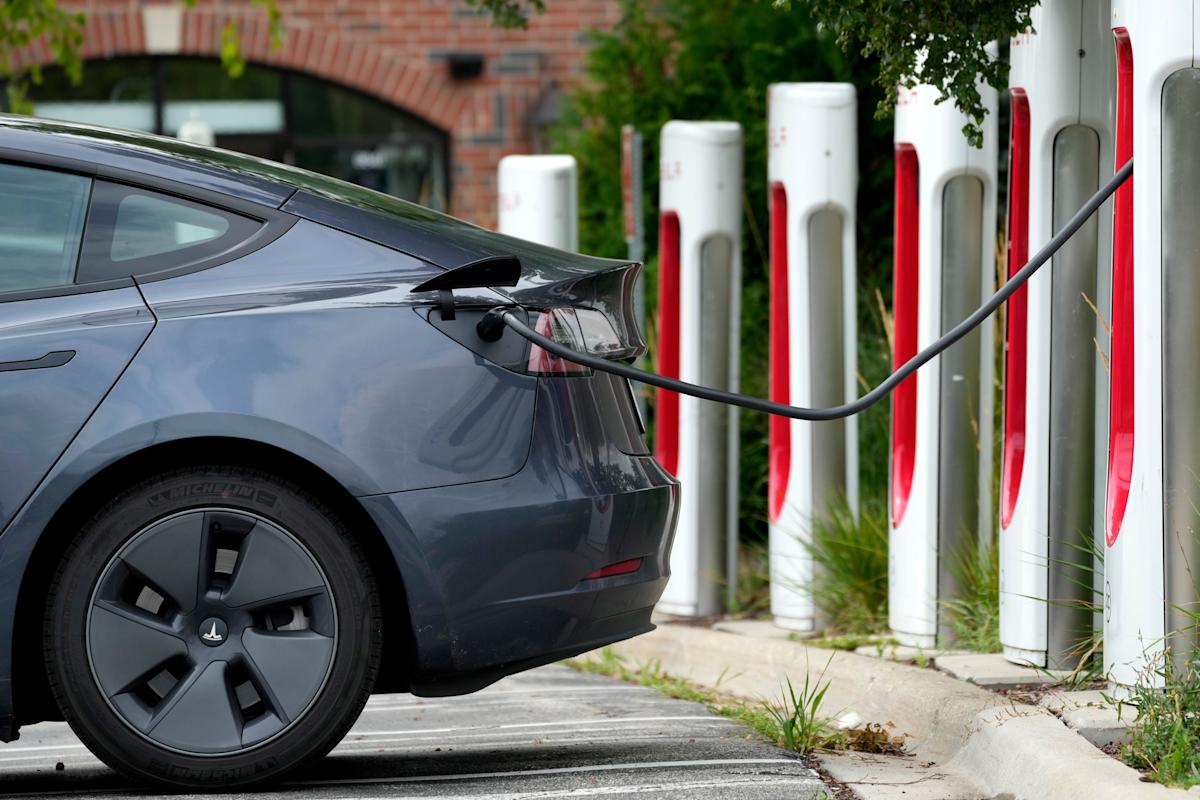
The company announced the development of Lyft Teen, a ridesharing service aimed at teenagers aged 13 to 17, which will enhance safety by pairing them with highly rated drivers. This initiative includes parental management features and enhanced safety measures, marking a strategic shift into the teenage market. Lyft plans to launch this service in early 2026 across hundreds of U.S. cities, which could expand its total addressable market significantly.
This new service could position Lyft favorably in a competitive market, appealing to families seeking safe transportation options for their teenagers, potentially driving future growth.
Trade with 70% Backtested Accuracy
Analyst Views on LYFT

About LYFT
About the author


Lyft Acquires Gett's UK Business to Expand Market Reach
- Market Expansion: Lyft's acquisition of Gett's UK business positions it as a leader in London's black cab app market, nearly doubling the number of rides on its platform, significantly enhancing its market share and competitive edge.
- Diversified Services: This acquisition allows Lyft to offer a more comprehensive suite of ground transportation options, including private hires, bikes, and executive chauffeur services, thereby enhancing user experience and catering to diverse travel needs.
- Autonomous Driving Tests: Lyft's partnership with Baidu will enable it to begin testing autonomous rides in London later this year, showcasing its technological innovation capabilities and potentially opening new avenues for future business growth.
- Long-term Commitment: Lyft's EVP of Global Growth, Jeremy Bird, stated that this acquisition reflects the company's commitment to the London market and confidence in its long-term potential, with the deal expected to close in the coming weeks, further solidifying its position in the region.

QXO Acquires TopBuild for $17 Billion


- Massive Acquisition: QXO has announced its acquisition of TopBuild for $17 billion, marking its largest deal to date and surpassing the total of all previous acquisitions, signifying a major expansion in the building products development sector.
- Enhanced Market Position: This acquisition positions QXO as the second-largest publicly traded building products developer in North America, further solidifying its market presence in the construction industry and laying a foundation for future growth.
- Significant Synergies: TopBuild's solid margins and reasonable valuation provide QXO with substantial synergy opportunities, expected to enhance operational efficiencies through resource and technology integration, thereby creating long-term value for shareholders.
- Industry Consolidation Potential: This acquisition reflects QXO's strategic intent to leverage technology and capital for industry consolidation within an $800 billion building products distribution market, indicating potential for more acquisitions in the future.

QXO Acquires TopBuild for $17 Billion
- Massive Acquisition: QXO has announced its acquisition of TopBuild for $17 billion, marking its largest deal ever, surpassing the total of all previous acquisitions, which signifies a major expansion in the building products development sector.
- Enhanced Market Position: This acquisition positions QXO as the second-largest publicly traded building products developer in North America, expected to drive operational efficiencies through integration and technology application, thereby creating higher long-term value for shareholders.
- Strategic Integration Potential: The strong operational capabilities of TopBuild in installation and distribution, combined with QXO's access to capital, are anticipated to provide robust support for future market expansion and additional acquisitions, further solidifying its market position.
- Industry Consolidation Opportunities: QXO's acquisition strategy aims to consolidate a highly fragmented industry, leveraging reasonable acquisitions and technology-driven efficiency improvements, which is expected to yield substantial returns for shareholders, especially within the $800 billion building products distribution market.

Rising Demand for EVs Among US Car Rental Companies

- EV Reservation Surge: Hertz reported a nearly 25% increase in EV reservations in March compared to February, indicating a growing consumer interest in electric vehicles, particularly on the West Coast where gas prices are highest, suggesting a potential fleet adjustment by rental companies to meet market demand.
- Significant Fuel Price Impact: U.S. gas prices have risen by over a third since February 28, reaching $4.02 per gallon, prompting consumers to seek more economical travel options, reflecting the direct impact of Middle Eastern conflicts on the market.
- Used EV Market Rebound: The price of used electric vehicles has firmed up after months of decline due to rising oil prices, indicating a recovery in consumer demand for EVs, which may drive rental companies to invest more in electric vehicle offerings.
- Strong Performance of Rental Platforms: Car Rental Gateway reported a 16% relative increase in EV and hybrid bookings in March, suggesting that rental companies could gain a competitive edge in a high fuel price environment by attracting more customers looking to save on fuel costs.
JPMorgan Expands Tech Investment Banking Team with Veteran Hires


- Executive Recruitment: JPMorgan has hired two veteran technology bankers from Bank of America, namely Kaushik Banerjee, the global head of semiconductor investment banking, and Homan Milani, a senior internet investment banker, significantly strengthening its tech investment banking team.
- Semiconductor Expertise: Banerjee has advised on nearly a dozen marquee semiconductor transactions at Bank of America, including the restructuring of Renesas' $2.1 billion investment in Wolfspeed, showcasing his deep background and influence in the semiconductor sector.
- Internet Investment Banking Leadership: Milani, who led the internet investment banking division at Bank of America, worked on M&A and financing deals for notable companies like DoorDash and Unity Software, and is expected to drive JPMorgan's strategic initiatives in AI.
- Enhanced Market Position: JPMorgan has significantly increased its investment in technology banking and M&A teams in recent years, emerging at the top of the league tables for fees from U.S. and global tech deals, indicating its competitive advantage in the rapidly evolving tech market.

Analysis of Banking and Semiconductor Earnings Reports


- Strong Banking Performance: Bank of America reported a 17% year-over-year increase in earnings for Q1, with net interest income exceeding expectations, and trading revenue and investment banking fees growing by 30% and 21% respectively, indicating heightened trading activity due to market volatility, which enhances profitability.
- Improved Credit Quality: The bank's provision for credit losses was about $200 million less than expected, with a net charge-off ratio improving by 6 basis points year-over-year to 0.48%, suggesting a healthy consumer credit environment that may further support future earnings growth.
- Robust Semiconductor Demand: Taiwan Semiconductor reported a 35% year-over-year revenue growth in Q1, with a gross margin of 66%, indicating that demand driven by high-performance computing and AI exceeds its production capacity, reflecting a positive industry outlook.
- Stable ASML Equipment Sales: ASML sold 79 lithography machines this quarter, generating over $10 billion in revenue, slightly above expectations, demonstrating strong market demand, while maintenance service revenue grew by 17%, indicating increased customer reliance on its equipment.
Lyft Acquires Gett's UK Business to Expand Market Reach
- Market Expansion: Lyft's acquisition of Gett's UK business positions it as a leader in London's black cab app market, nearly doubling the number of rides on its platform, significantly enhancing its market share and competitive edge.
- Diversified Services: This acquisition allows Lyft to offer a more comprehensive suite of ground transportation options, including private hires, bikes, and executive chauffeur services, thereby enhancing user experience and catering to diverse travel needs.
- Autonomous Driving Tests: Lyft's partnership with Baidu will enable it to begin testing autonomous rides in London later this year, showcasing its technological innovation capabilities and potentially opening new avenues for future business growth.
- Long-term Commitment: Lyft's EVP of Global Growth, Jeremy Bird, stated that this acquisition reflects the company's commitment to the London market and confidence in its long-term potential, with the deal expected to close in the coming weeks, further solidifying its position in the region.
QXO Acquires TopBuild for $17 Billion
- Massive Acquisition: QXO has announced its acquisition of TopBuild for $17 billion, marking its largest deal to date and surpassing the total of all previous acquisitions, signifying a major expansion in the building products development sector.
- Enhanced Market Position: This acquisition positions QXO as the second-largest publicly traded building products developer in North America, further solidifying its market presence in the construction industry and laying a foundation for future growth.
- Significant Synergies: TopBuild's solid margins and reasonable valuation provide QXO with substantial synergy opportunities, expected to enhance operational efficiencies through resource and technology integration, thereby creating long-term value for shareholders.
- Industry Consolidation Potential: This acquisition reflects QXO's strategic intent to leverage technology and capital for industry consolidation within an $800 billion building products distribution market, indicating potential for more acquisitions in the future.
QXO Acquires TopBuild for $17 Billion
- Massive Acquisition: QXO has announced its acquisition of TopBuild for $17 billion, marking its largest deal ever, surpassing the total of all previous acquisitions, which signifies a major expansion in the building products development sector.
- Enhanced Market Position: This acquisition positions QXO as the second-largest publicly traded building products developer in North America, expected to drive operational efficiencies through integration and technology application, thereby creating higher long-term value for shareholders.
- Strategic Integration Potential: The strong operational capabilities of TopBuild in installation and distribution, combined with QXO's access to capital, are anticipated to provide robust support for future market expansion and additional acquisitions, further solidifying its market position.
- Industry Consolidation Opportunities: QXO's acquisition strategy aims to consolidate a highly fragmented industry, leveraging reasonable acquisitions and technology-driven efficiency improvements, which is expected to yield substantial returns for shareholders, especially within the $800 billion building products distribution market.
Rising Demand for EVs Among US Car Rental Companies
- EV Reservation Surge: Hertz reported a nearly 25% increase in EV reservations in March compared to February, indicating a growing consumer interest in electric vehicles, particularly on the West Coast where gas prices are highest, suggesting a potential fleet adjustment by rental companies to meet market demand.
- Significant Fuel Price Impact: U.S. gas prices have risen by over a third since February 28, reaching $4.02 per gallon, prompting consumers to seek more economical travel options, reflecting the direct impact of Middle Eastern conflicts on the market.
- Used EV Market Rebound: The price of used electric vehicles has firmed up after months of decline due to rising oil prices, indicating a recovery in consumer demand for EVs, which may drive rental companies to invest more in electric vehicle offerings.
- Strong Performance of Rental Platforms: Car Rental Gateway reported a 16% relative increase in EV and hybrid bookings in March, suggesting that rental companies could gain a competitive edge in a high fuel price environment by attracting more customers looking to save on fuel costs.
JPMorgan Expands Tech Investment Banking Team with Veteran Hires
- Executive Recruitment: JPMorgan has hired two veteran technology bankers from Bank of America, namely Kaushik Banerjee, the global head of semiconductor investment banking, and Homan Milani, a senior internet investment banker, significantly strengthening its tech investment banking team.
- Semiconductor Expertise: Banerjee has advised on nearly a dozen marquee semiconductor transactions at Bank of America, including the restructuring of Renesas' $2.1 billion investment in Wolfspeed, showcasing his deep background and influence in the semiconductor sector.
- Internet Investment Banking Leadership: Milani, who led the internet investment banking division at Bank of America, worked on M&A and financing deals for notable companies like DoorDash and Unity Software, and is expected to drive JPMorgan's strategic initiatives in AI.
- Enhanced Market Position: JPMorgan has significantly increased its investment in technology banking and M&A teams in recent years, emerging at the top of the league tables for fees from U.S. and global tech deals, indicating its competitive advantage in the rapidly evolving tech market.
Analysis of Banking and Semiconductor Earnings Reports
- Strong Banking Performance: Bank of America reported a 17% year-over-year increase in earnings for Q1, with net interest income exceeding expectations, and trading revenue and investment banking fees growing by 30% and 21% respectively, indicating heightened trading activity due to market volatility, which enhances profitability.
- Improved Credit Quality: The bank's provision for credit losses was about $200 million less than expected, with a net charge-off ratio improving by 6 basis points year-over-year to 0.48%, suggesting a healthy consumer credit environment that may further support future earnings growth.
- Robust Semiconductor Demand: Taiwan Semiconductor reported a 35% year-over-year revenue growth in Q1, with a gross margin of 66%, indicating that demand driven by high-performance computing and AI exceeds its production capacity, reflecting a positive industry outlook.
- Stable ASML Equipment Sales: ASML sold 79 lithography machines this quarter, generating over $10 billion in revenue, slightly above expectations, demonstrating strong market demand, while maintenance service revenue grew by 17%, indicating increased customer reliance on its equipment.