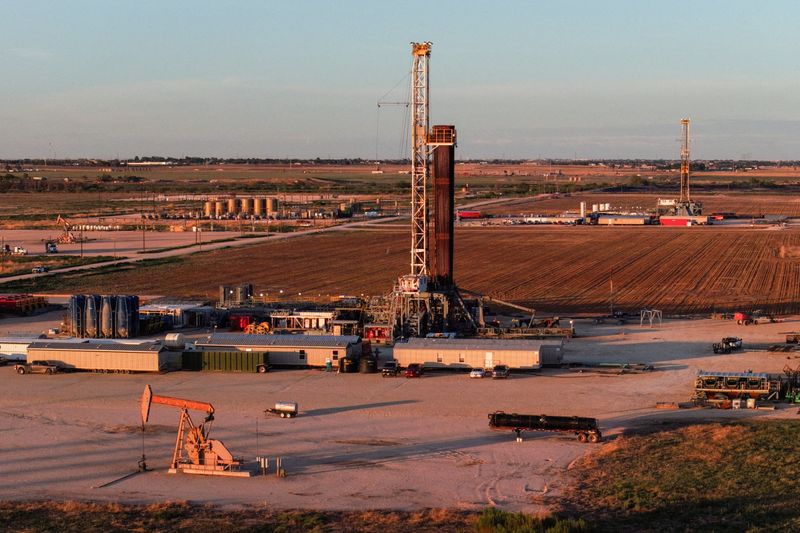
LNG Shipping Market Crisis Deepens Amidst Asian Demand Surge

Frontline PLC's stock fell as it hit a 5-day low amid a broader market decline, with the Nasdaq-100 down 1.50% and the S&P 500 down 1.29%.
The LNG shipping market is facing a severe supply-demand imbalance, with at least 20 liquefied natural gas carriers trapped in the Persian Gulf due to surging demand from Asia. This situation is expected to have lasting price implications and has led to skyrocketing charter rates, which have more than doubled, presenting shipowners with significantly higher revenue opportunities. The ongoing crisis is likely to impact the global energy supply chain for several months.
The implications for Frontline PLC are significant, as the company operates in the shipping sector, which is currently experiencing volatility due to external market pressures. Investors will need to monitor how these developments affect shipping rates and demand in the coming months.
Trade with 70% Backtested Accuracy
Analyst Views on FRO

About FRO
About the author


Latest Rating Changes on Wall Street

- Airbnb Upgrade: Wells Fargo upgraded Airbnb from equal weight to overweight, projecting revenue growth of 6% to 11% and EPS growth of 7% to 12% by 2027, indicating strong innovation and market potential.
- Positive Outlook for SharonAI: Compass Point initiated coverage on SharonAI with a buy rating, highlighting that its first major contract will drive scale and that its Australian capacity build provides a credible market base for deployment.
- Biogen's Multiple Catalysts: UBS upgraded Biogen to buy with a price target of $225, citing increasing confidence in several pipeline catalysts expected to drive stock price higher over the next 12-15 months.
- Twilio's Strategic Improvement: Bank of America upgraded Twilio from underperform to buy with a price target of $190, believing its strategic positioning in AI will lead to positive growth inflections for the company.
Evercore ISI Downgrades DHT and Frontline Ratings
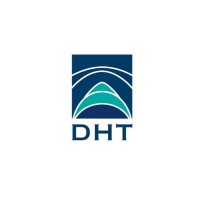
- Rating Downgrades: Evercore ISI downgraded DHT Holdings and Frontline from Outperform to In-Line, while Nordic American Tanker was cut from In-Line to Underperform, reflecting a cautious outlook on the tanker sector's future.
- Market Dynamics: Although spot rates are at record highs, analysts noted that the parabolic rise over the past two months has been driven by the anomalous factor of the Strait of Hormuz closure, which may lead to future earnings uncertainty.
- Earnings Outlook: Evercore analyst Jonathan Chappell indicated that investor skepticism regarding an eventual resolution to Iranian hostilities has resulted in lackluster follow-through in tanker stocks, potentially leading to profit-taking.
- Demand Risks: Despite VLCC orders hitting a record in Q1, analysts warn that rising oil prices could threaten demand growth, particularly when the Middle East conflict concludes, posing greater downside risks to utilization.
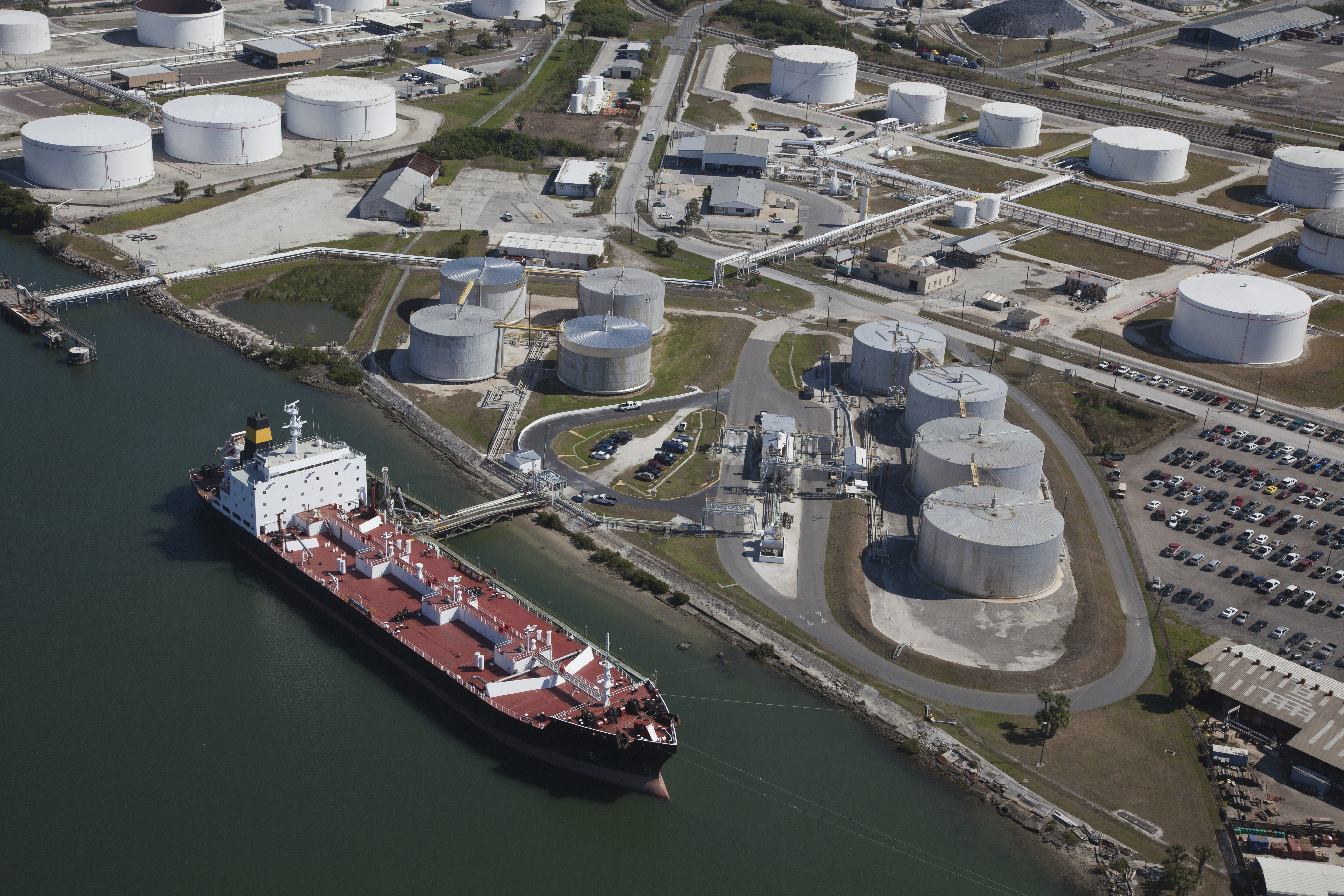
Crude Tanker Rates in Europe Fall Back to Pre-War Levels

- Rate Decline: Crude tanker rates in the European and Atlantic markets have retreated to pre-war levels, primarily due to tankers that would have returned to the Mideast Gulf now populating more liquid markets, leading to increased supply.
- Black Sea-Mediterranean Route: The Suezmax route from the Black Sea to the Mediterranean surged from WS200 ($24.08/ton) before the war to WS475 ($57.19/ton), but has plummeted nearly 50% in just two days to WS230 ($27.69/ton), indicating significant market volatility.
- Impact on U.S. Market: Suezmax rates from the U.S. Gulf Coast and Guyana have dropped to their lowest since the war began, reflecting a trend of tonnage shifting away from the Mideast Gulf, which further depresses rates.
- Aframax Rate Plunge: European Aframax rates have also seen a sharp decline, with the Ceyhan-origin cross Mediterranean route ending on April 20 at WS270, down significantly from WS655 on March 30, highlighting the market's weakness.
U.S. Naval Blockade on Iranian Ports Boosts Shipping Stocks Broadly
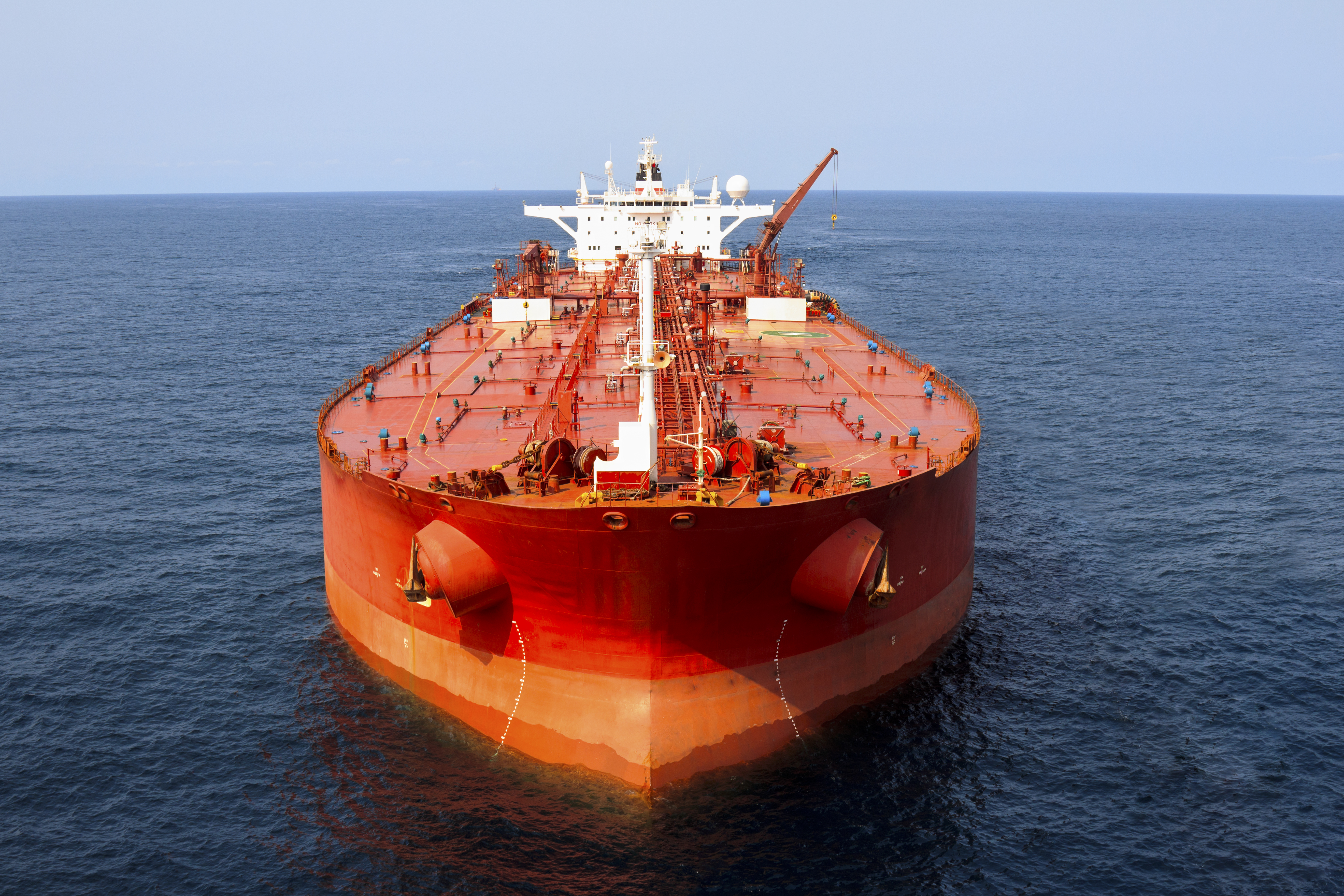
- Broad Gains in Shipping: The shipping and tanker industry saw broad gains on Monday following the U.S. naval blockade of Iranian ports, although results finished well off sharp early gains, indicating market sensitivity to geopolitical risks.
- Tanker Stock Performance: According to TradeWinds, tanker stocks gained an average of 2.8%, with clean product carriers performing slightly better than crude tankers, reflecting varying demand across different types of tankers in the current market.
- Top Gainers: Among the notable gainers, Navigator Holdings (NVGS) rose 3.7%, Torm (TRMD) increased by 3.5%, and Scorpio Tankers (STNG) climbed 2.6%, showcasing their relative strength in the current market environment.
- Market Dynamics Analysis: This rally continues the
Oil Tanker Transit Halted in Strait of Hormuz Amid Israeli Attacks
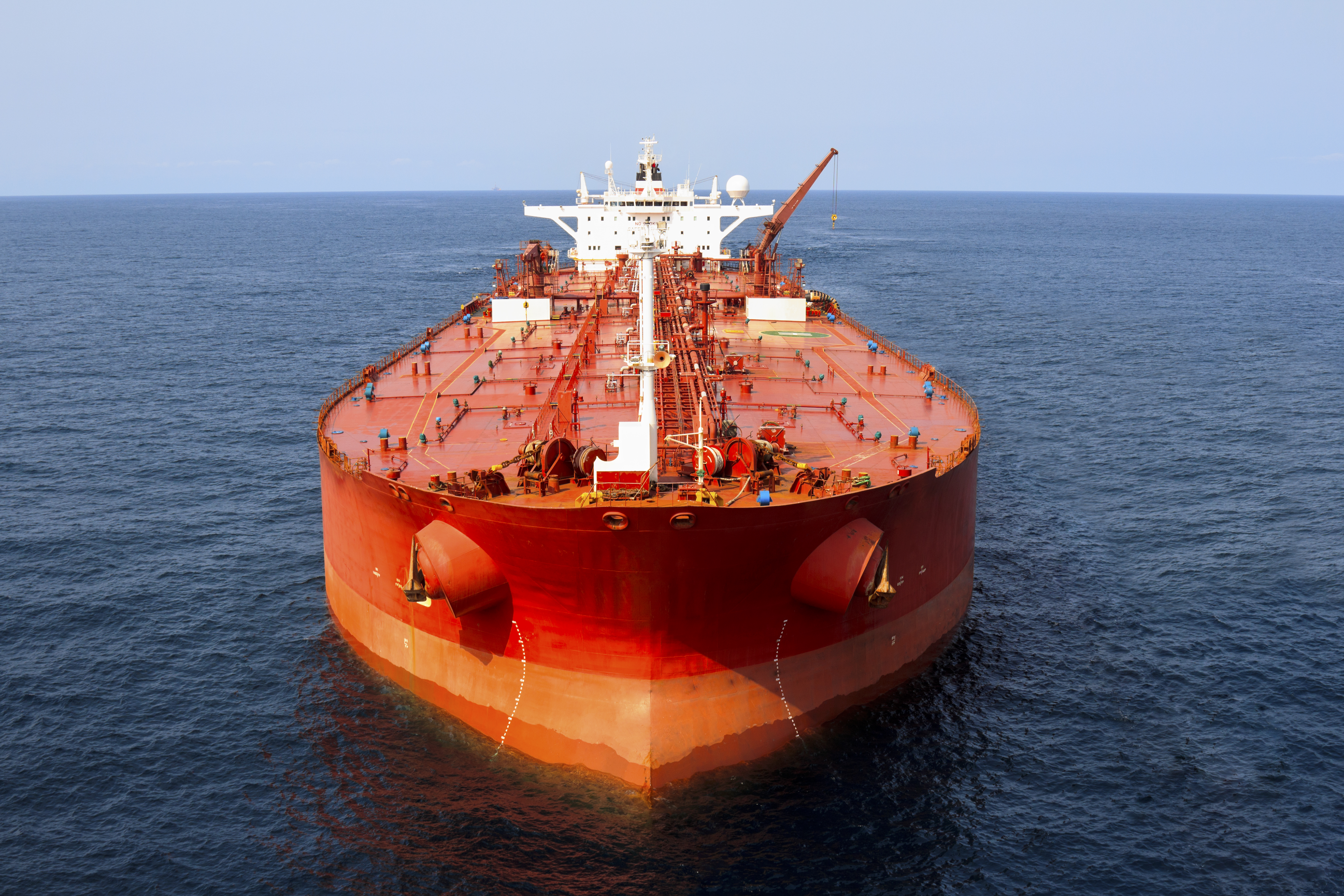
- Transit Disruption: Oil tanker transit through the Strait of Hormuz has been halted due to Israeli attacks on Lebanon, potentially jeopardizing the stability of the ceasefire agreement and creating uncertainty for shipping companies.
- Limited Resumption: Following President Trump's announcement of a temporary ceasefire, limited ship movement has resumed in the strait, with Fars reporting that two tankers were granted safe passage, indicating a delicate shift in the situation.
- Market Reaction: Despite the tense situation, energy-related shipping shares have generally risen, with DHT Holdings up 3.5% and Frontline up 3.3%, reflecting market optimism regarding future oil tanker transportation.
- Risk Assessment: Analyst Fredrik Dybwad noted that if transit becomes possible in the coming two weeks, there may be a prioritization of clearing trapped tankers, posing a risk to tanker rates, but increased demand could also drive rates higher.
Middle East Conflict Boosts Oil Tanker Stocks

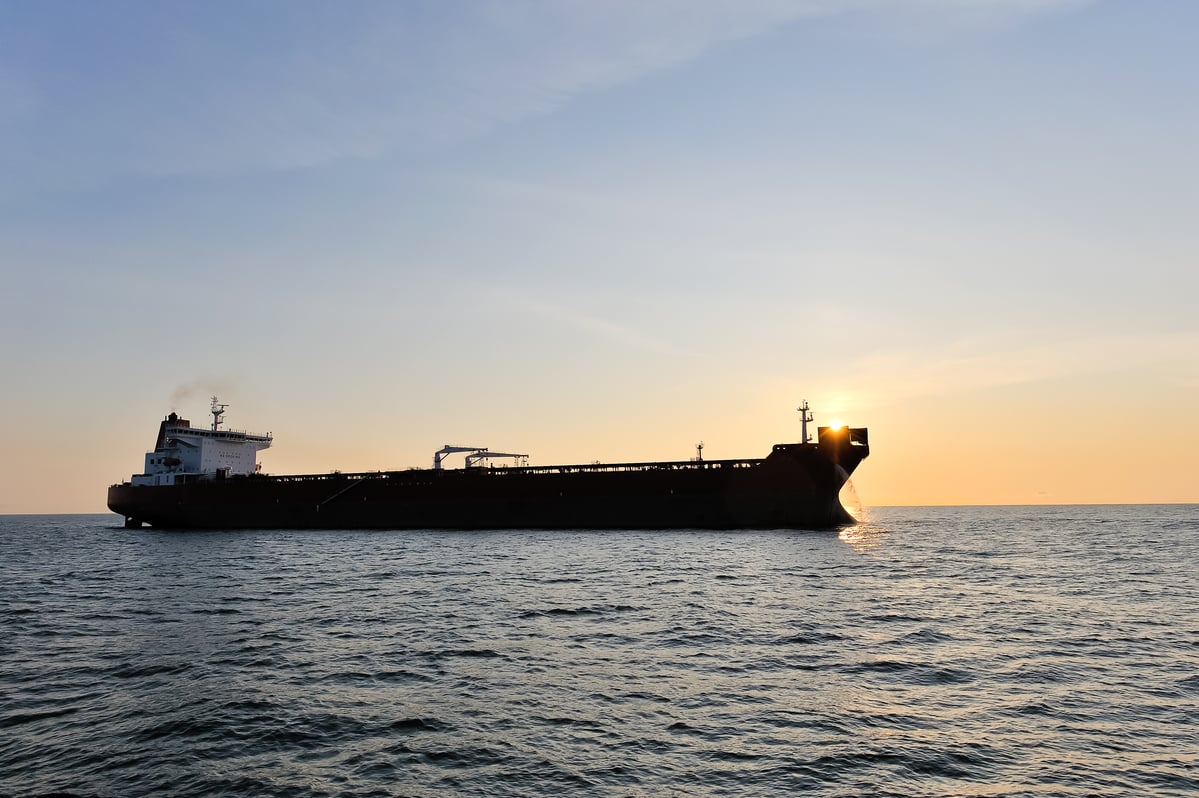
- Strait of Hormuz Impact: Disruptions in the Strait of Hormuz directly affect about 20% of global crude oil supply, leading to significant increases in oil tanker day rates, with Frontline, the largest operator, poised for substantial short-term profitability gains.
- High Operating Leverage: With most of Frontline's operating expenses fixed, rising oil prices allow incremental revenue to flow directly to the bottom line, as evidenced by the current VLCC day rate of $423,736, far exceeding the $76,900 average at the start of 2026, indicating strong profit potential.
- Conservative Analyst Expectations: Analysts project Frontline's EPS to exceed $3.50 in 2026 but drop to around $2.35 in 2027, reflecting cautious sentiment regarding the sustainability of this tailwind, which may pressure the stock price in the short term.
- Attractive Dividend Yield: With a current dividend yield of 5.2%, Frontline stands out among high-yield stocks, and if elevated rates persist, exceeding earnings expectations could further drive the stock price up, attracting more investor interest.
Latest Rating Changes on Wall Street
- Airbnb Upgrade: Wells Fargo upgraded Airbnb from equal weight to overweight, projecting revenue growth of 6% to 11% and EPS growth of 7% to 12% by 2027, indicating strong innovation and market potential.
- Positive Outlook for SharonAI: Compass Point initiated coverage on SharonAI with a buy rating, highlighting that its first major contract will drive scale and that its Australian capacity build provides a credible market base for deployment.
- Biogen's Multiple Catalysts: UBS upgraded Biogen to buy with a price target of $225, citing increasing confidence in several pipeline catalysts expected to drive stock price higher over the next 12-15 months.
- Twilio's Strategic Improvement: Bank of America upgraded Twilio from underperform to buy with a price target of $190, believing its strategic positioning in AI will lead to positive growth inflections for the company.
Evercore ISI Downgrades DHT and Frontline Ratings
- Rating Downgrades: Evercore ISI downgraded DHT Holdings and Frontline from Outperform to In-Line, while Nordic American Tanker was cut from In-Line to Underperform, reflecting a cautious outlook on the tanker sector's future.
- Market Dynamics: Although spot rates are at record highs, analysts noted that the parabolic rise over the past two months has been driven by the anomalous factor of the Strait of Hormuz closure, which may lead to future earnings uncertainty.
- Earnings Outlook: Evercore analyst Jonathan Chappell indicated that investor skepticism regarding an eventual resolution to Iranian hostilities has resulted in lackluster follow-through in tanker stocks, potentially leading to profit-taking.
- Demand Risks: Despite VLCC orders hitting a record in Q1, analysts warn that rising oil prices could threaten demand growth, particularly when the Middle East conflict concludes, posing greater downside risks to utilization.
Crude Tanker Rates in Europe Fall Back to Pre-War Levels
- Rate Decline: Crude tanker rates in the European and Atlantic markets have retreated to pre-war levels, primarily due to tankers that would have returned to the Mideast Gulf now populating more liquid markets, leading to increased supply.
- Black Sea-Mediterranean Route: The Suezmax route from the Black Sea to the Mediterranean surged from WS200 ($24.08/ton) before the war to WS475 ($57.19/ton), but has plummeted nearly 50% in just two days to WS230 ($27.69/ton), indicating significant market volatility.
- Impact on U.S. Market: Suezmax rates from the U.S. Gulf Coast and Guyana have dropped to their lowest since the war began, reflecting a trend of tonnage shifting away from the Mideast Gulf, which further depresses rates.
- Aframax Rate Plunge: European Aframax rates have also seen a sharp decline, with the Ceyhan-origin cross Mediterranean route ending on April 20 at WS270, down significantly from WS655 on March 30, highlighting the market's weakness.
U.S. Naval Blockade on Iranian Ports Boosts Shipping Stocks Broadly
- Broad Gains in Shipping: The shipping and tanker industry saw broad gains on Monday following the U.S. naval blockade of Iranian ports, although results finished well off sharp early gains, indicating market sensitivity to geopolitical risks.
- Tanker Stock Performance: According to TradeWinds, tanker stocks gained an average of 2.8%, with clean product carriers performing slightly better than crude tankers, reflecting varying demand across different types of tankers in the current market.
- Top Gainers: Among the notable gainers, Navigator Holdings (NVGS) rose 3.7%, Torm (TRMD) increased by 3.5%, and Scorpio Tankers (STNG) climbed 2.6%, showcasing their relative strength in the current market environment.
- Market Dynamics Analysis: This rally continues the
Oil Tanker Transit Halted in Strait of Hormuz Amid Israeli Attacks
- Transit Disruption: Oil tanker transit through the Strait of Hormuz has been halted due to Israeli attacks on Lebanon, potentially jeopardizing the stability of the ceasefire agreement and creating uncertainty for shipping companies.
- Limited Resumption: Following President Trump's announcement of a temporary ceasefire, limited ship movement has resumed in the strait, with Fars reporting that two tankers were granted safe passage, indicating a delicate shift in the situation.
- Market Reaction: Despite the tense situation, energy-related shipping shares have generally risen, with DHT Holdings up 3.5% and Frontline up 3.3%, reflecting market optimism regarding future oil tanker transportation.
- Risk Assessment: Analyst Fredrik Dybwad noted that if transit becomes possible in the coming two weeks, there may be a prioritization of clearing trapped tankers, posing a risk to tanker rates, but increased demand could also drive rates higher.
Middle East Conflict Boosts Oil Tanker Stocks
- Strait of Hormuz Impact: Disruptions in the Strait of Hormuz directly affect about 20% of global crude oil supply, leading to significant increases in oil tanker day rates, with Frontline, the largest operator, poised for substantial short-term profitability gains.
- High Operating Leverage: With most of Frontline's operating expenses fixed, rising oil prices allow incremental revenue to flow directly to the bottom line, as evidenced by the current VLCC day rate of $423,736, far exceeding the $76,900 average at the start of 2026, indicating strong profit potential.
- Conservative Analyst Expectations: Analysts project Frontline's EPS to exceed $3.50 in 2026 but drop to around $2.35 in 2027, reflecting cautious sentiment regarding the sustainability of this tailwind, which may pressure the stock price in the short term.
- Attractive Dividend Yield: With a current dividend yield of 5.2%, Frontline stands out among high-yield stocks, and if elevated rates persist, exceeding earnings expectations could further drive the stock price up, attracting more investor interest.