KLA Corp faces pressure amid market decline

KLA Corp (KLAC) has seen its stock price drop by 4.08%, hitting a 20-day low, as broader market indices like the Nasdaq-100 and S&P 500 decline by nearly 1%.
The recent market turmoil, driven by concerns over the ongoing Middle East conflict and rising energy prices, has negatively impacted investor sentiment across various sectors, including semiconductors. Despite KLA's strong performance in the past six months, where it outperformed the electronics industry, the current market conditions have led to a significant pullback in its stock price.
This decline highlights the volatility in the semiconductor sector, where external geopolitical factors can heavily influence stock performance. Investors may need to reassess their positions in light of these developments.
Trade with 70% Backtested Accuracy
Analyst Views on KLAC

About KLAC
About the author


US Stocks Surge as Oil Prices Plunge Amid Peace Talks


- Market Rally: The S&P 500 rose 1.20% and the Nasdaq 100 increased by 1.29%, reaching all-time highs, reflecting investor optimism regarding US-Iran peace talks, which may enhance risk appetite in the markets.
- Oil Price Plunge: WTI crude prices fell over 11% to a five-week low after Iran announced the Strait of Hormuz is fully open, easing inflation concerns and causing the 10-year T-note yield to drop 7 basis points to 4.24%.
- Strong Earnings Season: The earnings season started robustly, with 81% of the 48 S&P 500 companies reporting Q1 earnings exceeding estimates, projecting a 12% year-over-year increase in earnings, providing strong support for the stock market.
- Airline Stocks Surge: Airline stocks surged as fuel costs decreased, with Alaska Air Group (ALK) rising over 10% and Royal Caribbean Cruises Ltd (RCL) up more than 7%, indicating market confidence in the recovery of the airline industry.
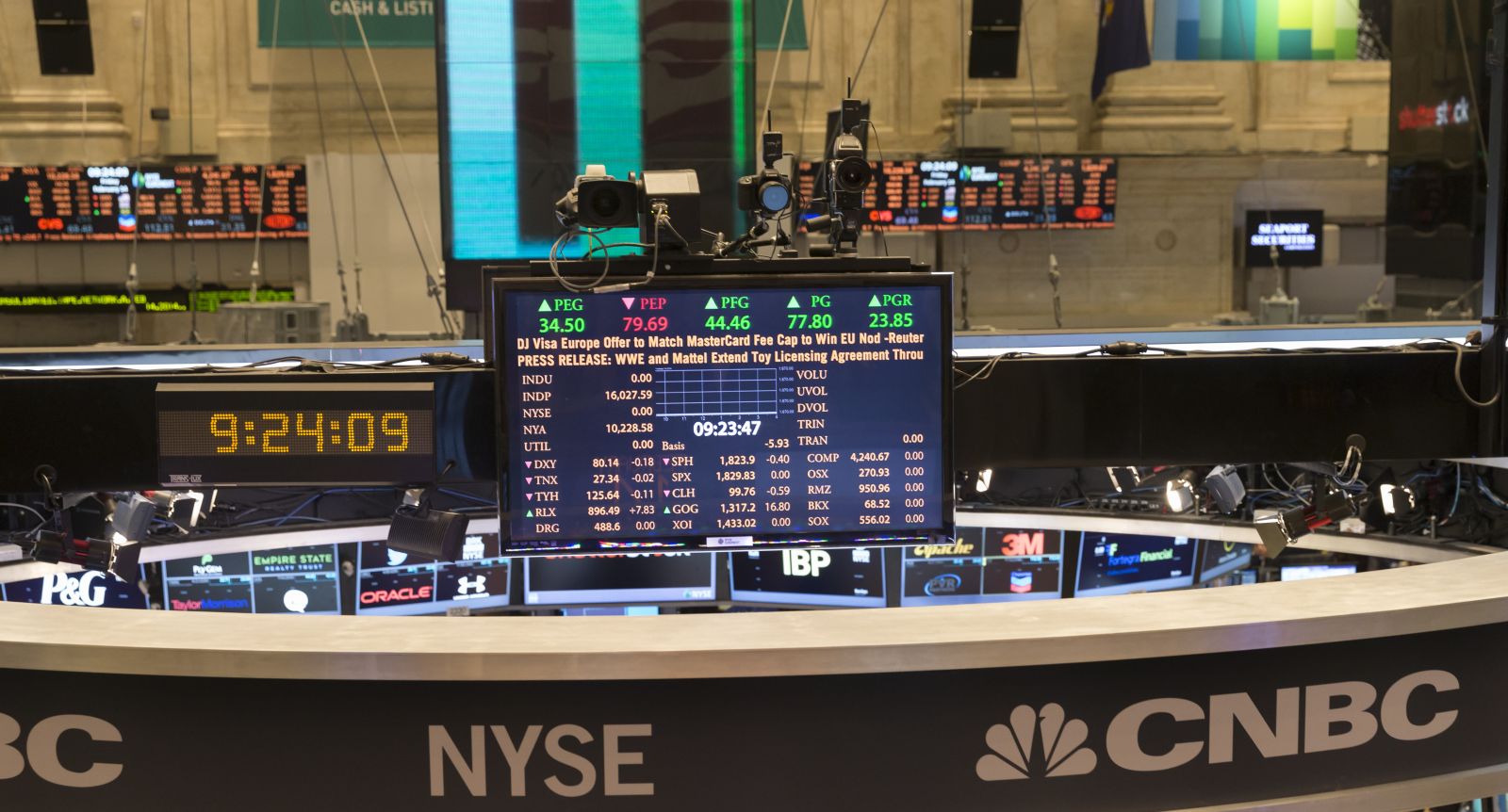
US Stocks Rally as Oil Prices Plunge Amid Peace Talks
- Market Surge: The S&P 500 rose by 1.28% and the Nasdaq 100 reached an all-time high, reflecting investor optimism driven by peace talks between the US and Iran, which may enhance risk appetite and bolster overall market confidence.
- Oil Price Plunge: WTI crude oil prices fell over 13% to a five-week low after the Strait of Hormuz reopened, easing inflation concerns and causing the 10-year Treasury yield to drop by 8 basis points, further supporting the bond market.
- Earnings Growth Expectations: Q1 earnings for the S&P 500 are projected to increase by 12% year-over-year, although excluding the tech sector, growth is only 3%, indicating resilience in corporate performance amid economic recovery and providing market support.
- Airline Stocks Soar: With reduced fuel costs, Alaska Air Group and United Airlines surged by over 14% and 11%, respectively, demonstrating the positive impact of falling oil prices on the airline industry, which could enhance profitability for related companies.

Analysis of USD Stock Price Fluctuations and ETF Dynamics

- Price Fluctuation Range: The USD stock has a 52-week low of $14.665 and a high of $71.11, with the last trade at $70.15, indicating significant price volatility that may influence investor buying decisions.
- Technical Analysis Tool: Comparing the latest stock price to the 200-day moving average provides valuable insights for investors, helping to assess market trends and potential buy or sell opportunities.
- ETF Trading Mechanism: Exchange-traded funds (ETFs) trade like stocks, where investors buy and sell 'units' that can be created or destroyed based on demand, impacting the liquidity and market performance of the ETF.
- Inflows and Outflows Monitoring: Weekly monitoring of changes in ETF shares outstanding focuses on those experiencing notable inflows (new units created) or outflows (old units destroyed), allowing assessment of their impact on underlying assets and market trends.

US Stocks Dip Slightly as Chipmakers Weigh on Market


- Market Performance: The S&P 500 index fell by 0.15%, the Dow Jones Industrial Average decreased by 0.06%, and the Nasdaq 100 dropped by 0.21%, indicating a slight market pullback after reaching new highs, particularly pressured by weakness in chipmakers.
- Economic Data: Initial jobless claims in the US fell by 11,000 to 207,000, indicating a stronger labor market than the expected 213,000; additionally, the Philadelphia Fed business outlook unexpectedly rose by 8.6 to a 15-month high of 26.7, reflecting potential economic recovery.
- Oil Price Fluctuations: WTI crude oil prices increased by over 1% as the US naval blockade of the Strait of Hormuz enters its fourth day, which could exacerbate global oil and fuel shortages, impacting future energy market stability.
- Earnings Season: Q1 earnings for the S&P 500 are projected to rise by 12% year-over-year, but excluding the technology sector, the earnings growth is only 3%, the lowest in two years, indicating a cautious market outlook on profit growth.

Momentum Stocks Surge as Wall Street Optimism Grows


- Record for Momentum ETF: The iShares MSCI USA Momentum Factor ETF (MTUM) hit a new high on Thursday, marking its tenth consecutive winning session, reflecting strong market confidence in growth stocks and suggesting a potential upward trend for the overall market.
- Market Rebound Signs: MTUM, which was down over 7% year-to-date, has now risen 8%, coinciding with the S&P 500's recovery, indicating that the market may be experiencing a broader rebound as investor sentiment turns optimistic.
- Outstanding Stock Performance: Since the onset of the Iran war, Bloom Energy's stock has surged over 40%, while Intel has also risen more than 40%, showcasing the appeal of momentum stocks, particularly following expanded partnerships with major tech companies.
- Momentum Drives Market: Jeff Kilburg, founder of KKM Financial, emphasized that momentum is the primary driver of market gains, predicting that the S&P 500 will reach new all-time highs, with the return of momentum providing strong support for the market.

Semiconductor Equipment Company Faces Revenue Headwinds

- Revenue Outlook Downgrade: A major U.S. wafer-fab equipment company has disclosed expected revenue headwinds for fiscal 2026 due to new export control updates, particularly limiting services to specific customers in China, raising investor concerns about a potential demand reset in the semiconductor equipment sector that could negatively impact sales growth and profitability.
- Sector-Wide Decline: Following a weak second-quarter forecast from ASML, chip stocks broadly declined, with KLA Corporation's shares falling 4.2% and Lam Research down 3.8%, reflecting a pessimistic sentiment regarding the industry's outlook.
- Market Overreaction: Despite the significant drop in chip stocks, analysts suggest that the market may be overreacting to the news, presenting potential buying opportunities for high-quality stocks, especially after several days of solid rallies in the sector.
- KLA Stock Volatility: KLA Corporation has experienced 19 moves greater than 5% over the past year, with its current share price at $1,733, close to its 52-week high of $1,796, indicating that the market still holds a positive view on the company's fundamentals despite recent volatility.
US Stocks Surge as Oil Prices Plunge Amid Peace Talks
- Market Rally: The S&P 500 rose 1.20% and the Nasdaq 100 increased by 1.29%, reaching all-time highs, reflecting investor optimism regarding US-Iran peace talks, which may enhance risk appetite in the markets.
- Oil Price Plunge: WTI crude prices fell over 11% to a five-week low after Iran announced the Strait of Hormuz is fully open, easing inflation concerns and causing the 10-year T-note yield to drop 7 basis points to 4.24%.
- Strong Earnings Season: The earnings season started robustly, with 81% of the 48 S&P 500 companies reporting Q1 earnings exceeding estimates, projecting a 12% year-over-year increase in earnings, providing strong support for the stock market.
- Airline Stocks Surge: Airline stocks surged as fuel costs decreased, with Alaska Air Group (ALK) rising over 10% and Royal Caribbean Cruises Ltd (RCL) up more than 7%, indicating market confidence in the recovery of the airline industry.
US Stocks Rally as Oil Prices Plunge Amid Peace Talks
- Market Surge: The S&P 500 rose by 1.28% and the Nasdaq 100 reached an all-time high, reflecting investor optimism driven by peace talks between the US and Iran, which may enhance risk appetite and bolster overall market confidence.
- Oil Price Plunge: WTI crude oil prices fell over 13% to a five-week low after the Strait of Hormuz reopened, easing inflation concerns and causing the 10-year Treasury yield to drop by 8 basis points, further supporting the bond market.
- Earnings Growth Expectations: Q1 earnings for the S&P 500 are projected to increase by 12% year-over-year, although excluding the tech sector, growth is only 3%, indicating resilience in corporate performance amid economic recovery and providing market support.
- Airline Stocks Soar: With reduced fuel costs, Alaska Air Group and United Airlines surged by over 14% and 11%, respectively, demonstrating the positive impact of falling oil prices on the airline industry, which could enhance profitability for related companies.
Analysis of USD Stock Price Fluctuations and ETF Dynamics
- Price Fluctuation Range: The USD stock has a 52-week low of $14.665 and a high of $71.11, with the last trade at $70.15, indicating significant price volatility that may influence investor buying decisions.
- Technical Analysis Tool: Comparing the latest stock price to the 200-day moving average provides valuable insights for investors, helping to assess market trends and potential buy or sell opportunities.
- ETF Trading Mechanism: Exchange-traded funds (ETFs) trade like stocks, where investors buy and sell 'units' that can be created or destroyed based on demand, impacting the liquidity and market performance of the ETF.
- Inflows and Outflows Monitoring: Weekly monitoring of changes in ETF shares outstanding focuses on those experiencing notable inflows (new units created) or outflows (old units destroyed), allowing assessment of their impact on underlying assets and market trends.
US Stocks Dip Slightly as Chipmakers Weigh on Market
- Market Performance: The S&P 500 index fell by 0.15%, the Dow Jones Industrial Average decreased by 0.06%, and the Nasdaq 100 dropped by 0.21%, indicating a slight market pullback after reaching new highs, particularly pressured by weakness in chipmakers.
- Economic Data: Initial jobless claims in the US fell by 11,000 to 207,000, indicating a stronger labor market than the expected 213,000; additionally, the Philadelphia Fed business outlook unexpectedly rose by 8.6 to a 15-month high of 26.7, reflecting potential economic recovery.
- Oil Price Fluctuations: WTI crude oil prices increased by over 1% as the US naval blockade of the Strait of Hormuz enters its fourth day, which could exacerbate global oil and fuel shortages, impacting future energy market stability.
- Earnings Season: Q1 earnings for the S&P 500 are projected to rise by 12% year-over-year, but excluding the technology sector, the earnings growth is only 3%, the lowest in two years, indicating a cautious market outlook on profit growth.
Momentum Stocks Surge as Wall Street Optimism Grows
- Record for Momentum ETF: The iShares MSCI USA Momentum Factor ETF (MTUM) hit a new high on Thursday, marking its tenth consecutive winning session, reflecting strong market confidence in growth stocks and suggesting a potential upward trend for the overall market.
- Market Rebound Signs: MTUM, which was down over 7% year-to-date, has now risen 8%, coinciding with the S&P 500's recovery, indicating that the market may be experiencing a broader rebound as investor sentiment turns optimistic.
- Outstanding Stock Performance: Since the onset of the Iran war, Bloom Energy's stock has surged over 40%, while Intel has also risen more than 40%, showcasing the appeal of momentum stocks, particularly following expanded partnerships with major tech companies.
- Momentum Drives Market: Jeff Kilburg, founder of KKM Financial, emphasized that momentum is the primary driver of market gains, predicting that the S&P 500 will reach new all-time highs, with the return of momentum providing strong support for the market.
Semiconductor Equipment Company Faces Revenue Headwinds
- Revenue Outlook Downgrade: A major U.S. wafer-fab equipment company has disclosed expected revenue headwinds for fiscal 2026 due to new export control updates, particularly limiting services to specific customers in China, raising investor concerns about a potential demand reset in the semiconductor equipment sector that could negatively impact sales growth and profitability.
- Sector-Wide Decline: Following a weak second-quarter forecast from ASML, chip stocks broadly declined, with KLA Corporation's shares falling 4.2% and Lam Research down 3.8%, reflecting a pessimistic sentiment regarding the industry's outlook.
- Market Overreaction: Despite the significant drop in chip stocks, analysts suggest that the market may be overreacting to the news, presenting potential buying opportunities for high-quality stocks, especially after several days of solid rallies in the sector.
- KLA Stock Volatility: KLA Corporation has experienced 19 moves greater than 5% over the past year, with its current share price at $1,733, close to its 52-week high of $1,796, indicating that the market still holds a positive view on the company's fundamentals despite recent volatility.