Joby Aviation Nears FAA Certification Amid Market Challenges

Joby Aviation's stock has dropped 5.03% as it crosses below the 5-day SMA, reflecting ongoing market challenges despite nearing critical FAA certification and plans for a Dubai launch.
The company is approaching a significant phase of FAA certification, which is essential for its future commercial operations and competitiveness in the urban air mobility market. Additionally, Joby plans to launch its electric vertical takeoff and landing (eVTOL) aircraft in Dubai, potentially attracting significant investor interest. However, the stock has faced a decline of about 20% since the start of 2026, exacerbated by concerns over financing risks and market demand uncertainties.
The implications of Joby's FAA certification and market entry into Dubai could reshape the urban mobility landscape, but the company must navigate significant financial pressures and market skepticism to realize its growth potential.
Trade with 70% Backtested Accuracy
Analyst Views on JOBY

About JOBY
About the author

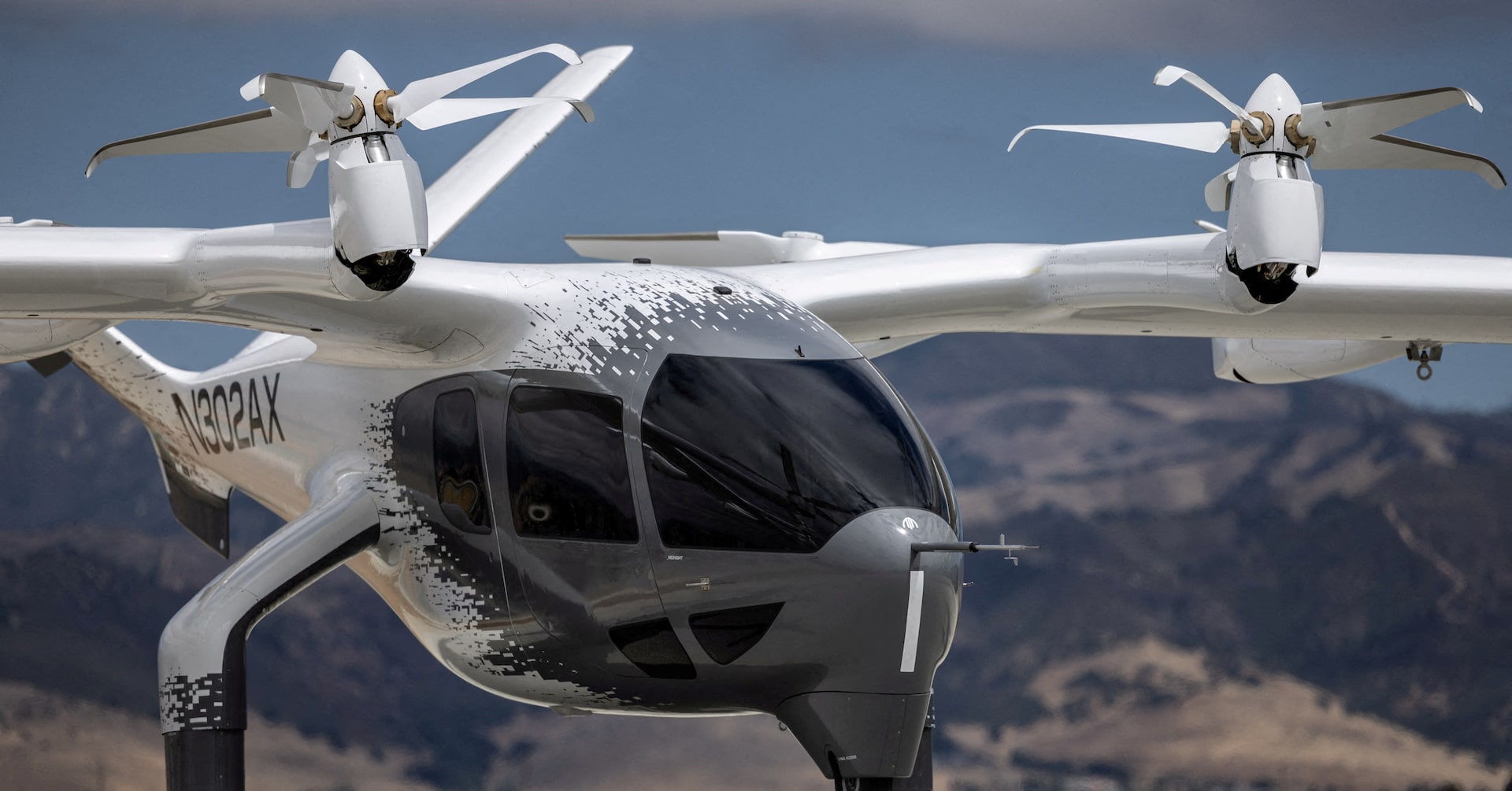
Joby Aviation Aims for Commercial Flights in 2026
- Commercial Flight Plans: Joby Aviation expects to achieve commercial flights by 2026, marking a significant milestone in the electric vertical takeoff and landing (eVTOL) sector, which is anticipated to revolutionize air travel.
- Manufacturing Capacity: The company has built out its manufacturing capacity and is moving towards FAA approval, which will provide the necessary compliance assurance for its commercialization process, thereby enhancing its market competitiveness.
- Demand Infrastructure: Joby Aviation has laid the groundwork for flight demand from Day 1, indicating that the company will be able to respond swiftly to customer needs at launch, improving customer experience and satisfaction.
- Long-term Growth Strategy: The company plans to build more vertiports and integrate with ride-sharing platforms, which will not only expand its market coverage but also facilitate seamless connections with other modes of transportation, enhancing the overall sustainability of its business.

Amazon Trade Dynamics and Investment Adjustments


- Amazon Share Trade: Amazon traded 66,934 shares valued at approximately $14.5 million, reflecting a cautious investor sentiment amid strategic adjustments in the e-commerce sector.
- Earnings Beat: Amazon reported fourth-quarter revenue of $213.39 billion, exceeding estimates, while planning to increase capital expenditures to $200 billion, indicating strong confidence in future growth.
- Joby Aviation Investment: Ark Invest acquired 200,856 shares of Joby Aviation valued at around $2 million, with Joby's fourth-quarter earnings showing an EPS of -$0.14, beating estimates by 30%, highlighting improved financial health.
- Nextdoor Holdings Divestment: Ark Invest sold 1,405,207 shares of Nextdoor Holdings for about $2.3 million, following the company's earnings report that showed a 7% year-over-year revenue increase and a narrowed net loss of $4 million.

Joby Aviation Plans Commercial Flights by 2026
- Commercial Flight Plans: Joby Aviation expects to commence commercial flights in the U.S. and UAE by 2026, marking a significant step in the commercialization of its electric vertical takeoff and landing (eVTOL) technology.
- Production Capacity Expansion: The company is rapidly building manufacturing capacity, with plans to double production by 2027 to meet increasing market demand, ensuring readiness to serve customers from day one of operations.
- Successful Fundraising: Management has raised nearly $2 billion to support its eVTOL expansion plans, providing a solid financial foundation for the company's long-term growth ambitions.
- Strategic Development Focus: Joby Aviation is actively pursuing FAA approval and plans to build more vertiports while integrating with ride-sharing platforms to achieve its long-term growth objectives.

Uber Partners with Joby to Launch Air Taxi Service

- Air Taxi Business Expansion: Uber announced a partnership with Joby Aviation to launch the Uber Air taxi service in Dubai, marking its entry into the air taxi market; while short-term revenue expectations are low, this move could enhance confidence in its role in the autonomous taxi sector.
- Strong Financial Performance: Uber generated $52 billion in revenue in 2025, an 18% year-over-year increase, reporting a net income of $10 billion, which, although similar to the $9.9 billion in 2024, indicates sustained growth potential in its core business.
- Joby's Market Challenges: Joby achieved $53 million in revenue in 2025, a significant increase from $136,000 in 2024, yet it still faces a net loss of $930 million, highlighting long-term profitability challenges ahead.
- Diverging Investor Sentiment: With a P/E ratio of 16, Uber attracts investors seeking stable returns, while Joby appeals to risk-tolerant speculators due to its emerging technology and high volatility, reflecting fundamentally different investment rationales for both stocks.

Uber Partners with Joby to Launch Air Taxi Service
- Air Taxi Partnership: Uber has partnered with Joby Aviation to launch an Uber Air taxi service in Dubai in 2025, marking its entry into the air taxi market; while immediate revenue impact is limited, this move could enhance Uber's market position in future mobility.
- Revenue Growth Potential: Uber reported $52 billion in total revenue for 2025, an 18% year-over-year increase, demonstrating strong performance across its rideshare, delivery, and freight businesses, although its P/E ratio has dropped to 16, which may still attract investor interest for future growth.
- Joby's Revenue Breakthrough: Joby generated $53 million in revenue in 2025, a significant increase from just $136,000 in 2024, despite facing a net loss of $930 million, indicating its potential in the emerging market and drawing investor attention.
- Investment Risks and Opportunities: While Uber is relatively safer as an established business, Joby remains speculative, requiring investors to weigh short-term volatility against long-term growth potential, especially as the new technology has yet to see widespread adoption.

Capricorn Reduces Stake in Navitas Semiconductor

- Share Reduction Details: Capricorn Investment Group LLC disclosed in a February 17, 2026 SEC filing that it sold 1,188,884 shares of Navitas Semiconductor, with an estimated trade size of $11.44 million, reflecting a cautious outlook on the company's future prospects.
- Position Value Change: Following the transaction, Capricorn's stake in Navitas decreased to 7,992,697 shares valued at $57.07 million, a decline of $9.22 million from the quarter-end, indicating concerns over the stock's volatility and profitability.
- Investment Strategy Adjustment: Despite trimming its position by 13%, Navitas still represents 6.91% of Capricorn's assets under management, suggesting the fund's long-term confidence in Navitas's strategic pivot towards the data center market, even as 2025 revenues fell 45% from 2024 levels.
- Market Outlook Analysis: Although Navitas faces revenue declines during its transition to data center operations, Capricorn's continued holding may indicate confidence in the rapid growth of the AI data center market, which could yield returns in the future.
Joby Aviation Aims for Commercial Flights in 2026
- Commercial Flight Plans: Joby Aviation expects to achieve commercial flights by 2026, marking a significant milestone in the electric vertical takeoff and landing (eVTOL) sector, which is anticipated to revolutionize air travel.
- Manufacturing Capacity: The company has built out its manufacturing capacity and is moving towards FAA approval, which will provide the necessary compliance assurance for its commercialization process, thereby enhancing its market competitiveness.
- Demand Infrastructure: Joby Aviation has laid the groundwork for flight demand from Day 1, indicating that the company will be able to respond swiftly to customer needs at launch, improving customer experience and satisfaction.
- Long-term Growth Strategy: The company plans to build more vertiports and integrate with ride-sharing platforms, which will not only expand its market coverage but also facilitate seamless connections with other modes of transportation, enhancing the overall sustainability of its business.
Amazon Trade Dynamics and Investment Adjustments
- Amazon Share Trade: Amazon traded 66,934 shares valued at approximately $14.5 million, reflecting a cautious investor sentiment amid strategic adjustments in the e-commerce sector.
- Earnings Beat: Amazon reported fourth-quarter revenue of $213.39 billion, exceeding estimates, while planning to increase capital expenditures to $200 billion, indicating strong confidence in future growth.
- Joby Aviation Investment: Ark Invest acquired 200,856 shares of Joby Aviation valued at around $2 million, with Joby's fourth-quarter earnings showing an EPS of -$0.14, beating estimates by 30%, highlighting improved financial health.
- Nextdoor Holdings Divestment: Ark Invest sold 1,405,207 shares of Nextdoor Holdings for about $2.3 million, following the company's earnings report that showed a 7% year-over-year revenue increase and a narrowed net loss of $4 million.
Joby Aviation Plans Commercial Flights by 2026
- Commercial Flight Plans: Joby Aviation expects to commence commercial flights in the U.S. and UAE by 2026, marking a significant step in the commercialization of its electric vertical takeoff and landing (eVTOL) technology.
- Production Capacity Expansion: The company is rapidly building manufacturing capacity, with plans to double production by 2027 to meet increasing market demand, ensuring readiness to serve customers from day one of operations.
- Successful Fundraising: Management has raised nearly $2 billion to support its eVTOL expansion plans, providing a solid financial foundation for the company's long-term growth ambitions.
- Strategic Development Focus: Joby Aviation is actively pursuing FAA approval and plans to build more vertiports while integrating with ride-sharing platforms to achieve its long-term growth objectives.
Uber Partners with Joby to Launch Air Taxi Service
- Air Taxi Business Expansion: Uber announced a partnership with Joby Aviation to launch the Uber Air taxi service in Dubai, marking its entry into the air taxi market; while short-term revenue expectations are low, this move could enhance confidence in its role in the autonomous taxi sector.
- Strong Financial Performance: Uber generated $52 billion in revenue in 2025, an 18% year-over-year increase, reporting a net income of $10 billion, which, although similar to the $9.9 billion in 2024, indicates sustained growth potential in its core business.
- Joby's Market Challenges: Joby achieved $53 million in revenue in 2025, a significant increase from $136,000 in 2024, yet it still faces a net loss of $930 million, highlighting long-term profitability challenges ahead.
- Diverging Investor Sentiment: With a P/E ratio of 16, Uber attracts investors seeking stable returns, while Joby appeals to risk-tolerant speculators due to its emerging technology and high volatility, reflecting fundamentally different investment rationales for both stocks.
Uber Partners with Joby to Launch Air Taxi Service
- Air Taxi Partnership: Uber has partnered with Joby Aviation to launch an Uber Air taxi service in Dubai in 2025, marking its entry into the air taxi market; while immediate revenue impact is limited, this move could enhance Uber's market position in future mobility.
- Revenue Growth Potential: Uber reported $52 billion in total revenue for 2025, an 18% year-over-year increase, demonstrating strong performance across its rideshare, delivery, and freight businesses, although its P/E ratio has dropped to 16, which may still attract investor interest for future growth.
- Joby's Revenue Breakthrough: Joby generated $53 million in revenue in 2025, a significant increase from just $136,000 in 2024, despite facing a net loss of $930 million, indicating its potential in the emerging market and drawing investor attention.
- Investment Risks and Opportunities: While Uber is relatively safer as an established business, Joby remains speculative, requiring investors to weigh short-term volatility against long-term growth potential, especially as the new technology has yet to see widespread adoption.
Capricorn Reduces Stake in Navitas Semiconductor
- Share Reduction Details: Capricorn Investment Group LLC disclosed in a February 17, 2026 SEC filing that it sold 1,188,884 shares of Navitas Semiconductor, with an estimated trade size of $11.44 million, reflecting a cautious outlook on the company's future prospects.
- Position Value Change: Following the transaction, Capricorn's stake in Navitas decreased to 7,992,697 shares valued at $57.07 million, a decline of $9.22 million from the quarter-end, indicating concerns over the stock's volatility and profitability.
- Investment Strategy Adjustment: Despite trimming its position by 13%, Navitas still represents 6.91% of Capricorn's assets under management, suggesting the fund's long-term confidence in Navitas's strategic pivot towards the data center market, even as 2025 revenues fell 45% from 2024 levels.
- Market Outlook Analysis: Although Navitas faces revenue declines during its transition to data center operations, Capricorn's continued holding may indicate confidence in the rapid growth of the AI data center market, which could yield returns in the future.