Indonesia Energy Corp Surges Amid Geopolitical Tensions

Indonesia Energy Corp Ltd (INDO) shares surged by 7.33% as it crossed above the 5-day SMA, reflecting strong investor interest amid rising oil prices and geopolitical tensions in the Middle East.
The surge in INDO's stock is attributed to a staggering 1,276.6% increase in retail chatter over the past week, driven by escalating tensions following U.S. and Israeli strikes on Iran. This has led to a significant rise in oil prices, with WTI crude futures crossing the $80-per-barrel mark, indicating strong market expectations for future oil prices. The heightened interest in INDO reflects a broader optimistic sentiment towards energy stocks, particularly in light of the current geopolitical climate.
The implications of this surge suggest that investor sentiment is heavily influenced by geopolitical events, which could lead to further volatility in energy stocks. As the situation evolves, INDO may continue to attract attention from retail investors, potentially leading to more significant price movements in the near future.
Trade with 70% Backtested Accuracy
Analyst Views on INDO
About INDO
About the author


Oil Price Fluctuations and Market Sentiment Analysis

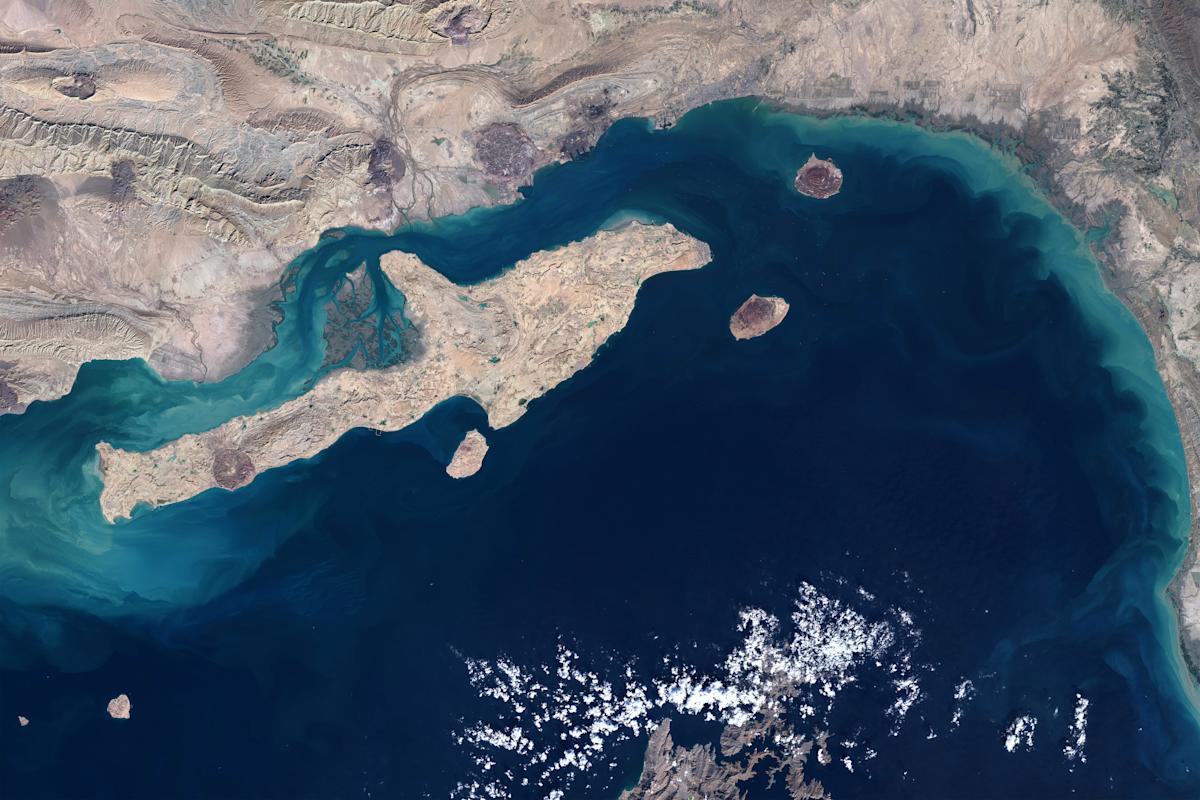
- Oil Price Surge: WTI crude rose 3.2% to $97 per barrel, while Brent increased 3.5% to $98, primarily due to renewed tensions in the Strait of Hormuz, which may impact future supply chain stability.
- Goldman Sachs Lowers Price Outlook: Goldman Sachs adjusted its near-term crude price forecast, expecting Brent to average $90 and WTI $87 this quarter, reflecting reduced geopolitical risk premiums and initial signs of improved oil flows, which could influence investor confidence.
- Divergent Market Sentiment: On Stocktwits, retail sentiment for USO and INDO was rated as 'extremely bearish', while BATL was viewed as 'bullish' amid high message volume, indicating varying market sentiments towards different energy stocks that may affect short-term trading strategies.
- Cautious Supply Recovery Outlook: Analysts cautioned that even with diplomatic progress, oil supply conditions are unlikely to normalize quickly, with infrastructure damage and export bottlenecks potentially keeping crude prices above $100, increasing the risk of inventory drawdowns and affecting long-term market stability.

USO, TPET, BATL Drop in Premarket Trading as US-Iran Ceasefire Pushes Oil Prices Under $100 — Analysts Warn of Ongoing Shipping Risks

Crude Oil Prices Drop: Brent crude oil prices fell 16% to $94 per barrel, while West Texas Intermediate dropped 15% to $95, following a U.S.-Iran ceasefire agreement aimed at reopening the Strait of Hormuz.
Market Reactions: Major oil stocks and index funds experienced significant declines, with the U.S. Oil Fund down 11% and Indonesia Energy dropping 12%, reflecting a bearish sentiment in the market.
Ceasefire Agreement Impact: The ceasefire agreement is seen as a potential first step towards a broader peace deal, easing immediate escalation risks but leaving uncertainties regarding navigation and transit conditions through the Strait of Hormuz.
Long-term Supply Concerns: Analysts warn that uncertainties around navigation rules and infrastructure damage assessments may prolong the normalization of supply chains, despite the ceasefire easing immediate tensions.

Crude Prices Hold Above $110 Amid Geopolitical Tensions
- Crude Prices at High Levels: Ahead of President Trump's deadline for reopening the Strait of Hormuz, Brent crude is trading near $111.41 per barrel and West Texas Intermediate at $114.98, indicating market sensitivity to geopolitical risks.
- Cautious Market Sentiment: A retail poll on Stocktwits shows that 77% of respondents do not expect a ceasefire between the U.S. and Iran before the deadline, reflecting skepticism among traders that could influence short-term market volatility.
- Supply Loss Warning: HFI Research estimates that if disruptions in the Strait of Hormuz persist, the global oil market could face supply losses of up to 1.8 billion barrels, highlighting market fragility and potential upward price pressures.
- Divergent Investor Sentiment: While Battalion Oil (BATL) surged 253% over the past year, retail sentiment towards USO and INDO appears bearish, indicating a lack of confidence among investors in energy stocks that may affect future capital flows.

Oil Price Fluctuations and Market Reactions

- Market Volatility: EON Resources shares fell 6%, Trio Petroleum dropped about 3%, and Indonesia Energy and the United States Oil Fund slipped 1% amid reports of a potential 45-day ceasefire between the U.S. and Iran, indicating market sensitivity to geopolitical risks.
- Oil Price Trends: Brent crude was priced at $109.27 per barrel, while West Texas Intermediate traded around $107, reflecting strong demand for immediately deliverable barrels despite ongoing disruptions in the Strait of Hormuz, highlighting a tight supply-demand scenario.
- Future Price Expectations: Patrick De Haan from GasBuddy noted that attacks on refining capacity could keep global fuel prices elevated this summer, exceeding early-year expectations, indicating market concerns over the restoration of supply chains.
- OPEC Production Adjustment: OPEC+ announced a production adjustment of 206,000 barrels per day starting May 2023, aiming to address market volatility and emphasizing that any actions undermining energy supply security will exacerbate market instability.
Oil Prices Surge Amid Escalating Tensions with Iran
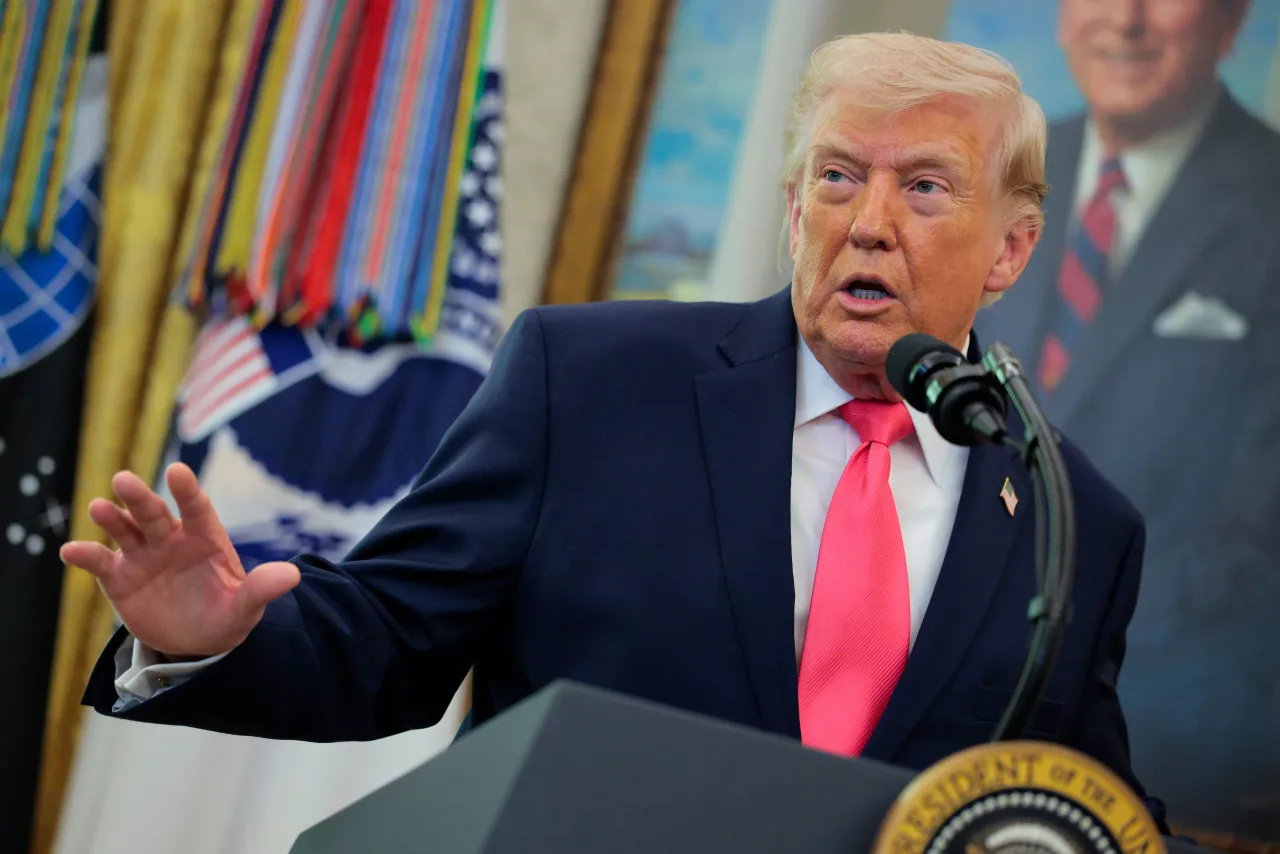
- Oil Price Surge: Brent crude traded near $108 per barrel and WTI around $106, driven by President Trump's warning of intensified military actions against Iran, which heightened market concerns over oil supply disruptions and led to a significant price increase.
- Strong Market Reaction: In premarket trading, Battalion Oil (BATL) surged 42%, Trio Petroleum (TPET) gained 18%, and EON Resources (EONR) rose 17%, reflecting investor optimism regarding rising oil prices while also indicating market sensitivity to geopolitical risks.
- Supply Chain Risks Intensify: Trump's remarks dimmed hopes for a near-term reopening of the Strait of Hormuz, with analysts noting that even if shipping resumes, a return to pre-war market conditions will take time, potentially sustaining elevated oil prices and inflation concerns.
- Retail Trader Sentiment: While BATL exhibited a 'bullish' sentiment among retail traders, USO, TPET, and EONR showed 'bearish' sentiment, indicating a divergence in market views on energy stocks and reflecting investor uncertainty about future oil price movements.

Oil Price Fluctuations and Market Sentiment Analysis
- Quarterly Performance Highlights: In the latest quarter, Battalion Oil (BATL) surged 245%, EON Resources (EONR) rose 116%, and the United States Oil Fund (USO) gained 84%, with each stock marking its best quarterly performance, indicating strong market reactions to energy stocks.
- Crude Price Retreat: Brent crude slipped below $100, while West Texas Intermediate traded near $97 after Trump signaled that the U.S. could exit the Iran conflict within two to three weeks, even as the Strait of Hormuz remains largely shut, keeping supply concerns prevalent in the market.
- Ongoing Supply Risks: Analysts warn that despite easing war premiums, global supply deficits and disrupted shipping flows could keep crude markets tight for weeks or months, with Societe Generale forecasting an 8.75 million barrels per day supply deficit persisting through April even if hostilities ease by mid-month.
- Shifting Market Sentiment: Retail sentiment around energy stocks is largely negative, with USO, TPET, and EONR showing 'bearish' sentiment, while BATL stands out with 'bullish' sentiment amid high message volume, reflecting diverging expectations for future oil price movements.
Oil Price Fluctuations and Market Sentiment Analysis
- Oil Price Surge: WTI crude rose 3.2% to $97 per barrel, while Brent increased 3.5% to $98, primarily due to renewed tensions in the Strait of Hormuz, which may impact future supply chain stability.
- Goldman Sachs Lowers Price Outlook: Goldman Sachs adjusted its near-term crude price forecast, expecting Brent to average $90 and WTI $87 this quarter, reflecting reduced geopolitical risk premiums and initial signs of improved oil flows, which could influence investor confidence.
- Divergent Market Sentiment: On Stocktwits, retail sentiment for USO and INDO was rated as 'extremely bearish', while BATL was viewed as 'bullish' amid high message volume, indicating varying market sentiments towards different energy stocks that may affect short-term trading strategies.
- Cautious Supply Recovery Outlook: Analysts cautioned that even with diplomatic progress, oil supply conditions are unlikely to normalize quickly, with infrastructure damage and export bottlenecks potentially keeping crude prices above $100, increasing the risk of inventory drawdowns and affecting long-term market stability.
USO, TPET, BATL Drop in Premarket Trading as US-Iran Ceasefire Pushes Oil Prices Under $100 — Analysts Warn of Ongoing Shipping Risks
Crude Oil Prices Drop: Brent crude oil prices fell 16% to $94 per barrel, while West Texas Intermediate dropped 15% to $95, following a U.S.-Iran ceasefire agreement aimed at reopening the Strait of Hormuz.
Market Reactions: Major oil stocks and index funds experienced significant declines, with the U.S. Oil Fund down 11% and Indonesia Energy dropping 12%, reflecting a bearish sentiment in the market.
Ceasefire Agreement Impact: The ceasefire agreement is seen as a potential first step towards a broader peace deal, easing immediate escalation risks but leaving uncertainties regarding navigation and transit conditions through the Strait of Hormuz.
Long-term Supply Concerns: Analysts warn that uncertainties around navigation rules and infrastructure damage assessments may prolong the normalization of supply chains, despite the ceasefire easing immediate tensions.
Crude Prices Hold Above $110 Amid Geopolitical Tensions
- Crude Prices at High Levels: Ahead of President Trump's deadline for reopening the Strait of Hormuz, Brent crude is trading near $111.41 per barrel and West Texas Intermediate at $114.98, indicating market sensitivity to geopolitical risks.
- Cautious Market Sentiment: A retail poll on Stocktwits shows that 77% of respondents do not expect a ceasefire between the U.S. and Iran before the deadline, reflecting skepticism among traders that could influence short-term market volatility.
- Supply Loss Warning: HFI Research estimates that if disruptions in the Strait of Hormuz persist, the global oil market could face supply losses of up to 1.8 billion barrels, highlighting market fragility and potential upward price pressures.
- Divergent Investor Sentiment: While Battalion Oil (BATL) surged 253% over the past year, retail sentiment towards USO and INDO appears bearish, indicating a lack of confidence among investors in energy stocks that may affect future capital flows.
Oil Price Fluctuations and Market Reactions
- Market Volatility: EON Resources shares fell 6%, Trio Petroleum dropped about 3%, and Indonesia Energy and the United States Oil Fund slipped 1% amid reports of a potential 45-day ceasefire between the U.S. and Iran, indicating market sensitivity to geopolitical risks.
- Oil Price Trends: Brent crude was priced at $109.27 per barrel, while West Texas Intermediate traded around $107, reflecting strong demand for immediately deliverable barrels despite ongoing disruptions in the Strait of Hormuz, highlighting a tight supply-demand scenario.
- Future Price Expectations: Patrick De Haan from GasBuddy noted that attacks on refining capacity could keep global fuel prices elevated this summer, exceeding early-year expectations, indicating market concerns over the restoration of supply chains.
- OPEC Production Adjustment: OPEC+ announced a production adjustment of 206,000 barrels per day starting May 2023, aiming to address market volatility and emphasizing that any actions undermining energy supply security will exacerbate market instability.
Oil Prices Surge Amid Escalating Tensions with Iran
- Oil Price Surge: Brent crude traded near $108 per barrel and WTI around $106, driven by President Trump's warning of intensified military actions against Iran, which heightened market concerns over oil supply disruptions and led to a significant price increase.
- Strong Market Reaction: In premarket trading, Battalion Oil (BATL) surged 42%, Trio Petroleum (TPET) gained 18%, and EON Resources (EONR) rose 17%, reflecting investor optimism regarding rising oil prices while also indicating market sensitivity to geopolitical risks.
- Supply Chain Risks Intensify: Trump's remarks dimmed hopes for a near-term reopening of the Strait of Hormuz, with analysts noting that even if shipping resumes, a return to pre-war market conditions will take time, potentially sustaining elevated oil prices and inflation concerns.
- Retail Trader Sentiment: While BATL exhibited a 'bullish' sentiment among retail traders, USO, TPET, and EONR showed 'bearish' sentiment, indicating a divergence in market views on energy stocks and reflecting investor uncertainty about future oil price movements.
Oil Price Fluctuations and Market Sentiment Analysis
- Quarterly Performance Highlights: In the latest quarter, Battalion Oil (BATL) surged 245%, EON Resources (EONR) rose 116%, and the United States Oil Fund (USO) gained 84%, with each stock marking its best quarterly performance, indicating strong market reactions to energy stocks.
- Crude Price Retreat: Brent crude slipped below $100, while West Texas Intermediate traded near $97 after Trump signaled that the U.S. could exit the Iran conflict within two to three weeks, even as the Strait of Hormuz remains largely shut, keeping supply concerns prevalent in the market.
- Ongoing Supply Risks: Analysts warn that despite easing war premiums, global supply deficits and disrupted shipping flows could keep crude markets tight for weeks or months, with Societe Generale forecasting an 8.75 million barrels per day supply deficit persisting through April even if hostilities ease by mid-month.
- Shifting Market Sentiment: Retail sentiment around energy stocks is largely negative, with USO, TPET, and EONR showing 'bearish' sentiment, while BATL stands out with 'bullish' sentiment amid high message volume, reflecting diverging expectations for future oil price movements.