Hasbro partners with Warner Bros. for Harry Potter toy licensing
Hasbro Inc. shares rose as the company reached a 52-week high, driven by positive news regarding its partnership with Warner Bros. for Harry Potter licensing.
Hasbro announced it will become the global primary toy licensee for Harry Potter and the upcoming HBO Original series starting in 2027. This partnership is expected to launch a range of products inspired by the films and series, further solidifying Hasbro's leadership in the toy market. The collaboration coincides with the 25th anniversary of the first Harry Potter film, enhancing brand influence and driving sales growth.
This strategic partnership not only strengthens Hasbro's product portfolio but also positions the company to attract Harry Potter's loyal fanbase, which could lead to significant revenue growth in the coming years.
Trade with 70% Backtested Accuracy
Analyst Views on HAS

About HAS
About the author


European Staffing Firms Face Revenue Pressure Amid Weak Demand

- Weak Hiring Demand: According to a Morgan Stanley report, weakening demand for permanent recruitment threatens revenue growth and margins for European staffing companies, particularly impacting Adecco, which has been downgraded to Underweight.
- Rating Adjustments: Morgan Stanley cut Adecco's price target from CHF 20.50 to CHF 15, upgraded Randstad to Equal-weight, raised Hays to Equal-weight, while maintaining Underweight on PageGroup, indicating varying confidence levels in different firms.
- Uncertain Market Outlook: The report highlights that macroeconomic and geopolitical uncertainties could further weaken hiring demand, especially in key markets like the UK, France, and Germany, raising the risk that the recent recovery in staffing activity may lose momentum.
- AI Challenges: Analysts flagged the rise of artificial intelligence as a long-term challenge for the sector, as increased automation and AI-driven recruitment tools could reduce demand for traditional placement services, potentially weighing on growth prospects across the industry.
Hasbro Launches New AI Character Licensing Model
- AI Character Licensing Innovation: Hasbro introduces Behavioral Licensing through its new Sixth Wall unit, focusing on how characters think, speak, and interact in dynamic environments, aiming to enhance brand applications in AI products while ensuring authenticity and commercial rights.
- Technology-Driven Character Management: Behavioral Licensing is powered by Hasbro's proprietary system, CharacterOS, which encodes characters' personalities, voices, and safety guardrails to ensure consistency across interactive experiences, addressing the issue of unauthorized character use in AI platforms.
- Strategic Partnership: Hasbro partners with AI audio company ElevenLabs to bring iconic characters like Optimus Prime and Megatron into ElevenLabs' Iconic Marketplace, further expanding the application of characters in AI products.
- CEO's Vision: Hasbro CEO Chris Cocks highlights the significance of CharacterOS, stating it not only addresses the challenge of unauthorized AI content use but also unlocks a larger creative canvas for storytelling and enhances user experiences.

Hasbro Launches New AI Character Licensing Model
- Strategic Partnership: Hasbro has formed a strategic partnership with leading AI audio company ElevenLabs to introduce twelve iconic characters into ElevenLabs' Iconic Marketplace, which is expected to enhance the brand's influence and market share in the AI sector.
- Behavioral Licensing Model: The newly introduced Behavioral Licensing focuses on how characters think, speak, and interact in dynamic experiences, ensuring authenticity and safety for characters in AI applications, thus providing a trusted framework for creators and brands.
- Technological Innovation: With the CharacterOS system, Hasbro can preserve character personality and voice in interactive experiences, addressing the challenge of unauthorized AI content use, and further promoting collaboration between brands and creators.
- Market Positioning: Sixth Wall's initial focus is on experiences for users aged 13 and above, actively participating in discussions around industry safety standards to ensure the safety of AI products while providing diverse application scenarios for future authorized character access.
Investment Opportunities in European Small Caps Amid Market Shift

- Market Positive Shift: The European market is experiencing a positive shift with the STOXX Europe 600 Index climbing 3.00% amid hopes for de-escalation in the Middle East, creating unique investment opportunities in small-cap stocks that attract investor interest.
- Small Cap Potential: Companies like CellaVision and Eurocell are considered undervalued due to their strong fundamentals and recent insider buying activity, indicating market confidence in their future growth prospects.
- Hays Company Dynamics: Hays is navigating executive changes with CEO Mark Dearnley recently purchasing 485,500 shares valued at approximately £147,301; despite a slight dip in sales and net income, earnings are forecasted to grow over 105% annually.
- Morgan Advanced Materials Challenges: Morgan Advanced Materials reported sales of £996.6 million for 2025, down from the previous year, with net income dropping to £21.1 million; however, insider buying suggests confidence in future growth despite financial challenges.
Star Wars: The Mandalorian and Grogu Opens to Lowest Ticket Sales in Franchise History
- Record Low Pre-Sales: According to Comscore, 'Star Wars: The Mandalorian and Grogu' achieved only $12 million in Thursday night previews, marking the lowest advanced ticket sales in franchise history, previously held by 'Solo: A Star Wars Story' at $14.1 million.
- Opening Weekend Projections: Box office analysts estimate the film will generate around $80 million over its three-day opening weekend and approximately $95 million during the four-day Memorial Day holiday, indicating one of the weakest openings for a 'Star Wars' film in modern cinematic history.
- Market Competition and Opportunities: Despite facing limited competition, the film may benefit from the popularity of the television series and the extended holiday weekend; however, its performance will serve as a stress test for future 'Star Wars' theatrical releases amid a lackluster cinema run for the franchise and Marvel.
- Consumer Products Potential: Beyond box office revenue, Disney is expected to gain from a robust consumer products launch tied to the film, particularly with Grogu's popularity among fans, which could drive retail sales significantly, reminiscent of Hasbro's nearly $500 million in sales following the 2015 release of 'The Force Awakens.'
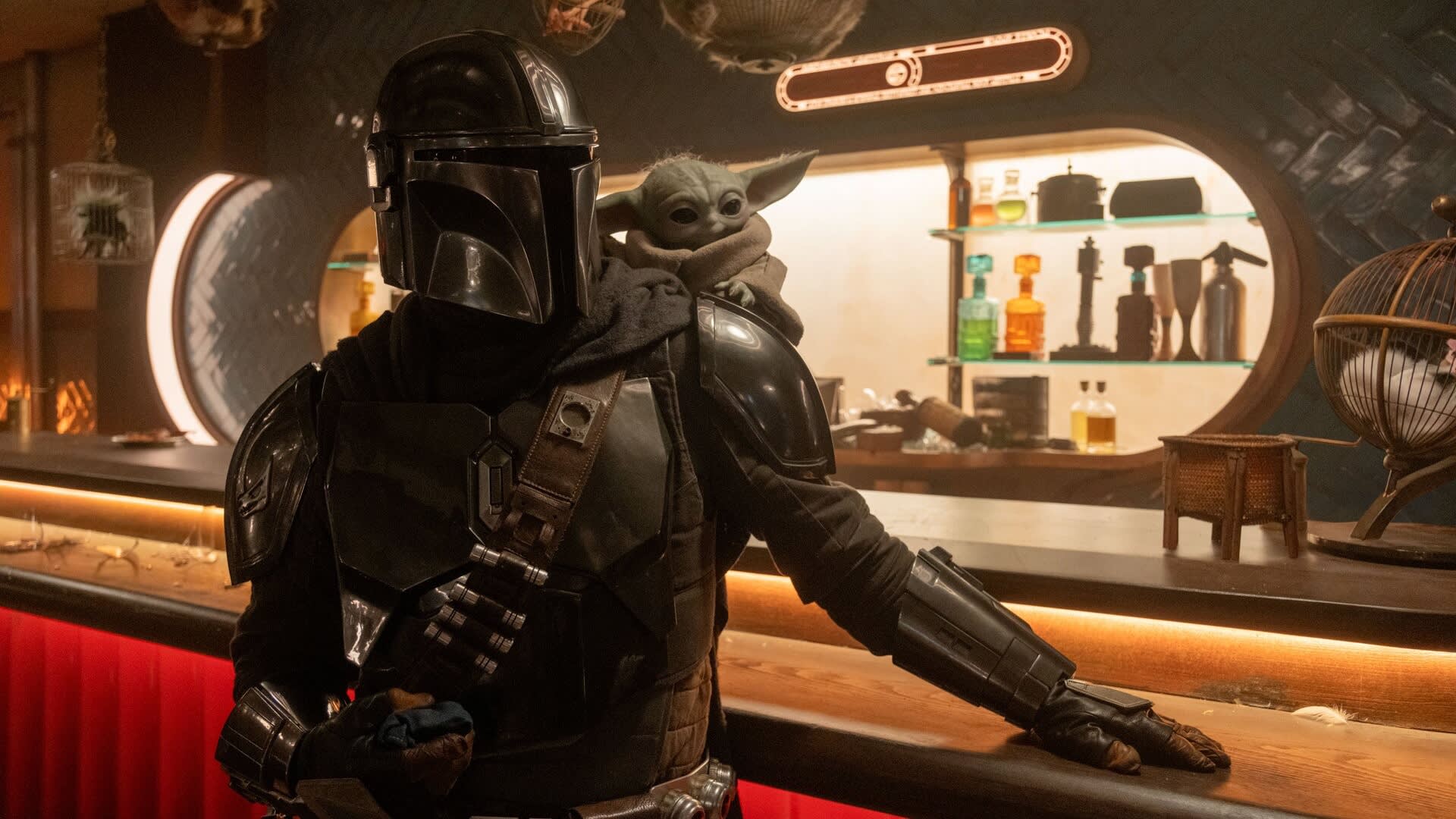
Star Wars: The Mandalorian and Grogu Opens to Historic Low Ticket Sales

- Historic Low Pre-Sales: According to Comscore, 'Star Wars: The Mandalorian and Grogu' achieved only $12 million in Thursday night preview sales, marking the lowest in franchise history, with the previous low held by 'Solo: A Star Wars Story' at $14.1 million.
- Opening Weekend Projections: Analysts predict the film will generate around $80 million for its three-day opening weekend and approximately $95 million for the four-day Memorial Day holiday, indicating a decline in the franchise's box office appeal compared to previous releases.
- Lower Production Costs: With an estimated production budget of $165 million, which is significantly lower than the typical $250 million or more for other Star Wars films, this film has a reduced profitability threshold, although marketing expenses remain a critical factor.
- Merchandising Opportunities: Despite potential box office struggles, Disney aims to leverage the film's release through a robust consumer products launch and theme park tie-ins, particularly capitalizing on the popularity of Grogu, which could significantly boost retail sales.
European Staffing Firms Face Revenue Pressure Amid Weak Demand
- Weak Hiring Demand: According to a Morgan Stanley report, weakening demand for permanent recruitment threatens revenue growth and margins for European staffing companies, particularly impacting Adecco, which has been downgraded to Underweight.
- Rating Adjustments: Morgan Stanley cut Adecco's price target from CHF 20.50 to CHF 15, upgraded Randstad to Equal-weight, raised Hays to Equal-weight, while maintaining Underweight on PageGroup, indicating varying confidence levels in different firms.
- Uncertain Market Outlook: The report highlights that macroeconomic and geopolitical uncertainties could further weaken hiring demand, especially in key markets like the UK, France, and Germany, raising the risk that the recent recovery in staffing activity may lose momentum.
- AI Challenges: Analysts flagged the rise of artificial intelligence as a long-term challenge for the sector, as increased automation and AI-driven recruitment tools could reduce demand for traditional placement services, potentially weighing on growth prospects across the industry.
Hasbro Launches New AI Character Licensing Model
- AI Character Licensing Innovation: Hasbro introduces Behavioral Licensing through its new Sixth Wall unit, focusing on how characters think, speak, and interact in dynamic environments, aiming to enhance brand applications in AI products while ensuring authenticity and commercial rights.
- Technology-Driven Character Management: Behavioral Licensing is powered by Hasbro's proprietary system, CharacterOS, which encodes characters' personalities, voices, and safety guardrails to ensure consistency across interactive experiences, addressing the issue of unauthorized character use in AI platforms.
- Strategic Partnership: Hasbro partners with AI audio company ElevenLabs to bring iconic characters like Optimus Prime and Megatron into ElevenLabs' Iconic Marketplace, further expanding the application of characters in AI products.
- CEO's Vision: Hasbro CEO Chris Cocks highlights the significance of CharacterOS, stating it not only addresses the challenge of unauthorized AI content use but also unlocks a larger creative canvas for storytelling and enhances user experiences.
Hasbro Launches New AI Character Licensing Model
- Strategic Partnership: Hasbro has formed a strategic partnership with leading AI audio company ElevenLabs to introduce twelve iconic characters into ElevenLabs' Iconic Marketplace, which is expected to enhance the brand's influence and market share in the AI sector.
- Behavioral Licensing Model: The newly introduced Behavioral Licensing focuses on how characters think, speak, and interact in dynamic experiences, ensuring authenticity and safety for characters in AI applications, thus providing a trusted framework for creators and brands.
- Technological Innovation: With the CharacterOS system, Hasbro can preserve character personality and voice in interactive experiences, addressing the challenge of unauthorized AI content use, and further promoting collaboration between brands and creators.
- Market Positioning: Sixth Wall's initial focus is on experiences for users aged 13 and above, actively participating in discussions around industry safety standards to ensure the safety of AI products while providing diverse application scenarios for future authorized character access.
Investment Opportunities in European Small Caps Amid Market Shift
- Market Positive Shift: The European market is experiencing a positive shift with the STOXX Europe 600 Index climbing 3.00% amid hopes for de-escalation in the Middle East, creating unique investment opportunities in small-cap stocks that attract investor interest.
- Small Cap Potential: Companies like CellaVision and Eurocell are considered undervalued due to their strong fundamentals and recent insider buying activity, indicating market confidence in their future growth prospects.
- Hays Company Dynamics: Hays is navigating executive changes with CEO Mark Dearnley recently purchasing 485,500 shares valued at approximately £147,301; despite a slight dip in sales and net income, earnings are forecasted to grow over 105% annually.
- Morgan Advanced Materials Challenges: Morgan Advanced Materials reported sales of £996.6 million for 2025, down from the previous year, with net income dropping to £21.1 million; however, insider buying suggests confidence in future growth despite financial challenges.
Star Wars: The Mandalorian and Grogu Opens to Lowest Ticket Sales in Franchise History
- Record Low Pre-Sales: According to Comscore, 'Star Wars: The Mandalorian and Grogu' achieved only $12 million in Thursday night previews, marking the lowest advanced ticket sales in franchise history, previously held by 'Solo: A Star Wars Story' at $14.1 million.
- Opening Weekend Projections: Box office analysts estimate the film will generate around $80 million over its three-day opening weekend and approximately $95 million during the four-day Memorial Day holiday, indicating one of the weakest openings for a 'Star Wars' film in modern cinematic history.
- Market Competition and Opportunities: Despite facing limited competition, the film may benefit from the popularity of the television series and the extended holiday weekend; however, its performance will serve as a stress test for future 'Star Wars' theatrical releases amid a lackluster cinema run for the franchise and Marvel.
- Consumer Products Potential: Beyond box office revenue, Disney is expected to gain from a robust consumer products launch tied to the film, particularly with Grogu's popularity among fans, which could drive retail sales significantly, reminiscent of Hasbro's nearly $500 million in sales following the 2015 release of 'The Force Awakens.'
Star Wars: The Mandalorian and Grogu Opens to Historic Low Ticket Sales
- Historic Low Pre-Sales: According to Comscore, 'Star Wars: The Mandalorian and Grogu' achieved only $12 million in Thursday night preview sales, marking the lowest in franchise history, with the previous low held by 'Solo: A Star Wars Story' at $14.1 million.
- Opening Weekend Projections: Analysts predict the film will generate around $80 million for its three-day opening weekend and approximately $95 million for the four-day Memorial Day holiday, indicating a decline in the franchise's box office appeal compared to previous releases.
- Lower Production Costs: With an estimated production budget of $165 million, which is significantly lower than the typical $250 million or more for other Star Wars films, this film has a reduced profitability threshold, although marketing expenses remain a critical factor.
- Merchandising Opportunities: Despite potential box office struggles, Disney aims to leverage the film's release through a robust consumer products launch and theme park tie-ins, particularly capitalizing on the popularity of Grogu, which could significantly boost retail sales.