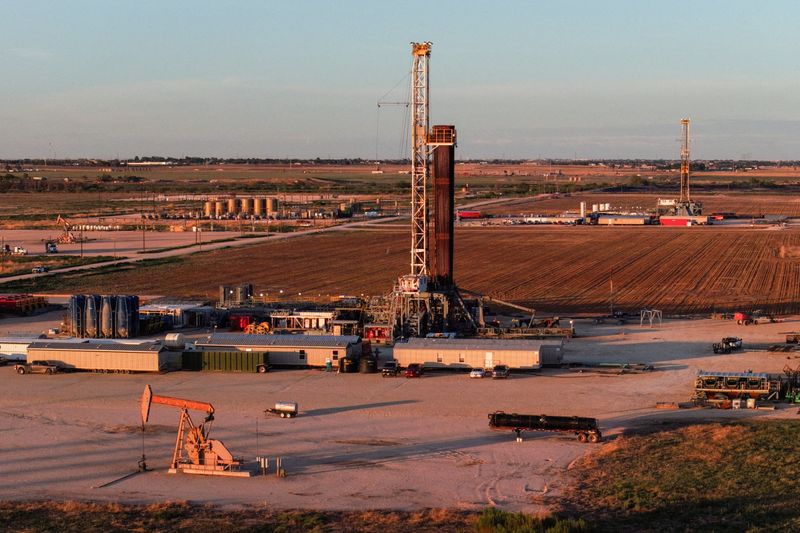
GE Vernova Partners with MVM for Energy Sector Collaboration

GE Vernova's stock has reached a 52-week high, reflecting strong investor confidence despite a broader market decline, with the Nasdaq-100 down 0.47% and the S&P 500 down 0.25%.
The company has signed a memorandum of understanding with Hungary's electricity provider, MVM, alongside Holtec and Westinghouse, to enhance collaboration in the energy sector, particularly in electricity generation and infrastructure development. This partnership is expected to bolster GE Vernova's position in the rapidly growing energy market, showcasing its commitment to expanding its influence in international energy solutions.
This collaboration not only highlights GE Vernova's strategic initiatives but also positions the company favorably amid increasing global energy demands, potentially attracting further investments and enhancing its market presence.
Trade with 70% Backtested Accuracy
Analyst Views on GEV

About GEV
About the author


GE Vernova Stock Soars 71% in 2026 Amid AI Demand Surge
- Earnings Growth Driver: GE Vernova's power orders surged 59% year-over-year in Q1 2026, while electrification orders skyrocketed by 86%, prompting the company to raise its full-year revenue guidance to between $44.5 billion and $45.5 billion, reflecting robust market demand and growth potential.
- Increase in Slot Reservation Agreements: By the end of Q1 2026, GE Vernova's slot reservation agreements (SRA) rose from 43 gigawatts (GW) in 2025 to 56 GW, with customers paying 20% to 25% of equipment value upfront to secure future gas turbine manufacturing, indicating strong demand and improved margins.
- Market Share Enhancement: The soaring demand for power driven by AI data centers has significantly boosted the demand for GE Vernova's core product—gas turbines—leading to increased spending in the electrification equipment sector and enhancing the company's competitive position.
- Successful Strategic Transformation: GE Vernova has successfully transformed itself, moving away from the lows of the late 2010s, and with the resurgence of power demand driven by AI, it expects backlog orders to reach $200 billion by 2027, showcasing the company's resilience in the renewable energy era.
Navitas Semiconductor Stock Soars 121% Amid AI Investment Surge


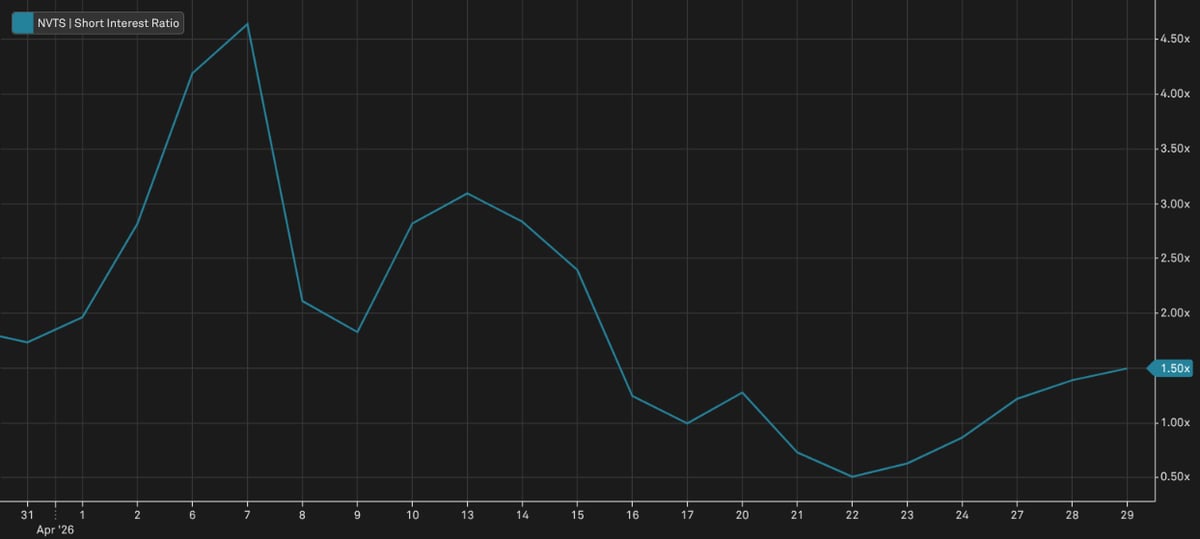
- Stock Surge: Navitas Semiconductor's stock has surged 121% in 2026, with an impressive 88.1% increase in April alone, reflecting strong market confidence in its potential within the AI investment cycle, particularly as short sellers were forced to cover their positions, driving the price sharply higher.
- Market Trends: The Philadelphia Semiconductor Index rose 38% in April, indicating ongoing robust demand for AI-related investments, and Navitas, as a leading manufacturer of gallium nitride and silicon carbide chips, is well-positioned to benefit from this trend, with management shifting focus towards data centers and high-performance computing.
- Technological Innovation: In mid-March, Navitas announced its latest power delivery board capable of direct conversion from 800 V to 6 V, a critical component of the 800 VDC data center technology being developed by Nvidia, further solidifying its position in the industry.
- Profitability Outlook: With the continued growth in data center investments, Navitas could potentially become profitable and cash-generative in the coming years, especially as companies like GE Vernova raise their full-year guidance, creating optimistic expectations for Navitas's future performance.

Vertiv Stock Soars 121.5% Amid Strong AI Data Center Demand

- Significant Stock Surge: Vertiv's stock has surged 121.5% in 2026, with a remarkable 31.1% increase in April alone, reflecting strong investor confidence in its role within the AI data center infrastructure sector.
- Earnings Beat Expectations: The company raised its full-year net sales guidance to $13.5 billion to $14 billion from a previous range of $13.25 billion to $13.75 billion, indicating robust business growth momentum.
- Increased Profit Forecast: The adjusted full-year earnings per share (EPS) expectation has risen from $6.02 to $6.35, showcasing the company's optimistic outlook for the second half of the year, with the CEO highlighting sustained strong demand for data centers.
- Collaboration with Nvidia: Vertiv's partnership with Nvidia is advancing the development of 800 VDC data center power infrastructure, focusing on power and cooling solutions compatible with AI architecture, thereby solidifying its position in the rapidly evolving AI market.

Vertiv Upgrades Guidance Amid Strong AI Demand
- Guidance Upgrade: Vertiv's first-quarter earnings exceeded expectations, prompting an upgrade in full-year guidance, which indicates robust growth in data center demand, with the CEO emphasizing a focus on capacity expansion and supply chain capabilities.
- Stock Surge: Vertiv's stock has skyrocketed by 121.5% in 2026, with a 31.1% increase in April alone, reflecting optimistic market sentiment towards AI data center infrastructure and rising investor expectations for long-term growth.
- Strategic Partnership: The partnership with Nvidia strengthens Vertiv's role in developing power and cooling solutions compatible with Nvidia's AI architecture, highlighting the company's critical position in AI infrastructure development.
- Improving Market Conditions: With companies like GE Vernova reporting increased demand for gas turbines, the spending environment for AI data centers is improving, driving stock prices higher for companies like Vertiv and indicating signs of industry recovery.

VT Stock Price Analysis and ETF Dynamics


- Price Fluctuation Analysis: VT's 52-week low is $117.44 and high is $154.33, with the latest trade at $154.29, indicating price stability near the high, which may influence investor buying decisions.
- Technical Analysis Tool: Comparing the latest stock price to the 200-day moving average provides investors with deeper insights into price trends, aiding in identifying potential buying opportunities.
- ETF Trading Mechanism: ETFs trade like stocks, where investors buy and sell 'units' that can be created or destroyed based on demand, reflecting market changes in ETF demand.
- Inflows and Outflows Monitoring: Weekly monitoring of changes in ETF shares outstanding highlights those experiencing significant inflows or outflows, as these liquidity shifts can impact the performance of individual stocks held within the ETFs.

AI Economy's Expanding Impact Across Markets

- Market Trend Analysis: Jim Cramer highlights that the boom in data centers and artificial intelligence is rapidly expanding, impacting nearly every corner of the market and indicating strong economic growth potential.
- Profit Explosion: During the first-quarter earnings season, Cramer noted significant profit growth among companies tied to AI and data centers, driving major indexes higher and reflecting strong investor confidence in this sector.
- Five-Layer Cake Model: Cramer referenced Nvidia CEO Jensen Huang's five-layer cake model, emphasizing the interdependence of power, semiconductors, hardware, AI models, and application layers, illustrating the complexity and breadth of the AI economy.
- Investment Opportunities: Cramer asserts that the AI boom is not just a tech story but a broad economic transformation, advising investors to focus on S&P index funds and select stocks to capitalize on future investment opportunities.
GE Vernova Stock Soars 71% in 2026 Amid AI Demand Surge
- Earnings Growth Driver: GE Vernova's power orders surged 59% year-over-year in Q1 2026, while electrification orders skyrocketed by 86%, prompting the company to raise its full-year revenue guidance to between $44.5 billion and $45.5 billion, reflecting robust market demand and growth potential.
- Increase in Slot Reservation Agreements: By the end of Q1 2026, GE Vernova's slot reservation agreements (SRA) rose from 43 gigawatts (GW) in 2025 to 56 GW, with customers paying 20% to 25% of equipment value upfront to secure future gas turbine manufacturing, indicating strong demand and improved margins.
- Market Share Enhancement: The soaring demand for power driven by AI data centers has significantly boosted the demand for GE Vernova's core product—gas turbines—leading to increased spending in the electrification equipment sector and enhancing the company's competitive position.
- Successful Strategic Transformation: GE Vernova has successfully transformed itself, moving away from the lows of the late 2010s, and with the resurgence of power demand driven by AI, it expects backlog orders to reach $200 billion by 2027, showcasing the company's resilience in the renewable energy era.
Navitas Semiconductor Stock Soars 121% Amid AI Investment Surge
- Stock Surge: Navitas Semiconductor's stock has surged 121% in 2026, with an impressive 88.1% increase in April alone, reflecting strong market confidence in its potential within the AI investment cycle, particularly as short sellers were forced to cover their positions, driving the price sharply higher.
- Market Trends: The Philadelphia Semiconductor Index rose 38% in April, indicating ongoing robust demand for AI-related investments, and Navitas, as a leading manufacturer of gallium nitride and silicon carbide chips, is well-positioned to benefit from this trend, with management shifting focus towards data centers and high-performance computing.
- Technological Innovation: In mid-March, Navitas announced its latest power delivery board capable of direct conversion from 800 V to 6 V, a critical component of the 800 VDC data center technology being developed by Nvidia, further solidifying its position in the industry.
- Profitability Outlook: With the continued growth in data center investments, Navitas could potentially become profitable and cash-generative in the coming years, especially as companies like GE Vernova raise their full-year guidance, creating optimistic expectations for Navitas's future performance.
Vertiv Stock Soars 121.5% Amid Strong AI Data Center Demand
- Significant Stock Surge: Vertiv's stock has surged 121.5% in 2026, with a remarkable 31.1% increase in April alone, reflecting strong investor confidence in its role within the AI data center infrastructure sector.
- Earnings Beat Expectations: The company raised its full-year net sales guidance to $13.5 billion to $14 billion from a previous range of $13.25 billion to $13.75 billion, indicating robust business growth momentum.
- Increased Profit Forecast: The adjusted full-year earnings per share (EPS) expectation has risen from $6.02 to $6.35, showcasing the company's optimistic outlook for the second half of the year, with the CEO highlighting sustained strong demand for data centers.
- Collaboration with Nvidia: Vertiv's partnership with Nvidia is advancing the development of 800 VDC data center power infrastructure, focusing on power and cooling solutions compatible with AI architecture, thereby solidifying its position in the rapidly evolving AI market.
Vertiv Upgrades Guidance Amid Strong AI Demand
- Guidance Upgrade: Vertiv's first-quarter earnings exceeded expectations, prompting an upgrade in full-year guidance, which indicates robust growth in data center demand, with the CEO emphasizing a focus on capacity expansion and supply chain capabilities.
- Stock Surge: Vertiv's stock has skyrocketed by 121.5% in 2026, with a 31.1% increase in April alone, reflecting optimistic market sentiment towards AI data center infrastructure and rising investor expectations for long-term growth.
- Strategic Partnership: The partnership with Nvidia strengthens Vertiv's role in developing power and cooling solutions compatible with Nvidia's AI architecture, highlighting the company's critical position in AI infrastructure development.
- Improving Market Conditions: With companies like GE Vernova reporting increased demand for gas turbines, the spending environment for AI data centers is improving, driving stock prices higher for companies like Vertiv and indicating signs of industry recovery.
VT Stock Price Analysis and ETF Dynamics
- Price Fluctuation Analysis: VT's 52-week low is $117.44 and high is $154.33, with the latest trade at $154.29, indicating price stability near the high, which may influence investor buying decisions.
- Technical Analysis Tool: Comparing the latest stock price to the 200-day moving average provides investors with deeper insights into price trends, aiding in identifying potential buying opportunities.
- ETF Trading Mechanism: ETFs trade like stocks, where investors buy and sell 'units' that can be created or destroyed based on demand, reflecting market changes in ETF demand.
- Inflows and Outflows Monitoring: Weekly monitoring of changes in ETF shares outstanding highlights those experiencing significant inflows or outflows, as these liquidity shifts can impact the performance of individual stocks held within the ETFs.
AI Economy's Expanding Impact Across Markets
- Market Trend Analysis: Jim Cramer highlights that the boom in data centers and artificial intelligence is rapidly expanding, impacting nearly every corner of the market and indicating strong economic growth potential.
- Profit Explosion: During the first-quarter earnings season, Cramer noted significant profit growth among companies tied to AI and data centers, driving major indexes higher and reflecting strong investor confidence in this sector.
- Five-Layer Cake Model: Cramer referenced Nvidia CEO Jensen Huang's five-layer cake model, emphasizing the interdependence of power, semiconductors, hardware, AI models, and application layers, illustrating the complexity and breadth of the AI economy.
- Investment Opportunities: Cramer asserts that the AI boom is not just a tech story but a broad economic transformation, advising investors to focus on S&P index funds and select stocks to capitalize on future investment opportunities.