Gap Inc. Reports Q4 Earnings Below Expectations Amid Transformation Plans

Gap Inc. shares fell 4.51% as the stock hit a 20-day low following disappointing Q4 earnings results.
The company's Q4 earnings report revealed a decline in net income, missing market expectations, which has raised concerns among investors. Despite this, management announced a long-term transformation strategy aimed at enhancing brand competitiveness by 2026, which could potentially attract long-term investors if successful. Analysts have adjusted their price targets downward but remain optimistic about the company's future transformation potential.
The implications of these results suggest that while the short-term outlook appears challenging, the strategic transformation plan may provide a pathway for future growth. Investors will need to closely monitor the execution of this plan to gauge its effectiveness in improving Gap's market position.
Trade with 70% Backtested Accuracy
Analyst Views on GAP

About GAP
About the author


Gap Inc. Declares Q2 2026 Dividend of $0.175 per Share
- Dividend Announcement: Gap Inc.'s board has authorized a Q2 2026 dividend of $0.175 per share, payable on or after July 29, 2026, reflecting the company's ongoing commitment to shareholder returns.
- Record Date for Shareholders: The dividend will be paid to shareholders of record as of the close of business on July 8, 2026, ensuring timely returns to investors and enhancing confidence in the company's financial health.
- Company Overview: Gap Inc. is the largest specialty apparel company in America, with iconic brands such as Old Navy, Gap, Banana Republic, and Athleta, offering a wide range of clothing and lifestyle products available globally.
- Sustainability Commitment: Since 1969, Gap Inc. has focused on creating cultural products while being committed to employees, communities, and the planet, showcasing its image as a responsible corporate entity.

Gap Inc. to Report Q1 Fiscal 2026 Results on May 28
- Earnings Release Schedule: Gap Inc. will release its Q1 fiscal 2026 financial results on May 28, 2026, at 1:15 PM Pacific Time, reflecting the company's commitment to transparency and investor communication.
- Conference Call Details: On the same day, Gap Inc. will host a conference call at 2:00 PM Pacific Time to review its Q1 financial results, aiming to provide investors with in-depth analysis and future outlook.
- Webcast Availability: The conference call will be available via live webcast on Gap Inc.'s investor website, ensuring that global investors can access real-time information and enhancing interaction between the company and its investors.
- Company Background: Gap Inc. is the largest specialty apparel company in America, with iconic brands such as Old Navy, Gap, Banana Republic, and Athleta, committed to influencing culture and promoting sustainability through its products and services.

Doris Fisher, Co-Founder of Gap, Passes Away at 94
- Founder’s Passing: Doris Fisher, co-founder of Gap, passed away at the age of 94, having opened the first Gap store in San Francisco in 1969 with her late husband Donald, establishing one of America's most recognizable clothing retailers.
- Innovative Market Positioning: Fisher coined the name 'The Gap' to target the rapidly growing teenage market, successfully capitalizing on the denim demand surge in the 1970s, which helped position Gap as one of the world's most influential specialty apparel retailers.
- Company Growth: Today, Gap operates approximately 3,570 stores globally, with annual sales around $15 billion, encompassing brands such as Old Navy, Gap, Banana Republic, and Athleta, showcasing its significant impact in the apparel industry.
- Cultural and Philanthropic Contributions: Fisher served as a merchandising consultant until 2003 and remained on the board until 2009; she founded the Gap Foundation, embedding philanthropy into the company culture and advocating for gender equality in the workplace.
Major Refunds for U.S. Importers Following Supreme Court Ruling

- Massive Refunds: The Supreme Court's ruling mandates the federal government to refund approximately $166 billion in tariffs, which will significantly enhance the financial positions of blue-chip retailers heavily reliant on imports, potentially boosting their stock prices.
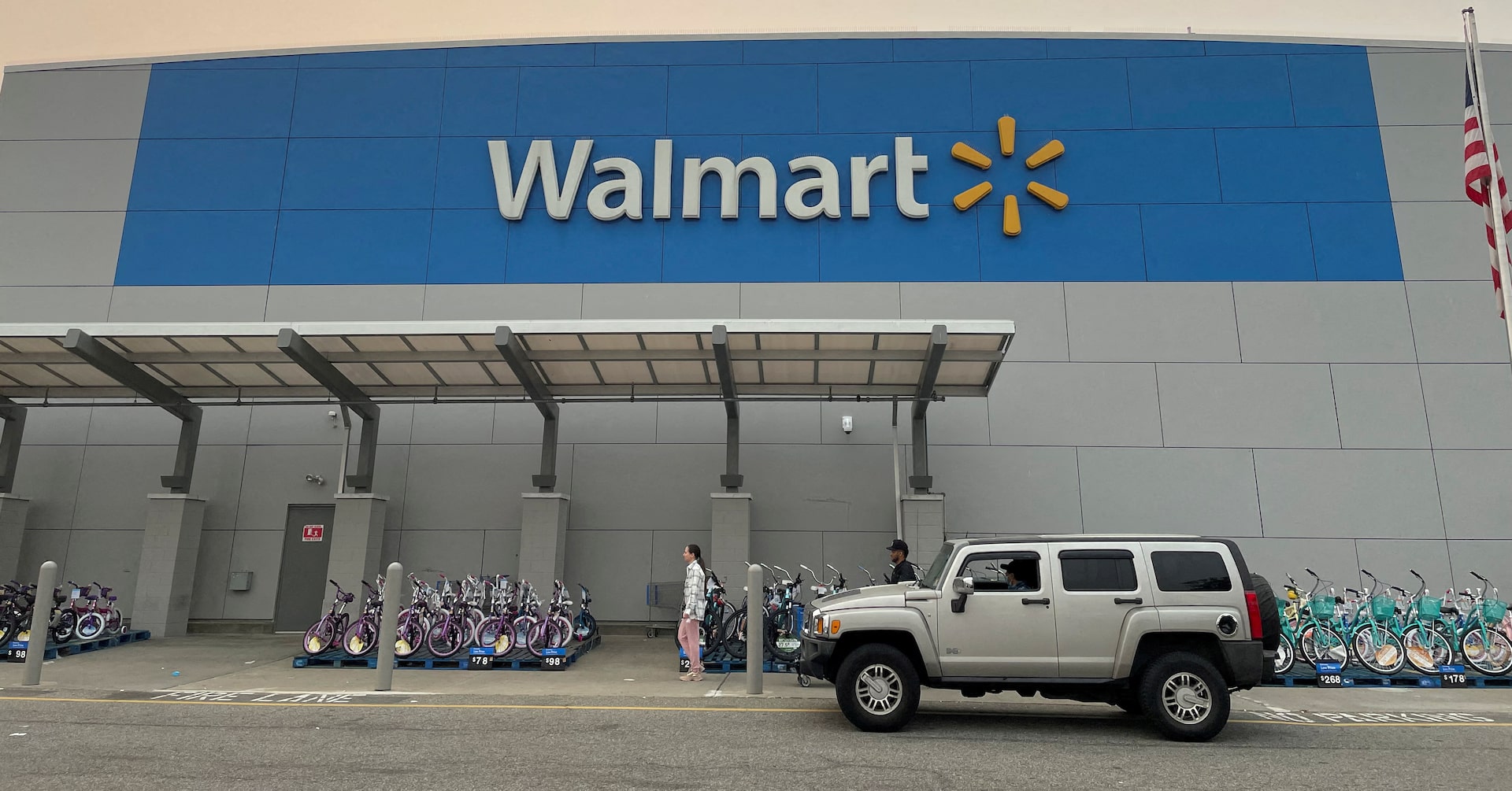
- Walmart's Major Benefit: Walmart is set to receive about $10.2 billion in refunds, a substantial amount that, while modest compared to its $713 billion revenue, will have a significant impact on its adjusted operating income of approximately $8.7 billion.
- Refunds for Other Retailers: Target is expected to receive $2.2 billion, Nike around $1 billion, and Kohl's and Home Depot are projected to get $550 million and $540 million respectively, providing these companies with a financial cushion for future growth.
- Legal Risks Ahead: While the refunds are positive news for retailers and their shareholders, the fact that many passed tariff costs onto consumers may lead to lawsuits, posing risks to their brand reputation and future profitability.

Trump Warns Companies Not Seeking Tariff Refunds


- Tariff Refund Potential: The U.S. Customs and Border Protection has opened a portal for importers to seek over $160 billion in potential tariff refunds, which could provide significant financial relief for many large retailers.
- Trump's Warning: In an interview, Trump stated he would

Trump Says He Will Remember Companies Not Seeking Tariff Refunds
- Tariff Refund Opportunity: Trump stated he will remember U.S. companies, particularly Apple and Amazon, that do not seek tariff refunds, which could impact their relationship with the government, especially regarding trade policies.
- Potential Refund Amount: The U.S. Customs and Border Protection has opened a portal for importers to apply for over $160 billion in potential tariff refunds, representing a significant financial opportunity for major retailers like Levi Strauss and Gap.
- Levi Strauss Expectations: Levi Strauss's CFO indicated the company expects to receive around $80 million in tariff refunds, which would significantly enhance its financial position amid the current trade environment.
- Gap's Financial Impact: Gap's CFO noted that the tariff impact has been significant on performance, and while refunds have not been factored into their outlook, the company is closely monitoring the situation, which may lead to future adjustments in financial forecasts.
Gap Inc. Declares Q2 2026 Dividend of $0.175 per Share
- Dividend Announcement: Gap Inc.'s board has authorized a Q2 2026 dividend of $0.175 per share, payable on or after July 29, 2026, reflecting the company's ongoing commitment to shareholder returns.
- Record Date for Shareholders: The dividend will be paid to shareholders of record as of the close of business on July 8, 2026, ensuring timely returns to investors and enhancing confidence in the company's financial health.
- Company Overview: Gap Inc. is the largest specialty apparel company in America, with iconic brands such as Old Navy, Gap, Banana Republic, and Athleta, offering a wide range of clothing and lifestyle products available globally.
- Sustainability Commitment: Since 1969, Gap Inc. has focused on creating cultural products while being committed to employees, communities, and the planet, showcasing its image as a responsible corporate entity.
Gap Inc. to Report Q1 Fiscal 2026 Results on May 28
- Earnings Release Schedule: Gap Inc. will release its Q1 fiscal 2026 financial results on May 28, 2026, at 1:15 PM Pacific Time, reflecting the company's commitment to transparency and investor communication.
- Conference Call Details: On the same day, Gap Inc. will host a conference call at 2:00 PM Pacific Time to review its Q1 financial results, aiming to provide investors with in-depth analysis and future outlook.
- Webcast Availability: The conference call will be available via live webcast on Gap Inc.'s investor website, ensuring that global investors can access real-time information and enhancing interaction between the company and its investors.
- Company Background: Gap Inc. is the largest specialty apparel company in America, with iconic brands such as Old Navy, Gap, Banana Republic, and Athleta, committed to influencing culture and promoting sustainability through its products and services.
Doris Fisher, Co-Founder of Gap, Passes Away at 94
- Founder’s Passing: Doris Fisher, co-founder of Gap, passed away at the age of 94, having opened the first Gap store in San Francisco in 1969 with her late husband Donald, establishing one of America's most recognizable clothing retailers.
- Innovative Market Positioning: Fisher coined the name 'The Gap' to target the rapidly growing teenage market, successfully capitalizing on the denim demand surge in the 1970s, which helped position Gap as one of the world's most influential specialty apparel retailers.
- Company Growth: Today, Gap operates approximately 3,570 stores globally, with annual sales around $15 billion, encompassing brands such as Old Navy, Gap, Banana Republic, and Athleta, showcasing its significant impact in the apparel industry.
- Cultural and Philanthropic Contributions: Fisher served as a merchandising consultant until 2003 and remained on the board until 2009; she founded the Gap Foundation, embedding philanthropy into the company culture and advocating for gender equality in the workplace.
Major Refunds for U.S. Importers Following Supreme Court Ruling
- Massive Refunds: The Supreme Court's ruling mandates the federal government to refund approximately $166 billion in tariffs, which will significantly enhance the financial positions of blue-chip retailers heavily reliant on imports, potentially boosting their stock prices.
- Walmart's Major Benefit: Walmart is set to receive about $10.2 billion in refunds, a substantial amount that, while modest compared to its $713 billion revenue, will have a significant impact on its adjusted operating income of approximately $8.7 billion.
- Refunds for Other Retailers: Target is expected to receive $2.2 billion, Nike around $1 billion, and Kohl's and Home Depot are projected to get $550 million and $540 million respectively, providing these companies with a financial cushion for future growth.
- Legal Risks Ahead: While the refunds are positive news for retailers and their shareholders, the fact that many passed tariff costs onto consumers may lead to lawsuits, posing risks to their brand reputation and future profitability.
Trump Warns Companies Not Seeking Tariff Refunds
- Tariff Refund Potential: The U.S. Customs and Border Protection has opened a portal for importers to seek over $160 billion in potential tariff refunds, which could provide significant financial relief for many large retailers.
- Trump's Warning: In an interview, Trump stated he would
Trump Says He Will Remember Companies Not Seeking Tariff Refunds
- Tariff Refund Opportunity: Trump stated he will remember U.S. companies, particularly Apple and Amazon, that do not seek tariff refunds, which could impact their relationship with the government, especially regarding trade policies.
- Potential Refund Amount: The U.S. Customs and Border Protection has opened a portal for importers to apply for over $160 billion in potential tariff refunds, representing a significant financial opportunity for major retailers like Levi Strauss and Gap.
- Levi Strauss Expectations: Levi Strauss's CFO indicated the company expects to receive around $80 million in tariff refunds, which would significantly enhance its financial position amid the current trade environment.
- Gap's Financial Impact: Gap's CFO noted that the tariff impact has been significant on performance, and while refunds have not been factored into their outlook, the company is closely monitoring the situation, which may lead to future adjustments in financial forecasts.