U.S.-China Summit Reaches Cooperation Consensus
Written by Emily J. Thompson, Senior Investment Analyst
Updated: 45 minutes ago
0mins

Should l Buy CAAS?
Source: CNBC
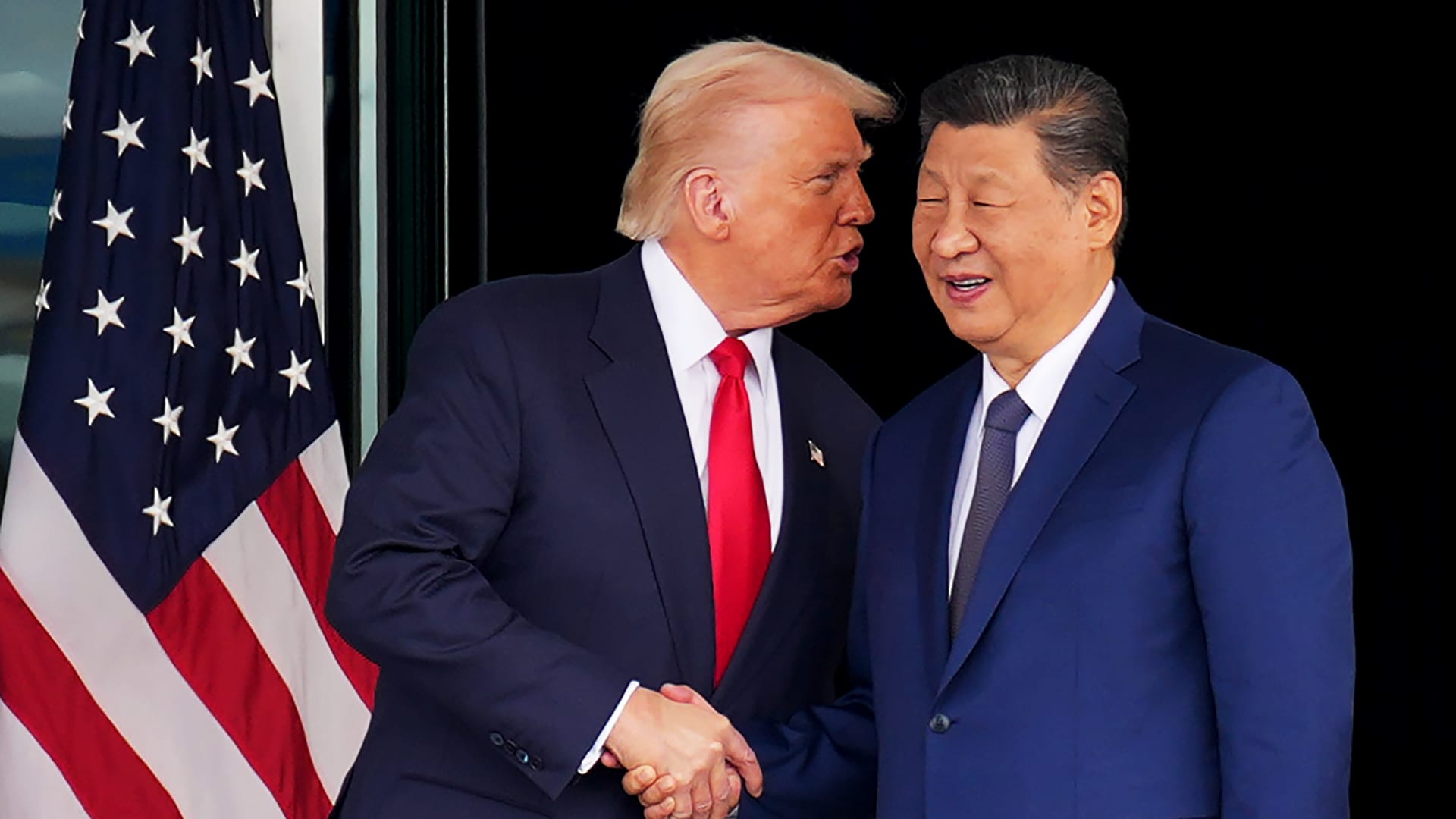
- New Strategic Framework: Xi Jinping and Donald Trump agreed to a guiding framework of 'constructive China-U.S. relationship of strategic stability' for the next three years, indicating a willingness to manage competition while preventing escalation of tensions.
- Positive Pre-summit Outcomes: At the preparatory meeting in South Korea, trade envoys achieved 'overall balanced and positive outcomes,' with Xi emphasizing the need to maintain this momentum, reflecting China's openness to deeper U.S. commercial engagement.
- Areas for Deeper Cooperation: Xi called for better use of diplomatic and military communication channels while advocating for deeper cooperation in economic, trade, agriculture, and tourism sectors, highlighting the potential for multi-faceted collaboration between the two nations.
- Critical Taiwan Issue: Xi labeled Taiwan as 'the most important issue in U.S.-China relations,' warning that proper handling could stabilize relations while mishandling could lead to conflict, underscoring the sensitivity and complexity of the Taiwan situation.
Trade with 70% Backtested Accuracy
Stop guessing "Should I Buy CAAS?" and start using high-conviction signals backed by rigorous historical data.
Sign up today to access powerful investing tools and make smarter, data-driven decisions.
Analyst Views on CAAS
About CAAS
China Automotive Systems Inc is a holding company principally engaged in the manufacture and sale of automotive systems and components. The Company’s main products include rack and pinion power steering, integral power steering, electronic power steering and manual steering, steering columns, steering oil pumps and steering hoses. The Company's major customers include FAW Group, Dongfeng Auto Group Co., Ltd, BYD Auto Co., Ltd, as well as Stellar Group and Ford Motor Company in North America. The Company primarily operates its businesses in the domestic and overseas markets.
About the author

Emily J. Thompson
Emily J. Thompson, a Chartered Financial Analyst (CFA) with 12 years in investment research, graduated with honors from the Wharton School. Specializing in industrial and technology stocks, she provides in-depth analysis for Intellectia’s earnings and market brief reports.
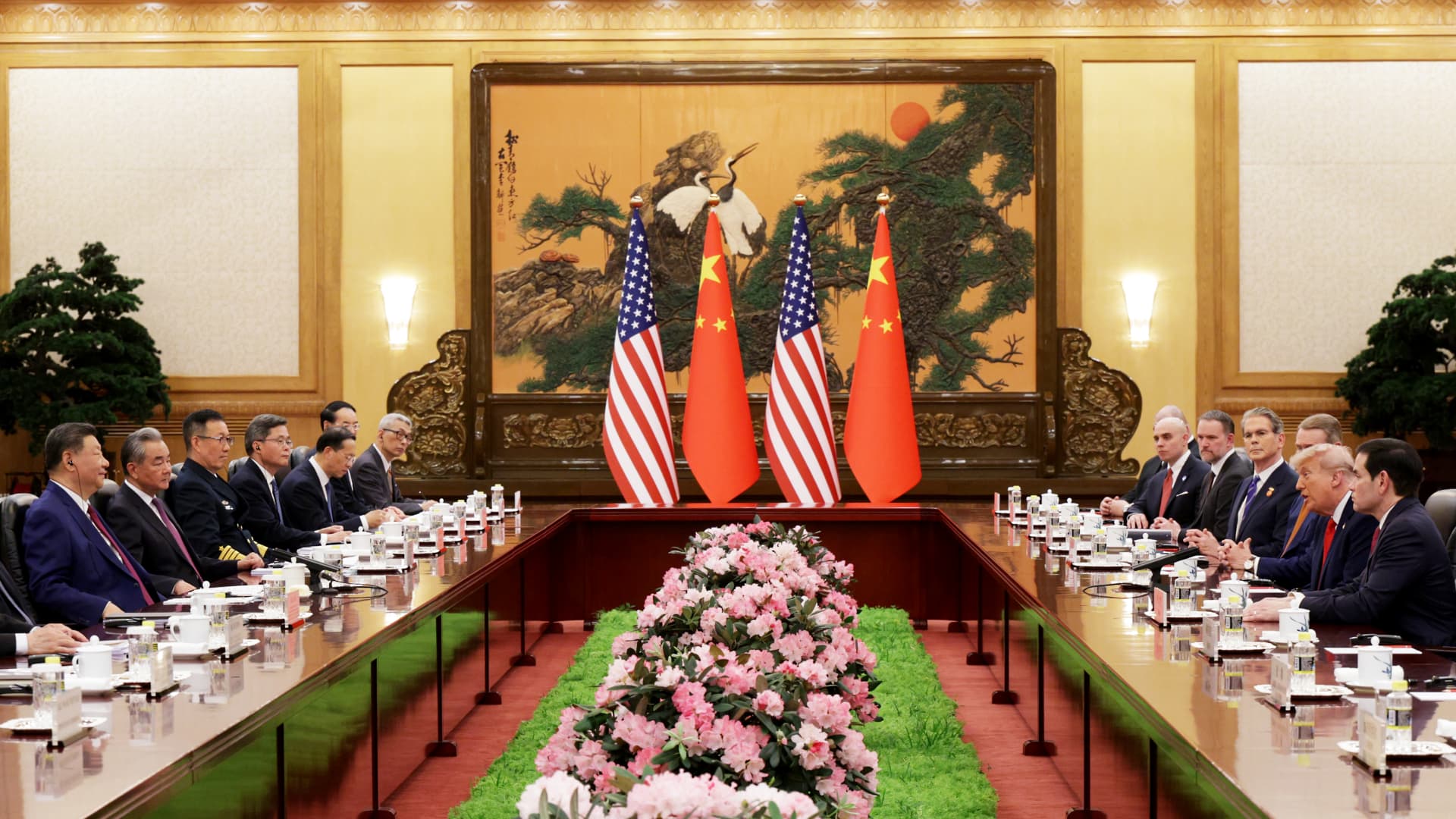
U.S.-China Summit Reaches Cooperation Consensus


- New Strategic Framework: Xi Jinping and Donald Trump agreed to a guiding framework of 'constructive China-U.S. relationship of strategic stability' for the next three years, indicating a willingness to manage competition while preventing escalation of tensions.
- Positive Pre-summit Outcomes: At the preparatory meeting in South Korea, trade envoys achieved 'overall balanced and positive outcomes,' with Xi emphasizing the need to maintain this momentum, reflecting China's openness to deeper U.S. commercial engagement.
- Areas for Deeper Cooperation: Xi called for better use of diplomatic and military communication channels while advocating for deeper cooperation in economic, trade, agriculture, and tourism sectors, highlighting the potential for multi-faceted collaboration between the two nations.
- Critical Taiwan Issue: Xi labeled Taiwan as 'the most important issue in U.S.-China relations,' warning that proper handling could stabilize relations while mishandling could lead to conflict, underscoring the sensitivity and complexity of the Taiwan situation.
See More
US-India Relations Face New Challenges Amidst US-China Summit

- Tension in US-India Relations: The shift in the Trump administration's China policy has strained US-India relations, with experts noting India's concerns that the US may prioritize China as the main negotiating partner, thereby diminishing India's strategic role in the Indo-Pacific.
- Need for Enhanced Strategic Value: To counter potential marginalization, India must establish more tangible cooperation with the US in sectors such as defense, maritime security, and critical minerals, thereby enhancing its strategic value and ensuring its importance in US-China relations.
- Changes in Trade Policy: The Trump administration's trade policy has become more transactional, with a 25% penalty tariff imposed on India last year for allegedly profiting from cheap Russian oil, further deteriorating bilateral relations.
- Concerns Over G2 Concept: India's attention to the US-China summit has intensified, with fears that the so-called 'G2' concept may marginalize middle powers like India, impacting its voice and influence in international affairs.
See More
China Amasses World's Largest Crude Oil Stockpile
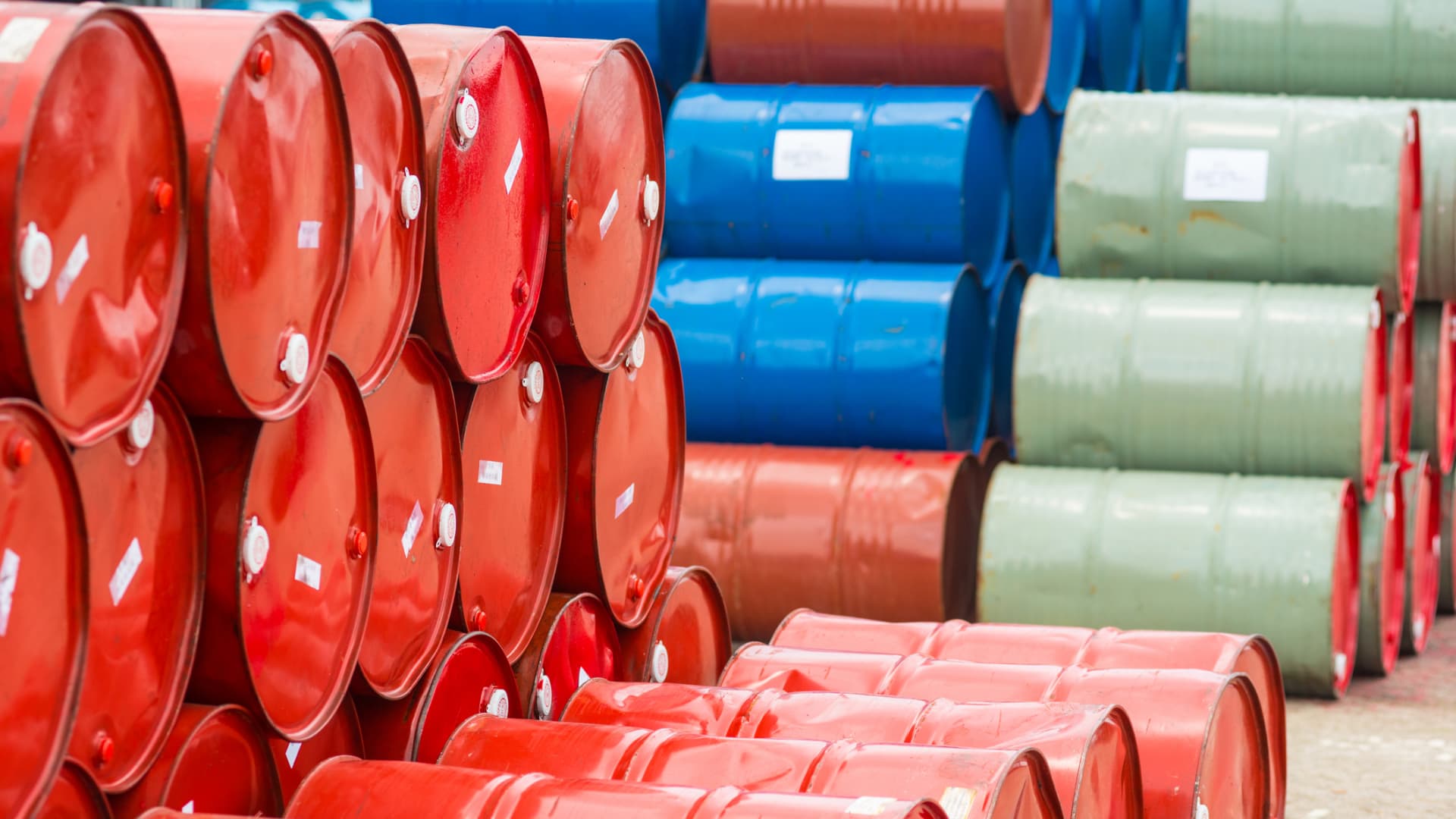
- Oil Reserve Scale: China added an average of 1.1 million barrels per day to its strategic reserves in 2025, bringing its total to approximately 360 million barrels by December 2025, closely approaching the U.S. reserves of nearly 414 million barrels, highlighting China's significant role in the global energy market.
- Impact on U.S. Relations: The increase in Chinese imports of Iranian crude could prompt the U.S. to impose a second round of sanctions on Sino-Iranian trade, escalating tensions between the two nations and potentially affecting the agenda of the upcoming high-level meeting.
- Market Dynamics Shift: According to Kpler, the completion of Middle Eastern cargo discharges has led to a rapid inventory drawdown, which may slow refining rates and further impact global oil price volatility, indicating a shift in market dynamics.
- Strategic Reserve Role: China's strategic petroleum reserves serve as a hedge against supply constraints and price volatility, particularly amid escalating tensions with the U.S. and sanctions, underscoring its strategic significance in global energy security.
See More
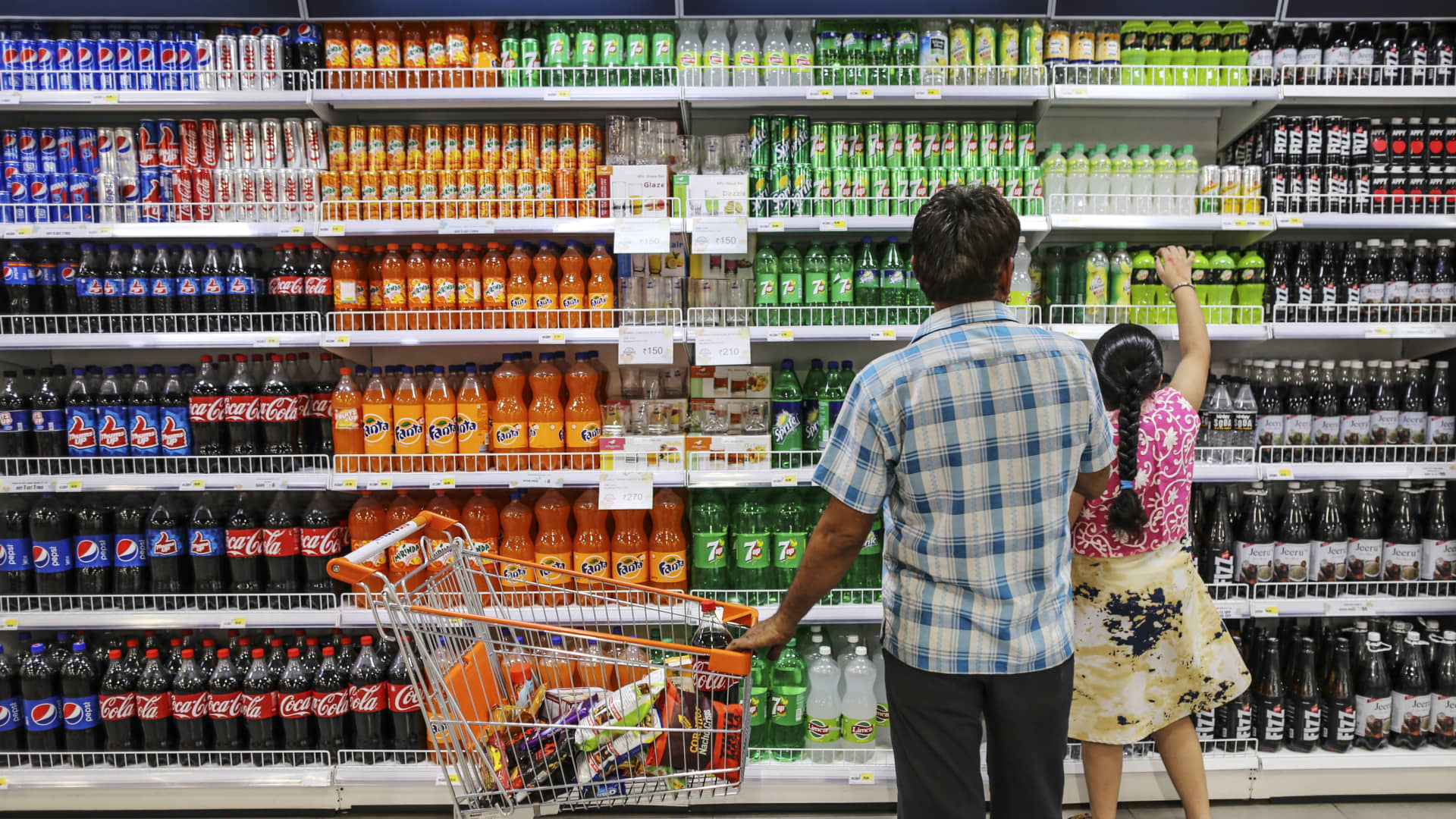
Social Media Influencers Transform India's Food and Beverage Market
- Health Beverage Transformation: PepsiCo reports that over 50% of its beverage portfolio in India consists of low- to no-sugar options, with plans to increase this to 90%, reflecting a significant shift towards healthier consumer preferences in the market.
- Consumer Awareness Rise: Social media influencers are urging consumers to read labels, leading brands like Dabur and Mondelez to reduce sugar content; Dabur has cut sugar by 21% in its juices by 2023 and aims for an additional 20% reduction, highlighting the strong demand for healthier products.
- Rise of D2C Brands: The growth of social media is facilitating the rise of direct-to-consumer brands in India, posing a threat to traditional companies that fail to adapt, as experts indicate this trend will be a crucial lever for future personal care and food brands.
- Strengthened Food Safety Regulations: India's food safety regulator has banned certain beverages from using
See More
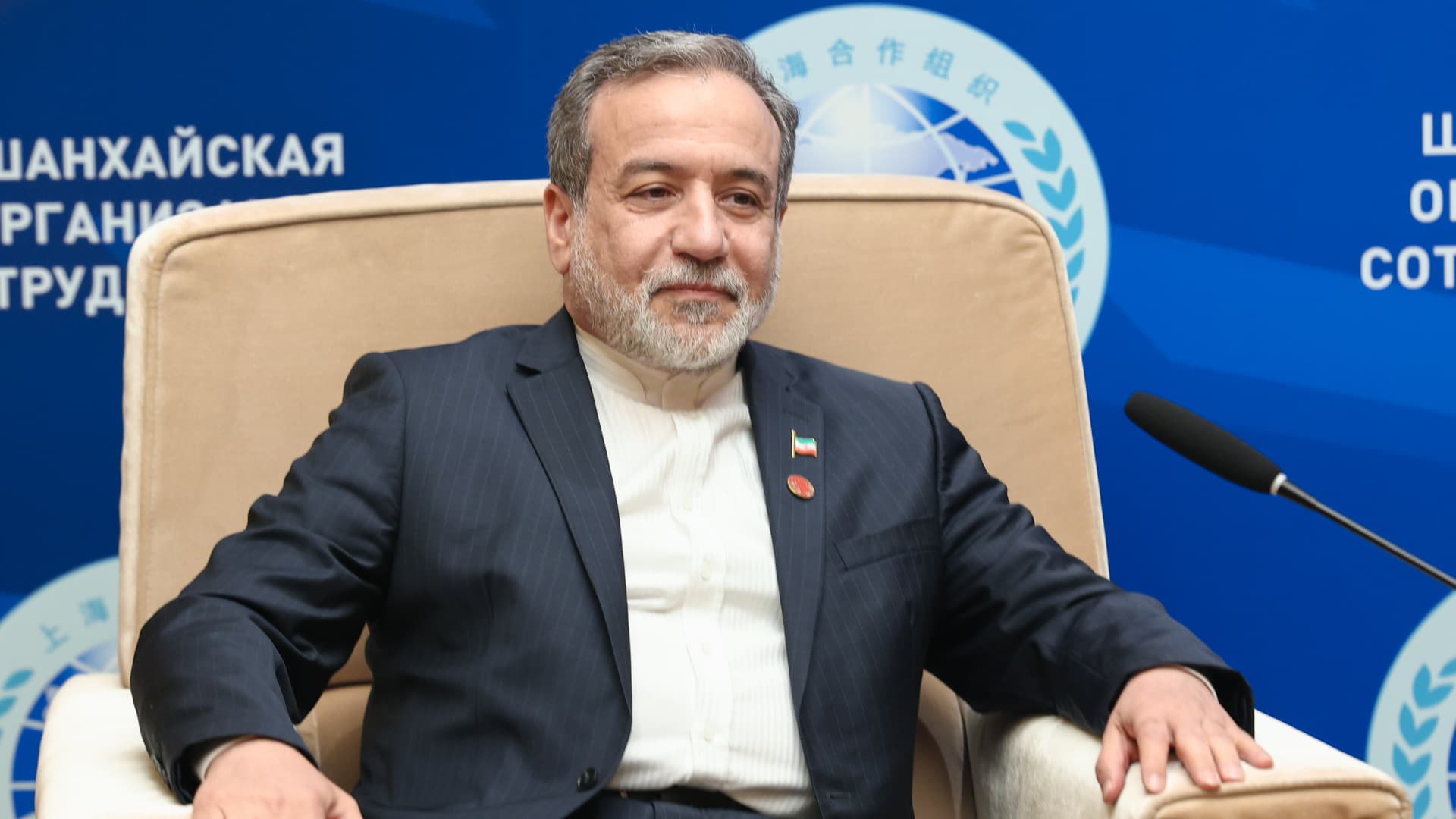
China-Iran Foreign Ministers' Meeting Holds Strategic Significance

- Strengthening Bilateral Relations: The meeting between China's Foreign Minister Wang Yi and Iran's Foreign Minister Abbas Araghchi signifies a deepening relationship amid the U.S.-Israel conflict, with discussions on bilateral ties and regional issues highlighting China's proactive role in Middle Eastern affairs.
- Energy Security Focus: Araghchi's visit coincides with President Trump's upcoming trip to China, indicating Iran's intent to ensure stable oil flows and financial channels through cooperation with China, reflecting Beijing's emphasis on stability in the Persian Gulf to protect its energy supply chain.
- Strategic Timing: This meeting is viewed as a strategic alignment between China and Iran ahead of Trump's summit, aiming to demonstrate that Iran is not isolated and is seeking support in its standoff with the U.S., which could influence future diplomatic negotiations.
- Ensuring Strait Passage: China has called for normal passage through the Strait of Hormuz, emphasizing the waterway's critical role in global energy transport, especially as approximately 20% of the world's oil and LNG transit through it, showcasing China's commitment to maintaining international trade flows.
See More
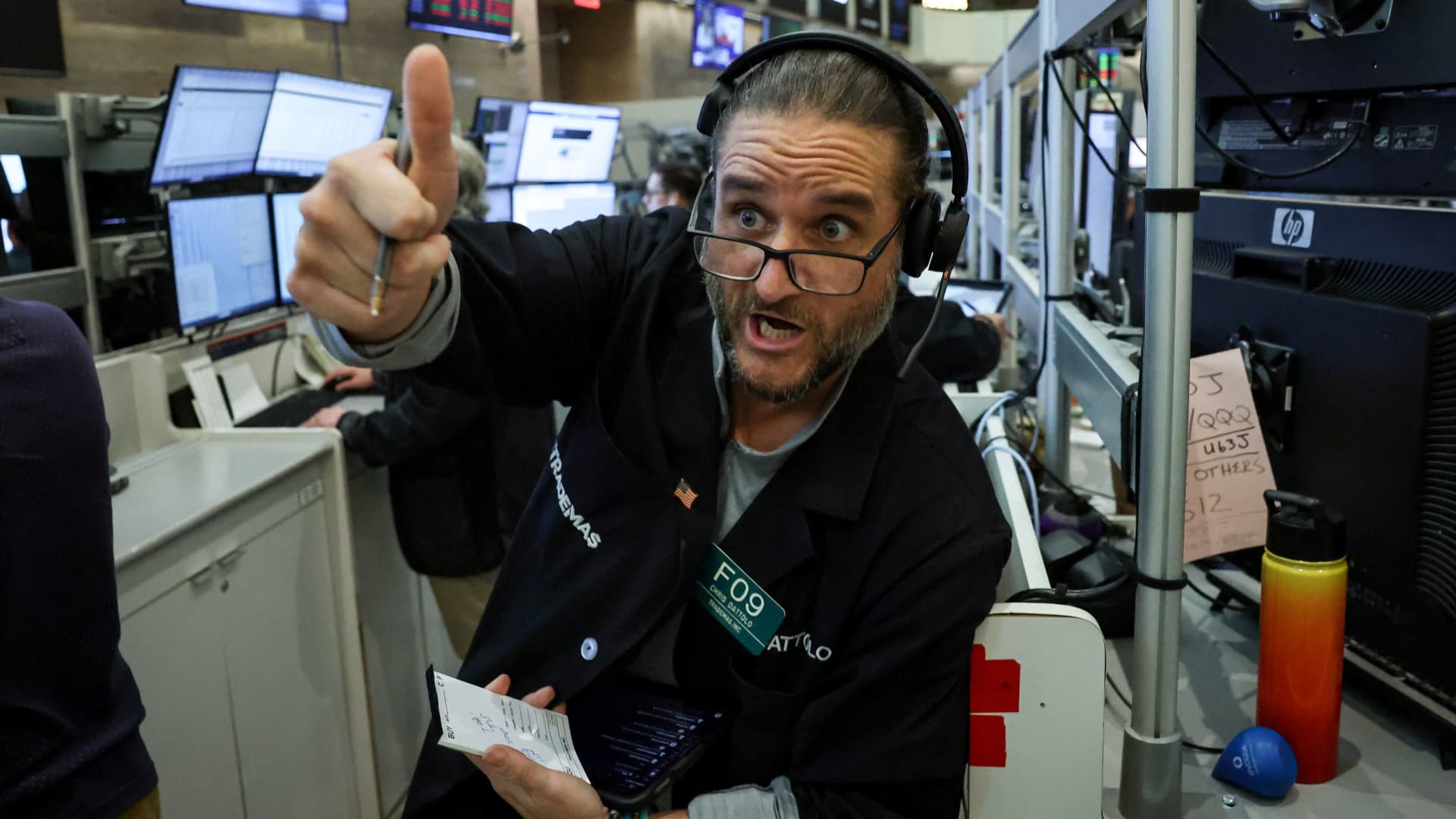
Should Investors Follow the 'Sell in May' Strategy?
- Testing Traditional Strategies: As May begins, investors are challenged by the traditional 'sell in May' strategy, despite historical data showing that the S&P 500 has averaged a 1.5% return in May and a 1.9% increase in June over the past decade.
- Strong European Market Performance: In April, Europe's STOXX 600 and Germany's DAX posted their best monthly performances since January of last year, with Italy's FTSE MIB achieving a nearly 9% rally, indicating market resilience and potential investment opportunities.
- Upcoming Earnings Reports: In the coming weeks, major European banks like Unicredit and HSBC will release earnings, and investors should closely monitor these reports to gauge market trends, as changes in corporate profitability could significantly impact stock performance in the current economic climate.
- Risk Factors Warning: Despite the strong performance of global stocks, the cautious stance of the Federal Reserve and ECB, along with ongoing inflation pressures, may pose threats to the market, prompting investors to make informed choices between traditional and unconventional strategies.
See More
U.S.-China Summit Reaches Cooperation Consensus
- New Strategic Framework: Xi Jinping and Donald Trump agreed to a guiding framework of 'constructive China-U.S. relationship of strategic stability' for the next three years, indicating a willingness to manage competition while preventing escalation of tensions.
- Positive Pre-summit Outcomes: At the preparatory meeting in South Korea, trade envoys achieved 'overall balanced and positive outcomes,' with Xi emphasizing the need to maintain this momentum, reflecting China's openness to deeper U.S. commercial engagement.
- Areas for Deeper Cooperation: Xi called for better use of diplomatic and military communication channels while advocating for deeper cooperation in economic, trade, agriculture, and tourism sectors, highlighting the potential for multi-faceted collaboration between the two nations.
- Critical Taiwan Issue: Xi labeled Taiwan as 'the most important issue in U.S.-China relations,' warning that proper handling could stabilize relations while mishandling could lead to conflict, underscoring the sensitivity and complexity of the Taiwan situation.
See More
US-India Relations Face New Challenges Amidst US-China Summit
- Tension in US-India Relations: The shift in the Trump administration's China policy has strained US-India relations, with experts noting India's concerns that the US may prioritize China as the main negotiating partner, thereby diminishing India's strategic role in the Indo-Pacific.
- Need for Enhanced Strategic Value: To counter potential marginalization, India must establish more tangible cooperation with the US in sectors such as defense, maritime security, and critical minerals, thereby enhancing its strategic value and ensuring its importance in US-China relations.
- Changes in Trade Policy: The Trump administration's trade policy has become more transactional, with a 25% penalty tariff imposed on India last year for allegedly profiting from cheap Russian oil, further deteriorating bilateral relations.
- Concerns Over G2 Concept: India's attention to the US-China summit has intensified, with fears that the so-called 'G2' concept may marginalize middle powers like India, impacting its voice and influence in international affairs.
See More
China Amasses World's Largest Crude Oil Stockpile
- Oil Reserve Scale: China added an average of 1.1 million barrels per day to its strategic reserves in 2025, bringing its total to approximately 360 million barrels by December 2025, closely approaching the U.S. reserves of nearly 414 million barrels, highlighting China's significant role in the global energy market.
- Impact on U.S. Relations: The increase in Chinese imports of Iranian crude could prompt the U.S. to impose a second round of sanctions on Sino-Iranian trade, escalating tensions between the two nations and potentially affecting the agenda of the upcoming high-level meeting.
- Market Dynamics Shift: According to Kpler, the completion of Middle Eastern cargo discharges has led to a rapid inventory drawdown, which may slow refining rates and further impact global oil price volatility, indicating a shift in market dynamics.
- Strategic Reserve Role: China's strategic petroleum reserves serve as a hedge against supply constraints and price volatility, particularly amid escalating tensions with the U.S. and sanctions, underscoring its strategic significance in global energy security.
See More
Social Media Influencers Transform India's Food and Beverage Market
- Health Beverage Transformation: PepsiCo reports that over 50% of its beverage portfolio in India consists of low- to no-sugar options, with plans to increase this to 90%, reflecting a significant shift towards healthier consumer preferences in the market.
- Consumer Awareness Rise: Social media influencers are urging consumers to read labels, leading brands like Dabur and Mondelez to reduce sugar content; Dabur has cut sugar by 21% in its juices by 2023 and aims for an additional 20% reduction, highlighting the strong demand for healthier products.
- Rise of D2C Brands: The growth of social media is facilitating the rise of direct-to-consumer brands in India, posing a threat to traditional companies that fail to adapt, as experts indicate this trend will be a crucial lever for future personal care and food brands.
- Strengthened Food Safety Regulations: India's food safety regulator has banned certain beverages from using
See More
China-Iran Foreign Ministers' Meeting Holds Strategic Significance
- Strengthening Bilateral Relations: The meeting between China's Foreign Minister Wang Yi and Iran's Foreign Minister Abbas Araghchi signifies a deepening relationship amid the U.S.-Israel conflict, with discussions on bilateral ties and regional issues highlighting China's proactive role in Middle Eastern affairs.
- Energy Security Focus: Araghchi's visit coincides with President Trump's upcoming trip to China, indicating Iran's intent to ensure stable oil flows and financial channels through cooperation with China, reflecting Beijing's emphasis on stability in the Persian Gulf to protect its energy supply chain.
- Strategic Timing: This meeting is viewed as a strategic alignment between China and Iran ahead of Trump's summit, aiming to demonstrate that Iran is not isolated and is seeking support in its standoff with the U.S., which could influence future diplomatic negotiations.
- Ensuring Strait Passage: China has called for normal passage through the Strait of Hormuz, emphasizing the waterway's critical role in global energy transport, especially as approximately 20% of the world's oil and LNG transit through it, showcasing China's commitment to maintaining international trade flows.
See More
Should Investors Follow the 'Sell in May' Strategy?
- Testing Traditional Strategies: As May begins, investors are challenged by the traditional 'sell in May' strategy, despite historical data showing that the S&P 500 has averaged a 1.5% return in May and a 1.9% increase in June over the past decade.
- Strong European Market Performance: In April, Europe's STOXX 600 and Germany's DAX posted their best monthly performances since January of last year, with Italy's FTSE MIB achieving a nearly 9% rally, indicating market resilience and potential investment opportunities.
- Upcoming Earnings Reports: In the coming weeks, major European banks like Unicredit and HSBC will release earnings, and investors should closely monitor these reports to gauge market trends, as changes in corporate profitability could significantly impact stock performance in the current economic climate.
- Risk Factors Warning: Despite the strong performance of global stocks, the cautious stance of the Federal Reserve and ECB, along with ongoing inflation pressures, may pose threats to the market, prompting investors to make informed choices between traditional and unconventional strategies.
See More