Frontline Declares Quarterly Dividend Amid Market Challenges

Frontline Plc's stock has hit a 5-day low, reflecting broader market pressures as the Nasdaq-100 and S&P 500 indices decline by 0.94% and 1.04%, respectively.
Despite the stock's decline, Frontline announced a quarterly dividend of $1.03 per share, showcasing its ability to generate stable cash flow and return value to shareholders. This announcement comes amid rising shipping costs and geopolitical tensions affecting the maritime industry, which may pose challenges for the company moving forward.
The dividend declaration is expected to enhance investor confidence, but the company must navigate the complexities of the current market environment, including potential impacts from increased insurance costs and operational risks in the Persian Gulf.
Trade with 70% Backtested Accuracy
Analyst Views on FRO

About FRO
About the author

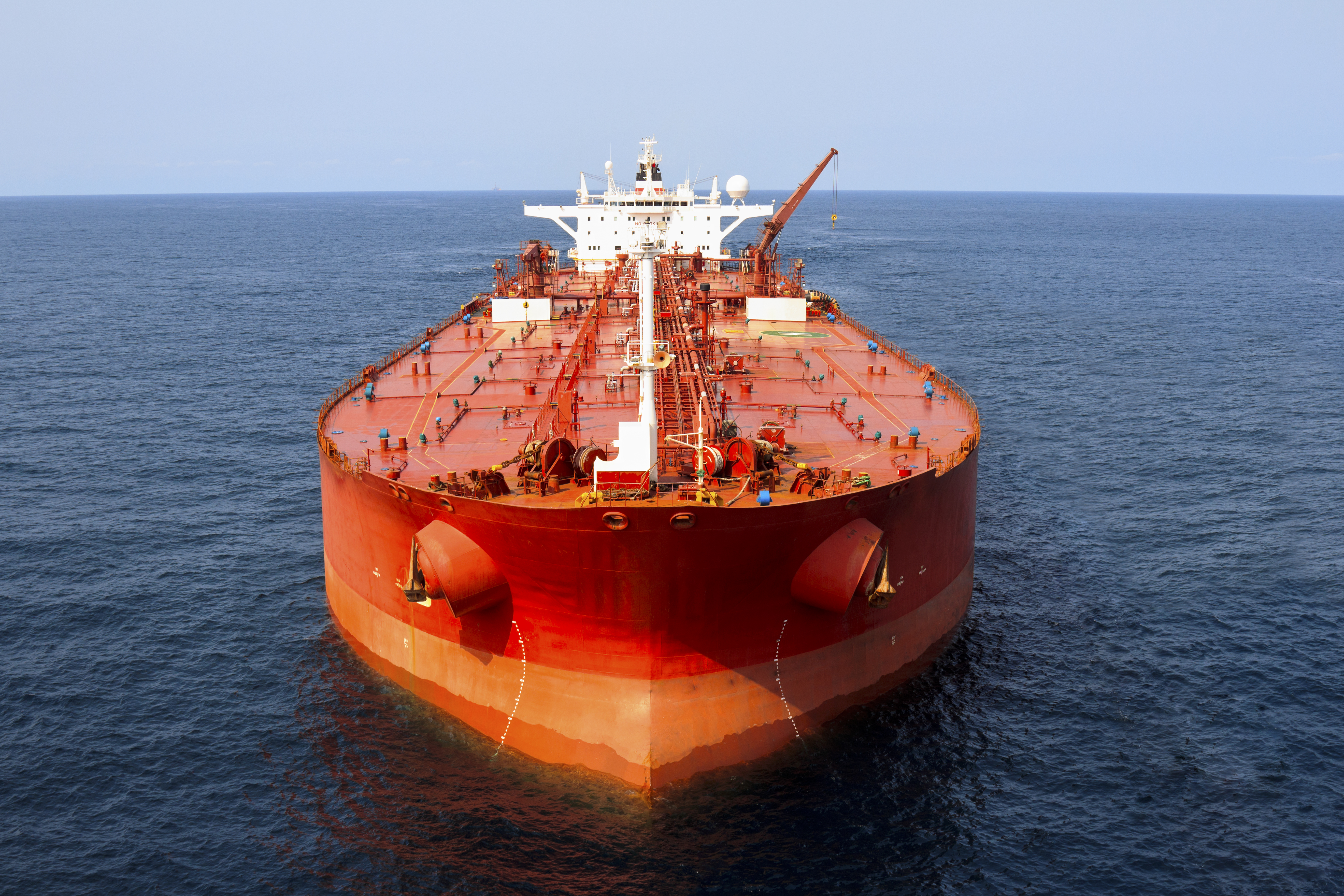
U.S. Naval Blockade on Iranian Ports Boosts Shipping Stocks Broadly

- Broad Gains in Shipping: The shipping and tanker industry saw broad gains on Monday following the U.S. naval blockade of Iranian ports, although results finished well off sharp early gains, indicating market sensitivity to geopolitical risks.
- Tanker Stock Performance: According to TradeWinds, tanker stocks gained an average of 2.8%, with clean product carriers performing slightly better than crude tankers, reflecting varying demand across different types of tankers in the current market.
- Top Gainers: Among the notable gainers, Navigator Holdings (NVGS) rose 3.7%, Torm (TRMD) increased by 3.5%, and Scorpio Tankers (STNG) climbed 2.6%, showcasing their relative strength in the current market environment.
- Market Dynamics Analysis: This rally continues the
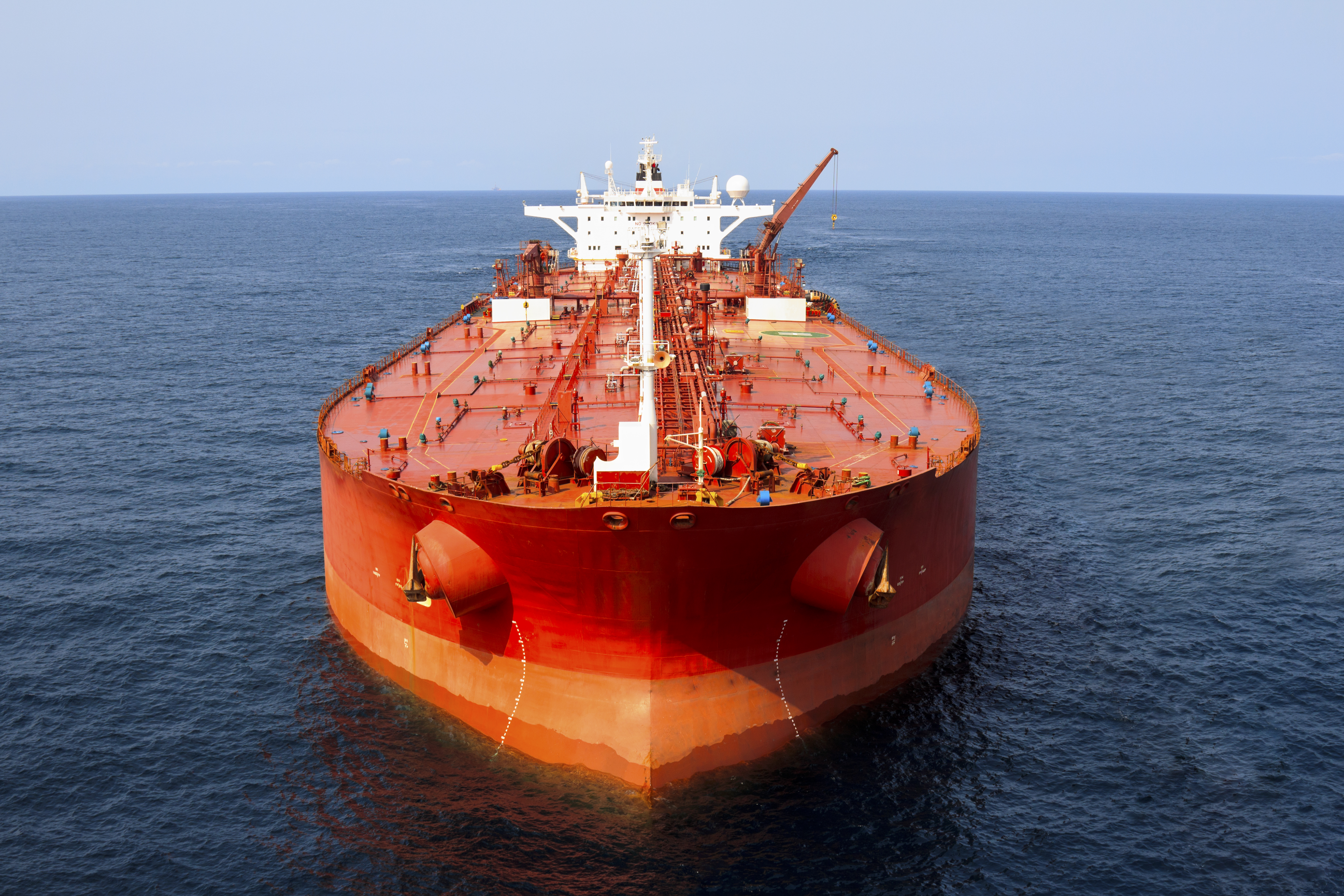
Oil Tanker Transit Halted in Strait of Hormuz Amid Israeli Attacks
- Transit Disruption: Oil tanker transit through the Strait of Hormuz has been halted due to Israeli attacks on Lebanon, potentially jeopardizing the stability of the ceasefire agreement and creating uncertainty for shipping companies.
- Limited Resumption: Following President Trump's announcement of a temporary ceasefire, limited ship movement has resumed in the strait, with Fars reporting that two tankers were granted safe passage, indicating a delicate shift in the situation.
- Market Reaction: Despite the tense situation, energy-related shipping shares have generally risen, with DHT Holdings up 3.5% and Frontline up 3.3%, reflecting market optimism regarding future oil tanker transportation.
- Risk Assessment: Analyst Fredrik Dybwad noted that if transit becomes possible in the coming two weeks, there may be a prioritization of clearing trapped tankers, posing a risk to tanker rates, but increased demand could also drive rates higher.
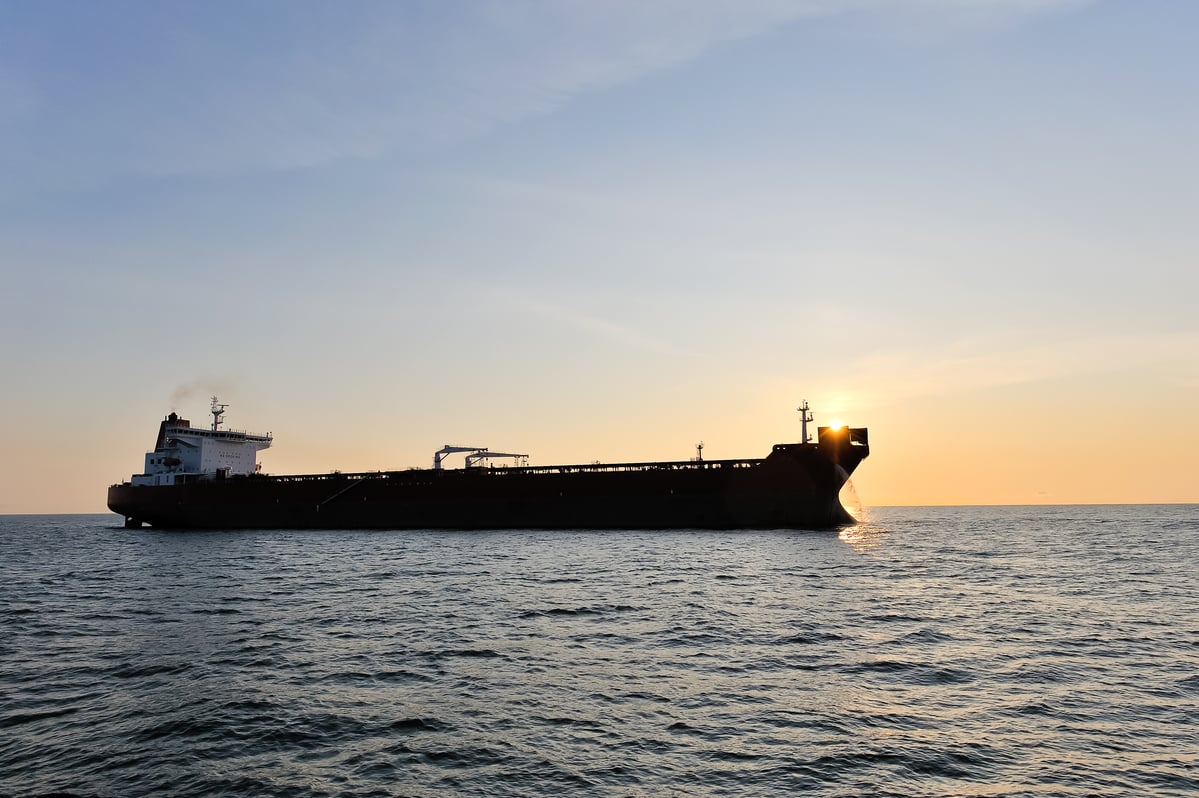
Middle East Conflict Boosts Oil Tanker Stocks

- Strait of Hormuz Impact: Disruptions in the Strait of Hormuz directly affect about 20% of global crude oil supply, leading to significant increases in oil tanker day rates, with Frontline, the largest operator, poised for substantial short-term profitability gains.
- High Operating Leverage: With most of Frontline's operating expenses fixed, rising oil prices allow incremental revenue to flow directly to the bottom line, as evidenced by the current VLCC day rate of $423,736, far exceeding the $76,900 average at the start of 2026, indicating strong profit potential.
- Conservative Analyst Expectations: Analysts project Frontline's EPS to exceed $3.50 in 2026 but drop to around $2.35 in 2027, reflecting cautious sentiment regarding the sustainability of this tailwind, which may pressure the stock price in the short term.
- Attractive Dividend Yield: With a current dividend yield of 5.2%, Frontline stands out among high-yield stocks, and if elevated rates persist, exceeding earnings expectations could further drive the stock price up, attracting more investor interest.

Frontline Positioned to Benefit from Strait of Hormuz Crisis
- Profitability Surge: As the world's largest VLCC operator, Frontline stands to gain significantly from the Strait of Hormuz crisis, with analysts projecting earnings of $3.62 per share in 2026, more than double last year's figures, indicating robust profit growth potential.
- Charter Rate Spike: The ongoing conflict has driven VLCC daily charter rates to a record high of $423,736, significantly enhancing Frontline's operating leverage and boosting near-term profitability.
- Positive Market Response: While analysts forecast a drop in EPS to $2.35 in 2027, the current elevated charter rates could allow Frontline's stock price to continue rising, potentially surpassing recent highs of $40 per share.
- Attractive Dividend Yield: With a current dividend yield of 5.2%, Frontline presents a compelling opportunity among high-yield stocks, particularly in the context of fluctuating oil prices, making it a focal point for investors.

European Energy Resilience Faces Complex Challenges Amid Regional Instability
- Supply Chain Vulnerability: While only 11% of Europe's LNG and 12% of its oil comes from the Middle East, potential blockades could lead to financial repercussions, jeopardizing Europe's energy security.
- Increased Market Competition: The 'destination flexibility' in global energy contracts may force European buyers to outbid Asian markets, raising costs and undermining progress in diversifying imports away from Russia.
- Logistical Pressures: The shift in global energy flows places greater adjustment burdens on shipping infrastructure, particularly as rapid changes in oil contracts heighten market vulnerability, potentially impacting Europe's industrial recovery.
- Macroeconomic Stability: The ability of European utilities to manage price spikes will directly affect macroeconomic stability in the Eurozone, highlighting the critical role of financial capacity in ensuring energy security.
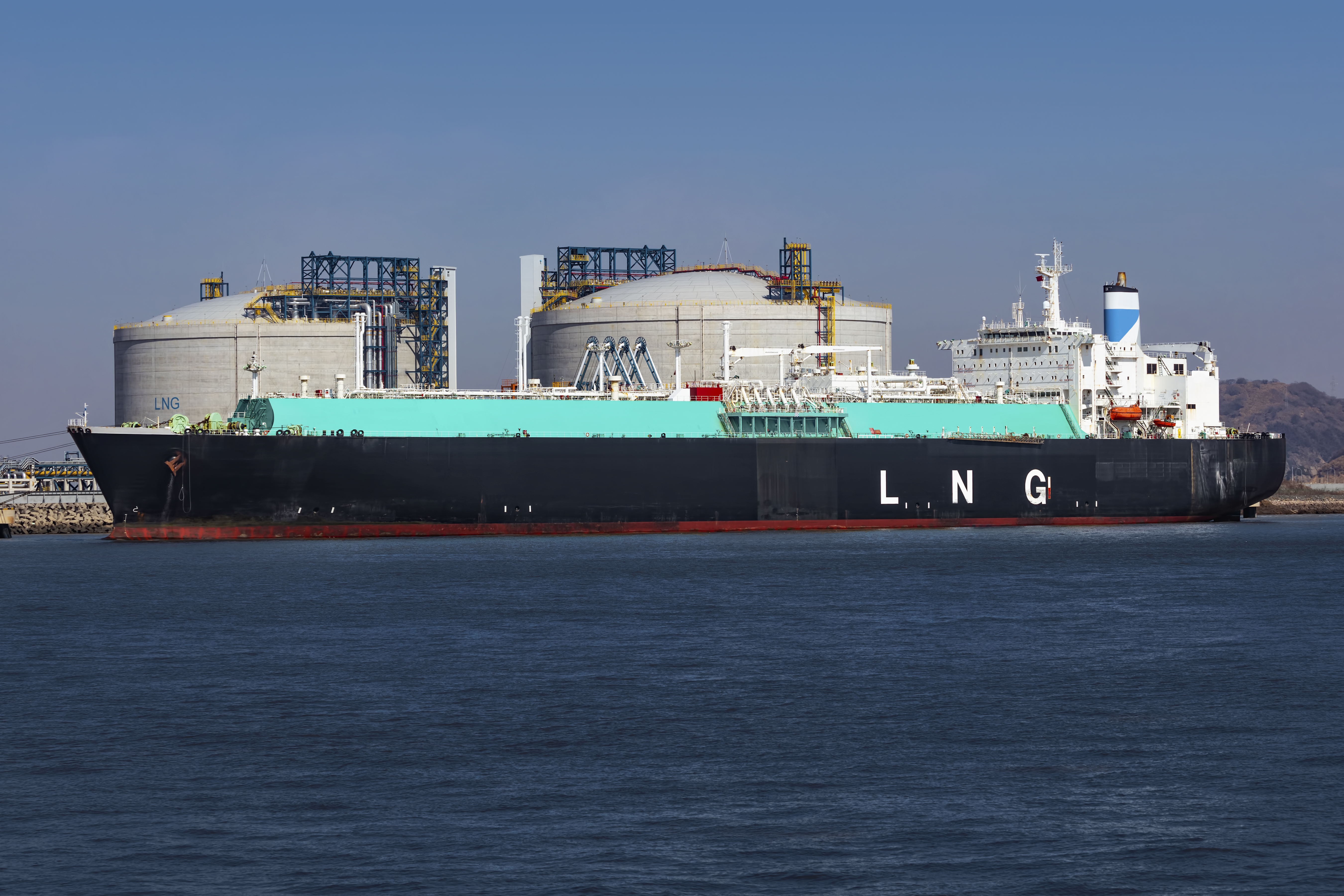
LNG Shipping Market Crisis Deepens Amidst Asian Demand Surge

- Supply-Demand Imbalance: At least 20 liquefied natural gas carriers are trapped in the Persian Gulf due to surging demand from Asia, representing nearly 50% of the global fleet available for charter, leading to a severe supply-demand imbalance that is expected to have lasting price implications.
- Surging Charter Rates: Charter rates for LNG carriers have skyrocketed from under $98,000 per day before the conflict to over $200,000 per day, reflecting the escalating market tension and presenting shipowners with significantly higher revenue opportunities.
- Price Increase Expectations: Energy traders anticipate that LNG prices will continue to rise by early next week, adding to this week's 40% increase in Asia and Europe, further exacerbating market volatility and impacting the global energy supply chain.
- Long-Term Impact Assessment: GasLog COO Kostas Karathanos indicated that the effects on LNG shipping will last for several months beyond the conflict itself, suggesting that the market will face prolonged supply chain challenges.
U.S. Naval Blockade on Iranian Ports Boosts Shipping Stocks Broadly
- Broad Gains in Shipping: The shipping and tanker industry saw broad gains on Monday following the U.S. naval blockade of Iranian ports, although results finished well off sharp early gains, indicating market sensitivity to geopolitical risks.
- Tanker Stock Performance: According to TradeWinds, tanker stocks gained an average of 2.8%, with clean product carriers performing slightly better than crude tankers, reflecting varying demand across different types of tankers in the current market.
- Top Gainers: Among the notable gainers, Navigator Holdings (NVGS) rose 3.7%, Torm (TRMD) increased by 3.5%, and Scorpio Tankers (STNG) climbed 2.6%, showcasing their relative strength in the current market environment.
- Market Dynamics Analysis: This rally continues the
Oil Tanker Transit Halted in Strait of Hormuz Amid Israeli Attacks
- Transit Disruption: Oil tanker transit through the Strait of Hormuz has been halted due to Israeli attacks on Lebanon, potentially jeopardizing the stability of the ceasefire agreement and creating uncertainty for shipping companies.
- Limited Resumption: Following President Trump's announcement of a temporary ceasefire, limited ship movement has resumed in the strait, with Fars reporting that two tankers were granted safe passage, indicating a delicate shift in the situation.
- Market Reaction: Despite the tense situation, energy-related shipping shares have generally risen, with DHT Holdings up 3.5% and Frontline up 3.3%, reflecting market optimism regarding future oil tanker transportation.
- Risk Assessment: Analyst Fredrik Dybwad noted that if transit becomes possible in the coming two weeks, there may be a prioritization of clearing trapped tankers, posing a risk to tanker rates, but increased demand could also drive rates higher.
Middle East Conflict Boosts Oil Tanker Stocks
- Strait of Hormuz Impact: Disruptions in the Strait of Hormuz directly affect about 20% of global crude oil supply, leading to significant increases in oil tanker day rates, with Frontline, the largest operator, poised for substantial short-term profitability gains.
- High Operating Leverage: With most of Frontline's operating expenses fixed, rising oil prices allow incremental revenue to flow directly to the bottom line, as evidenced by the current VLCC day rate of $423,736, far exceeding the $76,900 average at the start of 2026, indicating strong profit potential.
- Conservative Analyst Expectations: Analysts project Frontline's EPS to exceed $3.50 in 2026 but drop to around $2.35 in 2027, reflecting cautious sentiment regarding the sustainability of this tailwind, which may pressure the stock price in the short term.
- Attractive Dividend Yield: With a current dividend yield of 5.2%, Frontline stands out among high-yield stocks, and if elevated rates persist, exceeding earnings expectations could further drive the stock price up, attracting more investor interest.
Frontline Positioned to Benefit from Strait of Hormuz Crisis
- Profitability Surge: As the world's largest VLCC operator, Frontline stands to gain significantly from the Strait of Hormuz crisis, with analysts projecting earnings of $3.62 per share in 2026, more than double last year's figures, indicating robust profit growth potential.
- Charter Rate Spike: The ongoing conflict has driven VLCC daily charter rates to a record high of $423,736, significantly enhancing Frontline's operating leverage and boosting near-term profitability.
- Positive Market Response: While analysts forecast a drop in EPS to $2.35 in 2027, the current elevated charter rates could allow Frontline's stock price to continue rising, potentially surpassing recent highs of $40 per share.
- Attractive Dividend Yield: With a current dividend yield of 5.2%, Frontline presents a compelling opportunity among high-yield stocks, particularly in the context of fluctuating oil prices, making it a focal point for investors.
European Energy Resilience Faces Complex Challenges Amid Regional Instability
- Supply Chain Vulnerability: While only 11% of Europe's LNG and 12% of its oil comes from the Middle East, potential blockades could lead to financial repercussions, jeopardizing Europe's energy security.
- Increased Market Competition: The 'destination flexibility' in global energy contracts may force European buyers to outbid Asian markets, raising costs and undermining progress in diversifying imports away from Russia.
- Logistical Pressures: The shift in global energy flows places greater adjustment burdens on shipping infrastructure, particularly as rapid changes in oil contracts heighten market vulnerability, potentially impacting Europe's industrial recovery.
- Macroeconomic Stability: The ability of European utilities to manage price spikes will directly affect macroeconomic stability in the Eurozone, highlighting the critical role of financial capacity in ensuring energy security.
LNG Shipping Market Crisis Deepens Amidst Asian Demand Surge
- Supply-Demand Imbalance: At least 20 liquefied natural gas carriers are trapped in the Persian Gulf due to surging demand from Asia, representing nearly 50% of the global fleet available for charter, leading to a severe supply-demand imbalance that is expected to have lasting price implications.
- Surging Charter Rates: Charter rates for LNG carriers have skyrocketed from under $98,000 per day before the conflict to over $200,000 per day, reflecting the escalating market tension and presenting shipowners with significantly higher revenue opportunities.
- Price Increase Expectations: Energy traders anticipate that LNG prices will continue to rise by early next week, adding to this week's 40% increase in Asia and Europe, further exacerbating market volatility and impacting the global energy supply chain.
- Long-Term Impact Assessment: GasLog COO Kostas Karathanos indicated that the effects on LNG shipping will last for several months beyond the conflict itself, suggesting that the market will face prolonged supply chain challenges.