Flutter Entertainment Reports Disappointing Q4 Results and Weak FY26 Guidance

Flutter Entertainment's shares fell 14.8% in pre-market trading, hitting a 52-week low of $107.31, following the release of its Q4 earnings report.
The company reported Q4 revenue of $4.74 billion, missing Wall Street's expectations of $4.97 billion, and adjusted EPS of $1.74, below the forecast of $1.99. This disappointing performance has raised concerns about Flutter's future growth, especially with its 2026 revenue guidance of $18.4 billion falling short of analysts' projections. CEO Peter Jackson acknowledged the competitive pressures in the market, which could further impact investor confidence.
The significant drop in stock price reflects the market's reaction to Flutter's weak earnings and cautious outlook for the upcoming fiscal year. Investors are now closely monitoring the company's strategies to regain momentum in a challenging environment.
Trade with 70% Backtested Accuracy
Analyst Views on FLUT

About FLUT
About the author


AWS Outage Disrupts Trading on Coinbase and FanDuel Platforms


- Cause of Outage: Amazon Web Services (AWS) reported operational issues due to overheating at a data center in its US-East-1 region, disrupting trading services on platforms like Coinbase and FanDuel, highlighting vulnerabilities in AWS's cloud infrastructure.
- Recovery Timeline: In an update at 9:51 a.m. ET on Friday, AWS indicated that full recovery is expected to take several hours, suggesting a broad impact that could lead to decreased user trust and engagement on affected platforms.
- Scope of Impact: Both FanDuel and Coinbase confirmed disruptions due to the AWS outage, with FanDuel reporting users were unable to access the platform, resulting in gamblers unable to cash out, underscoring the critical role of cloud services in fintech operations.
- Market Share Implications: With AWS accounting for about one-third of the cloud infrastructure market, this outage may prompt clients to reassess the reliability of their cloud service providers, potentially affecting AWS's competitive position in the market.

AWS Faces Operational Issues Affecting Trading Platforms
- Cause of Outage: Amazon Web Services (AWS) reported operational issues starting Thursday night due to a 'thermal issue' at its Virginia data center, affecting trading platforms like Coinbase and FanDuel, highlighting vulnerabilities in its infrastructure.
- Recovery Timeline: In an update at 9:51 a.m. ET on Friday, AWS stated that full recovery is still expected to take several hours, indicating that the outage's impact on users is ongoing and could lead to a decline in customer trust.
- Scope of Impact: The outage occurred in a single Availability Zone in its US-East-1 region, with AWS actively working to bring additional cooling capacity online to recover affected hardware, demonstrating its commitment to infrastructure maintenance.
- Market Position: AWS accounts for about a third of the cloud infrastructure market, serving millions of companies, and this outage could negatively impact its market share and customer relationships, particularly in a highly competitive cloud services landscape.

Market Dynamics and Company Performance Analysis

- Calm Market Conditions: Stock futures are stable this morning with oil prices down approximately 5%, following another record close for the S&P 500, driven by hopes for an end to the Iran war, although the market is inching towards overbought territory according to momentum indicators.
- Arm Holdings Earnings Report: Despite a strong earnings report from Arm Holdings showcasing robust data center CPU business, shares fell 8% this morning due to insufficient supply of new CPUs to raise revenue forecasts, even though they are more power-efficient than AMD and Intel's x86 processors.
- Fortinet Share Surge: Fortinet's stock surged 15% after delivering outstanding quarterly results, prompting BTIG analysts to upgrade the stock from hold to buy, with Fortinet commanding 50% of the global firewall market, boosting the performance of other cybersecurity stocks as well.
- Kraft Heinz Recovery Plan: Although Kraft Heinz has struggled for years, CEO Steve Cahillane is investing in brands like Kraft mac and cheese to restore the company's former glory, aiming to win back consumers and drive growth, reflecting confidence in future prospects.
AMD's Strong Performance Drives Stock Market to New Highs


- AMD's Impressive Performance: AMD reported strong first-quarter results, with an 18% stock price increase on Wednesday, propelling the Nasdaq to a new high, and a remarkable 320% rise in stock price over the past year, indicating robust demand for its CPUs, particularly in the AI sector.
- McDonald's Beats Expectations: McDonald's reported a 3.8% same-store sales growth in the first quarter, exceeding market expectations, with shares rising over 3% before the bell, as the CEO highlighted the company's ability to drive results even in challenging environments, showcasing its competitive strength.
- Surge in Airline Fuel Costs: U.S. airlines' fuel expenditures surged 56% in March, totaling over $5 billion, driven by soaring prices due to the Iran war, which could disrupt summer travel demand, although consumers remain willing to spend on vacations and rides.
- Anthropic Partners with SpaceX: AI startup Anthropic announced a deal to utilize all computing capacity at SpaceX's Colossus 1 data center in Tennessee to meet the demands of its Claude Pro and Claude Max subscribers, despite previous criticisms from SpaceX's founder regarding Anthropic.
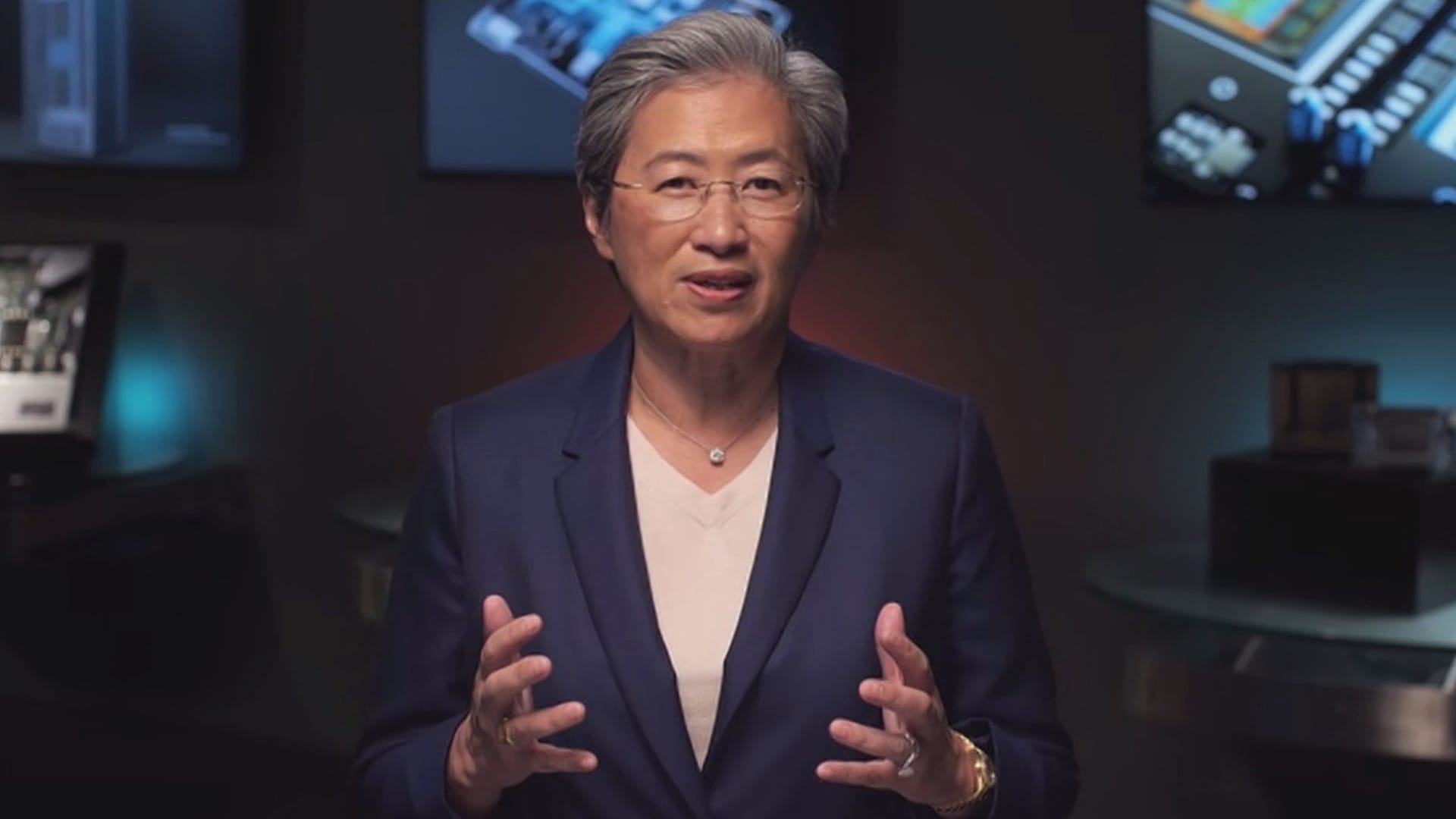
AMD's Strong Earnings Propel Stock Market to New Highs

- AMD's Impressive Performance: AMD exceeded expectations in its first-quarter report, with an 18% stock price increase on Wednesday, propelling the Nasdaq to a new high, reflecting its strong market performance amid surging AI demand.
- Positive Market Reaction: AMD's stock has skyrocketed approximately 320% over the past 12 months, with CEO Lisa Su stating that the demand for CPUs driven by intelligent agents has led the company to double its long-term outlook.
- McDonald's Beats Expectations: McDonald's reported a 3.8% same-store sales growth in the first quarter, surpassing market expectations, with shares rising over 3% before the bell, demonstrating its ability to remain competitive in challenging environments.
- Airlines Fuel Costs Surge: U.S. airlines' fuel expenditures rose 56% in March, exceeding $5 billion, which is expected to impact the upcoming summer travel season, although consumer spending remains robust.
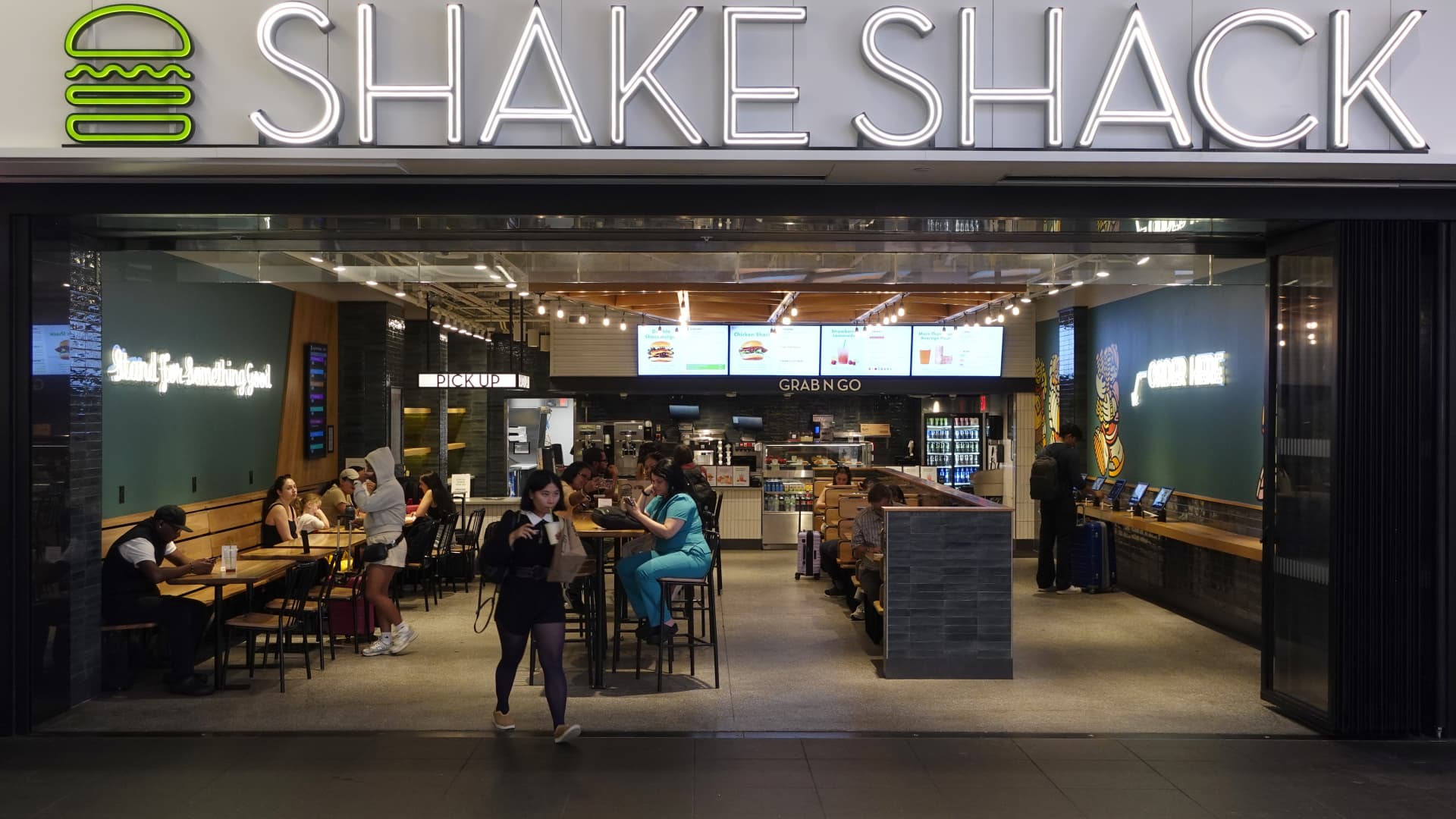
Fast Food Giants Show Mixed Earnings Results


- Shake Shack's Poor Performance: Shake Shack reported first-quarter revenue of $366.7 million, falling short of the $372 million consensus estimate, leading to a 17% drop in shares and an operating loss of $2.6 million, highlighting pressures in the competitive fast-food market.
- McDonald's Beats Expectations: McDonald's posted adjusted earnings of $2.83 per share for the first quarter, exceeding the $2.74 expected by analysts, with revenue of $6.52 billion slightly above the $6.47 billion consensus, resulting in a 3.2% increase in shares, reflecting strong market performance.
- Whirlpool Cuts Guidance: Whirlpool lowered its full-year adjusted earnings forecast to a range of $3 to $3.50 per share on revenue of approximately $15 billion, down from previous guidance of $6 per share and $15.3 billion to $15.6 billion, causing an 18% drop in shares and indicating industry challenges.
- DoorDash's Optimistic Guidance: DoorDash anticipates second-quarter marketplace gross order value between $32.4 billion and $33.4 billion, surpassing the $32.43 billion expected by analysts, with first-quarter earnings of $0.42 per share exceeding the $0.36 forecast, leading to a 10% rise in shares and showcasing growth potential.
AWS Outage Disrupts Trading on Coinbase and FanDuel Platforms
- Cause of Outage: Amazon Web Services (AWS) reported operational issues due to overheating at a data center in its US-East-1 region, disrupting trading services on platforms like Coinbase and FanDuel, highlighting vulnerabilities in AWS's cloud infrastructure.
- Recovery Timeline: In an update at 9:51 a.m. ET on Friday, AWS indicated that full recovery is expected to take several hours, suggesting a broad impact that could lead to decreased user trust and engagement on affected platforms.
- Scope of Impact: Both FanDuel and Coinbase confirmed disruptions due to the AWS outage, with FanDuel reporting users were unable to access the platform, resulting in gamblers unable to cash out, underscoring the critical role of cloud services in fintech operations.
- Market Share Implications: With AWS accounting for about one-third of the cloud infrastructure market, this outage may prompt clients to reassess the reliability of their cloud service providers, potentially affecting AWS's competitive position in the market.
AWS Faces Operational Issues Affecting Trading Platforms
- Cause of Outage: Amazon Web Services (AWS) reported operational issues starting Thursday night due to a 'thermal issue' at its Virginia data center, affecting trading platforms like Coinbase and FanDuel, highlighting vulnerabilities in its infrastructure.
- Recovery Timeline: In an update at 9:51 a.m. ET on Friday, AWS stated that full recovery is still expected to take several hours, indicating that the outage's impact on users is ongoing and could lead to a decline in customer trust.
- Scope of Impact: The outage occurred in a single Availability Zone in its US-East-1 region, with AWS actively working to bring additional cooling capacity online to recover affected hardware, demonstrating its commitment to infrastructure maintenance.
- Market Position: AWS accounts for about a third of the cloud infrastructure market, serving millions of companies, and this outage could negatively impact its market share and customer relationships, particularly in a highly competitive cloud services landscape.
Market Dynamics and Company Performance Analysis
- Calm Market Conditions: Stock futures are stable this morning with oil prices down approximately 5%, following another record close for the S&P 500, driven by hopes for an end to the Iran war, although the market is inching towards overbought territory according to momentum indicators.
- Arm Holdings Earnings Report: Despite a strong earnings report from Arm Holdings showcasing robust data center CPU business, shares fell 8% this morning due to insufficient supply of new CPUs to raise revenue forecasts, even though they are more power-efficient than AMD and Intel's x86 processors.
- Fortinet Share Surge: Fortinet's stock surged 15% after delivering outstanding quarterly results, prompting BTIG analysts to upgrade the stock from hold to buy, with Fortinet commanding 50% of the global firewall market, boosting the performance of other cybersecurity stocks as well.
- Kraft Heinz Recovery Plan: Although Kraft Heinz has struggled for years, CEO Steve Cahillane is investing in brands like Kraft mac and cheese to restore the company's former glory, aiming to win back consumers and drive growth, reflecting confidence in future prospects.
AMD's Strong Performance Drives Stock Market to New Highs
- AMD's Impressive Performance: AMD reported strong first-quarter results, with an 18% stock price increase on Wednesday, propelling the Nasdaq to a new high, and a remarkable 320% rise in stock price over the past year, indicating robust demand for its CPUs, particularly in the AI sector.
- McDonald's Beats Expectations: McDonald's reported a 3.8% same-store sales growth in the first quarter, exceeding market expectations, with shares rising over 3% before the bell, as the CEO highlighted the company's ability to drive results even in challenging environments, showcasing its competitive strength.
- Surge in Airline Fuel Costs: U.S. airlines' fuel expenditures surged 56% in March, totaling over $5 billion, driven by soaring prices due to the Iran war, which could disrupt summer travel demand, although consumers remain willing to spend on vacations and rides.
- Anthropic Partners with SpaceX: AI startup Anthropic announced a deal to utilize all computing capacity at SpaceX's Colossus 1 data center in Tennessee to meet the demands of its Claude Pro and Claude Max subscribers, despite previous criticisms from SpaceX's founder regarding Anthropic.
AMD's Strong Earnings Propel Stock Market to New Highs
- AMD's Impressive Performance: AMD exceeded expectations in its first-quarter report, with an 18% stock price increase on Wednesday, propelling the Nasdaq to a new high, reflecting its strong market performance amid surging AI demand.
- Positive Market Reaction: AMD's stock has skyrocketed approximately 320% over the past 12 months, with CEO Lisa Su stating that the demand for CPUs driven by intelligent agents has led the company to double its long-term outlook.
- McDonald's Beats Expectations: McDonald's reported a 3.8% same-store sales growth in the first quarter, surpassing market expectations, with shares rising over 3% before the bell, demonstrating its ability to remain competitive in challenging environments.
- Airlines Fuel Costs Surge: U.S. airlines' fuel expenditures rose 56% in March, exceeding $5 billion, which is expected to impact the upcoming summer travel season, although consumer spending remains robust.
Fast Food Giants Show Mixed Earnings Results
- Shake Shack's Poor Performance: Shake Shack reported first-quarter revenue of $366.7 million, falling short of the $372 million consensus estimate, leading to a 17% drop in shares and an operating loss of $2.6 million, highlighting pressures in the competitive fast-food market.
- McDonald's Beats Expectations: McDonald's posted adjusted earnings of $2.83 per share for the first quarter, exceeding the $2.74 expected by analysts, with revenue of $6.52 billion slightly above the $6.47 billion consensus, resulting in a 3.2% increase in shares, reflecting strong market performance.
- Whirlpool Cuts Guidance: Whirlpool lowered its full-year adjusted earnings forecast to a range of $3 to $3.50 per share on revenue of approximately $15 billion, down from previous guidance of $6 per share and $15.3 billion to $15.6 billion, causing an 18% drop in shares and indicating industry challenges.
- DoorDash's Optimistic Guidance: DoorDash anticipates second-quarter marketplace gross order value between $32.4 billion and $33.4 billion, surpassing the $32.43 billion expected by analysts, with first-quarter earnings of $0.42 per share exceeding the $0.36 forecast, leading to a 10% rise in shares and showcasing growth potential.