Firefly Aerospace Stock Declines Despite Space Sector Surge
Written by Emily J. Thompson, Senior Investment Analyst
Updated: Sep 23 2025
0mins

Should l Buy FLY?
Source: Benzinga
Firefly Aerospace Inc's stock fell by 6.14% as it crossed below the 20-day SMA, contrasting with the broader market's positive performance.
Despite the surge in space stocks driven by the successful Artemis II lunar mission and the upcoming SpaceX IPO, Firefly Aerospace's stock declined. The overall enthusiasm for the space sector has led to significant gains for other companies, but Firefly's performance appears to be affected by sector rotation.
This decline may raise concerns among investors about Firefly's competitive positioning in a rapidly growing market, especially as other companies like Redwire are gaining traction with strategic acquisitions and strong growth forecasts.
Trade with 70% Backtested Accuracy
Stop guessing "Should I Buy FLY?" and start using high-conviction signals backed by rigorous historical data.
Sign up today to access powerful investing tools and make smarter, data-driven decisions.
Analyst Views on FLY
Wall Street analysts forecast FLY stock price to rise
7 Analyst Rating
4 Buy
3 Hold
0 Sell
Moderate Buy
Current: 34.600

Low
27.00
Averages
34.83
High
65.00
Current: 34.600
Low
27.00
Averages
34.83
High
65.00
About FLY
Firefly Aerospace Inc. is a space and defense technology company. The Company provides comprehensive mission solutions to national security, government, and commercial customers. It has designed, developed, and deployed its vehicles and dynamic spacecraft solutions to support critical customer missions across the space domain. It has a differentiated and scalable platform of Launch and Spacecraft Solutions with flight heritage. Within Launch, it has two offerings built on common technologies: Alpha and Eclipse. Alpha is a United States-based orbital rocket in the 1,000 kilograms class to successfully reach orbit, with four launches completed. Eclipse, a reusable and scaled up version of Alpha. Its Spacecraft Solutions include Blue Ghost lander (Blue Ghost) and Elytra offerings, highlight the heritage of common technologies from its launch vehicles. Blue Ghost Lander and Elytra are highly maneuverable spacecraft enabled by high-performance rocket engine technology.
About the author

Emily J. Thompson
Emily J. Thompson, a Chartered Financial Analyst (CFA) with 12 years in investment research, graduated with honors from the Wharton School. Specializing in industrial and technology stocks, she provides in-depth analysis for Intellectia’s earnings and market brief reports.
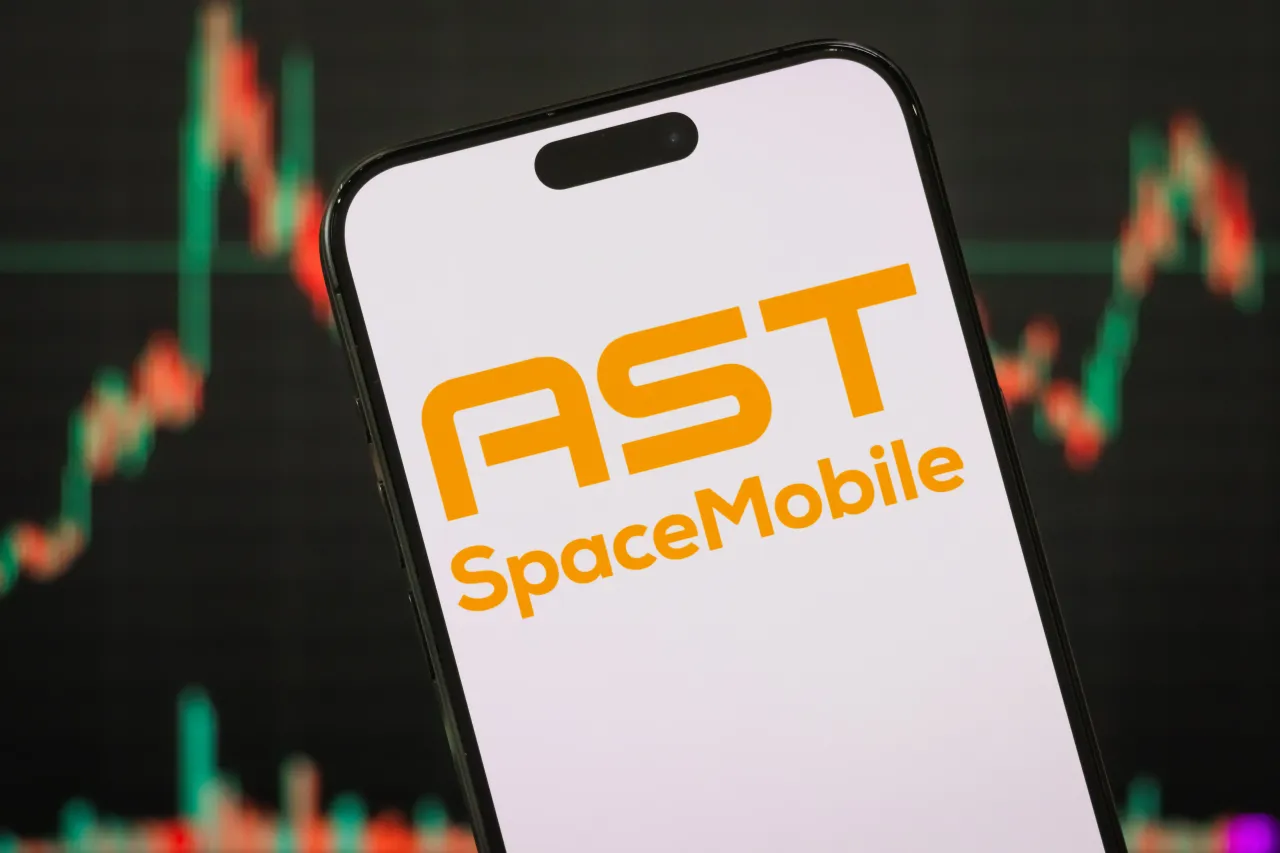
FCC Updates Rules to Enhance Space Broadband Capacity
- Capacity Enhancement: The FCC's revised spectrum-sharing rules are expected to enable up to seven times more capacity for space broadband networks, unlocking over $2 billion in economic benefits, thereby driving growth for companies involved in satellite internet and related infrastructure.
- Updated Technical Standards: The new regulations allow satellite operators to coordinate interference protection using modern technical standards, replacing outdated systems that limited transmission power for low-Earth orbit satellites, thus facilitating the rollout of faster, lower-latency satellite internet in rural areas.
- AST SpaceMobile Expansion Plans: AST SpaceMobile has received FCC approval to deploy 223 additional satellites to enhance its network, with plans to launch 45 satellites this year, further promoting mobile connectivity services from orbit.
- Positive Market Reaction: Following the regulatory update, space stocks such as Rocket Lab, AST SpaceMobile, Firefly Aerospace, and Intuitive Machines saw significant gains, reflecting market optimism about the future of space broadband, with RKLB rising 7% and ASTS increasing by 6%.
See More

Amazon Drives Growth in Satellite Phone Market

- Surge in Demand: Amazon CEO Andy Jassy highlighted during the earnings call that rising expectations for seamless global connectivity are driving demand for satellite phones, particularly in remote areas, indicating a significant market opportunity.
- Competitive Landscape: AT&T CEO John Stankey stated that the U.S. satellite phone market is likely to support multiple low-Earth orbit constellation providers rather than a single dominant operator, suggesting increased competition in the sector.
- FCC Authorization for ASTS: AST SpaceMobile has received authorization from the FCC to deploy 223 satellites to support its coverage network, further solidifying its position within the emerging hybrid terrestrial-satellite coverage model.
- Rising Investor Interest: As demand for direct-to-device connectivity increases, investor interest in space ecosystem companies, including ASTS, RKLB, FLY, and LUNR, is on the rise, reflecting optimistic market expectations for future growth.
See More
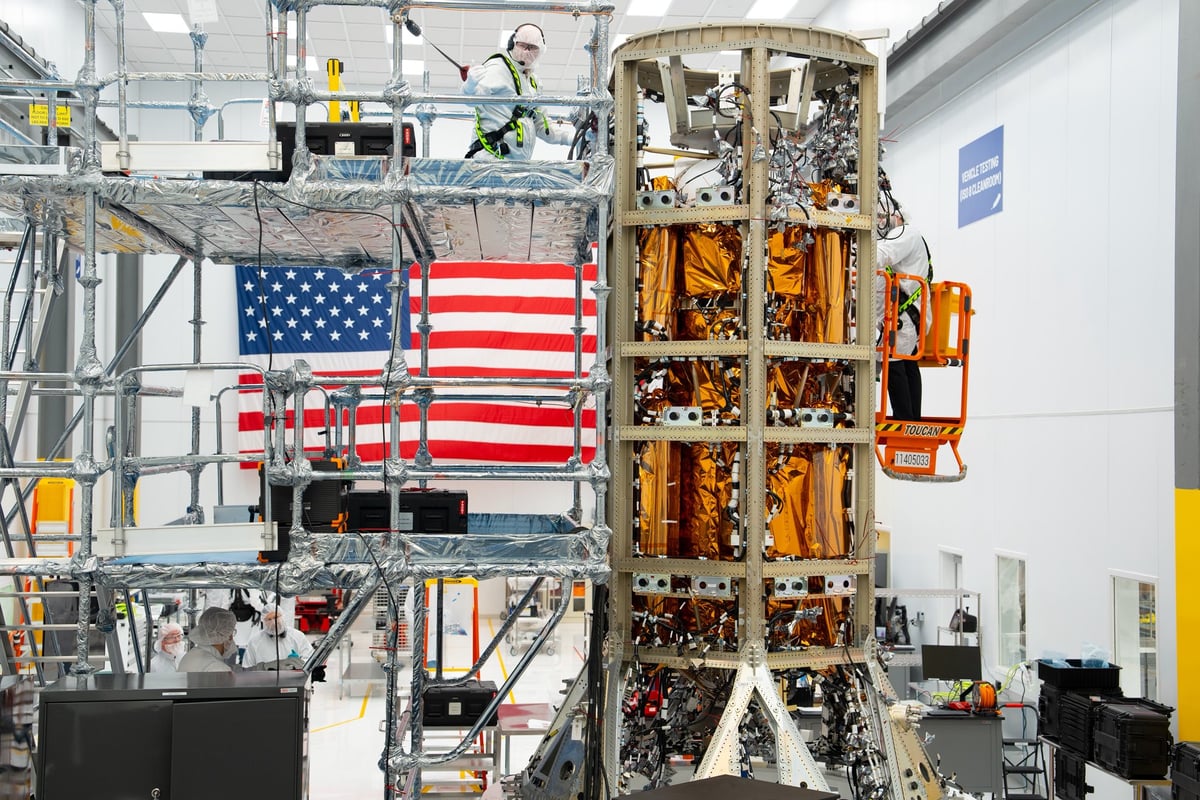
Blue Origin's Ambitious Blue Ring Project Unveiled

- Project Introduction: Blue Origin's Blue Ring project, led by former ULA CEO Tory Bruno, aims to develop a space tug capable of transporting and servicing satellites in Earth orbit and beyond, highlighting the company's ambitious entry into the space services market.
- Technical Specifications: The Blue Ring measures approximately 6 meters long and 2 meters wide, featuring 13 satellite attachment ports, significantly surpassing Northrop Grumman's Mission Robotic Vehicle, which has only three, indicating Blue Ring's superior satellite servicing capabilities.
- Market Potential: With over 12,000 satellites currently in Earth orbit, around 800 of which may require regular servicing, the total market opportunity is estimated to be as high as $52 billion, positioning Blue Origin to capture a significant share of this rapidly growing market.
- Investor Insights: Although Blue Origin is currently a private company, its investments in orbital services have drawn investor interest, suggesting that investors consider publicly traded companies like Northrop Grumman to capitalize on potential market opportunities.
See More

Blue Origin Unveils Enhanced Blue Ring Space Tug
- New Space Tug: Blue Origin's newly unveiled Blue Ring space tug, classified as 'GEO-Interplanetary Class,' aims to transport and service over 12,000 satellites, indicating the company's ambition in the burgeoning space market.
- Multi-Satellite Capability: With 13 satellite attachment ports, Blue Ring significantly outperforms Northrop Grumman's three-port Mission Robotic Vehicle, showcasing its technological advantage and potential service capabilities in the competitive landscape.
- Massive Market Opportunity: Estimates suggest the orbital service market could be worth up to $52 billion, particularly targeting the service needs of around 800 GEO-class satellites, reflecting Blue Origin's strategic foresight in market positioning.
- Intensifying Industry Competition: Blue Origin's entry will intensify competition with established players like Northrop Grumman, Rocket Lab, and Firefly Aerospace; while still privately held, its technological advancements may attract investor interest in related public companies.
See More
Tim Cook Steps Down as Apple CEO, New Leadership Ahead

- Leadership Transition: Apple announced that Tim Cook will step down as CEO in September, transitioning to executive chairman, with hardware engineering head John Ternus taking over, marking a significant shift in leadership that may influence future product innovation directions.
- Performance Review: Since Cook took over in 2011, Apple's profits have surged by 700%, with total stock returns reaching 3100%, demonstrating success in operational management and product line expansion, thereby boosting investor confidence.
- Service Business Growth: Under Cook, Apple's service revenue increased from 5% to 25%, with over 1 billion subscription users, showcasing the company's strategic success in diversifying revenue sources, which may continue to drive future growth.
- AI Challenges and Opportunities: New CEO Ternus faces the challenge of lagging AI innovation; while Apple has invested in on-device AI, market skepticism remains about its ability to launch revolutionary products, impacting investor expectations for future growth.
See More

Apple CEO Tim Cook to Step Down, John Ternus to Succeed
- Leadership Transition: Apple announced that CEO Tim Cook will step down in September, transitioning to executive chairman, with hardware engineering head John Ternus taking over as CEO, marking a significant shift in leadership that could impact future product innovation directions.
- Cook's Legacy: Since Tim Cook took over in 2011, Apple's total return has reached 3,100%, compared to just 731% for the S&P 500, showcasing Cook's exceptional performance in enhancing company value while setting high expectations for the new CEO.
- Service Revenue Growth: Under Cook's leadership, Apple's service revenue has surged from 5% to over 25%, with more than 1 billion paid subscriptions, indicating significant success in diversifying revenue streams, which will continue to drive profitability in the future.
- AI Innovation Challenge: Despite Cook's successes in various areas, his lag in AI innovation is seen as a major challenge for the new leadership, and Ternus's appointment may accelerate Apple's development in this critical field.
See More
FCC Updates Rules to Enhance Space Broadband Capacity
- Capacity Enhancement: The FCC's revised spectrum-sharing rules are expected to enable up to seven times more capacity for space broadband networks, unlocking over $2 billion in economic benefits, thereby driving growth for companies involved in satellite internet and related infrastructure.
- Updated Technical Standards: The new regulations allow satellite operators to coordinate interference protection using modern technical standards, replacing outdated systems that limited transmission power for low-Earth orbit satellites, thus facilitating the rollout of faster, lower-latency satellite internet in rural areas.
- AST SpaceMobile Expansion Plans: AST SpaceMobile has received FCC approval to deploy 223 additional satellites to enhance its network, with plans to launch 45 satellites this year, further promoting mobile connectivity services from orbit.
- Positive Market Reaction: Following the regulatory update, space stocks such as Rocket Lab, AST SpaceMobile, Firefly Aerospace, and Intuitive Machines saw significant gains, reflecting market optimism about the future of space broadband, with RKLB rising 7% and ASTS increasing by 6%.
See More
Amazon Drives Growth in Satellite Phone Market
- Surge in Demand: Amazon CEO Andy Jassy highlighted during the earnings call that rising expectations for seamless global connectivity are driving demand for satellite phones, particularly in remote areas, indicating a significant market opportunity.
- Competitive Landscape: AT&T CEO John Stankey stated that the U.S. satellite phone market is likely to support multiple low-Earth orbit constellation providers rather than a single dominant operator, suggesting increased competition in the sector.
- FCC Authorization for ASTS: AST SpaceMobile has received authorization from the FCC to deploy 223 satellites to support its coverage network, further solidifying its position within the emerging hybrid terrestrial-satellite coverage model.
- Rising Investor Interest: As demand for direct-to-device connectivity increases, investor interest in space ecosystem companies, including ASTS, RKLB, FLY, and LUNR, is on the rise, reflecting optimistic market expectations for future growth.
See More
Blue Origin's Ambitious Blue Ring Project Unveiled
- Project Introduction: Blue Origin's Blue Ring project, led by former ULA CEO Tory Bruno, aims to develop a space tug capable of transporting and servicing satellites in Earth orbit and beyond, highlighting the company's ambitious entry into the space services market.
- Technical Specifications: The Blue Ring measures approximately 6 meters long and 2 meters wide, featuring 13 satellite attachment ports, significantly surpassing Northrop Grumman's Mission Robotic Vehicle, which has only three, indicating Blue Ring's superior satellite servicing capabilities.
- Market Potential: With over 12,000 satellites currently in Earth orbit, around 800 of which may require regular servicing, the total market opportunity is estimated to be as high as $52 billion, positioning Blue Origin to capture a significant share of this rapidly growing market.
- Investor Insights: Although Blue Origin is currently a private company, its investments in orbital services have drawn investor interest, suggesting that investors consider publicly traded companies like Northrop Grumman to capitalize on potential market opportunities.
See More
Blue Origin Unveils Enhanced Blue Ring Space Tug
- New Space Tug: Blue Origin's newly unveiled Blue Ring space tug, classified as 'GEO-Interplanetary Class,' aims to transport and service over 12,000 satellites, indicating the company's ambition in the burgeoning space market.
- Multi-Satellite Capability: With 13 satellite attachment ports, Blue Ring significantly outperforms Northrop Grumman's three-port Mission Robotic Vehicle, showcasing its technological advantage and potential service capabilities in the competitive landscape.
- Massive Market Opportunity: Estimates suggest the orbital service market could be worth up to $52 billion, particularly targeting the service needs of around 800 GEO-class satellites, reflecting Blue Origin's strategic foresight in market positioning.
- Intensifying Industry Competition: Blue Origin's entry will intensify competition with established players like Northrop Grumman, Rocket Lab, and Firefly Aerospace; while still privately held, its technological advancements may attract investor interest in related public companies.
See More
Tim Cook Steps Down as Apple CEO, New Leadership Ahead
- Leadership Transition: Apple announced that Tim Cook will step down as CEO in September, transitioning to executive chairman, with hardware engineering head John Ternus taking over, marking a significant shift in leadership that may influence future product innovation directions.
- Performance Review: Since Cook took over in 2011, Apple's profits have surged by 700%, with total stock returns reaching 3100%, demonstrating success in operational management and product line expansion, thereby boosting investor confidence.
- Service Business Growth: Under Cook, Apple's service revenue increased from 5% to 25%, with over 1 billion subscription users, showcasing the company's strategic success in diversifying revenue sources, which may continue to drive future growth.
- AI Challenges and Opportunities: New CEO Ternus faces the challenge of lagging AI innovation; while Apple has invested in on-device AI, market skepticism remains about its ability to launch revolutionary products, impacting investor expectations for future growth.
See More
Apple CEO Tim Cook to Step Down, John Ternus to Succeed
- Leadership Transition: Apple announced that CEO Tim Cook will step down in September, transitioning to executive chairman, with hardware engineering head John Ternus taking over as CEO, marking a significant shift in leadership that could impact future product innovation directions.
- Cook's Legacy: Since Tim Cook took over in 2011, Apple's total return has reached 3,100%, compared to just 731% for the S&P 500, showcasing Cook's exceptional performance in enhancing company value while setting high expectations for the new CEO.
- Service Revenue Growth: Under Cook's leadership, Apple's service revenue has surged from 5% to over 25%, with more than 1 billion paid subscriptions, indicating significant success in diversifying revenue streams, which will continue to drive profitability in the future.
- AI Innovation Challenge: Despite Cook's successes in various areas, his lag in AI innovation is seen as a major challenge for the new leadership, and Ternus's appointment may accelerate Apple's development in this critical field.
See More