Evercore ISI upgrades Hershey to Outperform amid positive outlook
Hershey Co (HSY) has seen a significant decline of 5.04%, hitting a 5-day low, as broader market indices like the Nasdaq-100 and S&P 500 show gains of 0.48% and 0.11%, respectively.
The recent upgrade from Evercore ISI to an Outperform rating reflects a positive outlook for Hershey, driven by anticipated steady pricing and significant cocoa relief expected in 2027. Analyst David Palmer's discussions with management suggest confidence in the confection category, projecting a 20% EPS growth for Hershey in 2027, supported by cocoa deflation. Evercore has set a price target of $255, indicating over 30% upside potential based on above-consensus earnings estimates.
This upgrade comes at a time when Hershey's stock has faced challenges, including a nearly 29% decline. However, the company's first-quarter organic sales growth of nearly 8% year-over-year and adjusted earnings rising 12% demonstrate resilience. The positive analyst outlook may help stabilize investor sentiment and support a recovery in the stock price.
Trade with 70% Backtested Accuracy
Analyst Views on HSY

About HSY
About the author


Hershey Appoints New President for U.S. Operations

- New Leadership: The Hershey Company has appointed Heather Hoytink as President of U.S. operations, effective July 8, 2026, bringing over 20 years of sales and operations experience, most recently as Senior Vice President at PepsiCo, where she demonstrated strong customer relationships and growth capabilities.
- Strategic Objectives: As President, Hoytink will have end-to-end accountability for Hershey's U.S. commercial business, advancing the unified aONE Hershey commercial model aimed at delivering greater value to retail partners and consumers while driving growth across away-from-home, omnichannel, and digital channels.
- Growth Potential: Hoytink expressed excitement about joining Hershey, highlighting the strong foundation for future growth provided by the company's iconic brands and customer partnerships, and her focus will be on building high-performing teams, investing in talent, and collaborating closely with customers to unlock new opportunities.
- Company Background: Hershey is an industry-leading snacks company with over $11.7 billion in annual revenue and more than 20,000 employees, committed to delivering high-quality products across 85 brands, showcasing its strong influence in the global market.

U.S. Food Companies Navigate Changes to SNAP Policies

- Impact of SNAP Policies: As of May, the USDA has approved food restriction waivers in 23 states affecting about one-third of SNAP participants, with estimates suggesting a potential $830 million drop in food and beverage sales this year, compelling companies to reassess their product lines to adapt to shifting consumer spending.
- Consumer Spending Pressure: Kroger CEO Greg Foran highlighted that customers are under financial pressure due to reduced SNAP benefits and rising gas prices, leading to more cautious shopping behavior, indicating that changes in market demand could significantly influence food companies' sales strategies.
- Legislative Push for Healthy Eating: Iowa has become the first state to codify elements of the

SNAP Restrictions Impact Food Sales

- Sales Decline Forecast: According to Numerator, SNAP purchase restrictions have been approved in 23 states, potentially reducing food and beverage sales by up to $830 million, affecting about one-third of recipients, indicating a direct impact of policy on the food industry.
- Consumer Behavior Shift: Kroger CEO Greg Foran noted that customers are under pressure due to reduced SNAP benefits and rising gas prices, shopping more cautiously, which suggests significant changes in consumer spending patterns that may affect retailers' sales strategies.
- Accelerated Product Reformulation: As the MAHA movement gains traction, food manufacturers are accelerating product reformulations, with many companies pledging to phase out artificial colors by 2027, reflecting the industry's response and adaptation to health trends.
- Increased Market Competition: Major food companies like Hershey and Kraft Heinz are closely monitoring shopper behavior to assess the impact of new policies on their product lines, indicating that businesses need to quickly adjust to maintain market share amid policy changes.

Consumer Stocks Face Challenges but Remain Promising


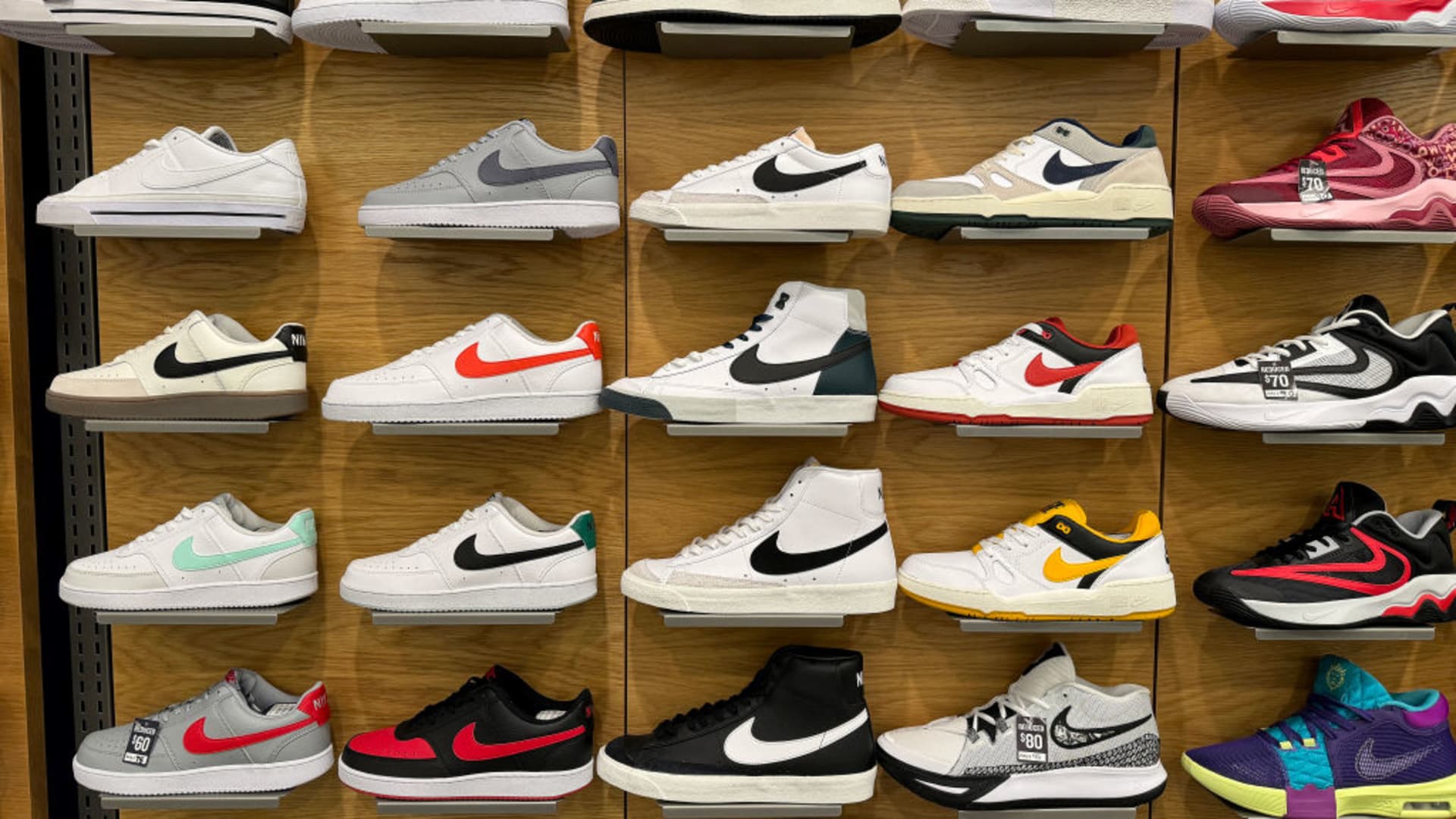
- Nike's Challenges and Opportunities: Nike (NYSE: NKE) has faced several years of struggles, with its stock price declining from its 2021 peak, currently offering a 3.6% dividend yield; analysts predict earnings will rebound to $2.40 per share by the end of the next fiscal year, indicating potential for recovery.
- PepsiCo's Brand Strength: PepsiCo (NASDAQ: PEP), a 'Dividend King' with 54 consecutive annual increases, faces challenges in sales growth, yet its 4.1% dividend yield and a projected 6% annual earnings growth make it attractive in the current market.
- Hershey's Transformation Strategy: Hershey (NYSE: HSY) has been pressured by soaring cocoa prices affecting profit margins; although it did not raise its dividend last year, new CEO Kirk Tanner aims to expand into salty snacks and nutrition bars, which could drive future growth.
- Kimberly-Clark's Merger Strategy: Kimberly-Clark (NASDAQ: KMB) is merging with Kenvue in a $48.7 billion deal, creating a global consumer products giant; despite integration risks, both companies are Dividend Kings, likely prioritizing dividend maintenance and growth, with a current yield of 5%.
Analysis of Four Declining Consumer Brand Stocks
- Nike's Struggles: Nike (NKE) has seen a 74% decline in stock price due to a misguided direct-to-consumer strategy that led to the firing of its CEO; despite raising dividends for 24 consecutive years, the company's earnings have deteriorated, presenting a buying opportunity at a 3.6% dividend yield.
- PepsiCo's Realignment: PepsiCo (PEP) is down 26%, but with a history of 54 consecutive annual dividend increases, the company has adjusted its pricing strategy after aggressive hikes post-COVID, and analysts expect 6% annualized earnings growth, with a dividend yield of 4.1%.
- Hershey's Transition: Hershey (HSY) has dropped 34% due to a severe cocoa shortage impacting profit margins; with a new CEO focusing on growth in salty snacks and nutrition bars, investors should watch for recovery in its core business, currently offering a 3.12% dividend yield.
- Kimberly-Clark's Merger: Kimberly-Clark (KMB) is down 35% as it merges with Kenvue in a $48.7 billion deal, creating a global consumer products giant; while the merger poses risks, both companies are Dividend Kings, and investors can expect a 5% dividend yield during the integration phase.

Buffett vs. Musk: The Debate on Competitive Moats


- Definition of Moats: Warren Buffett has long used the term 'moat' to describe a company's enduring competitive advantage, while Elon Musk argues that moats are outdated, emphasizing that the pace of innovation is the fundamental determinant of competitiveness.
- Tesla's Open Strategy: During Tesla's earnings call, Musk expressed willingness to open the Supercharger network to competitors, a strategy that could impact Tesla's competitive position in the EV market, although Buffett remains skeptical about this approach.
- Candy Market Challenge: Musk announced plans to enter the candy industry, claiming he would build a moat to fend off competition, while Buffett pointed out that established brands like Snickers and M&M's have strong moats, presenting significant challenges for Musk.
- GEICO's Branding Strategy: Buffett cited GEICO's Gecko as an example of effective branding that creates a moat, highlighting that a strong brand image can generate competitive advantages, with GEICO's recent partnership with a WNBA player further enhancing its investment in women's sports.
Hershey Appoints New President for U.S. Operations
- New Leadership: The Hershey Company has appointed Heather Hoytink as President of U.S. operations, effective July 8, 2026, bringing over 20 years of sales and operations experience, most recently as Senior Vice President at PepsiCo, where she demonstrated strong customer relationships and growth capabilities.
- Strategic Objectives: As President, Hoytink will have end-to-end accountability for Hershey's U.S. commercial business, advancing the unified aONE Hershey commercial model aimed at delivering greater value to retail partners and consumers while driving growth across away-from-home, omnichannel, and digital channels.
- Growth Potential: Hoytink expressed excitement about joining Hershey, highlighting the strong foundation for future growth provided by the company's iconic brands and customer partnerships, and her focus will be on building high-performing teams, investing in talent, and collaborating closely with customers to unlock new opportunities.
- Company Background: Hershey is an industry-leading snacks company with over $11.7 billion in annual revenue and more than 20,000 employees, committed to delivering high-quality products across 85 brands, showcasing its strong influence in the global market.
U.S. Food Companies Navigate Changes to SNAP Policies
- Impact of SNAP Policies: As of May, the USDA has approved food restriction waivers in 23 states affecting about one-third of SNAP participants, with estimates suggesting a potential $830 million drop in food and beverage sales this year, compelling companies to reassess their product lines to adapt to shifting consumer spending.
- Consumer Spending Pressure: Kroger CEO Greg Foran highlighted that customers are under financial pressure due to reduced SNAP benefits and rising gas prices, leading to more cautious shopping behavior, indicating that changes in market demand could significantly influence food companies' sales strategies.
- Legislative Push for Healthy Eating: Iowa has become the first state to codify elements of the
SNAP Restrictions Impact Food Sales
- Sales Decline Forecast: According to Numerator, SNAP purchase restrictions have been approved in 23 states, potentially reducing food and beverage sales by up to $830 million, affecting about one-third of recipients, indicating a direct impact of policy on the food industry.
- Consumer Behavior Shift: Kroger CEO Greg Foran noted that customers are under pressure due to reduced SNAP benefits and rising gas prices, shopping more cautiously, which suggests significant changes in consumer spending patterns that may affect retailers' sales strategies.
- Accelerated Product Reformulation: As the MAHA movement gains traction, food manufacturers are accelerating product reformulations, with many companies pledging to phase out artificial colors by 2027, reflecting the industry's response and adaptation to health trends.
- Increased Market Competition: Major food companies like Hershey and Kraft Heinz are closely monitoring shopper behavior to assess the impact of new policies on their product lines, indicating that businesses need to quickly adjust to maintain market share amid policy changes.
Consumer Stocks Face Challenges but Remain Promising
- Nike's Challenges and Opportunities: Nike (NYSE: NKE) has faced several years of struggles, with its stock price declining from its 2021 peak, currently offering a 3.6% dividend yield; analysts predict earnings will rebound to $2.40 per share by the end of the next fiscal year, indicating potential for recovery.
- PepsiCo's Brand Strength: PepsiCo (NASDAQ: PEP), a 'Dividend King' with 54 consecutive annual increases, faces challenges in sales growth, yet its 4.1% dividend yield and a projected 6% annual earnings growth make it attractive in the current market.
- Hershey's Transformation Strategy: Hershey (NYSE: HSY) has been pressured by soaring cocoa prices affecting profit margins; although it did not raise its dividend last year, new CEO Kirk Tanner aims to expand into salty snacks and nutrition bars, which could drive future growth.
- Kimberly-Clark's Merger Strategy: Kimberly-Clark (NASDAQ: KMB) is merging with Kenvue in a $48.7 billion deal, creating a global consumer products giant; despite integration risks, both companies are Dividend Kings, likely prioritizing dividend maintenance and growth, with a current yield of 5%.
Analysis of Four Declining Consumer Brand Stocks
- Nike's Struggles: Nike (NKE) has seen a 74% decline in stock price due to a misguided direct-to-consumer strategy that led to the firing of its CEO; despite raising dividends for 24 consecutive years, the company's earnings have deteriorated, presenting a buying opportunity at a 3.6% dividend yield.
- PepsiCo's Realignment: PepsiCo (PEP) is down 26%, but with a history of 54 consecutive annual dividend increases, the company has adjusted its pricing strategy after aggressive hikes post-COVID, and analysts expect 6% annualized earnings growth, with a dividend yield of 4.1%.
- Hershey's Transition: Hershey (HSY) has dropped 34% due to a severe cocoa shortage impacting profit margins; with a new CEO focusing on growth in salty snacks and nutrition bars, investors should watch for recovery in its core business, currently offering a 3.12% dividend yield.
- Kimberly-Clark's Merger: Kimberly-Clark (KMB) is down 35% as it merges with Kenvue in a $48.7 billion deal, creating a global consumer products giant; while the merger poses risks, both companies are Dividend Kings, and investors can expect a 5% dividend yield during the integration phase.
Buffett vs. Musk: The Debate on Competitive Moats
- Definition of Moats: Warren Buffett has long used the term 'moat' to describe a company's enduring competitive advantage, while Elon Musk argues that moats are outdated, emphasizing that the pace of innovation is the fundamental determinant of competitiveness.
- Tesla's Open Strategy: During Tesla's earnings call, Musk expressed willingness to open the Supercharger network to competitors, a strategy that could impact Tesla's competitive position in the EV market, although Buffett remains skeptical about this approach.
- Candy Market Challenge: Musk announced plans to enter the candy industry, claiming he would build a moat to fend off competition, while Buffett pointed out that established brands like Snickers and M&M's have strong moats, presenting significant challenges for Musk.
- GEICO's Branding Strategy: Buffett cited GEICO's Gecko as an example of effective branding that creates a moat, highlighting that a strong brand image can generate competitive advantages, with GEICO's recent partnership with a WNBA player further enhancing its investment in women's sports.