D.R. Horton Inc rises as market gains boost investor confidence
Written by Emily J. Thompson, Senior Investment Analyst
Updated: Dec 20 2024
0mins
Source: Yahoo Finance
D.R. Horton Inc's stock rose by 5.00% as it crossed above the 5-day SMA, reflecting a positive market environment. Amid a strong market surge, with the S&P 500 up 1.43% and the Nasdaq-100 up 1.34%, investor confidence in the housing sector appears to be strengthening. This upward movement in D.R. Horton’s stock may indicate a favorable outlook for the company, particularly as lower oil prices are expected to enhance corporate profitability across various sectors.
Trade with 70% Backtested Accuracy
Stop guessing "Should I Buy DHI?" and start using high-conviction signals backed by rigorous historical data.
Sign up today to access powerful investing tools and make smarter, data-driven decisions.
Analyst Views on DHI
Wall Street analysts forecast DHI stock price to rise
13 Analyst Rating
4 Buy
7 Hold
2 Sell
Hold
Current: 152.480

Low
117.00
Averages
160.58
High
195.00
Current: 152.480
Low
117.00
Averages
160.58
High
195.00
About DHI
D.R. Horton, Inc. is a homebuilding company. The Company is primarily engaged in the acquisition and development of land and the construction and sale of residential homes, with operations in over 126 markets across 36 states. The Company’s segments include Homebuilding, Rental, Forestar, Financial Services, and Other. The Homebuilding division is primarily engaged in the acquisition and development of land and the construction and sale of residential homes. The Company’s rental segment consists of single-family and multifamily rental operations. The single-family rental operations construct and lease single-family homes within a community and then generally market each community for a bulk sale of rental homes. The Forestar segment is a residential lot development company with operations in 64 markets across 23 states. The Financial services segment provides mortgage financing and title agency services to homebuyers in many of the Company’s homebuilding markets.
About the author

Emily J. Thompson
Emily J. Thompson, a Chartered Financial Analyst (CFA) with 12 years in investment research, graduated with honors from the Wharton School. Specializing in industrial and technology stocks, she provides in-depth analysis for Intellectia’s earnings and market brief reports.

Dow Industrials Hits New Record High Amid Market Movements


- Housing Market Trends: Toll Brothers has risen about 18% in the past month, despite a decline of 11% from February's peak, indicating volatility in the market and shifts in investor confidence.
- SpaceX Stock Performance: On its second day of trading, SpaceX gained nearly 20%, closing at $192.50 with a market cap of $2.5 trillion, reflecting strong market expectations for its future growth.
- Energy Market Review: West Texas Intermediate crude futures have dipped below $80, up over 20% since late February, yet the energy sector has declined 7.3% in the past month, highlighting market uncertainties.
- Market Indices New Highs: The Dow Industrials and NYSE Composite both hit new highs, rising nearly 11% and 7.3% over the past three months, respectively, showcasing robust overall market performance.
See More
U.S. Homebuilder Stocks Generally Rise Amid Fed Rate Speculation


- Market Response Positive: The pending U.S.-Iran peace memo has led traders to reduce bets on a Federal Reserve rate hike by year-end, resulting in most U.S. homebuilder stocks rising on Monday, with the iShares U.S. Home Construction ETF (ITB) up 1.5%, in line with the S&P 500's gains.
- Rate Expectation Changes: According to the CME FedWatch tool, the probability of the federal funds rate holding at 3.50%-3.75% increased from 39.6% to 44.6%, while the odds of a 25-basis-point hike eased from 42.3% to 41.2%, indicating a weakening market confidence in rate increases.
- Major Builders' Performance: D.R. Horton (DHI), the largest publicly traded homebuilder in the U.S., rose 2.1%, Toll Brothers (TOL) climbed 2.3%, and Lennar (LEN) added 1.9%, reflecting increased market confidence in these companies, although Beazer Homes (BZH) slipped 1.4% due to a proposed $400 million notes offering.
- Industry Outlook Uncertain: Lennar anticipates Q3 2026 EPS between $1.20 and $1.40 and adjusts annual deliveries to 82,000-83,000, highlighting that the housing recovery remains far off amid macroeconomic uncertainties.
See More

Abel's First Acquisition: Taylor Morrison Purchase


- First Major Acquisition: Greg Abel, who took over as CEO in 2026, announced the $6.8 billion acquisition of Taylor Morrison on May 31, marking his first significant move, although market interpretations of this acquisition may be overstated.
- Market Reaction Analysis: The acquisition is not driven by expectations of a housing market rebound but rather by Taylor Morrison's relatively low valuation, with a current price-to-sales ratio of approximately 0.9x, compared to other major builders' ratios of 1.3x to 1.4x, indicating its attractiveness.
- Integration Strategy Intent: Abel explicitly stated in the announcement that he plans to unify Berkshire's homebuilding operations into a cohesive platform to better serve American homeowners, indicating a shift towards a more hands-on management approach.
- Long-Term Investment Perspective: While the $6.8 billion acquisition is relatively small for Berkshire's nearly $1 trillion market cap, considering its nearly $400 billion cash reserves, this move is more likely a strategic long-term investment rather than a bet on short-term market fluctuations.
See More

Berkshire Hathaway's Strategic Acquisition of Taylor Morrison
- Acquisition Scale: Berkshire Hathaway's $6.8 billion acquisition of Taylor Morrison, while driving a stock price increase, still reflects a relatively cheap valuation compared to peers, showcasing the company's strategic vision in the housing market.
- Management Style Shift: CEO Greg Abel's announcement of plans to unify Taylor Morrison's homebuilding operations into a single platform indicates a more hands-on management approach, contrasting sharply with Warren Buffett's laissez-faire style.
- Market Positioning: With a price-to-sales ratio of approximately 0.9x, Taylor Morrison is attractively priced compared to major homebuilders like D.R. Horton at 1.3x and PulteGroup at 1.4x, suggesting potential long-term value for Berkshire.
- Strategic Investment: Although the acquisition is substantial, at $6.8 billion, it is relatively small for Berkshire Hathaway's $1 trillion market cap, indicating a strategic, long-term investment rather than a bet on a short-term housing rebound.
See More

US Stocks Close: Nasdaq Hits 5-Week Low Amid Market Rotations


- Market Volatility: The S&P 500 index fell by 0.26% and the Nasdaq 100 dropped by 1.12% on Tuesday, indicating a shift to a downward trend after an early advance, reflecting investor concerns over tech stocks.
- Energy Price Impact: WTI crude oil prices plunged by 3% to a seven-week low, leading to widespread declines in energy producers' stocks, which exacerbated the overall market weakness and highlighted the direct impact of oil price fluctuations on related sectors.
- Real Estate Market Recovery: US existing home sales rose to 4.17 million in April, a five-month high, boosting the stocks of builders and suppliers, indicating that a recovery in the real estate market could provide positive signals for the economy.
- International Trade Data Improvement: China's May exports increased by 19.4% year-on-year, surpassing expectations, showcasing potential for global economic growth, which may positively influence the US market, despite ongoing uncertainties.
See More
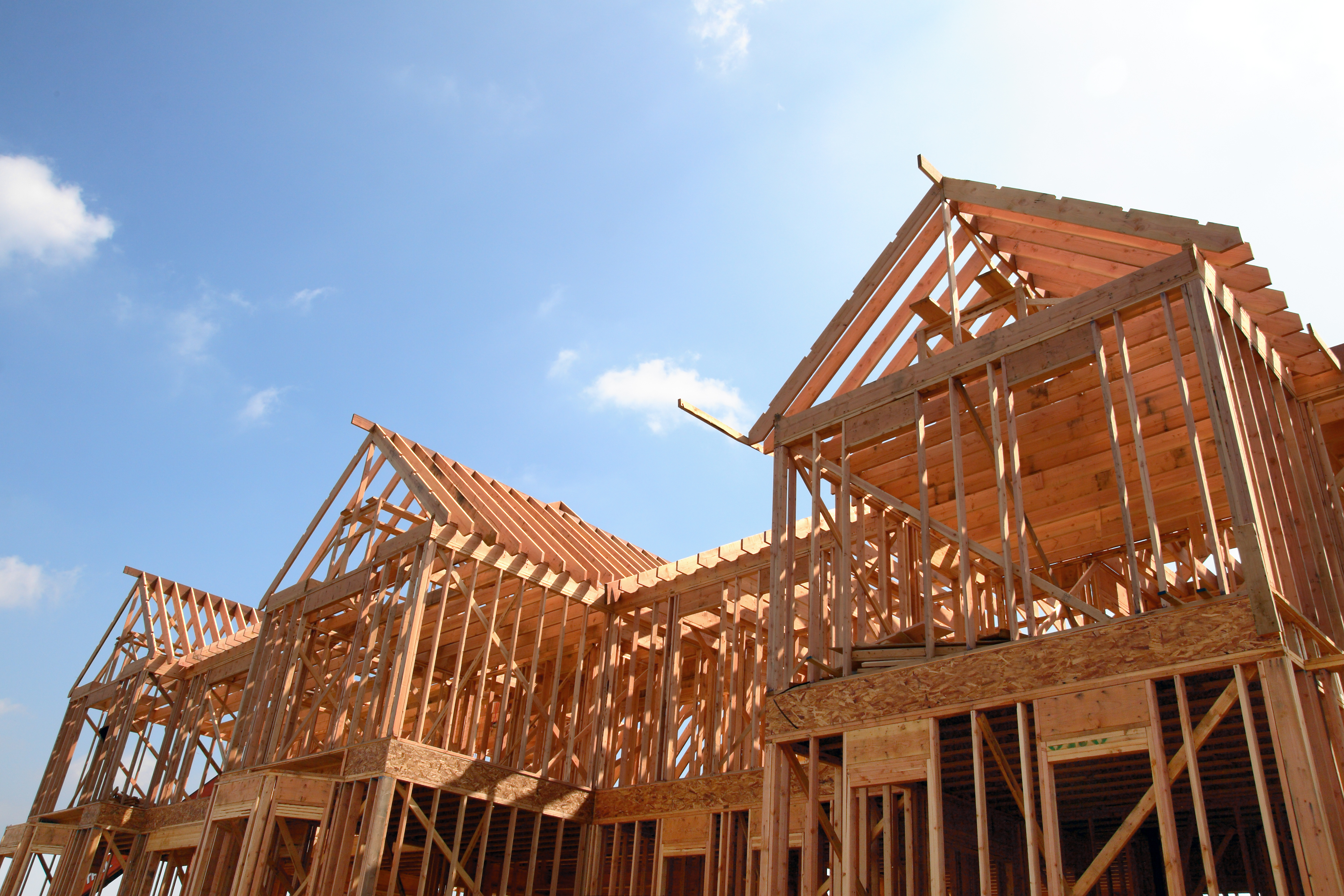
Berkshire Hathaway Acquires Taylor Morrison for $8.5B
- Acquisition Overview: Berkshire Hathaway's agreement to acquire Taylor Morrison for $72.50 per share in an all-cash deal valued at $8.5 billion represents a 24% premium over the stock's closing price on May 29, indicating strong confidence in the U.S. housing market.
- Market Reaction Analysis: Despite the transaction reflecting industry confidence, Seeking Alpha's Quant Ratings suggest a mixed outlook for publicly traded homebuilders, with both D.R. Horton and Taylor Morrison rated as Hold, highlighting concerns over housing demand.
- Industry Impact Assessment: The acquisition elevates Taylor Morrison's equity value to approximately $6.8 billion and its enterprise value to around $8.5 billion, which may influence the stock performance of other homebuilders, particularly against the backdrop of high mortgage rates.
- Investor Focus Shift: With Berkshire's acquisition, investor attention on the U.S. homebuilding sector has intensified, as the market continues to seek potential investment opportunities despite challenges posed by elevated mortgage rates and affordability issues.
See More
Dow Industrials Hits New Record High Amid Market Movements
- Housing Market Trends: Toll Brothers has risen about 18% in the past month, despite a decline of 11% from February's peak, indicating volatility in the market and shifts in investor confidence.
- SpaceX Stock Performance: On its second day of trading, SpaceX gained nearly 20%, closing at $192.50 with a market cap of $2.5 trillion, reflecting strong market expectations for its future growth.
- Energy Market Review: West Texas Intermediate crude futures have dipped below $80, up over 20% since late February, yet the energy sector has declined 7.3% in the past month, highlighting market uncertainties.
- Market Indices New Highs: The Dow Industrials and NYSE Composite both hit new highs, rising nearly 11% and 7.3% over the past three months, respectively, showcasing robust overall market performance.
See More
U.S. Homebuilder Stocks Generally Rise Amid Fed Rate Speculation
- Market Response Positive: The pending U.S.-Iran peace memo has led traders to reduce bets on a Federal Reserve rate hike by year-end, resulting in most U.S. homebuilder stocks rising on Monday, with the iShares U.S. Home Construction ETF (ITB) up 1.5%, in line with the S&P 500's gains.
- Rate Expectation Changes: According to the CME FedWatch tool, the probability of the federal funds rate holding at 3.50%-3.75% increased from 39.6% to 44.6%, while the odds of a 25-basis-point hike eased from 42.3% to 41.2%, indicating a weakening market confidence in rate increases.
- Major Builders' Performance: D.R. Horton (DHI), the largest publicly traded homebuilder in the U.S., rose 2.1%, Toll Brothers (TOL) climbed 2.3%, and Lennar (LEN) added 1.9%, reflecting increased market confidence in these companies, although Beazer Homes (BZH) slipped 1.4% due to a proposed $400 million notes offering.
- Industry Outlook Uncertain: Lennar anticipates Q3 2026 EPS between $1.20 and $1.40 and adjusts annual deliveries to 82,000-83,000, highlighting that the housing recovery remains far off amid macroeconomic uncertainties.
See More
Abel's First Acquisition: Taylor Morrison Purchase
- First Major Acquisition: Greg Abel, who took over as CEO in 2026, announced the $6.8 billion acquisition of Taylor Morrison on May 31, marking his first significant move, although market interpretations of this acquisition may be overstated.
- Market Reaction Analysis: The acquisition is not driven by expectations of a housing market rebound but rather by Taylor Morrison's relatively low valuation, with a current price-to-sales ratio of approximately 0.9x, compared to other major builders' ratios of 1.3x to 1.4x, indicating its attractiveness.
- Integration Strategy Intent: Abel explicitly stated in the announcement that he plans to unify Berkshire's homebuilding operations into a cohesive platform to better serve American homeowners, indicating a shift towards a more hands-on management approach.
- Long-Term Investment Perspective: While the $6.8 billion acquisition is relatively small for Berkshire's nearly $1 trillion market cap, considering its nearly $400 billion cash reserves, this move is more likely a strategic long-term investment rather than a bet on short-term market fluctuations.
See More
Berkshire Hathaway's Strategic Acquisition of Taylor Morrison
- Acquisition Scale: Berkshire Hathaway's $6.8 billion acquisition of Taylor Morrison, while driving a stock price increase, still reflects a relatively cheap valuation compared to peers, showcasing the company's strategic vision in the housing market.
- Management Style Shift: CEO Greg Abel's announcement of plans to unify Taylor Morrison's homebuilding operations into a single platform indicates a more hands-on management approach, contrasting sharply with Warren Buffett's laissez-faire style.
- Market Positioning: With a price-to-sales ratio of approximately 0.9x, Taylor Morrison is attractively priced compared to major homebuilders like D.R. Horton at 1.3x and PulteGroup at 1.4x, suggesting potential long-term value for Berkshire.
- Strategic Investment: Although the acquisition is substantial, at $6.8 billion, it is relatively small for Berkshire Hathaway's $1 trillion market cap, indicating a strategic, long-term investment rather than a bet on a short-term housing rebound.
See More
US Stocks Close: Nasdaq Hits 5-Week Low Amid Market Rotations
- Market Volatility: The S&P 500 index fell by 0.26% and the Nasdaq 100 dropped by 1.12% on Tuesday, indicating a shift to a downward trend after an early advance, reflecting investor concerns over tech stocks.
- Energy Price Impact: WTI crude oil prices plunged by 3% to a seven-week low, leading to widespread declines in energy producers' stocks, which exacerbated the overall market weakness and highlighted the direct impact of oil price fluctuations on related sectors.
- Real Estate Market Recovery: US existing home sales rose to 4.17 million in April, a five-month high, boosting the stocks of builders and suppliers, indicating that a recovery in the real estate market could provide positive signals for the economy.
- International Trade Data Improvement: China's May exports increased by 19.4% year-on-year, surpassing expectations, showcasing potential for global economic growth, which may positively influence the US market, despite ongoing uncertainties.
See More
Berkshire Hathaway Acquires Taylor Morrison for $8.5B
- Acquisition Overview: Berkshire Hathaway's agreement to acquire Taylor Morrison for $72.50 per share in an all-cash deal valued at $8.5 billion represents a 24% premium over the stock's closing price on May 29, indicating strong confidence in the U.S. housing market.
- Market Reaction Analysis: Despite the transaction reflecting industry confidence, Seeking Alpha's Quant Ratings suggest a mixed outlook for publicly traded homebuilders, with both D.R. Horton and Taylor Morrison rated as Hold, highlighting concerns over housing demand.
- Industry Impact Assessment: The acquisition elevates Taylor Morrison's equity value to approximately $6.8 billion and its enterprise value to around $8.5 billion, which may influence the stock performance of other homebuilders, particularly against the backdrop of high mortgage rates.
- Investor Focus Shift: With Berkshire's acquisition, investor attention on the U.S. homebuilding sector has intensified, as the market continues to seek potential investment opportunities despite challenges posed by elevated mortgage rates and affordability issues.
See More