DoorDash's Stock Declines Amid Disappointing Q4 Results

DoorDash Inc's stock fell by 5.99% as it crossed below the 5-day SMA, reflecting investor concerns following its disappointing Q4 results.
Despite a record number of subscribers and significant order growth, DoorDash reported Q4 earnings per share of 48 cents, missing expectations of 59 cents. The company's revenue of $3.96 billion also fell short of estimates, leading to a cautious outlook for future profitability. Analysts noted that while the company is making progress on integrating its platform with Deliveroo and Wolt, the increased spending could lead to short-term volatility in the stock price.
The implications of these results suggest that while DoorDash is expanding its market share and diversifying its offerings, investor confidence may be shaken by the earnings miss and weak guidance, potentially impacting its stock performance in the near term.
Trade with 70% Backtested Accuracy
Analyst Views on DASH

About DASH
About the author


Investment Opportunities Amid Market Pullback

- CoreWeave's Strong Performance: CoreWeave's stock has doubled over the past year, despite currently trading 63% below its 52-week high, with analysts projecting a 143% revenue growth this year, highlighting its robust demand in the AI sector and market potential.
- Oklo's Growth Potential: Oklo's stock has quadrupled in the past year, and while it has yet to generate significant revenue, its fast fission technology shows strong market adaptability in the AI boom, with expectations to reach $100 million in annual revenue within three years.
- DoorDash's Financial Stability: DoorDash achieved a 38% year-over-year growth rate in its latest quarter, despite a 35% drop in stock price this year, indicating strong financial performance and attractiveness amid economic uncertainties.
- Investor Confidence Rebounds: Cathie Wood's decision to increase her holdings in CoreWeave, Oklo, and DoorDash during the market pullback signals her optimism about their long-term growth potential, potentially providing a buying signal for other investors.
U.S. Consumers Face Economic Impact from Soaring Oil Prices


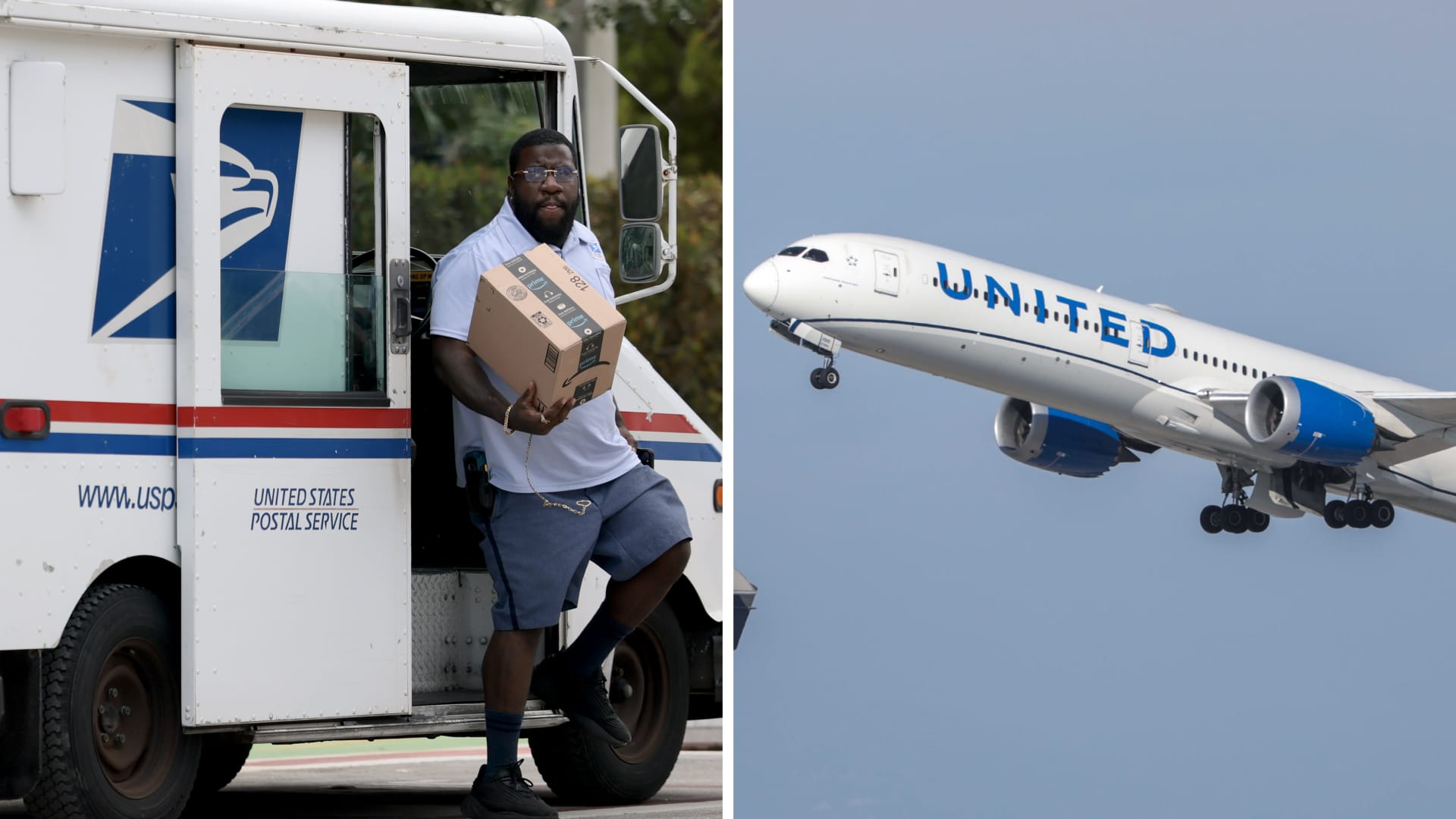
- Surging Oil Prices: The blockage of the Strait of Hormuz has caused Brent crude oil's May contract to surge over 55% in March, marking the largest monthly gain since 1998, leading to economic pressures on U.S. consumers in areas like travel and mail delivery.
- Postal Service Adjustments: The U.S. Postal Service plans to implement an 8% temporary fuel surcharge on packages and express mail starting in late April, lasting until 2027, to cover rising operational costs, although this measure requires regulatory approval.
- Airline Response: United Airlines intends to cut back on some lower-profit flights and anticipates oil prices reaching $175 per barrel, which could increase its fuel costs by $11 billion, more than double its previous highest profits, resulting in higher ticket prices for travelers.
- Declining Consumer Confidence: According to the University of Michigan's survey, the consumer confidence index fell nearly 6% in March to a historic low, indicating worsening economic expectations due to the war and rising inflation concerns among consumers.

U.S. Consumers Face Impact of Soaring Oil Prices

- Surging Oil Prices: The blockage of the Strait of Hormuz has led to a more than 55% increase in Brent crude's May contract in March, marking the largest monthly gain since 1998, which is causing economic strain on U.S. consumers in areas like travel and mail delivery.
- Postal Service Adjustments: The U.S. Postal Service plans to implement a temporary 8% fuel surcharge starting in late April, lasting until 2027, aimed at covering business costs, although this fee is lower than those imposed by competitors.
- Airline Responses: United Airlines anticipates oil prices reaching $175 per barrel and plans to cut back on some lower-profit flights, with the CEO stating that rising fuel costs could increase the company's fuel bill by $11 billion, more than double its profits in peak years.
- Declining Consumer Confidence: According to the University of Michigan's survey, the consumer confidence index fell nearly 6% in March to one of its lowest levels on record, reflecting the negative economic impact of war and rising inflation concerns.

Cathie Wood's ARK Capitalizes on the Dip by Selling Meta, Nvidia, Broadcom, and Other Stocks.

- Cathie Wood's Investment Strategy: Cathie Wood, a prominent technology investor, is known for capitalizing on market dips but chose not to buy this time.
- Market Context: This decision comes after the stock market experienced its worst day since the onset of the Iran war.

Cathie Wood's ARK Capitalizes on the Dip by Selling Meta, Nvidia, Broadcom, and Other Stocks.


- Market Performance: The stock market experienced its worst day since the onset of the Iran war.
- Cathie Wood's Strategy: Notably, technology investor Cathie Wood, known for capitalizing on market dips, is not engaging in buying this time.

Serve Robotics Uplists to Nasdaq, Poised for Significant Growth


- Successful Uplisting: Serve Robotics successfully uplisted from the OTC market to Nasdaq on April 18, 2024, with an IPO price of $4.00 per share and an opening price of $4.75, indicating strong market confidence in its future development.
- Stock Price Surge: Although currently trading around $9, the stock reached an all-time high of $22.92 on December 26, 2024, reflecting optimistic expectations from investors regarding its long-term growth potential.
- Robot Fleet Expansion: Serve operated approximately 100 robots in 2024 but is expected to expand its fleet to 2,000 robots by 2025, primarily delivering to Uber Eats and DoorDash, showcasing rapid growth in the food delivery market.
- Revenue Growth: Serve's revenue skyrocketed from $2.7 million in 2024 to $25.9 million in 2025, with projections to reach $131.5 million by 2028, indicating strong growth potential in the rapidly expanding delivery robot market.
Investment Opportunities Amid Market Pullback
- CoreWeave's Strong Performance: CoreWeave's stock has doubled over the past year, despite currently trading 63% below its 52-week high, with analysts projecting a 143% revenue growth this year, highlighting its robust demand in the AI sector and market potential.
- Oklo's Growth Potential: Oklo's stock has quadrupled in the past year, and while it has yet to generate significant revenue, its fast fission technology shows strong market adaptability in the AI boom, with expectations to reach $100 million in annual revenue within three years.
- DoorDash's Financial Stability: DoorDash achieved a 38% year-over-year growth rate in its latest quarter, despite a 35% drop in stock price this year, indicating strong financial performance and attractiveness amid economic uncertainties.
- Investor Confidence Rebounds: Cathie Wood's decision to increase her holdings in CoreWeave, Oklo, and DoorDash during the market pullback signals her optimism about their long-term growth potential, potentially providing a buying signal for other investors.
U.S. Consumers Face Economic Impact from Soaring Oil Prices
- Surging Oil Prices: The blockage of the Strait of Hormuz has caused Brent crude oil's May contract to surge over 55% in March, marking the largest monthly gain since 1998, leading to economic pressures on U.S. consumers in areas like travel and mail delivery.
- Postal Service Adjustments: The U.S. Postal Service plans to implement an 8% temporary fuel surcharge on packages and express mail starting in late April, lasting until 2027, to cover rising operational costs, although this measure requires regulatory approval.
- Airline Response: United Airlines intends to cut back on some lower-profit flights and anticipates oil prices reaching $175 per barrel, which could increase its fuel costs by $11 billion, more than double its previous highest profits, resulting in higher ticket prices for travelers.
- Declining Consumer Confidence: According to the University of Michigan's survey, the consumer confidence index fell nearly 6% in March to a historic low, indicating worsening economic expectations due to the war and rising inflation concerns among consumers.
U.S. Consumers Face Impact of Soaring Oil Prices
- Surging Oil Prices: The blockage of the Strait of Hormuz has led to a more than 55% increase in Brent crude's May contract in March, marking the largest monthly gain since 1998, which is causing economic strain on U.S. consumers in areas like travel and mail delivery.
- Postal Service Adjustments: The U.S. Postal Service plans to implement a temporary 8% fuel surcharge starting in late April, lasting until 2027, aimed at covering business costs, although this fee is lower than those imposed by competitors.
- Airline Responses: United Airlines anticipates oil prices reaching $175 per barrel and plans to cut back on some lower-profit flights, with the CEO stating that rising fuel costs could increase the company's fuel bill by $11 billion, more than double its profits in peak years.
- Declining Consumer Confidence: According to the University of Michigan's survey, the consumer confidence index fell nearly 6% in March to one of its lowest levels on record, reflecting the negative economic impact of war and rising inflation concerns.
Cathie Wood's ARK Capitalizes on the Dip by Selling Meta, Nvidia, Broadcom, and Other Stocks.
- Cathie Wood's Investment Strategy: Cathie Wood, a prominent technology investor, is known for capitalizing on market dips but chose not to buy this time.
- Market Context: This decision comes after the stock market experienced its worst day since the onset of the Iran war.
Cathie Wood's ARK Capitalizes on the Dip by Selling Meta, Nvidia, Broadcom, and Other Stocks.
- Market Performance: The stock market experienced its worst day since the onset of the Iran war.
- Cathie Wood's Strategy: Notably, technology investor Cathie Wood, known for capitalizing on market dips, is not engaging in buying this time.
Serve Robotics Uplists to Nasdaq, Poised for Significant Growth
- Successful Uplisting: Serve Robotics successfully uplisted from the OTC market to Nasdaq on April 18, 2024, with an IPO price of $4.00 per share and an opening price of $4.75, indicating strong market confidence in its future development.
- Stock Price Surge: Although currently trading around $9, the stock reached an all-time high of $22.92 on December 26, 2024, reflecting optimistic expectations from investors regarding its long-term growth potential.
- Robot Fleet Expansion: Serve operated approximately 100 robots in 2024 but is expected to expand its fleet to 2,000 robots by 2025, primarily delivering to Uber Eats and DoorDash, showcasing rapid growth in the food delivery market.
- Revenue Growth: Serve's revenue skyrocketed from $2.7 million in 2024 to $25.9 million in 2025, with projections to reach $131.5 million by 2028, indicating strong growth potential in the rapidly expanding delivery robot market.