Dollar General's New Store Format Aims to Enhance Customer Experience
Dollar General's stock fell 3.13% and hit a 20-day low amid broader market weakness, with the Nasdaq-100 down 0.54% and the S&P 500 down 0.61%.
The company announced plans to roll out a redesigned store format this year, focusing on a more open layout to enhance customer experience and encourage browsing. This initiative is driven by customer feedback and aims to elevate the brand while supporting higher average ticket sales. However, the ongoing economic concerns, including inflation and the Iran war, are creating a challenging environment for discount retailers like Dollar General, which reported strong Q4 results but anticipates slower sales growth in fiscal 2026.
The implications of this new store format could be significant for Dollar General, as it seeks to adapt to changing consumer preferences and economic pressures. The success of this initiative will depend on how well it resonates with customers and whether it can drive increased foot traffic and sales in a competitive retail landscape.
Trade with 70% Backtested Accuracy
Analyst Views on DG

About DG
About the author


Bank of America Bullish on Apple and Nvidia Stocks

- BofA Stock Picks: Bank of America remains bullish on stocks like Apple and Nvidia as it heads into June, highlighting their significant upside potential, particularly in the current economic climate, making them attractive assets for investors.
- Toll Brothers Strong Performance: Analyst Rafe Jadrosich noted that Toll Brothers delivered a 'rare' beat and raise in its latest quarterly report, with healthy margins and robust demand for luxury homes, positioning it as a top pick despite a challenging macroeconomic environment.
- Citigroup Future Potential: Citigroup has risen 67% over the past 12 months, with BofA analyst Ebrahim Poonawala raising the 12-month price target from $150 to $170, believing the company's proactive approach in AI will further drive stock price increases.
- Retail Stocks Outlook: BofA analyst Robert Ohmes sees strong growth momentum in Dollar General and National Vision Holdings, particularly as Dollar General enhances delivery capabilities through partnerships with Uber and Instacart, despite recent stock declines, making them attractive buying opportunities.
Dell Technologies Poised to Dominate Computer Market

- Dell's Impressive Earnings: Dell Technologies' latest earnings report is described as a 'blowout,' indicating strong market demand that could signify its dominance in the computer space, further fueling enthusiasm around data center trades.
- Nvidia's Challenges: While tech stocks have performed well, Nvidia has emerged as a notable laggard, with expectations that CEO Jensen Huang's upcoming keynote at Computex in Taiwan could introduce new products and potentially shift this trend.
- Market Dynamics to Watch: Next week, Merck will review its cancer portfolio, while Palo Alto Networks and Ulta are set to report earnings; Cramer anticipates that these companies may be influenced by AI-driven market changes, particularly in cybersecurity.
- Employment Data Impact: The Labor Department's jobs report on Friday will shape expectations for interest rate cuts, with Cramer noting that the data needs to be weak enough to justify a rate cut from the Federal Reserve, which could influence investor decisions.

Dell Technologies Earnings Ignite AI Enthusiasm
- Dell's Blockbuster Earnings: Dell Technologies' recent earnings report is described as a 'blowout,' reigniting enthusiasm for AI and data center stocks, and potentially marking a pivotal moment for its dominance in the computer space.
- Nvidia's Lagging Performance: Despite the strong performance of tech stocks, Nvidia has emerged as a laggard, with Cramer suggesting that next week's Computex keynote by CEO Jensen Huang could provide crucial updates that may shift this trend.
- Upcoming Earnings Reports: A series of earnings reports from companies like Palo Alto and Broadcom next week are expected to offer significant insights for investors, particularly regarding the rising AI-driven cybersecurity threats that could impact results.
- Lululemon's Reset Quarter: Cramer cautions that Lululemon may face a challenging 'reset quarter,' advising investors to be cautious ahead of the earnings report to mitigate potential losses.
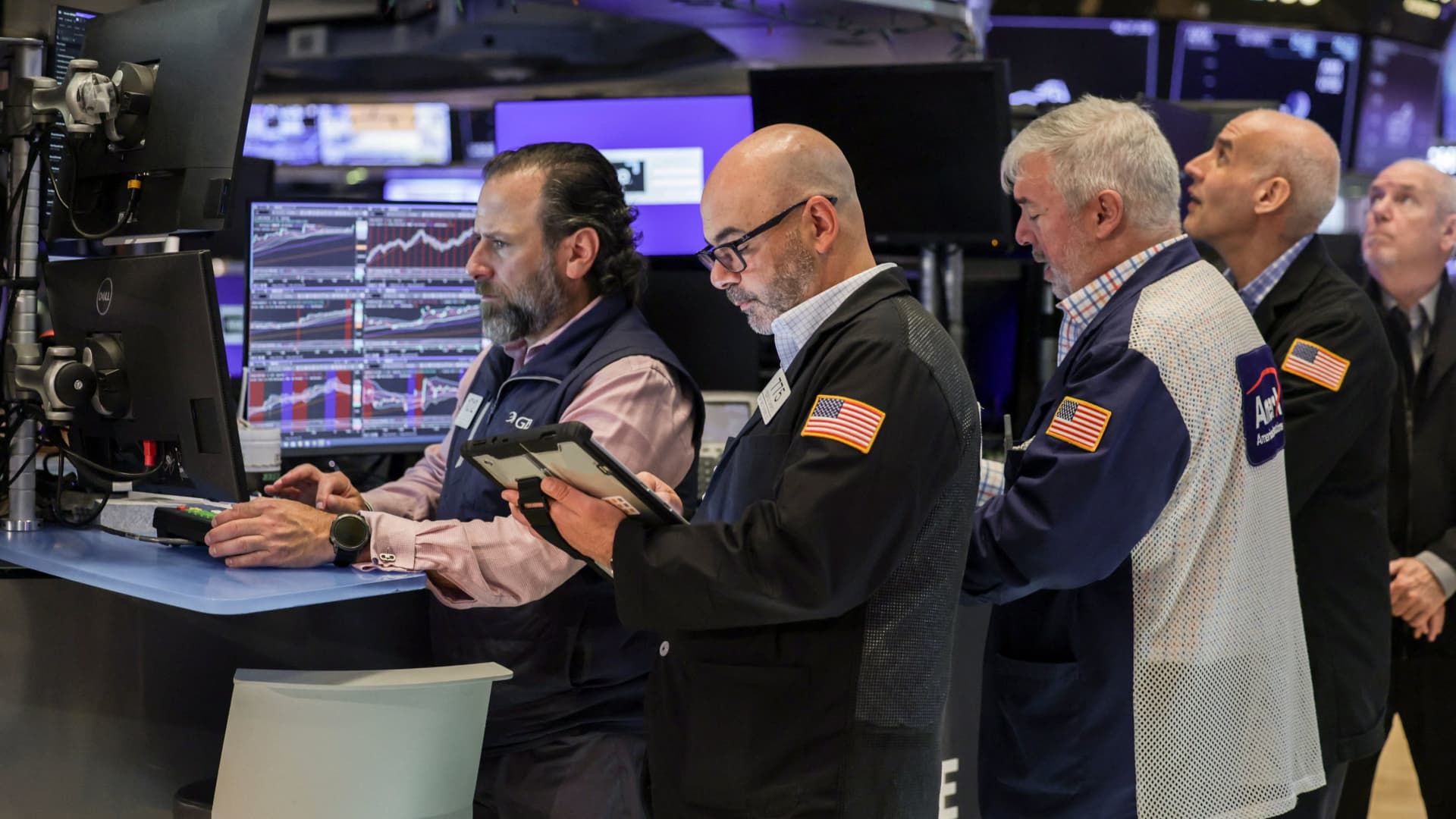
Market Anticipates Resolution to Iran Conflict


- Market Rebound: With growing confidence that the Strait of Hormuz will soon reopen, stocks are poised to end May at all-time highs, reflecting investor optimism about future economic recovery.
- AI Driving Force: S&P 500 earnings are expected to grow over 28% in Q1, with the information technology sector seeing growth rates exceeding 54%, indicating that AI technology is driving profitability across industries and boosting market confidence.
- Employment Market Outlook: Economists predict a 100,000 increase in May nonfarm payrolls, with the unemployment rate steady at 4.3%, suggesting that despite slowing job growth, the market is adapting to a

Wall Street's Latest Rating Changes Overview


- Openlane Upgrade: JPMorgan upgraded Openlane from neutral to overweight and raised its December 2026 price target to $38, indicating that the online used car marketplace is experiencing robust growth and has potential for sustainable expansion over the coming years.
- Dollar General Downgrade: Deutsche Bank downgraded Dollar General from buy to hold, citing challenges in its customer base and the widening gap in the K-shaped economy, which may limit same-store sales upside, reflecting a cautious outlook on the company.
- Ecolab Upgrade: UBS upgraded Ecolab from neutral to buy and raised its price target to $325, demonstrating strong demand and positive performance expectations for the chemicals company amid a favorable market environment.
- FedEx Upgrade: JPMorgan upgraded FedEx from neutral to overweight, expressing optimism ahead of its upcoming earnings report, particularly regarding the separation of its freight business, which is seen as an attractive risk-reward opportunity.

Market Trends and Key Earnings Reports This Week

- IPO Developments: OpenAI is reportedly preparing to file for an IPO next week in collaboration with bankers, which could mark one of the largest public debuts in history, reflecting strong market interest and investment enthusiasm in the AI sector.
- Earnings Reports: Salesforce is set to release its quarterly earnings on Wednesday, with analysts anticipating that macroeconomic uncertainties and delays in new contract signings may extend sales cycles, potentially impacting the company's growth outlook.
- Consumer Spending Data: The Personal Consumption Expenditures (PCE) report will be released on Thursday, with economists forecasting a 0.5% increase in April, indicating that consumer spending remains robust, albeit slower than March's figures.
- Retail Performance Focus: On Thursday, earnings from Costco, Best Buy, and Dollar General will provide insights into the health of the retail sector, with investors closely monitoring these results to assess consumer confidence and spending trends.
Bank of America Bullish on Apple and Nvidia Stocks
- BofA Stock Picks: Bank of America remains bullish on stocks like Apple and Nvidia as it heads into June, highlighting their significant upside potential, particularly in the current economic climate, making them attractive assets for investors.
- Toll Brothers Strong Performance: Analyst Rafe Jadrosich noted that Toll Brothers delivered a 'rare' beat and raise in its latest quarterly report, with healthy margins and robust demand for luxury homes, positioning it as a top pick despite a challenging macroeconomic environment.
- Citigroup Future Potential: Citigroup has risen 67% over the past 12 months, with BofA analyst Ebrahim Poonawala raising the 12-month price target from $150 to $170, believing the company's proactive approach in AI will further drive stock price increases.
- Retail Stocks Outlook: BofA analyst Robert Ohmes sees strong growth momentum in Dollar General and National Vision Holdings, particularly as Dollar General enhances delivery capabilities through partnerships with Uber and Instacart, despite recent stock declines, making them attractive buying opportunities.
Dell Technologies Poised to Dominate Computer Market
- Dell's Impressive Earnings: Dell Technologies' latest earnings report is described as a 'blowout,' indicating strong market demand that could signify its dominance in the computer space, further fueling enthusiasm around data center trades.
- Nvidia's Challenges: While tech stocks have performed well, Nvidia has emerged as a notable laggard, with expectations that CEO Jensen Huang's upcoming keynote at Computex in Taiwan could introduce new products and potentially shift this trend.
- Market Dynamics to Watch: Next week, Merck will review its cancer portfolio, while Palo Alto Networks and Ulta are set to report earnings; Cramer anticipates that these companies may be influenced by AI-driven market changes, particularly in cybersecurity.
- Employment Data Impact: The Labor Department's jobs report on Friday will shape expectations for interest rate cuts, with Cramer noting that the data needs to be weak enough to justify a rate cut from the Federal Reserve, which could influence investor decisions.
Dell Technologies Earnings Ignite AI Enthusiasm
- Dell's Blockbuster Earnings: Dell Technologies' recent earnings report is described as a 'blowout,' reigniting enthusiasm for AI and data center stocks, and potentially marking a pivotal moment for its dominance in the computer space.
- Nvidia's Lagging Performance: Despite the strong performance of tech stocks, Nvidia has emerged as a laggard, with Cramer suggesting that next week's Computex keynote by CEO Jensen Huang could provide crucial updates that may shift this trend.
- Upcoming Earnings Reports: A series of earnings reports from companies like Palo Alto and Broadcom next week are expected to offer significant insights for investors, particularly regarding the rising AI-driven cybersecurity threats that could impact results.
- Lululemon's Reset Quarter: Cramer cautions that Lululemon may face a challenging 'reset quarter,' advising investors to be cautious ahead of the earnings report to mitigate potential losses.
Market Anticipates Resolution to Iran Conflict
- Market Rebound: With growing confidence that the Strait of Hormuz will soon reopen, stocks are poised to end May at all-time highs, reflecting investor optimism about future economic recovery.
- AI Driving Force: S&P 500 earnings are expected to grow over 28% in Q1, with the information technology sector seeing growth rates exceeding 54%, indicating that AI technology is driving profitability across industries and boosting market confidence.
- Employment Market Outlook: Economists predict a 100,000 increase in May nonfarm payrolls, with the unemployment rate steady at 4.3%, suggesting that despite slowing job growth, the market is adapting to a
Wall Street's Latest Rating Changes Overview
- Openlane Upgrade: JPMorgan upgraded Openlane from neutral to overweight and raised its December 2026 price target to $38, indicating that the online used car marketplace is experiencing robust growth and has potential for sustainable expansion over the coming years.
- Dollar General Downgrade: Deutsche Bank downgraded Dollar General from buy to hold, citing challenges in its customer base and the widening gap in the K-shaped economy, which may limit same-store sales upside, reflecting a cautious outlook on the company.
- Ecolab Upgrade: UBS upgraded Ecolab from neutral to buy and raised its price target to $325, demonstrating strong demand and positive performance expectations for the chemicals company amid a favorable market environment.
- FedEx Upgrade: JPMorgan upgraded FedEx from neutral to overweight, expressing optimism ahead of its upcoming earnings report, particularly regarding the separation of its freight business, which is seen as an attractive risk-reward opportunity.
Market Trends and Key Earnings Reports This Week
- IPO Developments: OpenAI is reportedly preparing to file for an IPO next week in collaboration with bankers, which could mark one of the largest public debuts in history, reflecting strong market interest and investment enthusiasm in the AI sector.
- Earnings Reports: Salesforce is set to release its quarterly earnings on Wednesday, with analysts anticipating that macroeconomic uncertainties and delays in new contract signings may extend sales cycles, potentially impacting the company's growth outlook.
- Consumer Spending Data: The Personal Consumption Expenditures (PCE) report will be released on Thursday, with economists forecasting a 0.5% increase in April, indicating that consumer spending remains robust, albeit slower than March's figures.
- Retail Performance Focus: On Thursday, earnings from Costco, Best Buy, and Dollar General will provide insights into the health of the retail sector, with investors closely monitoring these results to assess consumer confidence and spending trends.