Devon Energy and Coterra in Merger Talks Amid Market Reactions

Devon Energy Corp's shares rose by 5.10% as it crossed above the 5-day SMA, reflecting positive market conditions with the Nasdaq-100 and S&P 500 both up.
The recent news of merger discussions between Devon Energy and Coterra Energy has created a buzz in the market, with analysts noting that this could lead to one of the largest independent shale producers in the U.S. However, despite the potential benefits, Devon's shares experienced a decline of about 4% in previous trading sessions, indicating a cautious market sentiment towards the deal. The merger could enhance competitiveness in the Permian Basin, where both companies hold significant acreage.
The implications of this merger could be substantial, as it may lead to increased operational efficiency and market strength. Investors are closely monitoring the developments, as the merger could reshape the landscape of the U.S. energy sector.
Trade with 70% Backtested Accuracy
Analyst Views on DVN

About DVN
About the author

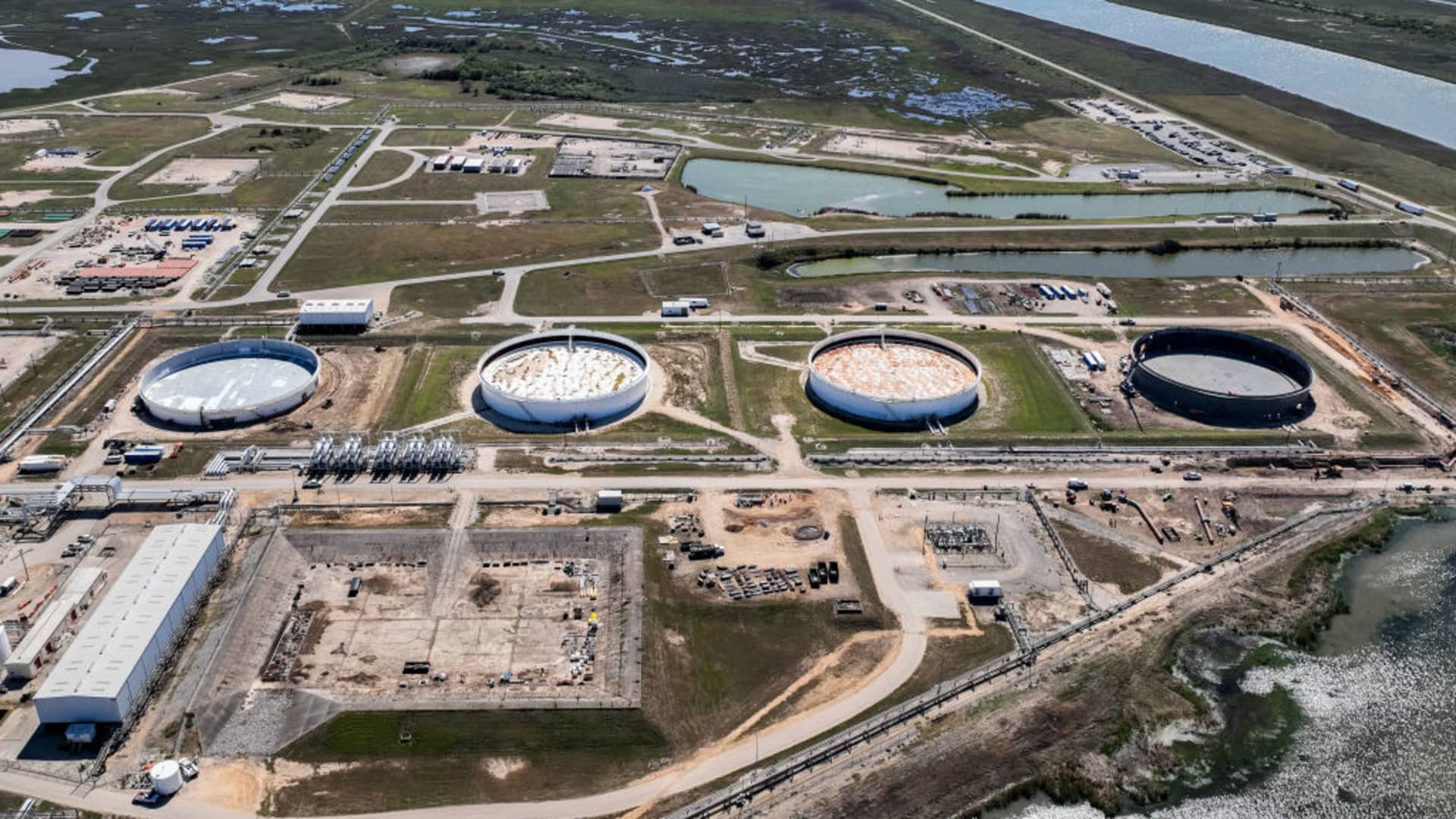
IEA Releases Emergency Oil Reserves Amid Supply Shock


- Emergency Oil Release: The IEA member countries are releasing 400 million barrels of oil in response to the Strait of Hormuz supply shock, with the U.S. contributing 172 million barrels, which may increase household expenses as oil prices rally again.
- Market Reaction: Stock futures are lower this morning due to rising oil prices, reflecting market concerns about the ongoing Iran conflict, and until there is evidence of resolution, the risk of elevated oil prices remains.
- Layoffs and Investment: Atlassian announced a 10% workforce reduction, equating to about 1,600 employees, with the CEO stating this will help self-fund further investments in AI and enterprise sales, highlighting challenges in the traditional software model.
- Private Fund Restrictions: Morgan Stanley and Cliffwater have restricted withdrawals on private credit funds, with Morgan Stanley fulfilling less than half of an 11% redemption request on an $8 billion fund, indicating liquidity issues in the private credit market.

Middle East Conflict Drives Energy Prices Up

- Rising Energy Prices: The geopolitical conflict in the Middle East has caused significant volatility in energy markets, leading to rising oil and gas prices, which will materially benefit Devon Energy and Diamondback Energy, significantly increasing their revenues.
- Strong Production Figures: In Q4 2025, Devon Energy's total oil equivalent production averaged 850 MBoe per day, while Diamondback Energy's was 969 MBoe per day, allowing both companies to sell at higher price points and enhance profitability.
- Positive Market Reaction: As of now, Devon Energy's stock has risen approximately 19%, and Diamondback Energy's has increased by 18%, while the S&P 500 index has declined by about 1%, indicating strong market optimism towards these two companies.
- Caution on Risks: Despite the positive outlook, both companies hedge their exposure to energy prices, which may limit short-term benefits; if earnings fail to meet expectations, investor enthusiasm could quickly wane, necessitating careful risk management.

Analysis of Devon Energy and Diamondback Energy Prospects
- Production Performance: In Q4 2025, Devon Energy's total oil equivalent production averaged 850 MBoe per day, while Diamondback Energy's production reached 969 MBoe per day, indicating both companies' stable production capabilities in the U.S. that can capitalize on high oil prices for revenue growth.
- Market Reaction: As of now, Devon Energy's stock has risen approximately 19% year-to-date, while Diamondback Energy's stock is up about 18%, contrasting with the S&P 500's decline of about 1%, reflecting market optimism but also hinting at potential risks.
- Price Volatility Risks: Although higher energy prices benefit Devon and Diamondback, both companies' hedging strategies may limit short-term gains, and if earnings fall short of expectations, investor enthusiasm could quickly wane, leading to stock price fluctuations.
- Global Market Uncertainty: U.S. energy prices may diverge from global prices (like Brent crude), as historical data shows significant discrepancies between WTI and Brent, necessitating investor caution to avoid being misled during periods of heightened market sentiment.

US Stocks Decline Amid Multiple Pressures


- Stable Inflation Data: The US February CPI rose 2.4% year-over-year, with core CPI at 2.5%, indicating persistent inflation pressures that remain above the Fed's 2% target, potentially influencing future monetary policy decisions.
- Private Credit Market Constraints: JPMorgan Chase's restriction on lending to private credit funds hampers the $1.8 trillion private credit market amid investor exodus, which could exacerbate financial difficulties and impact overall market confidence.
- Mixed Tech Stock Performance: While Oracle surged over 10% due to strong earnings, other tech stocks like Amazon and Microsoft declined, indicating uneven support for the tech sector and potentially affecting investor sentiment towards technology investments.
- Oil Price Surge Impacting Markets: Oil prices rose by 4%, and despite the IEA's decision to release 400 million barrels from strategic reserves to address supply shortages, market reactions were muted, reflecting cautious investor sentiment regarding the oil market outlook.

Middle East Conflict Triggers Oil Price Volatility


- Oil Price Volatility: The geopolitical conflict in the Middle East has led to dramatic fluctuations in oil prices, and if prices stabilize around $100 per barrel, energy producers, particularly upstream companies like Devon Energy, are likely to see significant gains.
- Sector Response Variance: The energy sector is divided into upstream, midstream, and downstream segments, with upstream benefiting from high oil prices, midstream being less affected due to fee-driven models, and downstream facing cost pressures from rising oil prices.
- Devon Energy Performance: Devon Energy's stock price closely tracks oil price movements, and if prices continue to rise, its earnings are expected to improve significantly, indicating strong market confidence in its future performance.
- Cautious Investment Advice: While high oil prices can yield short-term benefits, historical trends show that prices eventually decline, prompting investors to exercise caution in the volatile energy sector, particularly regarding investments in pure upstream producers like Devon Energy.

Geopolitical Tensions Drive Oil Prices Higher
- Market Impact of Oil Volatility: Geopolitical conflicts in the Middle East have led to dramatic fluctuations in oil prices, and if prices stabilize around $100 per barrel, energy producers like Devon Energy are likely to emerge as market winners, enhancing their profitability.
- Sector Differentiation: The energy sector is divided into upstream, midstream, and downstream segments, with upstream benefiting from high oil prices, while midstream and downstream face pressures, particularly downstream chemical companies that encounter rising input costs.
- Devon Energy's Strong Performance: Devon Energy's stock price closely tracks oil price swings, and if oil prices remain elevated, its earnings are expected to significantly improve, even as investor sentiment in other sectors remains cautious.
- Cautious Investment Advice: While high oil prices offer short-term gains, historical volatility suggests that investors should tread carefully, especially considering ExxonMobil and Chevron's relative resilience during oil price declines.
IEA Releases Emergency Oil Reserves Amid Supply Shock
- Emergency Oil Release: The IEA member countries are releasing 400 million barrels of oil in response to the Strait of Hormuz supply shock, with the U.S. contributing 172 million barrels, which may increase household expenses as oil prices rally again.
- Market Reaction: Stock futures are lower this morning due to rising oil prices, reflecting market concerns about the ongoing Iran conflict, and until there is evidence of resolution, the risk of elevated oil prices remains.
- Layoffs and Investment: Atlassian announced a 10% workforce reduction, equating to about 1,600 employees, with the CEO stating this will help self-fund further investments in AI and enterprise sales, highlighting challenges in the traditional software model.
- Private Fund Restrictions: Morgan Stanley and Cliffwater have restricted withdrawals on private credit funds, with Morgan Stanley fulfilling less than half of an 11% redemption request on an $8 billion fund, indicating liquidity issues in the private credit market.
Middle East Conflict Drives Energy Prices Up
- Rising Energy Prices: The geopolitical conflict in the Middle East has caused significant volatility in energy markets, leading to rising oil and gas prices, which will materially benefit Devon Energy and Diamondback Energy, significantly increasing their revenues.
- Strong Production Figures: In Q4 2025, Devon Energy's total oil equivalent production averaged 850 MBoe per day, while Diamondback Energy's was 969 MBoe per day, allowing both companies to sell at higher price points and enhance profitability.
- Positive Market Reaction: As of now, Devon Energy's stock has risen approximately 19%, and Diamondback Energy's has increased by 18%, while the S&P 500 index has declined by about 1%, indicating strong market optimism towards these two companies.
- Caution on Risks: Despite the positive outlook, both companies hedge their exposure to energy prices, which may limit short-term benefits; if earnings fail to meet expectations, investor enthusiasm could quickly wane, necessitating careful risk management.
Analysis of Devon Energy and Diamondback Energy Prospects
- Production Performance: In Q4 2025, Devon Energy's total oil equivalent production averaged 850 MBoe per day, while Diamondback Energy's production reached 969 MBoe per day, indicating both companies' stable production capabilities in the U.S. that can capitalize on high oil prices for revenue growth.
- Market Reaction: As of now, Devon Energy's stock has risen approximately 19% year-to-date, while Diamondback Energy's stock is up about 18%, contrasting with the S&P 500's decline of about 1%, reflecting market optimism but also hinting at potential risks.
- Price Volatility Risks: Although higher energy prices benefit Devon and Diamondback, both companies' hedging strategies may limit short-term gains, and if earnings fall short of expectations, investor enthusiasm could quickly wane, leading to stock price fluctuations.
- Global Market Uncertainty: U.S. energy prices may diverge from global prices (like Brent crude), as historical data shows significant discrepancies between WTI and Brent, necessitating investor caution to avoid being misled during periods of heightened market sentiment.
US Stocks Decline Amid Multiple Pressures
- Stable Inflation Data: The US February CPI rose 2.4% year-over-year, with core CPI at 2.5%, indicating persistent inflation pressures that remain above the Fed's 2% target, potentially influencing future monetary policy decisions.
- Private Credit Market Constraints: JPMorgan Chase's restriction on lending to private credit funds hampers the $1.8 trillion private credit market amid investor exodus, which could exacerbate financial difficulties and impact overall market confidence.
- Mixed Tech Stock Performance: While Oracle surged over 10% due to strong earnings, other tech stocks like Amazon and Microsoft declined, indicating uneven support for the tech sector and potentially affecting investor sentiment towards technology investments.
- Oil Price Surge Impacting Markets: Oil prices rose by 4%, and despite the IEA's decision to release 400 million barrels from strategic reserves to address supply shortages, market reactions were muted, reflecting cautious investor sentiment regarding the oil market outlook.
Middle East Conflict Triggers Oil Price Volatility
- Oil Price Volatility: The geopolitical conflict in the Middle East has led to dramatic fluctuations in oil prices, and if prices stabilize around $100 per barrel, energy producers, particularly upstream companies like Devon Energy, are likely to see significant gains.
- Sector Response Variance: The energy sector is divided into upstream, midstream, and downstream segments, with upstream benefiting from high oil prices, midstream being less affected due to fee-driven models, and downstream facing cost pressures from rising oil prices.
- Devon Energy Performance: Devon Energy's stock price closely tracks oil price movements, and if prices continue to rise, its earnings are expected to improve significantly, indicating strong market confidence in its future performance.
- Cautious Investment Advice: While high oil prices can yield short-term benefits, historical trends show that prices eventually decline, prompting investors to exercise caution in the volatile energy sector, particularly regarding investments in pure upstream producers like Devon Energy.
Geopolitical Tensions Drive Oil Prices Higher
- Market Impact of Oil Volatility: Geopolitical conflicts in the Middle East have led to dramatic fluctuations in oil prices, and if prices stabilize around $100 per barrel, energy producers like Devon Energy are likely to emerge as market winners, enhancing their profitability.
- Sector Differentiation: The energy sector is divided into upstream, midstream, and downstream segments, with upstream benefiting from high oil prices, while midstream and downstream face pressures, particularly downstream chemical companies that encounter rising input costs.
- Devon Energy's Strong Performance: Devon Energy's stock price closely tracks oil price swings, and if oil prices remain elevated, its earnings are expected to significantly improve, even as investor sentiment in other sectors remains cautious.
- Cautious Investment Advice: While high oil prices offer short-term gains, historical volatility suggests that investors should tread carefully, especially considering ExxonMobil and Chevron's relative resilience during oil price declines.