CoreWeave's Revenue Growth Amid Market Decline

CoreWeave Inc's stock is down 5.02% in pre-market trading, crossing below its 5-day SMA, reflecting broader market weakness as the Nasdaq-100 and S&P 500 both decline significantly.
Despite the stock's decline, CoreWeave has reported impressive revenue growth, generating $223 million in 2023 with projections soaring to $5.1 billion by 2025, driven by partnerships with AI leaders like OpenAI, Meta, and Microsoft. This strong performance highlights the company's robust demand in the AI sector, even as it faces challenges from rising debt and negative cash flow.
The implications of CoreWeave's growth trajectory are significant, as it positions itself as a key player in the AI infrastructure market. However, investors should remain cautious due to the company's high debt levels and ongoing cash flow issues, which could impact its long-term sustainability.
Trade with 70% Backtested Accuracy
Analyst Views on CRWV

About CRWV
About the author

CoreWeave: The Future of AI Cloud Computing
- Significant Revenue Growth: CoreWeave's revenue surged by 110% year-over-year in Q4 2025, reaching $1.57 billion, indicating strong demand and an enhanced market position in the AI cloud computing sector.
- Massive Investment Strategy: The company invested nearly $3 billion in technology and infrastructure last year, accounting for 57% of its revenue, positioning itself for future AI data center opportunities despite current losses.
- Optimistic Profit Outlook: Analysts expect CoreWeave to achieve profitability within the next 2 to 5 years, as the AI data center industry is projected to grow at an average annual rate of over 27% through 2035, benefiting the company in the process.
- Market Dynamics Shift: As cost efficiencies improve, AI technology will become more affordable, likely attracting more customers, and investors may react to this potential shift before it becomes apparent, driving stock prices upward.

APLD Q3 Earnings Preview

- Earnings Release Date: APLD is set to announce its Q3 earnings on April 8, with market participants keenly awaiting insights into its financial performance amid the current economic climate.
- Expected Loss: Analysts forecast a loss of 21 cents per share for APLD this quarter, indicating challenges in profitability that could potentially dampen investor confidence.
- Revenue Expectations: The anticipated revenue of $78.48 million for the quarter suggests growth; however, it remains crucial to see if APLD can meet market expectations to maintain shareholder support.
- Lease Agreement Amendments: The recent amendments to data center lease agreements may impact operational costs and future financial performance, prompting investors to closely monitor the implications of these changes.
Data Center Financing Challenges and Opportunities

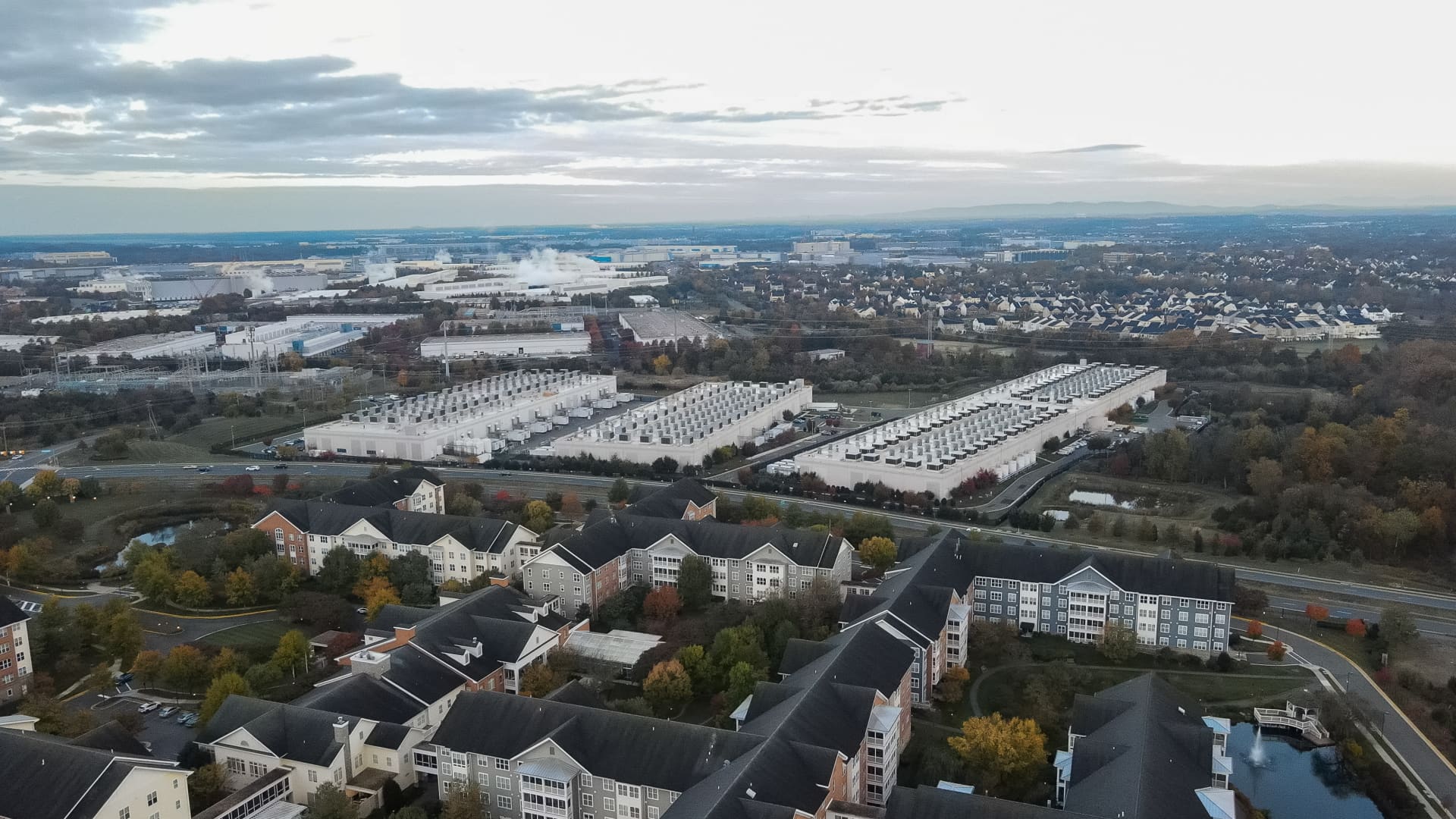
- Market Size Forecast: According to McKinsey, global spending on data centers could reach $7 trillion by 2030, indicating a shift in funding sources from hyperscalers to private equity and debt financing, which alters the financial landscape of the industry.
- Insurance Industry Pressure: Gallagher reports that the construction and operation of data centers have posed a 'real stress test' for major insurers over the past four to five years, particularly when investments exceed $20 billion at a single site, challenging the market's insurance capacity.
- Complex Financing Structures: With decreasing transparency in data center financing, Quinn Emanuel's Rana warns that current financing structures could expose downstream investors to second-order litigation risks, especially for pension funds and insurers unaware of concentration risks.
- GPU Lifecycle Issues: CoreWeave recently secured $8.5 billion in GPU-backed loans, yet the average GPU lifecycle of seven years contrasts sharply with the decades-long lifespan of data centers, creating potential risks in financing structures that could destabilize the industry.

AI Data Center Financing Trends Emerge
- Market Financing Shift: With global spending on data centers projected to reach $7 trillion by 2030, tech giants are increasingly turning to private credit and debt markets to finance the capital-intensive construction of these facilities, indicating a challenge and opportunity for traditional financing models.
- Insurance Industry Pressure: The construction of AI data centers poses a 'stress test' for insurers, as the concentration of high-value assets in specific areas complicates the ability to provide sufficient insurance capacity, particularly in high-wind risk zones.
- Custom Insurance Policies: Insurance brokers are forming specialized teams and bespoke policies to address the unique risks associated with data centers, especially the additional risks introduced during the import and storage of equipment, reflecting a growing demand for specialized services in the market.
- GPU Financing Risks: With CoreWeave securing $8.5 billion in GPU-backed loans, the 'GPU debt treadmill' issue highlights the mismatch between the short lifecycle of GPUs and the long-term lifespan of data centers, potentially leading to future financing risks.

CoreWeave Positions for Future AI Data Center Demand
- Market Demand Forecast: The artificial intelligence data center industry is projected to grow at an average annual rate of over 27% through 2035, particularly in the latter half, establishing a solid foundation for CoreWeave's long-term strategy.
- Revenue Growth: CoreWeave's revenue surged by 110% year-over-year in Q4 2025, reaching $1.57 billion, demonstrating strong performance in the cloud computing sector, despite still being in the red overall.
- Investment and Losses: Although CoreWeave reported a loss of $452 million in Q4 2025 and $1.17 billion for the entire year, its nearly $3 billion investment in technology and infrastructure accounted for 57% of revenue, indicating preparation for future market opportunities.
- Profitability Outlook: Analysts expect CoreWeave to achieve profitability within the next five years, and as technology becomes more efficient and cost-effective, it could attract a larger customer base, potentially driving up the company's stock price.
CoreWeave: The Future of AI Cloud Computing

- Significant Revenue Growth: CoreWeave's revenue surged by 110% year-over-year in Q4 2025, reaching $1.57 billion, indicating strong demand and an enhanced market position in the AI cloud computing sector.
- Ongoing Losses: Despite the revenue increase, CoreWeave reported a loss of $452 million in Q4 2025 and a total loss of $1.17 billion for the year, reflecting that high investments in technology and infrastructure have yet to yield profitability.
- Strategic Investment Positioning: The company spent nearly $3 billion on technology and infrastructure last year, accounting for 57% of its revenue, aiming to prepare for AI data center opportunities over the next two to five years, demonstrating a commitment to long-term growth.
- Optimistic Market Outlook: Analysts expect the AI data center industry to grow at an average annual rate of over 27% through 2035, with CoreWeave likely achieving profitability during this period, further solidifying its market position.
CoreWeave: The Future of AI Cloud Computing
- Significant Revenue Growth: CoreWeave's revenue surged by 110% year-over-year in Q4 2025, reaching $1.57 billion, indicating strong demand and an enhanced market position in the AI cloud computing sector.
- Massive Investment Strategy: The company invested nearly $3 billion in technology and infrastructure last year, accounting for 57% of its revenue, positioning itself for future AI data center opportunities despite current losses.
- Optimistic Profit Outlook: Analysts expect CoreWeave to achieve profitability within the next 2 to 5 years, as the AI data center industry is projected to grow at an average annual rate of over 27% through 2035, benefiting the company in the process.
- Market Dynamics Shift: As cost efficiencies improve, AI technology will become more affordable, likely attracting more customers, and investors may react to this potential shift before it becomes apparent, driving stock prices upward.
APLD Q3 Earnings Preview
- Earnings Release Date: APLD is set to announce its Q3 earnings on April 8, with market participants keenly awaiting insights into its financial performance amid the current economic climate.
- Expected Loss: Analysts forecast a loss of 21 cents per share for APLD this quarter, indicating challenges in profitability that could potentially dampen investor confidence.
- Revenue Expectations: The anticipated revenue of $78.48 million for the quarter suggests growth; however, it remains crucial to see if APLD can meet market expectations to maintain shareholder support.
- Lease Agreement Amendments: The recent amendments to data center lease agreements may impact operational costs and future financial performance, prompting investors to closely monitor the implications of these changes.
Data Center Financing Challenges and Opportunities
- Market Size Forecast: According to McKinsey, global spending on data centers could reach $7 trillion by 2030, indicating a shift in funding sources from hyperscalers to private equity and debt financing, which alters the financial landscape of the industry.
- Insurance Industry Pressure: Gallagher reports that the construction and operation of data centers have posed a 'real stress test' for major insurers over the past four to five years, particularly when investments exceed $20 billion at a single site, challenging the market's insurance capacity.
- Complex Financing Structures: With decreasing transparency in data center financing, Quinn Emanuel's Rana warns that current financing structures could expose downstream investors to second-order litigation risks, especially for pension funds and insurers unaware of concentration risks.
- GPU Lifecycle Issues: CoreWeave recently secured $8.5 billion in GPU-backed loans, yet the average GPU lifecycle of seven years contrasts sharply with the decades-long lifespan of data centers, creating potential risks in financing structures that could destabilize the industry.
AI Data Center Financing Trends Emerge
- Market Financing Shift: With global spending on data centers projected to reach $7 trillion by 2030, tech giants are increasingly turning to private credit and debt markets to finance the capital-intensive construction of these facilities, indicating a challenge and opportunity for traditional financing models.
- Insurance Industry Pressure: The construction of AI data centers poses a 'stress test' for insurers, as the concentration of high-value assets in specific areas complicates the ability to provide sufficient insurance capacity, particularly in high-wind risk zones.
- Custom Insurance Policies: Insurance brokers are forming specialized teams and bespoke policies to address the unique risks associated with data centers, especially the additional risks introduced during the import and storage of equipment, reflecting a growing demand for specialized services in the market.
- GPU Financing Risks: With CoreWeave securing $8.5 billion in GPU-backed loans, the 'GPU debt treadmill' issue highlights the mismatch between the short lifecycle of GPUs and the long-term lifespan of data centers, potentially leading to future financing risks.
CoreWeave Positions for Future AI Data Center Demand
- Market Demand Forecast: The artificial intelligence data center industry is projected to grow at an average annual rate of over 27% through 2035, particularly in the latter half, establishing a solid foundation for CoreWeave's long-term strategy.
- Revenue Growth: CoreWeave's revenue surged by 110% year-over-year in Q4 2025, reaching $1.57 billion, demonstrating strong performance in the cloud computing sector, despite still being in the red overall.
- Investment and Losses: Although CoreWeave reported a loss of $452 million in Q4 2025 and $1.17 billion for the entire year, its nearly $3 billion investment in technology and infrastructure accounted for 57% of revenue, indicating preparation for future market opportunities.
- Profitability Outlook: Analysts expect CoreWeave to achieve profitability within the next five years, and as technology becomes more efficient and cost-effective, it could attract a larger customer base, potentially driving up the company's stock price.
CoreWeave: The Future of AI Cloud Computing
- Significant Revenue Growth: CoreWeave's revenue surged by 110% year-over-year in Q4 2025, reaching $1.57 billion, indicating strong demand and an enhanced market position in the AI cloud computing sector.
- Ongoing Losses: Despite the revenue increase, CoreWeave reported a loss of $452 million in Q4 2025 and a total loss of $1.17 billion for the year, reflecting that high investments in technology and infrastructure have yet to yield profitability.
- Strategic Investment Positioning: The company spent nearly $3 billion on technology and infrastructure last year, accounting for 57% of its revenue, aiming to prepare for AI data center opportunities over the next two to five years, demonstrating a commitment to long-term growth.
- Optimistic Market Outlook: Analysts expect the AI data center industry to grow at an average annual rate of over 27% through 2035, with CoreWeave likely achieving profitability during this period, further solidifying its market position.