Carvana Reports Record Q1 Results Surpassing Expectations
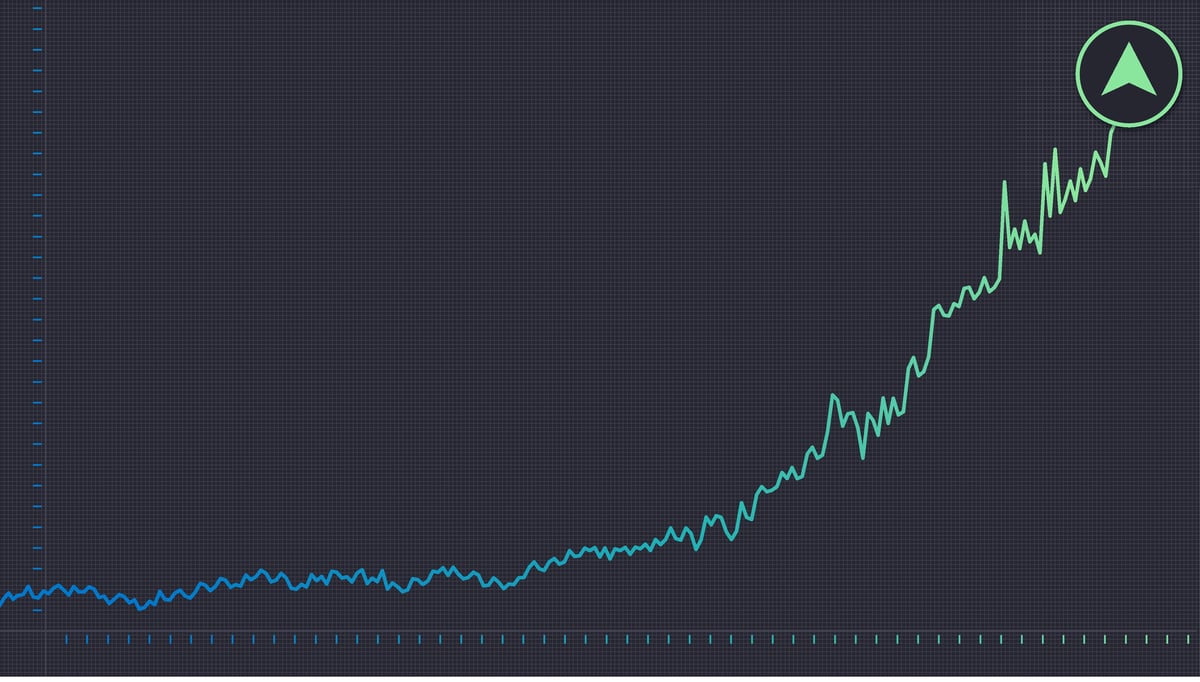
Carvana Co. shares rose by 5.04% as the stock crossed above the 5-day SMA, reflecting strong investor confidence.
The company reported record Q1 results, with retail sales reaching 187,393 units, a 40% year-over-year increase. Earnings per share of $1.69 exceeded expectations of $1.43, and revenue of $6.43 billion surpassed forecasts of $6.08 billion, showcasing robust profitability and growth momentum. Additionally, Carvana's adjusted EBITDA improved to $672 million, with net income rising to $405 million, indicating effective cost control and operational efficiency.
These results not only highlight Carvana's strong market position but also suggest potential for continued growth in the upcoming quarters, as the company anticipates further increases in retail units sold and adjusted EBITDA.
Trade with 70% Backtested Accuracy
Analyst Views on CVNA

About CVNA
About the author

Consumer Discretionary Sector Faces Profit Margin Erosion Amid Rising Energy Prices

- Surge in Energy Prices: Brent crude futures have jumped over 12% in the past month to $107.06 per barrel, creating dual pressures of rising logistics costs and reduced disposable income for households, which negatively impacts overall consumer spending.
- Erosion of Profit Margins: Many consumer companies are significantly affected by rising oil prices in 'last-mile' delivery and supply chain logistics, with Royal Caribbean expecting fuel costs to exceed previous forecasts by about $1.3 billion, forcing firms to choose between raising prices or absorbing costs.
- Rising Inflation Expectations: A survey by the Federal Reserve Bank of Philadelphia indicates economists now project U.S. inflation to hit 6% in Q2, significantly higher than the 2.7% forecast three months ago, further exacerbating declines in consumer confidence.
- Market Sentiment Shift: The Invesco S&P 500 Equal Weight Consumer Discretionary ETF (RSPD) has retreated 13% from its January highs, reflecting a sharp shift in market sentiment, as while some companies like Amazon's cloud division perform well, their core retail operations are pressured by soaring fuel costs.

KLA Corp Announces 10-for-1 Stock Split

- Stock Split Announcement: KLA Corp's board approved a 10-for-1 stock split on May 7, set to take effect on June 11, reducing the share price from $1,869.19 to approximately $187, aimed at improving accessibility and liquidity to attract more retail investors.
- Historical Split Record: This marks KLA's sixth stock split since going public and the first since January 2000, demonstrating consistency in its capital allocation strategy while reflecting strong performance in the semiconductor market.
- Market Performance and Growth: Since 1994, KLA's total stock return has exceeded 51,100%, with significant increases since its IPO in 1980, showcasing its dominant position and sustained growth potential in the semiconductor process control market.
- Critical Role in AI Infrastructure: KLA's importance in semiconductor defect detection is increasingly vital as AI technology evolves, with its electron-beam inspection systems and optical solutions playing a crucial role in the build-out of AI data center infrastructure.

KLA Corp Announces 10-for-1 Stock Split to Enhance Accessibility
- Stock Split Announcement: KLA Corp's board approved a 10-for-1 stock split on May 7, set to take effect on June 11, which will reduce the share price from $1,869.19 to approximately $187, thereby enhancing accessibility and liquidity for retail investors.
- Market Position Strengthened: KLA holds over 50% of the semiconductor process control market, with its electron-beam inspection systems and optical solutions being critical for detecting manufacturing defects, ensuring the company plays a vital role in the rapidly evolving AI infrastructure build-out.
- Outstanding Historical Performance: Since 1994, KLA's total return has exceeded 51,100%, reflecting its strong performance in the semiconductor industry and sustained market demand, further solidifying its position as an industry leader.
- Capital Return Program: KLA has increased its dividend for 17 consecutive years and recently announced a $7 billion share repurchase program, demonstrating the company's commitment to shareholders and confidence in future growth.

Carvana Implements 5-for-1 Stock Split

- Stock Split Implementation: Carvana officially executed its 5-for-1 stock split yesterday, starting trading today at a split-adjusted price, with shares dropping from around $400 to approximately $80, aimed at enhancing stock accessibility and boosting team member confidence in ownership.
- Historic First Split: This marks Carvana's first stock split in history, with CFO Mark Jenkins stating that the move is intended to maintain stock accessibility after the company achieved new records in units and profitability, reflecting its continued leadership position in industry growth through 2025.
- Price Performance Review: Carvana's stock skyrocketed from less than $1 at the end of 2022 to over $77 post-split, demonstrating a remarkable recovery following bankruptcy, driven by soaring used car prices and increased sales.
- Market Environment Analysis: While Carvana trades at a high earnings multiple, the current market environment remains favorable for used vehicles; however, elevated gas prices may start to exert pressure on used car prices, prompting investors to cautiously assess future profitability.

Stock Performance Comparison: UNP vs. CVNA

- Stock Performance Comparison: As of midday Thursday, UNP is down approximately 0.1%, while CVNA is up about 1.3%, indicating differing market performances that could influence investor decisions and market sentiment.
- Market Dynamics Analysis: The slight decline in UNP may reflect cautious market sentiment regarding its future growth, whereas the rise in CVNA could be linked to recent business performance or improved market expectations, prompting investors to monitor industry dynamics.
- Investor Sentiment Shift: The contrasting movements of UNP's slight decline and CVNA's increase may lead investors to reassess their portfolios, especially in the current economic climate where sensitivity to risk may be heightened.
- Industry Trend Observation: The performance disparity between the two stocks may reflect broader industry trends, and investors should pay attention to related market factors to make more informed investment decisions.

Carvana's First Forward Stock Split Sparks Investor Interest
- Significant Price Surge: Carvana's stock skyrocketed from an all-time low of $3.72 in December 2022 to $379, reflecting a staggering 10,091% increase, showcasing the success of its online used-car sales model and attracting investor interest.
- First Forward Split: Announced on March 13, Carvana's 5-for-1 forward stock split aims to enhance stock accessibility for all team members while lowering the purchase threshold for retail investors, with an expected post-split price around $76.
- Remarkable Sales Growth: Carvana achieved a 49% sales growth last year, contrasting sharply with its main competitor CarMax's low single-digit growth, indicating Carvana's competitive edge and growth potential in the market.
- Shift to Profitability: With nearly $1.9 billion in net income last year, bolstered by tax benefits, Carvana's high valuation premium raises caution among investors, as companies with inflated valuations are often hit hardest during market downturns.
Consumer Discretionary Sector Faces Profit Margin Erosion Amid Rising Energy Prices
- Surge in Energy Prices: Brent crude futures have jumped over 12% in the past month to $107.06 per barrel, creating dual pressures of rising logistics costs and reduced disposable income for households, which negatively impacts overall consumer spending.
- Erosion of Profit Margins: Many consumer companies are significantly affected by rising oil prices in 'last-mile' delivery and supply chain logistics, with Royal Caribbean expecting fuel costs to exceed previous forecasts by about $1.3 billion, forcing firms to choose between raising prices or absorbing costs.
- Rising Inflation Expectations: A survey by the Federal Reserve Bank of Philadelphia indicates economists now project U.S. inflation to hit 6% in Q2, significantly higher than the 2.7% forecast three months ago, further exacerbating declines in consumer confidence.
- Market Sentiment Shift: The Invesco S&P 500 Equal Weight Consumer Discretionary ETF (RSPD) has retreated 13% from its January highs, reflecting a sharp shift in market sentiment, as while some companies like Amazon's cloud division perform well, their core retail operations are pressured by soaring fuel costs.
KLA Corp Announces 10-for-1 Stock Split
- Stock Split Announcement: KLA Corp's board approved a 10-for-1 stock split on May 7, set to take effect on June 11, reducing the share price from $1,869.19 to approximately $187, aimed at improving accessibility and liquidity to attract more retail investors.
- Historical Split Record: This marks KLA's sixth stock split since going public and the first since January 2000, demonstrating consistency in its capital allocation strategy while reflecting strong performance in the semiconductor market.
- Market Performance and Growth: Since 1994, KLA's total stock return has exceeded 51,100%, with significant increases since its IPO in 1980, showcasing its dominant position and sustained growth potential in the semiconductor process control market.
- Critical Role in AI Infrastructure: KLA's importance in semiconductor defect detection is increasingly vital as AI technology evolves, with its electron-beam inspection systems and optical solutions playing a crucial role in the build-out of AI data center infrastructure.
KLA Corp Announces 10-for-1 Stock Split to Enhance Accessibility
- Stock Split Announcement: KLA Corp's board approved a 10-for-1 stock split on May 7, set to take effect on June 11, which will reduce the share price from $1,869.19 to approximately $187, thereby enhancing accessibility and liquidity for retail investors.
- Market Position Strengthened: KLA holds over 50% of the semiconductor process control market, with its electron-beam inspection systems and optical solutions being critical for detecting manufacturing defects, ensuring the company plays a vital role in the rapidly evolving AI infrastructure build-out.
- Outstanding Historical Performance: Since 1994, KLA's total return has exceeded 51,100%, reflecting its strong performance in the semiconductor industry and sustained market demand, further solidifying its position as an industry leader.
- Capital Return Program: KLA has increased its dividend for 17 consecutive years and recently announced a $7 billion share repurchase program, demonstrating the company's commitment to shareholders and confidence in future growth.
Carvana Implements 5-for-1 Stock Split
- Stock Split Implementation: Carvana officially executed its 5-for-1 stock split yesterday, starting trading today at a split-adjusted price, with shares dropping from around $400 to approximately $80, aimed at enhancing stock accessibility and boosting team member confidence in ownership.
- Historic First Split: This marks Carvana's first stock split in history, with CFO Mark Jenkins stating that the move is intended to maintain stock accessibility after the company achieved new records in units and profitability, reflecting its continued leadership position in industry growth through 2025.
- Price Performance Review: Carvana's stock skyrocketed from less than $1 at the end of 2022 to over $77 post-split, demonstrating a remarkable recovery following bankruptcy, driven by soaring used car prices and increased sales.
- Market Environment Analysis: While Carvana trades at a high earnings multiple, the current market environment remains favorable for used vehicles; however, elevated gas prices may start to exert pressure on used car prices, prompting investors to cautiously assess future profitability.
Stock Performance Comparison: UNP vs. CVNA
- Stock Performance Comparison: As of midday Thursday, UNP is down approximately 0.1%, while CVNA is up about 1.3%, indicating differing market performances that could influence investor decisions and market sentiment.
- Market Dynamics Analysis: The slight decline in UNP may reflect cautious market sentiment regarding its future growth, whereas the rise in CVNA could be linked to recent business performance or improved market expectations, prompting investors to monitor industry dynamics.
- Investor Sentiment Shift: The contrasting movements of UNP's slight decline and CVNA's increase may lead investors to reassess their portfolios, especially in the current economic climate where sensitivity to risk may be heightened.
- Industry Trend Observation: The performance disparity between the two stocks may reflect broader industry trends, and investors should pay attention to related market factors to make more informed investment decisions.
Carvana's First Forward Stock Split Sparks Investor Interest
- Significant Price Surge: Carvana's stock skyrocketed from an all-time low of $3.72 in December 2022 to $379, reflecting a staggering 10,091% increase, showcasing the success of its online used-car sales model and attracting investor interest.
- First Forward Split: Announced on March 13, Carvana's 5-for-1 forward stock split aims to enhance stock accessibility for all team members while lowering the purchase threshold for retail investors, with an expected post-split price around $76.
- Remarkable Sales Growth: Carvana achieved a 49% sales growth last year, contrasting sharply with its main competitor CarMax's low single-digit growth, indicating Carvana's competitive edge and growth potential in the market.
- Shift to Profitability: With nearly $1.9 billion in net income last year, bolstered by tax benefits, Carvana's high valuation premium raises caution among investors, as companies with inflated valuations are often hit hardest during market downturns.