Cameco Signs $1.9 Billion Uranium Supply Deal with India
Cameco Corp's stock fell 5.01% as it crossed below the 5-day SMA amid broader market declines, with the Nasdaq-100 down 0.40% and the S&P 500 down 0.66%.
The company has signed a significant $1.9 billion nuclear fuel supply agreement with India's Department of Atomic Energy, committing to deliver nearly 22 million pounds of uranium ore concentrate over nine years. This deal is part of India's ambitious nuclear expansion plans, aiming for a nuclear capacity of 100 GW by 2047, and highlights Cameco's strong position in the global uranium market. The agreement is expected to tighten future uranium supply, reinforcing market expectations of a structurally constrained sector.
This strategic partnership not only strengthens Cameco's revenue stream but also aligns with India's energy security goals, potentially impacting global uranium pricing dynamics as demand rises. The market's reaction to this news, however, was overshadowed by broader market weakness.
Trade with 70% Backtested Accuracy
Analyst Views on CCJ

About CCJ
About the author


Nuclear Energy Market Revival and Investment Opportunities

- Nuclear Demand Surge: The International Atomic Energy Agency forecasts that nuclear power production will double between 2024 and 2050, indicating a rapid resurgence in nuclear energy demand as renewables struggle to meet global energy needs.
- Uranium Supplier Advantage: Cameco, a leading uranium supplier, holds over 400 million pounds of uranium reserves and sold 21 million pounds last year, generating nearly $3.5 billion in revenue and approximately $600 million in net income, positioning it strongly for future demand growth.
- Vistra's Nuclear Investment: Vistra has secured a 20-year agreement with Meta Platforms to supply 2,600 megawatts of nuclear power, highlighting its strategic shift towards nuclear energy and expected to enhance its market competitiveness and revenue streams.
- Small Modular Reactor Potential: NuScale Power's 77-megawatt small modular reactor has received design approval from the U.S. Nuclear Regulatory Commission, with expectations of over 260 small reactors deployed by 2040, showcasing its potential and investment value in the nuclear energy market.
Nuclear Energy Revival: Key to Future Power Needs
- Surging Nuclear Demand: The International Atomic Energy Agency anticipates that nuclear power production will double between 2024 and 2050, driven by the urgent global energy needs, particularly from the rapid growth of AI data centers.
- Uranium Supply Advantage: Cameco, as a leading uranium supplier, sold 21 million pounds last year, generating nearly $3.5 billion in revenue and approximately $600 million in net income, with global uranium demand expected to rise from 70,000 metric tons to 150,000 metric tons by 2040, positioning Cameco favorably for this growth.
- Nuclear Investment Transformation: Vistra is significantly investing in nuclear power to meet long-term electricity supply agreements with major clients like Meta and Amazon, which is expected to enhance its market competitiveness and increase future revenue streams.
- Small Modular Reactor Prospects: NuScale Power's 77-megawatt small modular reactor has received design approval from the U.S. Nuclear Regulatory Commission, with over 260 small reactors expected to be deployed by 2040; despite profitability risks, its market potential is substantial, with analysts setting a target price of $18.68, indicating a 60% upside from current levels.
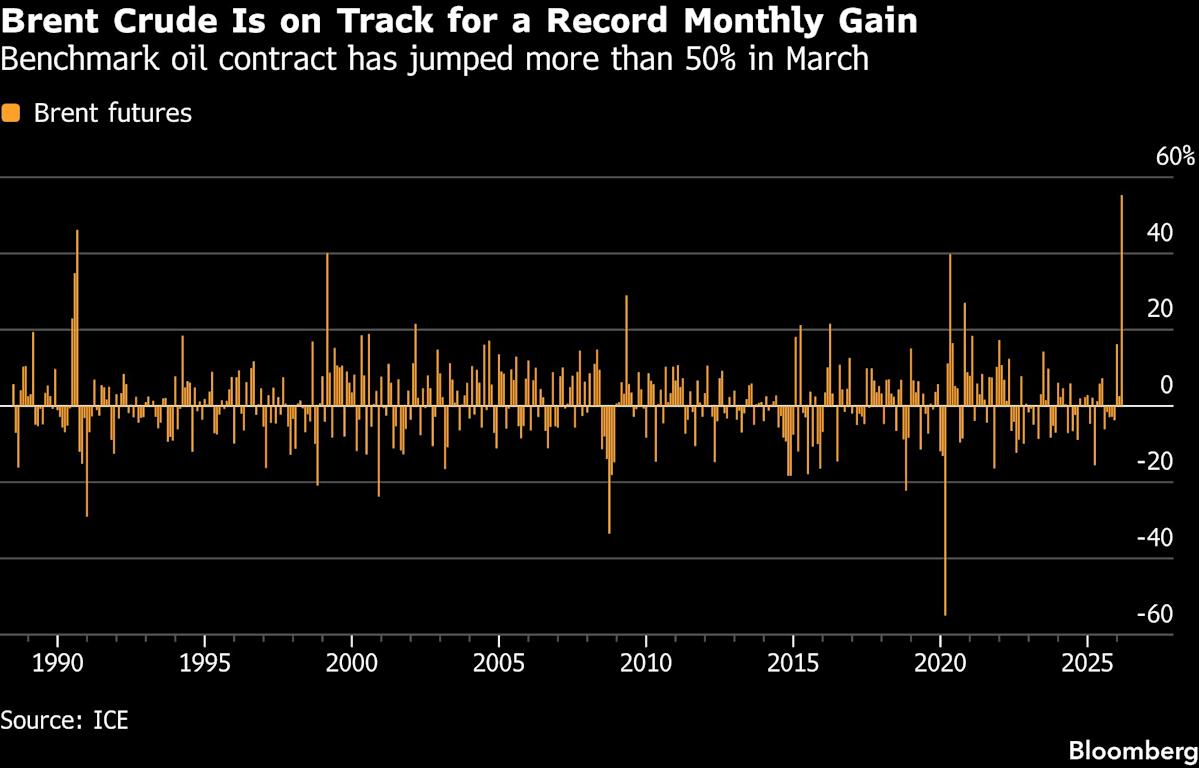
Middle East Conflict Drives Surge in Uranium Demand
- Global Energy Supply Crisis: The closure of the Strait of Hormuz impacts 20% of global oil supplies, prompting countries like Japan, South Korea, and India to accelerate nuclear energy investments to reduce reliance on oil and gas, highlighting the importance of energy independence.
- Uranium Production Growth: Cameco, the world's second-largest uranium miner, is projected to produce 15% of global uranium in 2025, with high-grade mines like McArthur River and Cigar Lake supplying fuel for India's reactors, further solidifying its market position.
- Nuclear Project Expansion: Cameco signed a 22 million-pound uranium supply agreement with India, ensuring stable supply from 2027 to 2035, while benefiting from its 49% stake in Westinghouse, profiting from the construction of AP1000 reactors in China and the U.S.
- Strong Financial Performance: Cameco expects a 10% revenue increase to $3.48 billion in 2025, with adjusted net earnings per share (EPS) soaring by 114%, reflecting the company's significant role and profitability in the global nuclear renaissance.

Cameco's Strategic Position in Global Uranium Market
- Uranium Supply Agreement: Cameco signed a 22 million-pound uranium supply agreement with India, set to provide uranium for Indian reactors from 2027 to 2035, which will further solidify its leadership in the global uranium market and meet the rising demand for nuclear energy.
- Nuclear Construction Investment: Through its 49% stake in Westinghouse, Cameco is involved in the construction of China's AP1000 reactors, with 4 currently operational and 14 under construction, highlighting its strategic importance in the global nuclear energy landscape.
- Strong Financial Performance: In 2025, Cameco's revenue increased by 10% year-over-year to $3.48 billion, while adjusted earnings per share (EPS) surged by 114%, indicating the company's robust profitability and growth potential amid current energy market volatility.
- Energy Independence Trend: The conflict in the Middle East has exposed the fragility of modern energy markets, and as the world's second-largest uranium miner, Cameco is well-positioned to benefit from countries seeking more stable energy sources, with continued advantages expected in 2026 and beyond.
Uranium Market Competition: Cameco vs. Centrus
- Diverse Uranium Types: Uranium exists in various forms, including traditional yellowcake, low-enriched uranium (LEU), and high-assay low-enriched uranium (HALEU), with HALEU containing up to 20% U-235, highlighting the diverse fuel needs of the nuclear industry.
- Profitability Comparison: Among nearly a dozen nuclear stocks, only Cameco and Centrus Energy report positive GAAP profits and free cash flow, with Cameco focusing on uranium mining and refining while Centrus specializes in purchasing and enriching uranium, showcasing both complementarity and rivalry in the market.
- Financial Metrics Analysis: Cameco's price-to-earnings ratio stands at 104, with a price-to-free cash flow ratio of 60, and analysts expect its GAAP earnings to nearly double to $1.89 per share by 2027, while Centrus's earnings are projected to grow only 9% to $5.30 per share, indicating Cameco's stronger financial performance.
- Investment Outlook Assessment: Although neither company presents an obvious bargain, Cameco's superior free cash flow and growth potential, combined with secure access to uranium mining and the ability to build a competitive enrichment business, make it a more attractive investment choice.

Cameco vs. Centrus: Mining and Enrichment Dynamics
- Profitability Comparison: Cameco and Centrus Energy are the only two nuclear stocks generating positive GAAP profits and free cash flow, with Cameco's P/E ratio at 104 compared to Centrus's 45, indicating differing market expectations for the two companies.
- Future Growth Expectations: Analysts predict that by 2027, Cameco's GAAP earnings per share will nearly double to $1.89, while Centrus's earnings are expected to grow only 9% to $5.30, highlighting a significant disparity in future profitability between the two firms.
- Cash Flow Status: Despite Centrus's lower P/E ratio, Cameco boasts stronger free cash flow, providing greater flexibility for capital expenditures and future investments, thereby enhancing its competitive position in the market.
- Market Positioning and Strategy: With a 49% stake in Global Laser Enrichment, Cameco is developing a domestic uranium enrichment industry, which not only secures its position in the uranium supply chain but may also create competitive dynamics with Centrus, further influencing market structure.
Nuclear Energy Market Revival and Investment Opportunities
- Nuclear Demand Surge: The International Atomic Energy Agency forecasts that nuclear power production will double between 2024 and 2050, indicating a rapid resurgence in nuclear energy demand as renewables struggle to meet global energy needs.
- Uranium Supplier Advantage: Cameco, a leading uranium supplier, holds over 400 million pounds of uranium reserves and sold 21 million pounds last year, generating nearly $3.5 billion in revenue and approximately $600 million in net income, positioning it strongly for future demand growth.
- Vistra's Nuclear Investment: Vistra has secured a 20-year agreement with Meta Platforms to supply 2,600 megawatts of nuclear power, highlighting its strategic shift towards nuclear energy and expected to enhance its market competitiveness and revenue streams.
- Small Modular Reactor Potential: NuScale Power's 77-megawatt small modular reactor has received design approval from the U.S. Nuclear Regulatory Commission, with expectations of over 260 small reactors deployed by 2040, showcasing its potential and investment value in the nuclear energy market.
Nuclear Energy Revival: Key to Future Power Needs
- Surging Nuclear Demand: The International Atomic Energy Agency anticipates that nuclear power production will double between 2024 and 2050, driven by the urgent global energy needs, particularly from the rapid growth of AI data centers.
- Uranium Supply Advantage: Cameco, as a leading uranium supplier, sold 21 million pounds last year, generating nearly $3.5 billion in revenue and approximately $600 million in net income, with global uranium demand expected to rise from 70,000 metric tons to 150,000 metric tons by 2040, positioning Cameco favorably for this growth.
- Nuclear Investment Transformation: Vistra is significantly investing in nuclear power to meet long-term electricity supply agreements with major clients like Meta and Amazon, which is expected to enhance its market competitiveness and increase future revenue streams.
- Small Modular Reactor Prospects: NuScale Power's 77-megawatt small modular reactor has received design approval from the U.S. Nuclear Regulatory Commission, with over 260 small reactors expected to be deployed by 2040; despite profitability risks, its market potential is substantial, with analysts setting a target price of $18.68, indicating a 60% upside from current levels.
Middle East Conflict Drives Surge in Uranium Demand
- Global Energy Supply Crisis: The closure of the Strait of Hormuz impacts 20% of global oil supplies, prompting countries like Japan, South Korea, and India to accelerate nuclear energy investments to reduce reliance on oil and gas, highlighting the importance of energy independence.
- Uranium Production Growth: Cameco, the world's second-largest uranium miner, is projected to produce 15% of global uranium in 2025, with high-grade mines like McArthur River and Cigar Lake supplying fuel for India's reactors, further solidifying its market position.
- Nuclear Project Expansion: Cameco signed a 22 million-pound uranium supply agreement with India, ensuring stable supply from 2027 to 2035, while benefiting from its 49% stake in Westinghouse, profiting from the construction of AP1000 reactors in China and the U.S.
- Strong Financial Performance: Cameco expects a 10% revenue increase to $3.48 billion in 2025, with adjusted net earnings per share (EPS) soaring by 114%, reflecting the company's significant role and profitability in the global nuclear renaissance.
Cameco's Strategic Position in Global Uranium Market
- Uranium Supply Agreement: Cameco signed a 22 million-pound uranium supply agreement with India, set to provide uranium for Indian reactors from 2027 to 2035, which will further solidify its leadership in the global uranium market and meet the rising demand for nuclear energy.
- Nuclear Construction Investment: Through its 49% stake in Westinghouse, Cameco is involved in the construction of China's AP1000 reactors, with 4 currently operational and 14 under construction, highlighting its strategic importance in the global nuclear energy landscape.
- Strong Financial Performance: In 2025, Cameco's revenue increased by 10% year-over-year to $3.48 billion, while adjusted earnings per share (EPS) surged by 114%, indicating the company's robust profitability and growth potential amid current energy market volatility.
- Energy Independence Trend: The conflict in the Middle East has exposed the fragility of modern energy markets, and as the world's second-largest uranium miner, Cameco is well-positioned to benefit from countries seeking more stable energy sources, with continued advantages expected in 2026 and beyond.
Uranium Market Competition: Cameco vs. Centrus
- Diverse Uranium Types: Uranium exists in various forms, including traditional yellowcake, low-enriched uranium (LEU), and high-assay low-enriched uranium (HALEU), with HALEU containing up to 20% U-235, highlighting the diverse fuel needs of the nuclear industry.
- Profitability Comparison: Among nearly a dozen nuclear stocks, only Cameco and Centrus Energy report positive GAAP profits and free cash flow, with Cameco focusing on uranium mining and refining while Centrus specializes in purchasing and enriching uranium, showcasing both complementarity and rivalry in the market.
- Financial Metrics Analysis: Cameco's price-to-earnings ratio stands at 104, with a price-to-free cash flow ratio of 60, and analysts expect its GAAP earnings to nearly double to $1.89 per share by 2027, while Centrus's earnings are projected to grow only 9% to $5.30 per share, indicating Cameco's stronger financial performance.
- Investment Outlook Assessment: Although neither company presents an obvious bargain, Cameco's superior free cash flow and growth potential, combined with secure access to uranium mining and the ability to build a competitive enrichment business, make it a more attractive investment choice.
Cameco vs. Centrus: Mining and Enrichment Dynamics
- Profitability Comparison: Cameco and Centrus Energy are the only two nuclear stocks generating positive GAAP profits and free cash flow, with Cameco's P/E ratio at 104 compared to Centrus's 45, indicating differing market expectations for the two companies.
- Future Growth Expectations: Analysts predict that by 2027, Cameco's GAAP earnings per share will nearly double to $1.89, while Centrus's earnings are expected to grow only 9% to $5.30, highlighting a significant disparity in future profitability between the two firms.
- Cash Flow Status: Despite Centrus's lower P/E ratio, Cameco boasts stronger free cash flow, providing greater flexibility for capital expenditures and future investments, thereby enhancing its competitive position in the market.
- Market Positioning and Strategy: With a 49% stake in Global Laser Enrichment, Cameco is developing a domestic uranium enrichment industry, which not only secures its position in the uranium supply chain but may also create competitive dynamics with Centrus, further influencing market structure.