Burlington Stores Inc Faces Technical Setback Amid Mixed Market Signals

Burlington Stores Inc (BURL) has experienced a significant decline of 8.20% in pre-market trading, primarily driven by technical signals rather than any specific company news. The stock has crossed below its 5-day simple moving average (SMA), a bearish indicator that often leads traders to sell.
The broader market context shows major benchmarks trading sideways with mixed signals, with an average decline of around 0.15% for the session. This lack of clear direction in the market can exacerbate individual stock movements, particularly for those that are technically weak.
Despite Burlington's recent positive earnings report, which highlighted a 23% increase in net income and a raised EPS guidance, the stock's current movement reflects the influence of technical factors over the optimistic financial outlook. Investors are advised to monitor both technical indicators and market conditions closely.
Trade with 70% Backtested Accuracy
Analyst Views on BURL

About BURL
About the author

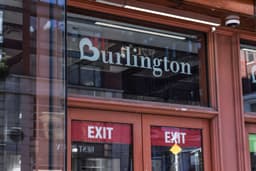
Burlington Stores to Release FY 2025 Results
- Earnings Release Schedule: Burlington Stores is set to announce its fourth quarter and fiscal year 2025 results before the U.S. market opens on March 5, 2026, which may influence investor confidence.
- Conference Call Details: The company will hold a conference call at 8:30 a.m. (Eastern Time) on the same day to discuss results, allowing investors to engage directly by dialing 1-800-715-9871, enhancing investor relations.
- Information Dissemination Channels: Burlington Stores will continue to utilize SEC filings, press releases, and webcasts to communicate material information, ensuring transparency and building investor trust.
- Social Media Engagement: The company encourages investors to follow its social media platforms for the latest updates and important information, further strengthening communication with customers and investors.

Tax Season Refund Growth Boosts Multiple Stocks

- Tax Refund Increase: As of February 13, the average tax refund stands at $2,476, reflecting a 14.2% year-over-year increase, which is expected to positively impact retail stocks, particularly enhancing spending power for low-income households.
- Stimulus Measures Impact: The provisions from the 'One Big Beautiful Bill Act' could provide an average of about $1,000 in stimulus per household, primarily from increased state and local tax deduction caps and a new deduction for overtime pay, leading to larger tax refunds and reduced tax payments.
- Retail Stock Benefits: Analysts highlight Ross Stores as a buy-rated stock that could benefit from increased tax refunds, given its ability to achieve outsized growth during economic volatility and significant new store growth potential, with shares surging nearly 12% this year.
- Consumer Spending Trends: Over a third of consumers plan to use their tax refunds to pay down debt, while 13% intend to save, which could positively impact stocks like Synchrony Financial, with analysts projecting a 25% upside potential from current levels.

Increased Tax Refunds Expected to Boost Retail Spending in 2026

- Increase in Refunds: The average individual tax refund in the U.S. rose to $2,290 in 2026 from $2,065 in 2025, marking an 11% increase, which will provide additional cash for budget-constrained households, likely driving retail spending.
- Impact of Stimulus Policies: Analysts predict that as the tax season progresses, the increase in refunds will widen, with households expected to receive approximately $1,000 in stimulus, directly influencing consumer spending behavior.
- Changing Spending Patterns: Lower and middle-income households tend to spend their refunds rather than save them, as evidenced by a 35% year-over-year increase in visits to the IRS website by February 6, indicating heightened awareness of refund amounts.
- Retail Market Outlook: Retailers catering to low-income consumers are expected to benefit the most in 2026, although inflation-driven budget constraints mean that spending will likely prioritize essentials before discretionary items.

Supreme Court Set to Rule on Tariff Authority


- Tariff Legality Review: The Supreme Court is poised to rule on the legality of tariffs imposed by President Trump under the International Emergency Economic Powers Act (IEEPA), which could significantly impact pricing and margin strategies for consumer giants like Costco and Procter & Gamble.
- Potential EBITDA Uplift: Morgan Stanley's analysis suggests that a rollback or limitation of IEEPA-based tariffs could lead to a mid-single-digit uplift in EBITDA for affected retailers, providing notable margin support amid economic pressures.
- Retailer Response Strategies: While awaiting the ruling, retailers such as Costco and Amazon are leveraging strong negotiating power and value-oriented business models to navigate tariff pressures, ensuring they protect consumer value even as costs rise.
- Optimistic Market Outlook: Despite tariffs remaining a defining feature of the trade landscape, analysts believe that consumer spending may receive additional support from tax refunds, making the retail and consumer staples sectors attractive investment opportunities.

Market Shift Sheds Light on AI Challenges: Reasons Behind Stock Struggles and 5 Key Updates for Today.


- S&P 500 Performance: The S&P 500 has been struggling to surpass the 7000 point mark.
- Historical Threshold: This round-number challenge has persisted since the index first tested this level in late October.

Eddie Bauer Files for Voluntary Chapter 11 Bankruptcy Protection Amid Operational Pressures


- Bankruptcy Filing: Eddie Bauer LLC announced on Monday that it has filed for voluntary Chapter 11 bankruptcy protection, primarily due to tariff uncertainty and mounting operational pressures, highlighting the severe financial challenges the company faces.
- Restructuring Agreement: The company has entered into a Restructuring Support Agreement with its secured lenders and commenced voluntary bankruptcy proceedings in the U.S. Bankruptcy Court for the District of New Jersey, aiming to maintain operations and seek a buyer through restructuring.
- Retail Operations Continuity: Despite entering bankruptcy, Eddie Bauer's stores in the U.S. and Canada will remain open for liquidation sales, maximizing asset value while searching for a going-concern buyer, indicating a strategic approach to asset management during financial distress.
- E-commerce Business Stability: Eddie Bauer's e-commerce and wholesale operations, which transitioned to Outdoor 5, LLC in January, remain unaffected by the bankruptcy process, suggesting that the company has managed to stabilize part of its business during this transition.
Burlington Stores to Release FY 2025 Results
- Earnings Release Schedule: Burlington Stores is set to announce its fourth quarter and fiscal year 2025 results before the U.S. market opens on March 5, 2026, which may influence investor confidence.
- Conference Call Details: The company will hold a conference call at 8:30 a.m. (Eastern Time) on the same day to discuss results, allowing investors to engage directly by dialing 1-800-715-9871, enhancing investor relations.
- Information Dissemination Channels: Burlington Stores will continue to utilize SEC filings, press releases, and webcasts to communicate material information, ensuring transparency and building investor trust.
- Social Media Engagement: The company encourages investors to follow its social media platforms for the latest updates and important information, further strengthening communication with customers and investors.
Tax Season Refund Growth Boosts Multiple Stocks
- Tax Refund Increase: As of February 13, the average tax refund stands at $2,476, reflecting a 14.2% year-over-year increase, which is expected to positively impact retail stocks, particularly enhancing spending power for low-income households.
- Stimulus Measures Impact: The provisions from the 'One Big Beautiful Bill Act' could provide an average of about $1,000 in stimulus per household, primarily from increased state and local tax deduction caps and a new deduction for overtime pay, leading to larger tax refunds and reduced tax payments.
- Retail Stock Benefits: Analysts highlight Ross Stores as a buy-rated stock that could benefit from increased tax refunds, given its ability to achieve outsized growth during economic volatility and significant new store growth potential, with shares surging nearly 12% this year.
- Consumer Spending Trends: Over a third of consumers plan to use their tax refunds to pay down debt, while 13% intend to save, which could positively impact stocks like Synchrony Financial, with analysts projecting a 25% upside potential from current levels.
Increased Tax Refunds Expected to Boost Retail Spending in 2026
- Increase in Refunds: The average individual tax refund in the U.S. rose to $2,290 in 2026 from $2,065 in 2025, marking an 11% increase, which will provide additional cash for budget-constrained households, likely driving retail spending.
- Impact of Stimulus Policies: Analysts predict that as the tax season progresses, the increase in refunds will widen, with households expected to receive approximately $1,000 in stimulus, directly influencing consumer spending behavior.
- Changing Spending Patterns: Lower and middle-income households tend to spend their refunds rather than save them, as evidenced by a 35% year-over-year increase in visits to the IRS website by February 6, indicating heightened awareness of refund amounts.
- Retail Market Outlook: Retailers catering to low-income consumers are expected to benefit the most in 2026, although inflation-driven budget constraints mean that spending will likely prioritize essentials before discretionary items.
Supreme Court Set to Rule on Tariff Authority
- Tariff Legality Review: The Supreme Court is poised to rule on the legality of tariffs imposed by President Trump under the International Emergency Economic Powers Act (IEEPA), which could significantly impact pricing and margin strategies for consumer giants like Costco and Procter & Gamble.
- Potential EBITDA Uplift: Morgan Stanley's analysis suggests that a rollback or limitation of IEEPA-based tariffs could lead to a mid-single-digit uplift in EBITDA for affected retailers, providing notable margin support amid economic pressures.
- Retailer Response Strategies: While awaiting the ruling, retailers such as Costco and Amazon are leveraging strong negotiating power and value-oriented business models to navigate tariff pressures, ensuring they protect consumer value even as costs rise.
- Optimistic Market Outlook: Despite tariffs remaining a defining feature of the trade landscape, analysts believe that consumer spending may receive additional support from tax refunds, making the retail and consumer staples sectors attractive investment opportunities.
Market Shift Sheds Light on AI Challenges: Reasons Behind Stock Struggles and 5 Key Updates for Today.
- S&P 500 Performance: The S&P 500 has been struggling to surpass the 7000 point mark.
- Historical Threshold: This round-number challenge has persisted since the index first tested this level in late October.
Eddie Bauer Files for Voluntary Chapter 11 Bankruptcy Protection Amid Operational Pressures
- Bankruptcy Filing: Eddie Bauer LLC announced on Monday that it has filed for voluntary Chapter 11 bankruptcy protection, primarily due to tariff uncertainty and mounting operational pressures, highlighting the severe financial challenges the company faces.
- Restructuring Agreement: The company has entered into a Restructuring Support Agreement with its secured lenders and commenced voluntary bankruptcy proceedings in the U.S. Bankruptcy Court for the District of New Jersey, aiming to maintain operations and seek a buyer through restructuring.
- Retail Operations Continuity: Despite entering bankruptcy, Eddie Bauer's stores in the U.S. and Canada will remain open for liquidation sales, maximizing asset value while searching for a going-concern buyer, indicating a strategic approach to asset management during financial distress.
- E-commerce Business Stability: Eddie Bauer's e-commerce and wholesale operations, which transitioned to Outdoor 5, LLC in January, remain unaffected by the bankruptcy process, suggesting that the company has managed to stabilize part of its business during this transition.