American Express Faces Price Target Cut Amid Strong Earnings Outlook
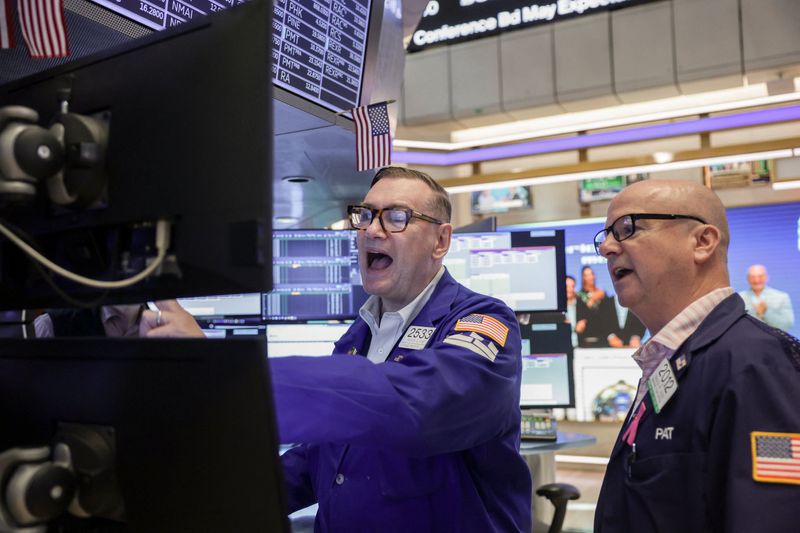
American Express Co (AXP) has seen its stock price decline by 3.00%, hitting a 20-day low amid broader market weakness, with the Nasdaq-100 down 0.67% and the S&P 500 down 0.29%.
The decline follows an analyst's price target adjustment, with Evercore ISI lowering the target from $400 to $393 while maintaining an In Line rating. Despite this, American Express projected strong earnings per share between $17.30 and $17.90 for 2026, exceeding analysts' average estimate of $17.41. The company is successfully attracting younger affluent customers, with spending by Gen Z and millennials surpassing that of Gen X for the first time, indicating a positive long-term trend.
This price target cut reflects updated earnings expectations but does not overshadow the company's strong appeal among high-income consumers, who continue to spend robustly despite broader economic challenges.
Trade with 70% Backtested Accuracy
Analyst Views on AXP

About AXP
About the author


Buffett's Investment Legacy Continues


- American Express Success: Buffett's investment in American Express since 1964, holding 22% of shares, has resulted in consistent profitability despite economic fluctuations, and is expected to continue generating substantial returns for Berkshire.
- Alphabet's Diversified Growth: Alphabet's annual revenue surged from $258 billion to nearly $403 billion over the past five years, with its core search engine and cloud services performing strongly, laying a solid foundation for future growth despite some businesses not yet being profitable.
- Apple's Market Leadership: With a market value exceeding $700 billion, Apple remains a significant holding for Berkshire, as its products and services continue to thrive, particularly in the services ecosystem, ensuring future growth potential.
- Coca-Cola's High-Profit Model: Coca-Cola operates with net profit margins in the mid-20% range and has consistently increased its dividends, earning the title of 'Dividend King', with a business model that relies on selling foundational syrups, ensuring stable cash flow and long-term investor returns.

Buffett's Recommended Investment Strategy


- Investment Philosophy: Buffett has successfully achieved a market-beating compounded annual gain over 60 years by identifying companies with competitive advantages and strong management, showcasing his investment acumen and long-term holding strategy.
- Recommended Asset: The investment Buffett frequently endorses is the S&P 500 index fund, which he believes offers non-professional investors exposure to a wide array of quality companies, with its low-cost nature making it particularly appealing.
- Long-Term Returns: Since its inception in the late 1950s, the S&P 500 has posted an average annual return of 10%, indicating that by investing in this ETF, investors can avoid the stress of stock selection and are likely to see wealth growth over the long term.
- Power of Compounding: Assuming an initial investment of $1,000 with an additional $300 monthly for 35 years, the investment could exceed $1 million, demonstrating the power of compounding and encouraging investors to adhere to a long-term investment strategy.

ASID Launches Purpose-Built Credit Card for Designers
- Credit Card Partnership: Mercantile has partnered with the American Society of Interior Designers (ASID) to launch the American Express® Business Card tailored for designers, aimed at addressing the cash flow needs of independent designers and small design firms, thereby enhancing their project expense management.
- Financial Tool Innovation: The new card offers flexible credit limits and reward mechanisms to help designers navigate complex project timelines and client payment cycles, thus improving operational efficiency and promoting sustainable growth.
- Industry Support: ASID President Khoi Vo emphasized that this partnership reflects ASID's commitment to strengthening the business side of design, highlighting the importance of providing designers with the right resources to focus on creating spaces that enhance people's lives.
- Market Expansion Plans: This ASID program marks the beginning of Mercantile's collaboration with various professional associations, with plans to roll out more credit card programs tailored to the unique needs of different professions, further supporting the growth of small businesses and entrepreneurs.

Analysis of XLF ETF's 52-Week Price Fluctuations

- Price Range Analysis: The XLF ETF's 52-week low is $47.67 per share and the high is $56.515, with the last trade at $51.88, indicating stability and potential investment appeal in the current market environment.
- Technical Analysis Tool: Comparing the latest share price to the 200-day moving average provides valuable insights for investors, helping to assess market trends and potential buy or sell opportunities.
- ETF Unit Trading Mechanism: Exchange-traded funds (ETFs) trade similarly to stocks, where investors are buying and selling 'units' that can be created or destroyed based on investor demand, impacting liquidity and market performance.
- Inflows and Outflows Monitoring: Weekly monitoring of changes in shares outstanding helps identify ETFs experiencing notable inflows (new units created) or outflows (old units destroyed), allowing for assessment of their impact on underlying assets and market dynamics.
Dow Jones Index Celebrates 130th Anniversary with Key Stock Insights


- Dow Component Changes: Since its establishment in 1896, the Dow Jones Index has seen significant changes in its components, with recent additions like Nvidia and Amazon reflecting economic evolution, shifting investor perception from traditional low-growth stocks to a modern blend of growth and value stocks.
- Nvidia's Dividend Surge: On May 20, Nvidia raised its quarterly dividend from $0.01 to $1 per share, a staggering 2400% increase, which, despite a current yield of only 0.5%, attracts investors seeking passive income and indicates a shift towards a more stable earnings model amid surging AI demand.
- Visa's Strong Financial Performance: Despite economic uncertainties, Visa achieved a 9% increase in payment volume in its latest quarter, with valuations at 30 times free cash flow and 29 times earnings, showcasing the resilience of its business model and providing a compelling buying opportunity for investors despite stock price declines.
- Procter & Gamble's Rising Dividend Yield: Procter & Gamble raised its dividend for the 70th consecutive year in April, with a current yield of 3%, and despite challenges in volume growth, its strong brand portfolio positions it as an ideal choice for risk-averse investors, trading at a P/E of just 21, below its 10-year average of 25.4.

Nvidia Makes Significant Dividend Increase
- Dividend Surge: Nvidia raised its quarterly dividend from $0.01 to $1 per share on May 20, marking a staggering 2,400% increase, which, despite a low yield of 0.5%, makes it more attractive for investors seeking passive income.
- Market Share Expansion: Nvidia has broadened its market share in data centers by delivering new rack-scale solutions, including multi-chip systems to Anthropic, OpenAI, Oracle, and SpaceX on May 18, indicating strong growth potential amid surging AI demand.
- Visa Investment Opportunity: Despite a 6.2% decline in Visa's stock year-to-date, its reasonable valuation at 30 times free cash flow and 29 times earnings presents an excellent buying opportunity, with double-digit revenue and earnings growth reflecting its robust business model.
- Procter & Gamble Stability: Procter & Gamble raised its dividend for the 70th consecutive year in April, and despite sluggish volume growth leading to a mere 4.7% stock price increase over five years, its 21 times earnings valuation remains attractive for risk-averse investors.
Buffett's Investment Legacy Continues
- American Express Success: Buffett's investment in American Express since 1964, holding 22% of shares, has resulted in consistent profitability despite economic fluctuations, and is expected to continue generating substantial returns for Berkshire.
- Alphabet's Diversified Growth: Alphabet's annual revenue surged from $258 billion to nearly $403 billion over the past five years, with its core search engine and cloud services performing strongly, laying a solid foundation for future growth despite some businesses not yet being profitable.
- Apple's Market Leadership: With a market value exceeding $700 billion, Apple remains a significant holding for Berkshire, as its products and services continue to thrive, particularly in the services ecosystem, ensuring future growth potential.
- Coca-Cola's High-Profit Model: Coca-Cola operates with net profit margins in the mid-20% range and has consistently increased its dividends, earning the title of 'Dividend King', with a business model that relies on selling foundational syrups, ensuring stable cash flow and long-term investor returns.
Buffett's Recommended Investment Strategy
- Investment Philosophy: Buffett has successfully achieved a market-beating compounded annual gain over 60 years by identifying companies with competitive advantages and strong management, showcasing his investment acumen and long-term holding strategy.
- Recommended Asset: The investment Buffett frequently endorses is the S&P 500 index fund, which he believes offers non-professional investors exposure to a wide array of quality companies, with its low-cost nature making it particularly appealing.
- Long-Term Returns: Since its inception in the late 1950s, the S&P 500 has posted an average annual return of 10%, indicating that by investing in this ETF, investors can avoid the stress of stock selection and are likely to see wealth growth over the long term.
- Power of Compounding: Assuming an initial investment of $1,000 with an additional $300 monthly for 35 years, the investment could exceed $1 million, demonstrating the power of compounding and encouraging investors to adhere to a long-term investment strategy.
ASID Launches Purpose-Built Credit Card for Designers
- Credit Card Partnership: Mercantile has partnered with the American Society of Interior Designers (ASID) to launch the American Express® Business Card tailored for designers, aimed at addressing the cash flow needs of independent designers and small design firms, thereby enhancing their project expense management.
- Financial Tool Innovation: The new card offers flexible credit limits and reward mechanisms to help designers navigate complex project timelines and client payment cycles, thus improving operational efficiency and promoting sustainable growth.
- Industry Support: ASID President Khoi Vo emphasized that this partnership reflects ASID's commitment to strengthening the business side of design, highlighting the importance of providing designers with the right resources to focus on creating spaces that enhance people's lives.
- Market Expansion Plans: This ASID program marks the beginning of Mercantile's collaboration with various professional associations, with plans to roll out more credit card programs tailored to the unique needs of different professions, further supporting the growth of small businesses and entrepreneurs.
Analysis of XLF ETF's 52-Week Price Fluctuations
- Price Range Analysis: The XLF ETF's 52-week low is $47.67 per share and the high is $56.515, with the last trade at $51.88, indicating stability and potential investment appeal in the current market environment.
- Technical Analysis Tool: Comparing the latest share price to the 200-day moving average provides valuable insights for investors, helping to assess market trends and potential buy or sell opportunities.
- ETF Unit Trading Mechanism: Exchange-traded funds (ETFs) trade similarly to stocks, where investors are buying and selling 'units' that can be created or destroyed based on investor demand, impacting liquidity and market performance.
- Inflows and Outflows Monitoring: Weekly monitoring of changes in shares outstanding helps identify ETFs experiencing notable inflows (new units created) or outflows (old units destroyed), allowing for assessment of their impact on underlying assets and market dynamics.
Dow Jones Index Celebrates 130th Anniversary with Key Stock Insights
- Dow Component Changes: Since its establishment in 1896, the Dow Jones Index has seen significant changes in its components, with recent additions like Nvidia and Amazon reflecting economic evolution, shifting investor perception from traditional low-growth stocks to a modern blend of growth and value stocks.
- Nvidia's Dividend Surge: On May 20, Nvidia raised its quarterly dividend from $0.01 to $1 per share, a staggering 2400% increase, which, despite a current yield of only 0.5%, attracts investors seeking passive income and indicates a shift towards a more stable earnings model amid surging AI demand.
- Visa's Strong Financial Performance: Despite economic uncertainties, Visa achieved a 9% increase in payment volume in its latest quarter, with valuations at 30 times free cash flow and 29 times earnings, showcasing the resilience of its business model and providing a compelling buying opportunity for investors despite stock price declines.
- Procter & Gamble's Rising Dividend Yield: Procter & Gamble raised its dividend for the 70th consecutive year in April, with a current yield of 3%, and despite challenges in volume growth, its strong brand portfolio positions it as an ideal choice for risk-averse investors, trading at a P/E of just 21, below its 10-year average of 25.4.
Nvidia Makes Significant Dividend Increase
- Dividend Surge: Nvidia raised its quarterly dividend from $0.01 to $1 per share on May 20, marking a staggering 2,400% increase, which, despite a low yield of 0.5%, makes it more attractive for investors seeking passive income.
- Market Share Expansion: Nvidia has broadened its market share in data centers by delivering new rack-scale solutions, including multi-chip systems to Anthropic, OpenAI, Oracle, and SpaceX on May 18, indicating strong growth potential amid surging AI demand.
- Visa Investment Opportunity: Despite a 6.2% decline in Visa's stock year-to-date, its reasonable valuation at 30 times free cash flow and 29 times earnings presents an excellent buying opportunity, with double-digit revenue and earnings growth reflecting its robust business model.
- Procter & Gamble Stability: Procter & Gamble raised its dividend for the 70th consecutive year in April, and despite sluggish volume growth leading to a mere 4.7% stock price increase over five years, its 21 times earnings valuation remains attractive for risk-averse investors.