Zelle Launches Innovation Agenda to Expand Payment Capabilities
Written by Emily J. Thompson, Senior Investment Analyst
Updated: Mar 12 2026
0mins
Should l Buy BAC?
Source: Newsfilter
- Charitable Donation Innovation: Zelle partners with Bank of America to launch a first-of-its-kind charitable disbursement feature, enabling nonprofits to receive donations in real-time, replacing the traditional multi-week paper process, thereby enhancing fund flow efficiency and helping organizations access resources more quickly in emergencies.
- Significant Market Potential: Americans send over $1.2 trillion annually through Zelle, highlighting its importance in everyday payments, and the new charitable donation feature will further expand Zelle's use cases, enhancing its competitive position in the market.
- Rapid Response Capability: With Zelle's digital payments, donors can swiftly transfer funds to nonprofits, especially during natural disasters and community crises, ensuring timely funding that enhances nonprofits' service capabilities and responsiveness.
- Commitment to Ongoing Innovation: Zelle plans to continue exploring additional innovations throughout 2026, ensuring the platform's ongoing development aligns with consumer needs, further driving the digital payment transformation in the American economy.
Trade with 70% Backtested Accuracy
Stop guessing "Should I Buy BAC?" and start using high-conviction signals backed by rigorous historical data.
Sign up today to access powerful investing tools and make smarter, data-driven decisions.
Analyst Views on BAC
Wall Street analysts forecast BAC stock price to rise
19 Analyst Rating
15 Buy
4 Hold
0 Sell
Strong Buy
Current: 49.270

Low
55.00
Averages
61.64
High
71.00
Current: 49.270
Low
55.00
Averages
61.64
High
71.00
About BAC
Bank of America Corporation is a bank holding company and a financial holding company. Its segments include Consumer Banking, Global Wealth & Investment Management (GWIM), Global Banking and Global Markets. Consumer Banking segment offers a range of credit, banking and investment products and services to consumers and small businesses. The GWIM includes two businesses: Merrill Wealth Management, which provides tailored solutions to meet clients' needs through a full set of investment management, brokerage, banking and retirement products and Bank of America Private Bank, which provides comprehensive wealth management solutions. Global Banking segment provides a range of lending-related products and services, integrated working capital management and treasury solutions, and underwriting and advisory services. Global Markets segment offers sales and trading services and research services to institutional clients across fixed-income, credit, currency, commodity, and equity businesses.
About the author

Emily J. Thompson
Emily J. Thompson, a Chartered Financial Analyst (CFA) with 12 years in investment research, graduated with honors from the Wharton School. Specializing in industrial and technology stocks, she provides in-depth analysis for Intellectia’s earnings and market brief reports.

Global Energy Market Faces Structural Crisis Amid Middle East Conflict


- Strait of Hormuz Oil Flow Collapse: According to BofA Global Research, oil and product movements through the Strait of Hormuz have plummeted from approximately 20 million barrels per day to under 2 million barrels per day, and if this situation persists for several weeks, the global supply chain risks a breakdown reminiscent of the energy crises of the 1970s.
- Price Restructuring and Supply Deficit: Although global oil prices have not yet fully reflected the magnitude of this shock, BofA has revised its baseline forecasts, now projecting a massive 4 million barrels per day supply deficit for Q2 2026 and raising its Brent crude average forecast to $92.50 per barrel, indicating a growing divergence between producers and consumers.
- Rising Demand Rationing Risks: The lack of immediate alternatives to oil, especially in transportation and petrochemical sectors, poses significant risks of demand rationing, with BofA analysts warning that if the conflict extends beyond 2 to 4 weeks, the global oil supply chain may reach a breaking point, necessitating mandatory reductions in energy consumption to balance the market.
- Monitoring for International Intervention: Markets are closely monitoring whether emergency international intervention can restore maritime security before inventory buffers in consuming nations are completely exhausted, as the dual pressures of high energy costs and the inability to transport products create a stagflationary drag on global growth.
See More
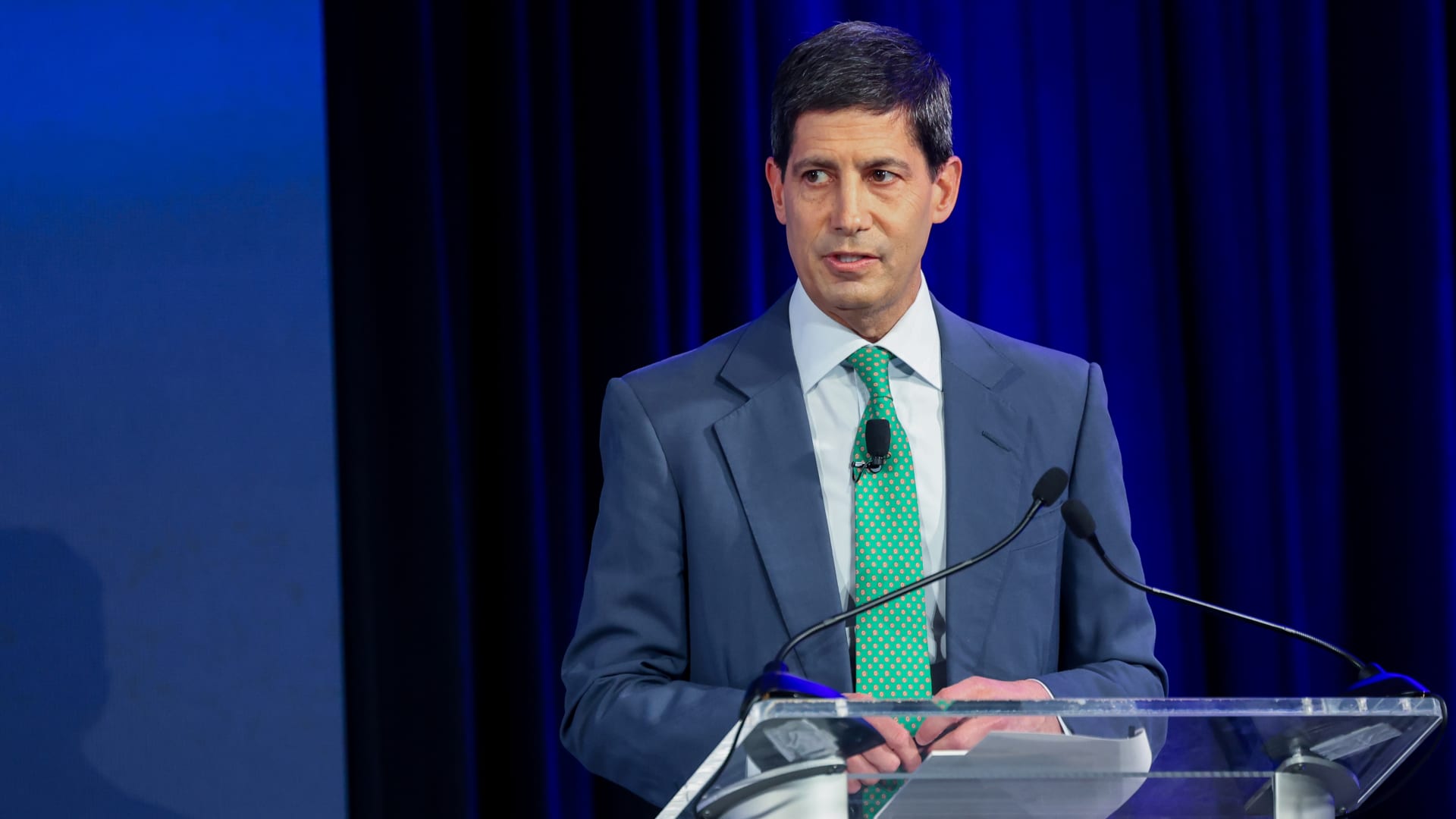
Kevin Warsh Nominated for Federal Reserve Chair Amid Controversy

- Hearing Scheduled: The Senate Banking Committee will hold a nomination hearing for Kevin Warsh on April 16, despite ongoing criminal investigations into the Federal Reserve, highlighting the complexities faced by the Trump administration in navigating this situation.
- Investigation's Impact on Nomination: Senator Thom Tillis has stated he will not vote to confirm Warsh until the investigation is resolved, indicating a conflict between Trump's push for the nomination and the need to maintain the Fed's independence.
- Controversy Over Fed Independence: Current Fed Chair Jerome Powell is under investigation for allegedly lying to Congress, which he claims is an attempt to pressure him into lowering interest rates, underscoring the vulnerabilities of the Fed under political scrutiny.
- Judicial Intervention and Investigation Status: Federal Judge James Boasberg has denied the government's motion regarding subpoenas related to the Fed, leaving the future of the investigation uncertain and illustrating the judiciary's critical role in limiting government actions.
See More

Buffett May End Donations to Gates Foundation Over Epstein Ties

- Donation Tensions: Buffett is considering halting his annual multi-billion dollar donations to the Gates Foundation due to Gates' ties to Epstein, indicating a significant impact on the foundation's funding sources and operations.
- Friendship Breakdown: In an interview, Buffett stated he has not spoken to Gates since the Epstein revelations, suggesting their friendship may be over, which could affect the future functioning of the Gates Foundation.
- Uncertain Donation Commitment: Buffett mentioned he will “wait and see what unfolds” regarding his donations, leaving the foundation's financial future uncertain and potentially jeopardizing its charitable initiatives.
- Concerns for the Future: Buffett expressed worries about the Gates Foundation's future, emphasizing the need for clarity on the situation, which may lead to increased scrutiny and regulation of charitable organizations.
See More

Stock Market Rallies on Optimism Over Iran War Resolution


- Market Rebound: The S&P 500 and Nasdaq Composite rose 3.4% and 4.4% respectively during the holiday-shortened trading week, breaking a five-week losing streak, reflecting optimism about a potential resolution to the Iran war.
- Oil Price Volatility: Despite an 11.4% surge in oil prices on Thursday, the stock market still rallied, indicating a new understanding of the inverse relationship between oil prices and stocks, which may signal increased investor confidence for the future.
- Strong Employment Data: The U.S. March jobs report revealed an addition of 178,000 jobs, significantly surpassing the Dow Jones estimate of 59,000, suggesting a healthy labor market that could alleviate concerns about stagflation driven by rising oil prices.
- IPO Surge: SpaceX confidentially filed for an IPO, potentially valued at $1.75 trillion, while OpenAI and other startups are also considering going public, which could bring new capital inflows and investment opportunities to the market.
See More

Boeing Faces Safety and Production Challenges

- Safety Concerns: Boeing's safety issues, stemming from high-profile 737 MAX crashes and FAA-imposed production caps, have raised investor concerns about its safety record, leading to significant cash burn and financial instability.
- Production Recovery: New CEO Kelly Ortberg has ramped up 737 MAX production to 42 units per month, with plans to increase to 47 by mid-year, indicating positive efforts in restoring production capacity.
- Increased Financial Pressure: CFO Jesus Malave confirmed that the integration of Spirit has delayed the return to positive margins in the commercial airplanes segment until 2027, with this year expected to see negative margins around 7.5% to 8%.
- Delivery Delay Risks: Certification delays for the 737 MAX-7 and MAX-10 pushed to 2026, along with lighter-than-expected deliveries of the 787, highlight ongoing pressures in Boeing's production scheduling and quality control.
See More

Boeing Faces Ongoing Safety and Certification Challenges
- Safety and Certification Issues: Boeing continues to face ongoing safety and certification challenges with its 737 MAX series, leading to investor concerns about its safety record, particularly after high-profile crashes, which have significantly impacted the company's cash flow.
- Management Changes and Integration: The appointment of new CEO Kelly Ortberg has brought operational improvements, with Boeing currently producing 42 737 MAX aircraft per month and planning to ramp up to 47 by mid-year, indicating positive adjustments in production capacity.
- Profitability Delays and Market Reaction: Despite the new production line opening in Everett, the integration delays with Spirit mean that profitability in the commercial airplanes segment is expected to be delayed until 2026-2027, leading investors to adopt a cautiously optimistic outlook.
- FAA Regulatory Pressure: Ongoing pressure from the FAA due to production restrictions and quality control issues means that investors are looking for progress on 737 MAX and 787 certifications by 2026 before feeling confident in investing in the stock.
See More
Global Energy Market Faces Structural Crisis Amid Middle East Conflict
- Strait of Hormuz Oil Flow Collapse: According to BofA Global Research, oil and product movements through the Strait of Hormuz have plummeted from approximately 20 million barrels per day to under 2 million barrels per day, and if this situation persists for several weeks, the global supply chain risks a breakdown reminiscent of the energy crises of the 1970s.
- Price Restructuring and Supply Deficit: Although global oil prices have not yet fully reflected the magnitude of this shock, BofA has revised its baseline forecasts, now projecting a massive 4 million barrels per day supply deficit for Q2 2026 and raising its Brent crude average forecast to $92.50 per barrel, indicating a growing divergence between producers and consumers.
- Rising Demand Rationing Risks: The lack of immediate alternatives to oil, especially in transportation and petrochemical sectors, poses significant risks of demand rationing, with BofA analysts warning that if the conflict extends beyond 2 to 4 weeks, the global oil supply chain may reach a breaking point, necessitating mandatory reductions in energy consumption to balance the market.
- Monitoring for International Intervention: Markets are closely monitoring whether emergency international intervention can restore maritime security before inventory buffers in consuming nations are completely exhausted, as the dual pressures of high energy costs and the inability to transport products create a stagflationary drag on global growth.
See More
Kevin Warsh Nominated for Federal Reserve Chair Amid Controversy
- Hearing Scheduled: The Senate Banking Committee will hold a nomination hearing for Kevin Warsh on April 16, despite ongoing criminal investigations into the Federal Reserve, highlighting the complexities faced by the Trump administration in navigating this situation.
- Investigation's Impact on Nomination: Senator Thom Tillis has stated he will not vote to confirm Warsh until the investigation is resolved, indicating a conflict between Trump's push for the nomination and the need to maintain the Fed's independence.
- Controversy Over Fed Independence: Current Fed Chair Jerome Powell is under investigation for allegedly lying to Congress, which he claims is an attempt to pressure him into lowering interest rates, underscoring the vulnerabilities of the Fed under political scrutiny.
- Judicial Intervention and Investigation Status: Federal Judge James Boasberg has denied the government's motion regarding subpoenas related to the Fed, leaving the future of the investigation uncertain and illustrating the judiciary's critical role in limiting government actions.
See More
Buffett May End Donations to Gates Foundation Over Epstein Ties
- Donation Tensions: Buffett is considering halting his annual multi-billion dollar donations to the Gates Foundation due to Gates' ties to Epstein, indicating a significant impact on the foundation's funding sources and operations.
- Friendship Breakdown: In an interview, Buffett stated he has not spoken to Gates since the Epstein revelations, suggesting their friendship may be over, which could affect the future functioning of the Gates Foundation.
- Uncertain Donation Commitment: Buffett mentioned he will “wait and see what unfolds” regarding his donations, leaving the foundation's financial future uncertain and potentially jeopardizing its charitable initiatives.
- Concerns for the Future: Buffett expressed worries about the Gates Foundation's future, emphasizing the need for clarity on the situation, which may lead to increased scrutiny and regulation of charitable organizations.
See More
Stock Market Rallies on Optimism Over Iran War Resolution
- Market Rebound: The S&P 500 and Nasdaq Composite rose 3.4% and 4.4% respectively during the holiday-shortened trading week, breaking a five-week losing streak, reflecting optimism about a potential resolution to the Iran war.
- Oil Price Volatility: Despite an 11.4% surge in oil prices on Thursday, the stock market still rallied, indicating a new understanding of the inverse relationship between oil prices and stocks, which may signal increased investor confidence for the future.
- Strong Employment Data: The U.S. March jobs report revealed an addition of 178,000 jobs, significantly surpassing the Dow Jones estimate of 59,000, suggesting a healthy labor market that could alleviate concerns about stagflation driven by rising oil prices.
- IPO Surge: SpaceX confidentially filed for an IPO, potentially valued at $1.75 trillion, while OpenAI and other startups are also considering going public, which could bring new capital inflows and investment opportunities to the market.
See More
Boeing Faces Safety and Production Challenges
- Safety Concerns: Boeing's safety issues, stemming from high-profile 737 MAX crashes and FAA-imposed production caps, have raised investor concerns about its safety record, leading to significant cash burn and financial instability.
- Production Recovery: New CEO Kelly Ortberg has ramped up 737 MAX production to 42 units per month, with plans to increase to 47 by mid-year, indicating positive efforts in restoring production capacity.
- Increased Financial Pressure: CFO Jesus Malave confirmed that the integration of Spirit has delayed the return to positive margins in the commercial airplanes segment until 2027, with this year expected to see negative margins around 7.5% to 8%.
- Delivery Delay Risks: Certification delays for the 737 MAX-7 and MAX-10 pushed to 2026, along with lighter-than-expected deliveries of the 787, highlight ongoing pressures in Boeing's production scheduling and quality control.
See More
Boeing Faces Ongoing Safety and Certification Challenges
- Safety and Certification Issues: Boeing continues to face ongoing safety and certification challenges with its 737 MAX series, leading to investor concerns about its safety record, particularly after high-profile crashes, which have significantly impacted the company's cash flow.
- Management Changes and Integration: The appointment of new CEO Kelly Ortberg has brought operational improvements, with Boeing currently producing 42 737 MAX aircraft per month and planning to ramp up to 47 by mid-year, indicating positive adjustments in production capacity.
- Profitability Delays and Market Reaction: Despite the new production line opening in Everett, the integration delays with Spirit mean that profitability in the commercial airplanes segment is expected to be delayed until 2026-2027, leading investors to adopt a cautiously optimistic outlook.
- FAA Regulatory Pressure: Ongoing pressure from the FAA due to production restrictions and quality control issues means that investors are looking for progress on 737 MAX and 787 certifications by 2026 before feeling confident in investing in the stock.
See More