LendingClub (LC) Receives Strong Buy Upgrade: Key Information You Need to Know
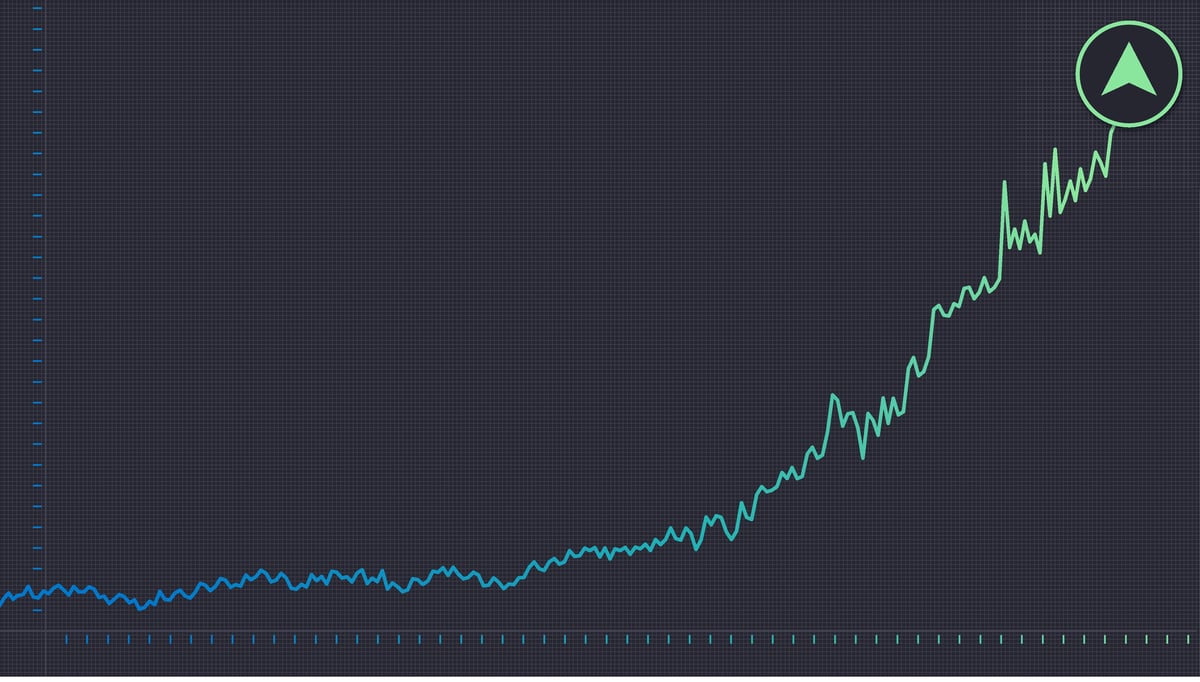
LendingClub's Upgrade: LendingClub has received a Zacks Rank #1 (Strong Buy) upgrade, indicating a positive outlook due to rising earnings estimates, which are crucial for stock price movements.
Zacks Rating System: The Zacks rating system, which evaluates stocks based on earnings estimate revisions, has a strong track record, with Zacks Rank #1 stocks averaging a +25% annual return since 1988.
Earnings Growth: Analysts have increased their earnings estimates for LendingClub by 71.6% over the past three months, reflecting an improvement in the company's business fundamentals.
Market Position: LendingClub's strong earnings growth positions it favorably in the market, suggesting potential for stock price increases as it ranks in the top 5% of Zacks-covered stocks based on estimate revisions.
Trade with 70% Backtested Accuracy
Analyst Views on LC

About LC
About the author


Fed Rate Hike Expectations Impact Savings Yields


- Inflation Pressure Intensifies: According to AAA, the current national average gasoline price stands at $4.459 per gallon, up from $3.174 a year ago, reflecting the ongoing impact of the Iran war on fuel prices, which exacerbates consumer living costs.
- Rate Expectation Shifts: The CME Group's FedWatch indicates nearly a 50% likelihood of a Fed rate hike in December, causing savers to feel uneasy about future rate trends, which impacts yields on cash instruments.
- Rising Bank Deposit Rates: Bread Financial has raised its 1-year CD annual percentage yield to 4%, an increase of 15 basis points from the previous week, driven by loan growth and rate expectations, attracting more savers' attention.
- Short-Term Cash Investment Appeal: While current CD rates, such as Popular Direct's 12-month CD offering 4.11%, are attractive, analysts warn that these yields may not keep pace with inflation long-term and could adjust upon maturity, affecting investors' return expectations.

Financial Comparison of Upstart and LendingClub
- Upstart's Financial Recovery: In FY 2025, Upstart achieved approximately $1.1 billion in revenue, reflecting a nearly 58.9% year-over-year growth, alongside a net income of $53.6 million, marking a return to profitability after significant losses in 2024, showcasing its robust recovery in the digital lending market.
- LendingClub's Stable Performance: LendingClub generated nearly $1.3 billion in revenue for FY 2025, representing a growth rate of about 15%, with a net income of approximately $135.7 million and a net margin of 10.2%, demonstrating its effective management of interest costs and enhancing its market position in the competitive fintech landscape.
- Risks and Challenges: Upstart faces risks from fluctuating economic conditions that may reduce borrower demand, particularly during recessions, where its AI models might fail to accurately predict defaults, potentially leading to funding pullbacks from lending partners and impacting business stability.
- Market Competition Dynamics: As a digital bank, LendingClub funds a portion of its loans using low-cost member deposits, which, despite challenges from interest rate volatility and regulatory changes, allows it to maintain an advantage over traditional banks due to its stable revenue model.

Upstart and LendingClub Compete in Digital Lending Market
- Upstart's Business Model: Upstart connects borrowers with banking partners through an AI marketplace, achieving approximately $1.1 billion in revenue for FY 2025, reflecting a robust 58.9% growth, although it faces customer concentration risk with its top three partners contributing 61% of total revenue.
- LendingClub's Financial Performance: LendingClub generated nearly $1.3 billion in revenue for FY 2025, with a growth rate of about 15% and a net income of roughly $135.7 million, indicating effective cost management amidst interest rate fluctuations and demonstrating stable profitability.
- Risk Analysis: Upstart is exposed to risks from economic fluctuations that could reduce borrower demand, and if its AI models fail during a recession, it may see partner pullbacks, while LendingClub faces threats from interest rate volatility and regulatory changes that could impact its core product profitability.
- Valuation Comparison: Upstart trades at a forward P/E of 12.5x, indicating optimistic market expectations for future growth, while LendingClub's 9.1x P/E reflects a more conservative market position, suggesting investors should choose based on their risk tolerance.

Financial Sector Faces Challenges and Opportunities
- Industry Underperformance: The financial sector has only gained 2.9% over the past six months, significantly trailing the S&P 500's 10.8% rise, indicating a lack of investor confidence amid an unpredictable interest rate and inflation environment, which has negatively impacted overall industry performance.
- Donnelley Financial Solutions Struggles: Donnelley Financial Solutions (DFIN) has experienced a 3.4% annual sales decline over the past five years, with earnings per share growing only 8.4% annually, failing to effectively meet market demands, resulting in a market cap of $987.3 million that reflects its competitive disadvantages.
- S&P Global's Strong Growth: S&P Global (SPGI) achieved a 10.7% annual revenue growth over the last two years, surpassing the sector average, and has driven a 17% increase in earnings per share through share repurchases, demonstrating the market value of its products and services, with a market cap of $123 billion.
- LendingClub Gains Market Share: LendingClub (LC) has recorded a 28.7% annual revenue growth over the past five years, with a remarkable 109% annual growth in earnings per share, indicating significant market share acquisition, currently valued at $1.82 billion with a share price of $15.76.

SoFi Technologies Stock Declines Amid Inflation Concerns and High Treasury Yields

- Stock Fluctuation: SoFi Technologies' stock fell 3.06% to $15.23, reflecting market concerns over conflict-related inflation and high Treasury yields, which have weakened investor confidence and may impact future lending capabilities.
- Volume Analysis: Today's trading volume reached 63.5 million shares, 5.2% below the three-month average of 66.8 million shares, indicating a decline in market activity that could affect short-term stock performance.
- Performance Review: Since its IPO in 2021, SoFi's stock has grown 21%, but it has dropped over 40% year-to-date; despite solid Q1 results, the failure to raise full-year guidance disappointed Wall Street.
- Market Outlook: SoFi faces intense competition, and while its customer base continues to grow and it actively adopts new technologies like stablecoins, whether it can achieve its goal of becoming a one-stop financial services platform remains a critical question for future development.

SoFi Technologies Stock Declines Amid Market Concerns
- Stock Decline: SoFi Technologies closed at $15.23, down 3.06%, reflecting market concerns over conflict-related inflation and high Treasury yields, which have weakened investor confidence.
- Decreased Trading Volume: Today's trading volume reached 63.5 million shares, 5.2% below the three-month average of 66.8 million shares, indicating insufficient market activity that could impact future liquidity and price stability.
- Performance Miss: Although SoFi has grown 21% since its IPO in 2021, it has struggled with a year-to-date decline of over 40%, and its recent Q1 results failed to raise full-year forecasts, leading to a tepid market response.
- Intensifying Competition: SoFi faces increasing pressure from traditional financial services, and while its customer base continues to grow and it explores new technologies, achieving its goal of becoming a one-stop shop remains critical for future development.
Fed Rate Hike Expectations Impact Savings Yields
- Inflation Pressure Intensifies: According to AAA, the current national average gasoline price stands at $4.459 per gallon, up from $3.174 a year ago, reflecting the ongoing impact of the Iran war on fuel prices, which exacerbates consumer living costs.
- Rate Expectation Shifts: The CME Group's FedWatch indicates nearly a 50% likelihood of a Fed rate hike in December, causing savers to feel uneasy about future rate trends, which impacts yields on cash instruments.
- Rising Bank Deposit Rates: Bread Financial has raised its 1-year CD annual percentage yield to 4%, an increase of 15 basis points from the previous week, driven by loan growth and rate expectations, attracting more savers' attention.
- Short-Term Cash Investment Appeal: While current CD rates, such as Popular Direct's 12-month CD offering 4.11%, are attractive, analysts warn that these yields may not keep pace with inflation long-term and could adjust upon maturity, affecting investors' return expectations.
Financial Comparison of Upstart and LendingClub
- Upstart's Financial Recovery: In FY 2025, Upstart achieved approximately $1.1 billion in revenue, reflecting a nearly 58.9% year-over-year growth, alongside a net income of $53.6 million, marking a return to profitability after significant losses in 2024, showcasing its robust recovery in the digital lending market.
- LendingClub's Stable Performance: LendingClub generated nearly $1.3 billion in revenue for FY 2025, representing a growth rate of about 15%, with a net income of approximately $135.7 million and a net margin of 10.2%, demonstrating its effective management of interest costs and enhancing its market position in the competitive fintech landscape.
- Risks and Challenges: Upstart faces risks from fluctuating economic conditions that may reduce borrower demand, particularly during recessions, where its AI models might fail to accurately predict defaults, potentially leading to funding pullbacks from lending partners and impacting business stability.
- Market Competition Dynamics: As a digital bank, LendingClub funds a portion of its loans using low-cost member deposits, which, despite challenges from interest rate volatility and regulatory changes, allows it to maintain an advantage over traditional banks due to its stable revenue model.
Upstart and LendingClub Compete in Digital Lending Market
- Upstart's Business Model: Upstart connects borrowers with banking partners through an AI marketplace, achieving approximately $1.1 billion in revenue for FY 2025, reflecting a robust 58.9% growth, although it faces customer concentration risk with its top three partners contributing 61% of total revenue.
- LendingClub's Financial Performance: LendingClub generated nearly $1.3 billion in revenue for FY 2025, with a growth rate of about 15% and a net income of roughly $135.7 million, indicating effective cost management amidst interest rate fluctuations and demonstrating stable profitability.
- Risk Analysis: Upstart is exposed to risks from economic fluctuations that could reduce borrower demand, and if its AI models fail during a recession, it may see partner pullbacks, while LendingClub faces threats from interest rate volatility and regulatory changes that could impact its core product profitability.
- Valuation Comparison: Upstart trades at a forward P/E of 12.5x, indicating optimistic market expectations for future growth, while LendingClub's 9.1x P/E reflects a more conservative market position, suggesting investors should choose based on their risk tolerance.
Financial Sector Faces Challenges and Opportunities
- Industry Underperformance: The financial sector has only gained 2.9% over the past six months, significantly trailing the S&P 500's 10.8% rise, indicating a lack of investor confidence amid an unpredictable interest rate and inflation environment, which has negatively impacted overall industry performance.
- Donnelley Financial Solutions Struggles: Donnelley Financial Solutions (DFIN) has experienced a 3.4% annual sales decline over the past five years, with earnings per share growing only 8.4% annually, failing to effectively meet market demands, resulting in a market cap of $987.3 million that reflects its competitive disadvantages.
- S&P Global's Strong Growth: S&P Global (SPGI) achieved a 10.7% annual revenue growth over the last two years, surpassing the sector average, and has driven a 17% increase in earnings per share through share repurchases, demonstrating the market value of its products and services, with a market cap of $123 billion.
- LendingClub Gains Market Share: LendingClub (LC) has recorded a 28.7% annual revenue growth over the past five years, with a remarkable 109% annual growth in earnings per share, indicating significant market share acquisition, currently valued at $1.82 billion with a share price of $15.76.
SoFi Technologies Stock Declines Amid Inflation Concerns and High Treasury Yields
- Stock Fluctuation: SoFi Technologies' stock fell 3.06% to $15.23, reflecting market concerns over conflict-related inflation and high Treasury yields, which have weakened investor confidence and may impact future lending capabilities.
- Volume Analysis: Today's trading volume reached 63.5 million shares, 5.2% below the three-month average of 66.8 million shares, indicating a decline in market activity that could affect short-term stock performance.
- Performance Review: Since its IPO in 2021, SoFi's stock has grown 21%, but it has dropped over 40% year-to-date; despite solid Q1 results, the failure to raise full-year guidance disappointed Wall Street.
- Market Outlook: SoFi faces intense competition, and while its customer base continues to grow and it actively adopts new technologies like stablecoins, whether it can achieve its goal of becoming a one-stop financial services platform remains a critical question for future development.
SoFi Technologies Stock Declines Amid Market Concerns
- Stock Decline: SoFi Technologies closed at $15.23, down 3.06%, reflecting market concerns over conflict-related inflation and high Treasury yields, which have weakened investor confidence.
- Decreased Trading Volume: Today's trading volume reached 63.5 million shares, 5.2% below the three-month average of 66.8 million shares, indicating insufficient market activity that could impact future liquidity and price stability.
- Performance Miss: Although SoFi has grown 21% since its IPO in 2021, it has struggled with a year-to-date decline of over 40%, and its recent Q1 results failed to raise full-year forecasts, leading to a tepid market response.
- Intensifying Competition: SoFi faces increasing pressure from traditional financial services, and while its customer base continues to grow and it explores new technologies, achieving its goal of becoming a one-stop shop remains critical for future development.