Winter Storm's Significant Impact on GDP and Beneficiary Companies
Written by Emily J. Thompson, Senior Investment Analyst
Updated: Jan 26 2026
0mins


Source: CNBC
- GDP Decline Expectation: According to Bank of America Securities economist Aditya Bhave, Winter Storm Fern is expected to reduce U.S. GDP by 0.5 to 1.5 percentage points in Q1, highlighting the storm's direct economic impact.
- Restaurant Sector Hit: With flight cancellations and restaurant closures, stocks like Darden Restaurants and Restaurant Brands International have collectively declined, indicating the adverse effects of severe weather on related businesses.
- Costco Sales Surge: Historically, Costco benefits from major storms as consumers stock up on essentials, and despite underperforming last year, this trend is expected to boost sales, with Mizuho analysts setting a price target of $1,000.
- Douglas Dynamics Optimistic Outlook: As the largest player in snow and ice removal, Douglas Dynamics anticipates additional gains from the storm, with analysts raising the price target from $37 to $48, implying about a 29% upside.
Trade with 70% Backtested Accuracy
Stop guessing "Should I Buy COST?" and start using high-conviction signals backed by rigorous historical data.
Sign up today to access powerful investing tools and make smarter, data-driven decisions.
Analyst Views on COST
Wall Street analysts forecast COST stock price to rise
24 Analyst Rating
19 Buy
4 Hold
1 Sell
Strong Buy
Current: 965.590

Low
769.00
Averages
1061
High
1205
Current: 965.590
Low
769.00
Averages
1061
High
1205
About COST
Costco Wholesale Corporation (Costco) operates membership warehouses and e-commerce sites that offer a selection of nationally branded and private-label products in a wide range of categories. The Company buys the majority of its merchandise directly from suppliers and route it to cross-docking consolidation points (depots) or directly to its warehouses. It operates 891 warehouses, including 614 in the United States and Puerto Rico, 108 in Canada, 40 in Mexico, 35 in Japan, 29 in the United Kingdom, 19 in Korea, 15 in Australia, 14 in Taiwan, seven in China, five in Spain, two in France, and one each in Iceland, New Zealand and Sweden. It also operates e-commerce sites in the United States, Canada, the United Kingdom, Mexico, Korea, Taiwan, Japan and Australia. The Company provides wide selection of merchandise, plus the convenience of specialty departments and exclusive member services.
About the author

Emily J. Thompson
Emily J. Thompson, a Chartered Financial Analyst (CFA) with 12 years in investment research, graduated with honors from the Wharton School. Specializing in industrial and technology stocks, she provides in-depth analysis for Intellectia’s earnings and market brief reports.

Three Trillion-Dollar Companies to Watch

- Walmart's E-commerce Surge: Walmart became the first traditional retailer to surpass a $1 trillion market valuation in 2026, with its e-commerce business now accounting for 18% of total revenue, growing 24% to $150 billion, highlighting its technology-driven transformation in retail.
- Member Spending Trust: Costco saw a 7.3% increase in average transaction size globally during economic downturns, with membership fee income rising 13.6%, reflecting consumer trust in its value proposition, now boasting 82.1 million paid household members, enhancing brand loyalty.
- Berkshire's Strategic Acquisition: Under new CEO Greg Abel, Berkshire Hathaway acquired Taylor Morrison, merging it into one of the largest homebuilding platforms in the U.S. to address a 7 million home deficit, showcasing its strategic positioning in the real estate market.
- Diversified Investments: Berkshire also made a $10 billion investment in Alphabet, elevating it to one of the top four holdings, further enhancing its influence in the tech sector and demonstrating the diversity and durability of its investment portfolio.
See More

Walmart and Costco Leverage AI to Enhance Customer Loyalty
- Walmart's Technological Breakthrough: Walmart became the first traditional retailer to surpass a $1 trillion market valuation in February 2026, with its e-commerce business representing 18% of total revenue and growing 24% to $150 billion, showcasing successful technology investments that enhance market competitiveness.
- Same-Day Delivery Service: Walmart's same-day delivery now reaches 95% of U.S. households, a logistics achievement that sets it apart in the industry, improving consumer shopping experiences by ensuring that customers can find what they need at 11 p.m. and receive it the next morning.
- Costco's Membership Growth: Costco saw a 7.3% increase in average transaction size globally in Q3, with membership fee income rising 13.6%, now counting 82.1 million paid household members, demonstrating its ability to attract consumers even during economic downturns and enhancing brand loyalty.
- Fuel Price Appeal: Costco's fuel prices have become a significant draw amid rising gasoline costs, directly passing tariff savings to consumers, further solidifying brand trust and ensuring long-term customer loyalty.
See More
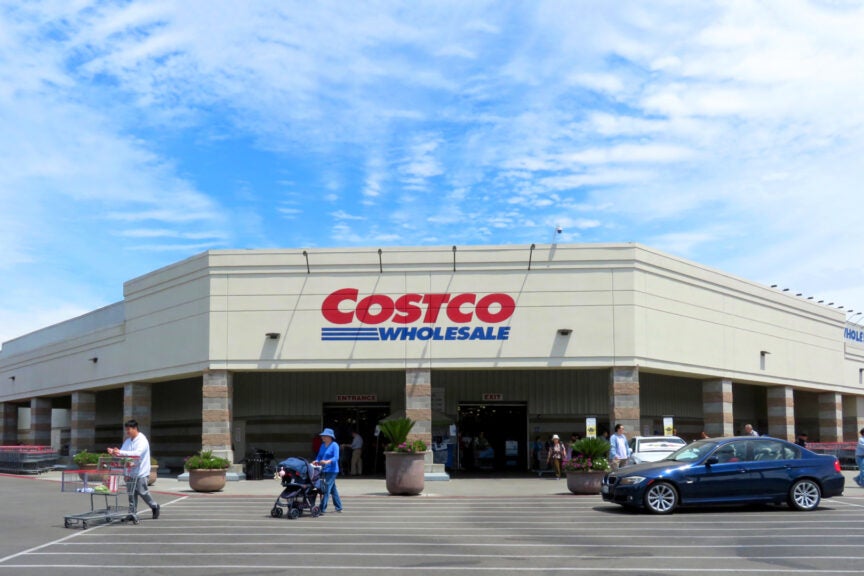
Costco Stock Valuation Too High, Investors Should Watch
- High Valuation: Costco's price-to-earnings ratio stands at 49, significantly higher than competitors like Walmart and Target, and it hasn't dipped below 25 since 2017, indicating substantial valuation risk for investors.
- Revenue Growth: For the first nine months of fiscal 2026, Costco reported total revenue of $207 billion, a 10% year-over-year increase, with net income reaching $6.2 billion, up 13%, yet this growth does not justify its high P/E ratio.
- PEG Ratio: Costco's PEG ratio is twice that of Walmart's, and while revenue and earnings growth have slightly accelerated, this does not validate its elevated valuation, raising further concerns among investors.
- Flat Market Performance: Since the beginning of 2025, Costco's stock has remained flat, with a pullback since mid-May, prompting investors to carefully consider the risks of entering at such a high valuation.
See More
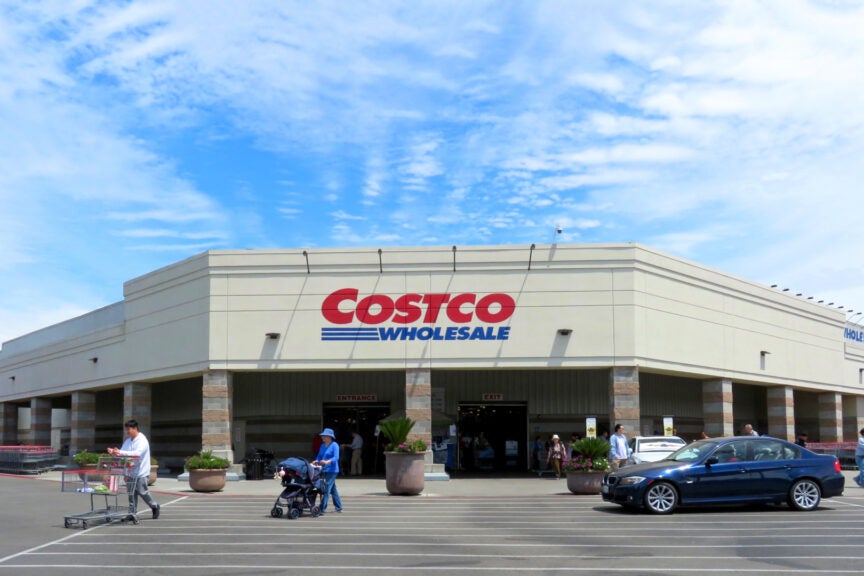
Costco's Valuation Exceeds Peers Despite Growth
- Growth Performance: Costco reported total revenue of $207 billion in the first nine months of fiscal 2026, reflecting a 10% year-over-year increase, with net income reaching $6.2 billion, a 13% rise, yet this growth does not justify its high P/E ratio of 49.
- Valuation Comparison: Costco's P/E ratio significantly exceeds that of other retailers, such as Walmart and Target, which stand at 15 and 20 times earnings respectively, while Amazon's P/E is 29, indicating that Costco's stock is overvalued.
- Investor Sentiment: Despite Costco's strong customer base and appealing product mix, its stock price has remained flat since early 2025 and has pulled back since mid-May, leading investors to feel uneasy about the current high valuation.
- Market Outlook: Analysts recommend that investors keep Costco on their watch list and consider buying only if the stock price falls below 35 times earnings, to mitigate investment risks associated with its current premium valuation.
See More

Berkshire Hathaway Increases Stake in Macy's Amid Recovery

- Investment Return Potential: Macy's P/E ratio stands at 10, having dropped as low as 7.5 in Q1 2026, indicating the stock is undervalued and attracting Warren Buffett's interest, with expectations that future prices will reflect its intrinsic value.
- Sales Growth Recovery: Macy's achieved its strongest sales growth in four years during Q1 of fiscal 2026, with net sales rising and guidance for the year improved, now projecting comparable sales growth between 0.5% and 1.2%, signaling market recovery.
- Asset Value Advantage: Macy's holds up to $9 billion in real estate assets while its market cap is around $6.3 billion, allowing investors to acquire its asset base at a significant discount, enhancing its investment appeal.
- Stable Dividend Yield: Macy's pays an annual dividend of nearly $0.77 per share, yielding over 3%, and recently raised the payout by 5%, providing investors with returns while waiting for recovery, despite being below pre-pandemic levels.
See More

Reasons Behind Macy's Undervalued Stock Price
- Attractive P/E Ratio: Macy's P/E ratio stands at 10, having dipped to 7.5 in Q1 2026, indicating its stock is undervalued in the market, which has drawn interest from Buffett despite overall retail sector challenges.
- Sales Growth Recovery: Macy's achieved its strongest sales growth in four years during Q1 of fiscal 2026, with net sales rising and guidance for comparable sales now expected to increase between 0.5% and 1.2%, signaling a revival in company performance.
- Real Estate Asset Value: Macy's real estate holdings are estimated at $9 billion, while its market cap is only $6.7 billion, allowing investors to purchase its asset base at a significant discount, highlighting its potential intrinsic value.
- Dividend Yield Advantage: Macy's pays an annual dividend of nearly $0.77 per share, yielding about 3%, well above the S&P 500 average of 1%, and has recently increased its payout by 5%, indicating the company's ability to sustain and grow dividends, appealing to income-seeking investors.
See More
Three Trillion-Dollar Companies to Watch
- Walmart's E-commerce Surge: Walmart became the first traditional retailer to surpass a $1 trillion market valuation in 2026, with its e-commerce business now accounting for 18% of total revenue, growing 24% to $150 billion, highlighting its technology-driven transformation in retail.
- Member Spending Trust: Costco saw a 7.3% increase in average transaction size globally during economic downturns, with membership fee income rising 13.6%, reflecting consumer trust in its value proposition, now boasting 82.1 million paid household members, enhancing brand loyalty.
- Berkshire's Strategic Acquisition: Under new CEO Greg Abel, Berkshire Hathaway acquired Taylor Morrison, merging it into one of the largest homebuilding platforms in the U.S. to address a 7 million home deficit, showcasing its strategic positioning in the real estate market.
- Diversified Investments: Berkshire also made a $10 billion investment in Alphabet, elevating it to one of the top four holdings, further enhancing its influence in the tech sector and demonstrating the diversity and durability of its investment portfolio.
See More
Walmart and Costco Leverage AI to Enhance Customer Loyalty
- Walmart's Technological Breakthrough: Walmart became the first traditional retailer to surpass a $1 trillion market valuation in February 2026, with its e-commerce business representing 18% of total revenue and growing 24% to $150 billion, showcasing successful technology investments that enhance market competitiveness.
- Same-Day Delivery Service: Walmart's same-day delivery now reaches 95% of U.S. households, a logistics achievement that sets it apart in the industry, improving consumer shopping experiences by ensuring that customers can find what they need at 11 p.m. and receive it the next morning.
- Costco's Membership Growth: Costco saw a 7.3% increase in average transaction size globally in Q3, with membership fee income rising 13.6%, now counting 82.1 million paid household members, demonstrating its ability to attract consumers even during economic downturns and enhancing brand loyalty.
- Fuel Price Appeal: Costco's fuel prices have become a significant draw amid rising gasoline costs, directly passing tariff savings to consumers, further solidifying brand trust and ensuring long-term customer loyalty.
See More
Costco Stock Valuation Too High, Investors Should Watch
- High Valuation: Costco's price-to-earnings ratio stands at 49, significantly higher than competitors like Walmart and Target, and it hasn't dipped below 25 since 2017, indicating substantial valuation risk for investors.
- Revenue Growth: For the first nine months of fiscal 2026, Costco reported total revenue of $207 billion, a 10% year-over-year increase, with net income reaching $6.2 billion, up 13%, yet this growth does not justify its high P/E ratio.
- PEG Ratio: Costco's PEG ratio is twice that of Walmart's, and while revenue and earnings growth have slightly accelerated, this does not validate its elevated valuation, raising further concerns among investors.
- Flat Market Performance: Since the beginning of 2025, Costco's stock has remained flat, with a pullback since mid-May, prompting investors to carefully consider the risks of entering at such a high valuation.
See More
Costco's Valuation Exceeds Peers Despite Growth
- Growth Performance: Costco reported total revenue of $207 billion in the first nine months of fiscal 2026, reflecting a 10% year-over-year increase, with net income reaching $6.2 billion, a 13% rise, yet this growth does not justify its high P/E ratio of 49.
- Valuation Comparison: Costco's P/E ratio significantly exceeds that of other retailers, such as Walmart and Target, which stand at 15 and 20 times earnings respectively, while Amazon's P/E is 29, indicating that Costco's stock is overvalued.
- Investor Sentiment: Despite Costco's strong customer base and appealing product mix, its stock price has remained flat since early 2025 and has pulled back since mid-May, leading investors to feel uneasy about the current high valuation.
- Market Outlook: Analysts recommend that investors keep Costco on their watch list and consider buying only if the stock price falls below 35 times earnings, to mitigate investment risks associated with its current premium valuation.
See More
Berkshire Hathaway Increases Stake in Macy's Amid Recovery
- Investment Return Potential: Macy's P/E ratio stands at 10, having dropped as low as 7.5 in Q1 2026, indicating the stock is undervalued and attracting Warren Buffett's interest, with expectations that future prices will reflect its intrinsic value.
- Sales Growth Recovery: Macy's achieved its strongest sales growth in four years during Q1 of fiscal 2026, with net sales rising and guidance for the year improved, now projecting comparable sales growth between 0.5% and 1.2%, signaling market recovery.
- Asset Value Advantage: Macy's holds up to $9 billion in real estate assets while its market cap is around $6.3 billion, allowing investors to acquire its asset base at a significant discount, enhancing its investment appeal.
- Stable Dividend Yield: Macy's pays an annual dividend of nearly $0.77 per share, yielding over 3%, and recently raised the payout by 5%, providing investors with returns while waiting for recovery, despite being below pre-pandemic levels.
See More
Reasons Behind Macy's Undervalued Stock Price
- Attractive P/E Ratio: Macy's P/E ratio stands at 10, having dipped to 7.5 in Q1 2026, indicating its stock is undervalued in the market, which has drawn interest from Buffett despite overall retail sector challenges.
- Sales Growth Recovery: Macy's achieved its strongest sales growth in four years during Q1 of fiscal 2026, with net sales rising and guidance for comparable sales now expected to increase between 0.5% and 1.2%, signaling a revival in company performance.
- Real Estate Asset Value: Macy's real estate holdings are estimated at $9 billion, while its market cap is only $6.7 billion, allowing investors to purchase its asset base at a significant discount, highlighting its potential intrinsic value.
- Dividend Yield Advantage: Macy's pays an annual dividend of nearly $0.77 per share, yielding about 3%, well above the S&P 500 average of 1%, and has recently increased its payout by 5%, indicating the company's ability to sustain and grow dividends, appealing to income-seeking investors.
See More