Visa Introduces USDC Settlement in the U.S. and Promotes Onchain Payments


Visa's USDC Settlement Initiative: Visa Inc. is modernizing payment systems by allowing U.S. institutions to settle obligations using USDC, a stablecoin, alongside traditional methods, enhancing speed and liquidity in transactions.
Collaboration with Circle and Blockchain Development: Visa is partnering with Circle to develop Arc, a high-performance Layer 1 blockchain, aimed at supporting Visa's commercial activities and USDC settlements, further integrating blockchain technology into its operations.
Strategic Positioning in Financial Services: This initiative positions Visa as a bridge between traditional finance and blockchain infrastructure, with plans for broader U.S. access by 2026 and the establishment of a Stablecoins Advisory Practice to assist financial institutions.
Stock Performance and Market Outlook: Visa's shares have increased by 8.7% over the past year, contrasting with a decline in the industry, while other financial service stocks like OppFi, FirstCash, and Dave have shown strong earnings growth and upward revisions in estimates.
Trade with 70% Backtested Accuracy
Analyst Views on V

About V
About the author


Comparing American Express and Visa: Market Dynamics

- Transaction Volume Growth: In Q2 2026, Visa processed 66.1 billion transactions, a 9% increase year-over-year, leading to a 17% revenue growth and a 20% rise in adjusted earnings, showcasing its robust performance in the payment market.
- Customer Spending Increase: American Express saw a 10% rise in cardmember spending in Q1 2026, boosting revenue by 11% and adjusted earnings by 15%, indicating resilience in the high-end market despite underperforming Visa.
- Market Positioning Differences: American Express focuses on wealthier customers with a smaller base, while Visa serves a broad range from high to low-end consumers, partly explaining the differing financial results between the two companies.
- Long-Term Growth Potential: Visa benefits from the transition from cash to card payments, with expectations of continued expansion in customer base and transaction volume, while American Express may maintain high-end customer spending resilience during economic downturns, though its long-term growth is limited by its target customer pool size.

Investment Comparison: American Express vs. Visa
- Financial Performance Comparison: In Q2 2026, Visa processed 66.1 billion transactions, a 9% increase year-over-year, driving a 17% revenue growth and a 20% rise in adjusted earnings, highlighting its strong market position and profitability.
- Customer Spending Growth: In Q1 2026, American Express cardmember spending rose by 10%, boosting the company's revenue by 11% and adjusted earnings by 15%, indicating resilience in high-end consumer spending despite underperforming compared to Visa.
- Market Positioning Differences: American Express focuses on affluent customers with a smaller base, while Visa serves a broad range from high-end to low-end consumers, giving Visa a growth advantage, especially amid the ongoing shift from cash to card payments.
- Valuation Analysis: Visa's price-to-earnings ratio stands at 28x, above American Express' 20x, indicating that while American Express appears cheaper, Visa's P/E is below its five-year average, making it relatively attractive for growth-focused investors.
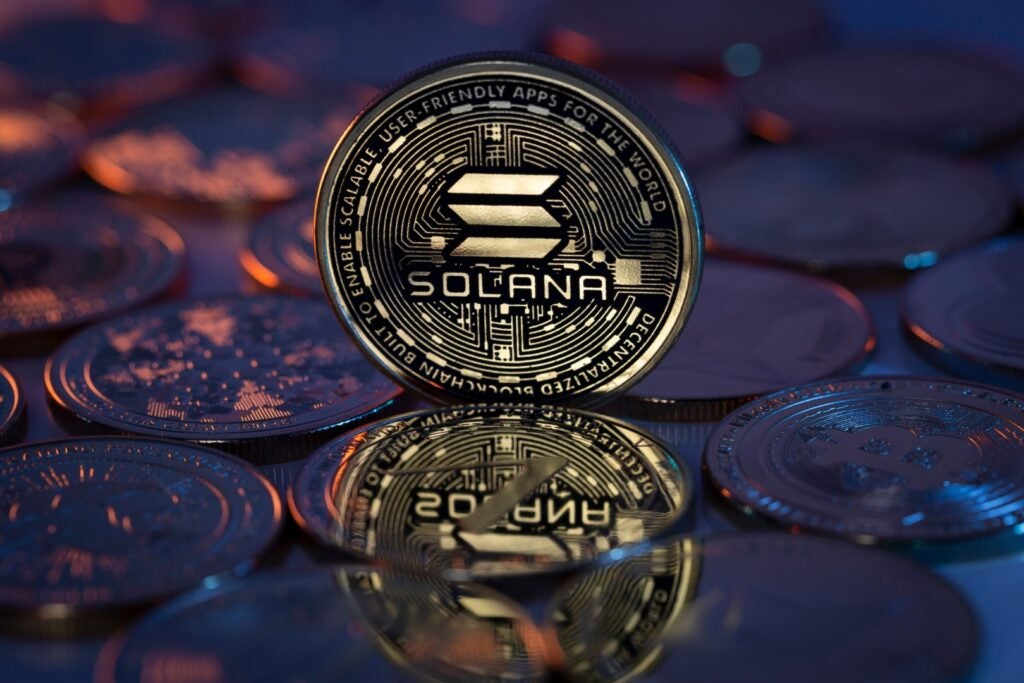
Moody's Expands Credit Ratings to Tokenized Bonds on Solana

- Expansion of Credit Ratings: Moody's has expanded its credit rating services to include tokenized bonds and fixed-income securities, directly integrating these ratings onto Solana's blockchain, which is expected to enhance investor confidence in tokenized assets and boost Solana's market appeal.
- Increased Trading Efficiency: By converting fixed-income securities into digital tokens, Moody's integration allows investors to trade 24/7 without intermediaries, significantly reducing transaction costs and simplifying the investment process, which is likely to attract more investors.
- Competitive Market Advantage: While Ethereum remains the market leader, Solana's Layer-1 blockchain offers significantly faster speeds, and Moody's support is set to further solidify Solana's competitive position in tokenized asset trading, especially with the upcoming Alpenglow upgrade.
- Future Growth Potential: Moody's backing not only strengthens Solana's prospects as a high-speed highway for blockchain transactions but also indicates its increasing importance among financial institutions, suggesting that despite this year's crypto market volatility, Solana could still have a bright future.
Moody's Integrates Credit Ratings with Solana Blockchain

- Credit Rating Integration: Moody's integration of its credit ratings directly onto Solana's blockchain signifies increased confidence in tokenized assets, which is expected to enhance investor trust and usage frequency on the Solana platform.
- Trading Efficiency Boost: By tokenizing fixed-income securities, Moody's enables these assets to be traded instantly on the blockchain, reducing transaction costs and eliminating the need for intermediaries, allowing investors to trade more swiftly.
- Enhanced Market Competitiveness: While Ethereum remains the market leader, Solana's Layer-1 blockchain is significantly faster, and Moody's support may attract more financial institutions to tokenize assets on Solana, further strengthening its market position.
- Optimistic Future Outlook: Moody's integration not only serves as a vote of confidence for Solana but also indicates potential future collaborations with other blockchains like Ethereum, suggesting ongoing expansion potential for Solana in the blockchain transaction space.
Klarna Partners with Bolt to Expand Mobility Payments

- Payment Integration: Klarna's partnership with Bolt integrates its payment options directly into the Bolt app, allowing users in Sweden, Germany, Finland, and Norway to pay for rides using Klarna's 'Pay in Full' or customized installment plans, enhancing user experience and increasing transaction frequency.
- Market Expansion: This collaboration extends Klarna's reach to over 200 million users, marking a strategic shift from traditional retail and e-commerce into everyday mobility payments, thereby increasing its influence in transportation services.
- User Growth Momentum: Klarna reported a 21% year-over-year increase in active users to 119 million and a 33% rise in Gross Merchandise Volume (GMV) in Q1 2026, indicating strong growth in the payments sector, which, while not materially impactful in the short term, lays a solid foundation for long-term growth.
- Competitive Landscape: As Klarna expands into mobility payments, other payment companies like Affirm and Visa are also seeking growth through travel and AI-driven commerce, highlighting the intensifying competition in the payments industry, with Klarna's initiatives poised to support its ongoing development in this space.
Visa and Mastercard's Strategic Move into Stablecoins

- Surging Payment Volume: In Q1 2026, Visa and Mastercard processed a staggering $7.1 trillion in payment volume, underscoring their dominance in the global payments landscape, even as they face competition from stablecoins.
- Stablecoin Market Potential: The current market value of dollar-linked stablecoins stands at $303 billion, with Tether and USDC holding 61% and 25% market shares respectively, prompting Visa and Mastercard to plan their own stablecoin platforms to maintain competitiveness.
- Strategic Acquisitions and Partnerships: Visa and Mastercard have acquired stablecoin infrastructure companies Bridge and BVNK for $1.1 billion and $1.8 billion respectively, indicating their strategic positioning and investment in the stablecoin sector.
- Network Effects Advantage: With their robust network effects connecting consumers, merchants, and financial institutions, Visa and Mastercard are better positioned to promote stablecoin adoption, while USDT and USDC face challenges in everyday transactional settings.
Comparing American Express and Visa: Market Dynamics
- Transaction Volume Growth: In Q2 2026, Visa processed 66.1 billion transactions, a 9% increase year-over-year, leading to a 17% revenue growth and a 20% rise in adjusted earnings, showcasing its robust performance in the payment market.
- Customer Spending Increase: American Express saw a 10% rise in cardmember spending in Q1 2026, boosting revenue by 11% and adjusted earnings by 15%, indicating resilience in the high-end market despite underperforming Visa.
- Market Positioning Differences: American Express focuses on wealthier customers with a smaller base, while Visa serves a broad range from high to low-end consumers, partly explaining the differing financial results between the two companies.
- Long-Term Growth Potential: Visa benefits from the transition from cash to card payments, with expectations of continued expansion in customer base and transaction volume, while American Express may maintain high-end customer spending resilience during economic downturns, though its long-term growth is limited by its target customer pool size.
Investment Comparison: American Express vs. Visa
- Financial Performance Comparison: In Q2 2026, Visa processed 66.1 billion transactions, a 9% increase year-over-year, driving a 17% revenue growth and a 20% rise in adjusted earnings, highlighting its strong market position and profitability.
- Customer Spending Growth: In Q1 2026, American Express cardmember spending rose by 10%, boosting the company's revenue by 11% and adjusted earnings by 15%, indicating resilience in high-end consumer spending despite underperforming compared to Visa.
- Market Positioning Differences: American Express focuses on affluent customers with a smaller base, while Visa serves a broad range from high-end to low-end consumers, giving Visa a growth advantage, especially amid the ongoing shift from cash to card payments.
- Valuation Analysis: Visa's price-to-earnings ratio stands at 28x, above American Express' 20x, indicating that while American Express appears cheaper, Visa's P/E is below its five-year average, making it relatively attractive for growth-focused investors.
Moody's Expands Credit Ratings to Tokenized Bonds on Solana
- Expansion of Credit Ratings: Moody's has expanded its credit rating services to include tokenized bonds and fixed-income securities, directly integrating these ratings onto Solana's blockchain, which is expected to enhance investor confidence in tokenized assets and boost Solana's market appeal.
- Increased Trading Efficiency: By converting fixed-income securities into digital tokens, Moody's integration allows investors to trade 24/7 without intermediaries, significantly reducing transaction costs and simplifying the investment process, which is likely to attract more investors.
- Competitive Market Advantage: While Ethereum remains the market leader, Solana's Layer-1 blockchain offers significantly faster speeds, and Moody's support is set to further solidify Solana's competitive position in tokenized asset trading, especially with the upcoming Alpenglow upgrade.
- Future Growth Potential: Moody's backing not only strengthens Solana's prospects as a high-speed highway for blockchain transactions but also indicates its increasing importance among financial institutions, suggesting that despite this year's crypto market volatility, Solana could still have a bright future.
Moody's Integrates Credit Ratings with Solana Blockchain
- Credit Rating Integration: Moody's integration of its credit ratings directly onto Solana's blockchain signifies increased confidence in tokenized assets, which is expected to enhance investor trust and usage frequency on the Solana platform.
- Trading Efficiency Boost: By tokenizing fixed-income securities, Moody's enables these assets to be traded instantly on the blockchain, reducing transaction costs and eliminating the need for intermediaries, allowing investors to trade more swiftly.
- Enhanced Market Competitiveness: While Ethereum remains the market leader, Solana's Layer-1 blockchain is significantly faster, and Moody's support may attract more financial institutions to tokenize assets on Solana, further strengthening its market position.
- Optimistic Future Outlook: Moody's integration not only serves as a vote of confidence for Solana but also indicates potential future collaborations with other blockchains like Ethereum, suggesting ongoing expansion potential for Solana in the blockchain transaction space.
Klarna Partners with Bolt to Expand Mobility Payments
- Payment Integration: Klarna's partnership with Bolt integrates its payment options directly into the Bolt app, allowing users in Sweden, Germany, Finland, and Norway to pay for rides using Klarna's 'Pay in Full' or customized installment plans, enhancing user experience and increasing transaction frequency.
- Market Expansion: This collaboration extends Klarna's reach to over 200 million users, marking a strategic shift from traditional retail and e-commerce into everyday mobility payments, thereby increasing its influence in transportation services.
- User Growth Momentum: Klarna reported a 21% year-over-year increase in active users to 119 million and a 33% rise in Gross Merchandise Volume (GMV) in Q1 2026, indicating strong growth in the payments sector, which, while not materially impactful in the short term, lays a solid foundation for long-term growth.
- Competitive Landscape: As Klarna expands into mobility payments, other payment companies like Affirm and Visa are also seeking growth through travel and AI-driven commerce, highlighting the intensifying competition in the payments industry, with Klarna's initiatives poised to support its ongoing development in this space.
Visa and Mastercard's Strategic Move into Stablecoins
- Surging Payment Volume: In Q1 2026, Visa and Mastercard processed a staggering $7.1 trillion in payment volume, underscoring their dominance in the global payments landscape, even as they face competition from stablecoins.
- Stablecoin Market Potential: The current market value of dollar-linked stablecoins stands at $303 billion, with Tether and USDC holding 61% and 25% market shares respectively, prompting Visa and Mastercard to plan their own stablecoin platforms to maintain competitiveness.
- Strategic Acquisitions and Partnerships: Visa and Mastercard have acquired stablecoin infrastructure companies Bridge and BVNK for $1.1 billion and $1.8 billion respectively, indicating their strategic positioning and investment in the stablecoin sector.
- Network Effects Advantage: With their robust network effects connecting consumers, merchants, and financial institutions, Visa and Mastercard are better positioned to promote stablecoin adoption, while USDT and USDC face challenges in everyday transactional settings.