U.S. Stocks Plunge as Trump Revives Tariff Threats
Written by Emily J. Thompson, Senior Investment Analyst
Updated: Jan 21 2026
0mins


Should l Buy AAPL?
Source: stocktwits
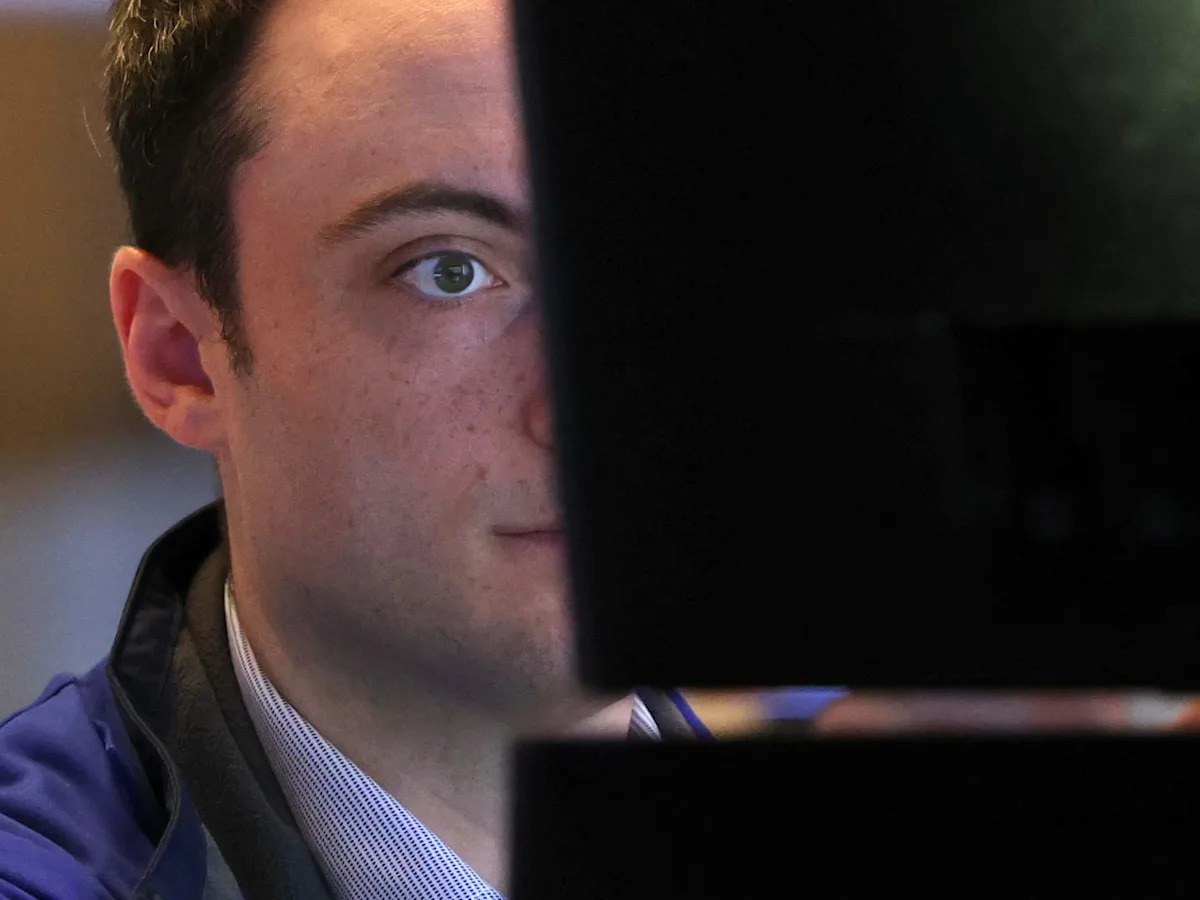
- Market Reaction: U.S. stocks faced their steepest one-day drop since October, with the S&P 500 falling approximately 2.1% and the Nasdaq Composite down 2.4%, as investors reduced risk amid trade tensions and stress in global bond markets.
- Tariff Threats: President Trump reiterated plans to impose tariffs on European imports starting in February, with further increases expected later in the year if no agreement is reached, heightening market anxiety.
- Stock Movements: Netflix shares fell about 5% in after-hours trading due to plans for increased content spending and an all-cash bid for Warner Bros. assets, while United Airlines saw a more than 3% rise after issuing an upbeat outlook for 2026.
- Gold and Bond Markets: Amid geopolitical tensions, gold prices approached a record high near $4,800 per ounce, and the 10-year U.S. Treasury yield briefly climbed to 4.3%, reflecting strong demand for safe-haven assets.
Trade with 70% Backtested Accuracy
Stop guessing "Should I Buy AAPL?" and start using high-conviction signals backed by rigorous historical data.
Sign up today to access powerful investing tools and make smarter, data-driven decisions.
Analyst Views on AAPL
Wall Street analysts forecast AAPL stock price to rise
27 Analyst Rating
17 Buy
9 Hold
1 Sell
Moderate Buy
Current: 246.630

Low
239.00
Averages
306.89
High
350.00
Current: 246.630
Low
239.00
Averages
306.89
High
350.00
About AAPL
Apple Inc. designs, manufactures and markets smartphones, personal computers, tablets, wearables and accessories, and sells a variety of related services. Its product categories include iPhone, Mac, iPad, and Wearables, Home and Accessories. Its software platforms include iOS, iPadOS, macOS, watchOS, visionOS, and tvOS. Its services include advertising, AppleCare, cloud services, digital content and payment services. The Company operates various platforms, including the App Store, that allow customers to discover and download applications and digital content, such as books, music, video, games and podcasts. It also offers digital content through subscription-based services, including Apple Arcade, Apple Fitness+, Apple Music, Apple News+, and Apple TV+. Its products include iPhone 16 Pro, iPhone 16, iPhone 15, iPhone 14, iPhone SE, MacBook Air, MacBook Pro, iMac, Mac mini, Mac Studio, Mac Pro, iPad Pro, iPad Air, AirPods, AirPods Pro, AirPods Max, Apple TV, Apple Vision Pro and others.
About the author

Emily J. Thompson
Emily J. Thompson, a Chartered Financial Analyst (CFA) with 12 years in investment research, graduated with honors from the Wharton School. Specializing in industrial and technology stocks, she provides in-depth analysis for Intellectia’s earnings and market brief reports.

Apple Inc's Intrinsic Value Analysis Using DCF

- Intrinsic Value Assessment: According to GuruFocus's Discounted Earnings model, Apple's intrinsic value is estimated at $179.13, while its current trading price is $248.8, indicating a modest overvaluation with a margin of safety of -38.89%.
- Discount Rate Setting: The model employs an 11% discount rate, derived from a 4.4% 10-year Treasury yield plus a 6% risk premium, ensuring the assessment reflects market risks and is grounded in realistic expectations.
- Growth Stage Assumptions: In the growth stage, Apple's earnings per share (EPS) is projected to grow at an annual rate of 15.20% for 10 years, based on historical EPS growth data from the past decade, highlighting the company's future growth potential.
- Terminal Stage Forecast: In the terminal stage, EPS is expected to grow at a rate of 4% over 10 years, ensuring this growth rate remains below the discount rate to facilitate convergence in calculations, indicating the company's long-term stability.
See More
Apple's Product Rollout Sparks Investor Interest
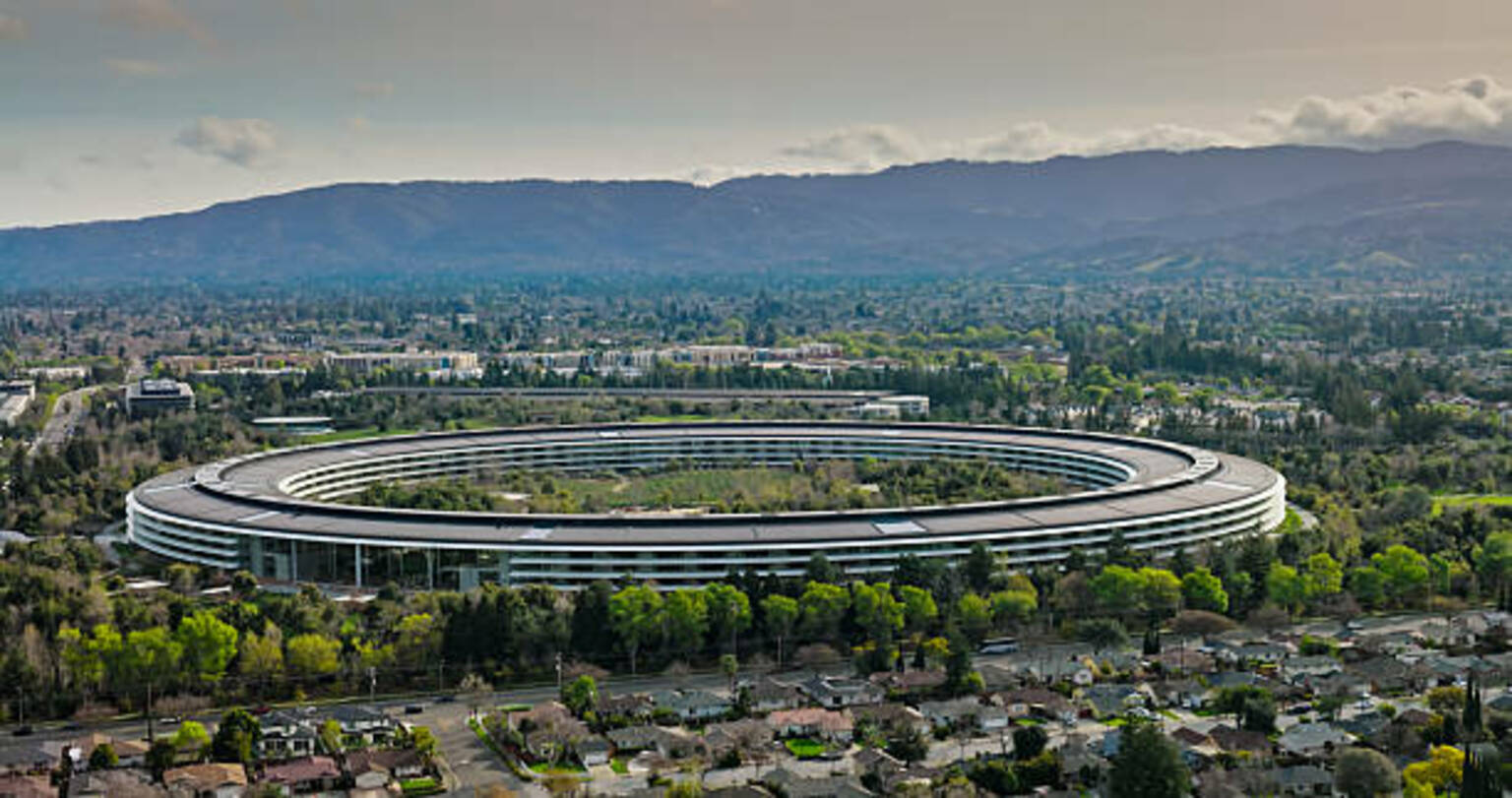
- Investment Rating Reaffirmed: Melius Research reiterated its Buy rating on Apple, highlighting the company's free cash flow and the upcoming product rollout, suggesting a potential recovery in stock price, which reflects market confidence in Apple's future performance.
- New Product Launches: Apple recently announced the iPhone 17e, a refreshed iPad Air, new MacBook Air and MacBook Pro, along with new Studio Displays and AirPods Max 2, marking one of the most lucrative product launches since the big screen iPhones in 2014.
- Stock Performance: While Apple shares saw a modest increase in premarket trading, they have declined approximately 8% year-to-date; however, over the past 12 months, the stock has gained 12%, indicating market recognition of its long-term growth potential.
- Market Dynamics: As Apple approaches its 50th anniversary, it has garnered investor interest, particularly in light of its new product launches and strategic adjustments, which could positively impact its stock price.
See More

Buffett Admits He Sold Apple Too Soon, Eyes Future Purchases
- Apple Holding Status: Buffett stated that despite Berkshire Hathaway trimming its stake to $61.96 billion at the end of last year, Apple remains its largest holding, indicating sustained confidence in the company.
- Market Purchase Intent: He mentioned that although Apple's stock has fallen over 14% from its recent high, he does not find the current market price attractive, reflecting a cautious approach towards potential future purchases.
- Leadership Evaluation: Buffett praised CEO Tim Cook's management skills, asserting that Cook has excelled in his role despite facing different challenges than those during Steve Jobs' tenure, which demonstrates his trust in the company's leadership.
- Charity Lunch Return: Buffett announced the return of his famed charity lunch, which not only continues his personal brand but may also generate additional public interest and positive market response for Berkshire.
See More
Buffett Admits Selling Apple Shares Too Soon
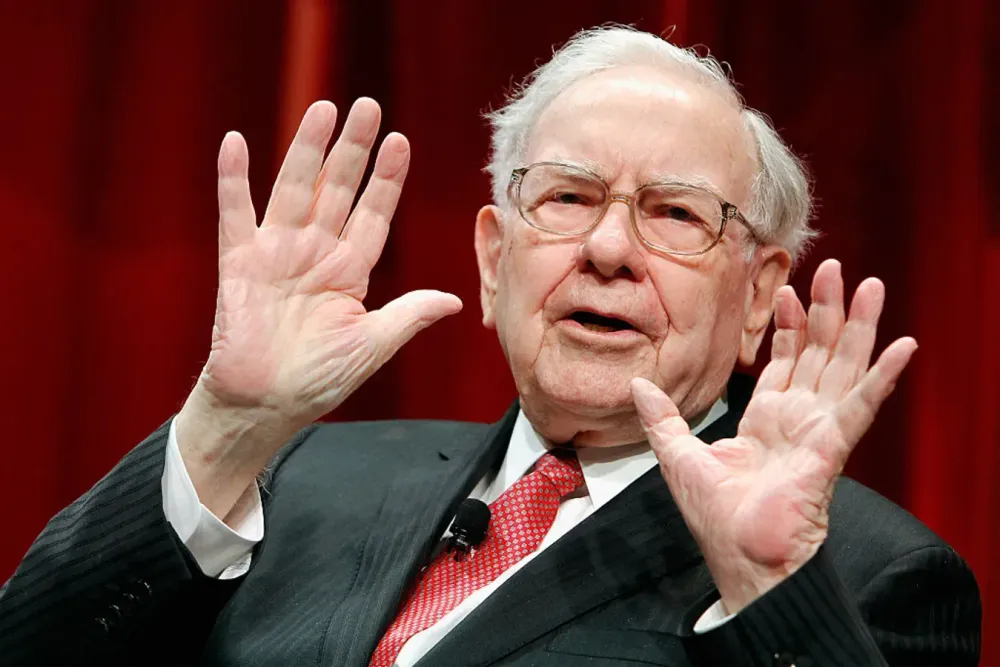
- Significant Investment Returns: Buffett revealed that Berkshire made over $100 billion in pre-tax profits from its Apple investment, and although he admitted to selling the shares too soon, he expressed no regrets, demonstrating his unwavering confidence in investment decisions.
- Positive Market Reaction: Following Buffett's interview, Apple shares rose nearly 1% in Tuesday's pre-market trading, reflecting optimistic market sentiment regarding Apple's future performance and indicating investor confidence in Berkshire's strategies.
- Neutral Retail Sentiment: According to data from Stocktwits, retail sentiment around Apple was trending in the 'neutral' territory at the time of writing, suggesting a balanced view among investors without strong buy or sell signals.
- Berkshire Stock Price Increase: Berkshire's Class B shares were up about 1% at the time of writing, potentially linked to Buffett's remarks, further reinforcing market approval of its investment strategy.
See More

Market Cap Game Show: Emily vs. Bill Showdown

- Market Capital Showdown: In this episode, Motley Fool analysts Emily Flippen and Bill Barker faced off in a market cap range challenge involving 10 companies, engaging listeners and enhancing the show's interactivity.
- Championship Battle: Emily, the reigning Market Cap Game Show world champion, showcased her investment analysis skills against Bill, ultimately winning with a score of 7 to 3, solidifying her champion status.
- Investor Education: The show utilized a fun game format to help listeners understand the significance of market caps, increasing public interest in investing and promoting financial literacy.
- Industry Insights: Analysts discussed the market performance of various companies, including Adyen and PayCom, providing deep insights into current market dynamics to assist investors in making informed decisions.
See More
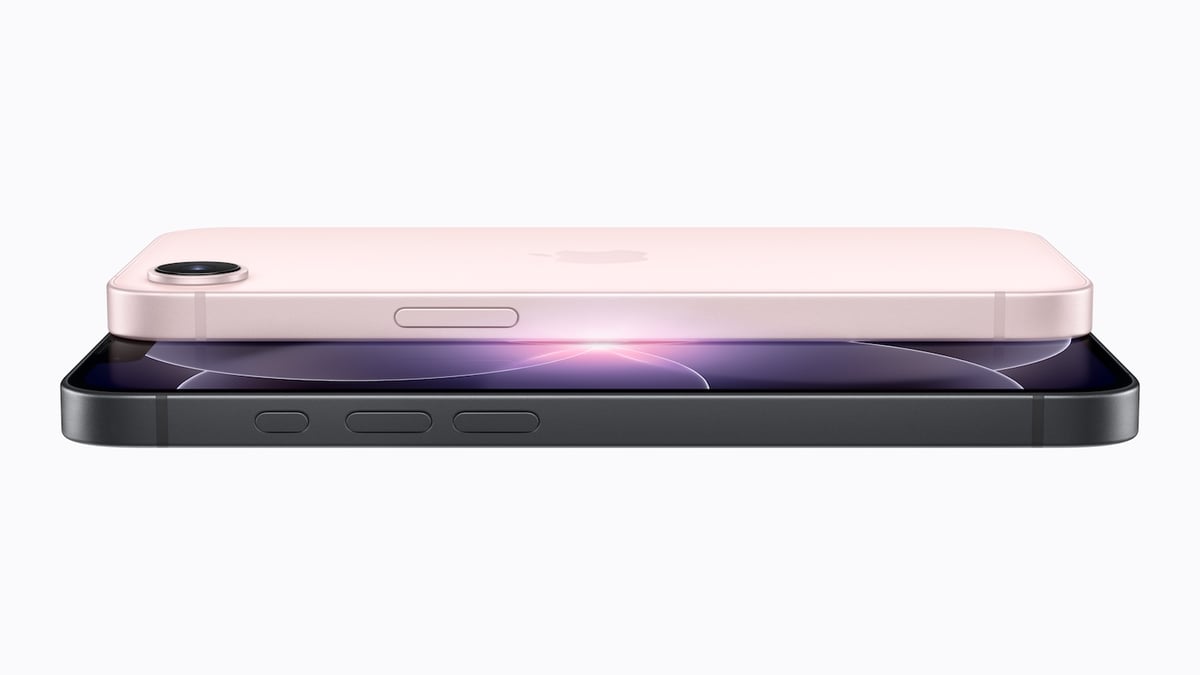
Apple Set to Release New Version of Siri with AI Enhancements
- AI Assistant Upgrade: Apple is set to release a new version of Siri that will leverage Alphabet's Gemini chatbot, reportedly costing $1 billion annually, which, while significant, is far less than the $650 billion tech companies are investing in AI this year.
- Device Ecosystem Advantage: With over 2.5 billion active devices globally, and 79% of Q1 revenue derived from device sales, Apple is insulated from the pressures faced by software companies in the AI race, allowing for a more stable business model.
- Service Revenue Growth: Apple's services segment saw a 14% increase in revenue to $30 billion in Q1, indicating that while services are becoming increasingly important, the company is not overly reliant on them, thus maintaining flexibility in AI innovation.
- Enhanced User Experience: The new version of Siri is expected to offer better user integration and contextual responses, and if Apple successfully integrates the Gemini model, users are likely to prioritize device performance over the AI's origin, enhancing overall satisfaction and loyalty.
See More
Apple Inc's Intrinsic Value Analysis Using DCF
- Intrinsic Value Assessment: According to GuruFocus's Discounted Earnings model, Apple's intrinsic value is estimated at $179.13, while its current trading price is $248.8, indicating a modest overvaluation with a margin of safety of -38.89%.
- Discount Rate Setting: The model employs an 11% discount rate, derived from a 4.4% 10-year Treasury yield plus a 6% risk premium, ensuring the assessment reflects market risks and is grounded in realistic expectations.
- Growth Stage Assumptions: In the growth stage, Apple's earnings per share (EPS) is projected to grow at an annual rate of 15.20% for 10 years, based on historical EPS growth data from the past decade, highlighting the company's future growth potential.
- Terminal Stage Forecast: In the terminal stage, EPS is expected to grow at a rate of 4% over 10 years, ensuring this growth rate remains below the discount rate to facilitate convergence in calculations, indicating the company's long-term stability.
See More
Apple's Product Rollout Sparks Investor Interest
- Investment Rating Reaffirmed: Melius Research reiterated its Buy rating on Apple, highlighting the company's free cash flow and the upcoming product rollout, suggesting a potential recovery in stock price, which reflects market confidence in Apple's future performance.
- New Product Launches: Apple recently announced the iPhone 17e, a refreshed iPad Air, new MacBook Air and MacBook Pro, along with new Studio Displays and AirPods Max 2, marking one of the most lucrative product launches since the big screen iPhones in 2014.
- Stock Performance: While Apple shares saw a modest increase in premarket trading, they have declined approximately 8% year-to-date; however, over the past 12 months, the stock has gained 12%, indicating market recognition of its long-term growth potential.
- Market Dynamics: As Apple approaches its 50th anniversary, it has garnered investor interest, particularly in light of its new product launches and strategic adjustments, which could positively impact its stock price.
See More
Buffett Admits He Sold Apple Too Soon, Eyes Future Purchases
- Apple Holding Status: Buffett stated that despite Berkshire Hathaway trimming its stake to $61.96 billion at the end of last year, Apple remains its largest holding, indicating sustained confidence in the company.
- Market Purchase Intent: He mentioned that although Apple's stock has fallen over 14% from its recent high, he does not find the current market price attractive, reflecting a cautious approach towards potential future purchases.
- Leadership Evaluation: Buffett praised CEO Tim Cook's management skills, asserting that Cook has excelled in his role despite facing different challenges than those during Steve Jobs' tenure, which demonstrates his trust in the company's leadership.
- Charity Lunch Return: Buffett announced the return of his famed charity lunch, which not only continues his personal brand but may also generate additional public interest and positive market response for Berkshire.
See More
Buffett Admits Selling Apple Shares Too Soon
- Significant Investment Returns: Buffett revealed that Berkshire made over $100 billion in pre-tax profits from its Apple investment, and although he admitted to selling the shares too soon, he expressed no regrets, demonstrating his unwavering confidence in investment decisions.
- Positive Market Reaction: Following Buffett's interview, Apple shares rose nearly 1% in Tuesday's pre-market trading, reflecting optimistic market sentiment regarding Apple's future performance and indicating investor confidence in Berkshire's strategies.
- Neutral Retail Sentiment: According to data from Stocktwits, retail sentiment around Apple was trending in the 'neutral' territory at the time of writing, suggesting a balanced view among investors without strong buy or sell signals.
- Berkshire Stock Price Increase: Berkshire's Class B shares were up about 1% at the time of writing, potentially linked to Buffett's remarks, further reinforcing market approval of its investment strategy.
See More
Market Cap Game Show: Emily vs. Bill Showdown
- Market Capital Showdown: In this episode, Motley Fool analysts Emily Flippen and Bill Barker faced off in a market cap range challenge involving 10 companies, engaging listeners and enhancing the show's interactivity.
- Championship Battle: Emily, the reigning Market Cap Game Show world champion, showcased her investment analysis skills against Bill, ultimately winning with a score of 7 to 3, solidifying her champion status.
- Investor Education: The show utilized a fun game format to help listeners understand the significance of market caps, increasing public interest in investing and promoting financial literacy.
- Industry Insights: Analysts discussed the market performance of various companies, including Adyen and PayCom, providing deep insights into current market dynamics to assist investors in making informed decisions.
See More
Apple Set to Release New Version of Siri with AI Enhancements
- AI Assistant Upgrade: Apple is set to release a new version of Siri that will leverage Alphabet's Gemini chatbot, reportedly costing $1 billion annually, which, while significant, is far less than the $650 billion tech companies are investing in AI this year.
- Device Ecosystem Advantage: With over 2.5 billion active devices globally, and 79% of Q1 revenue derived from device sales, Apple is insulated from the pressures faced by software companies in the AI race, allowing for a more stable business model.
- Service Revenue Growth: Apple's services segment saw a 14% increase in revenue to $30 billion in Q1, indicating that while services are becoming increasingly important, the company is not overly reliant on them, thus maintaining flexibility in AI innovation.
- Enhanced User Experience: The new version of Siri is expected to offer better user integration and contextual responses, and if Apple successfully integrates the Gemini model, users are likely to prioritize device performance over the AI's origin, enhancing overall satisfaction and loyalty.
See More