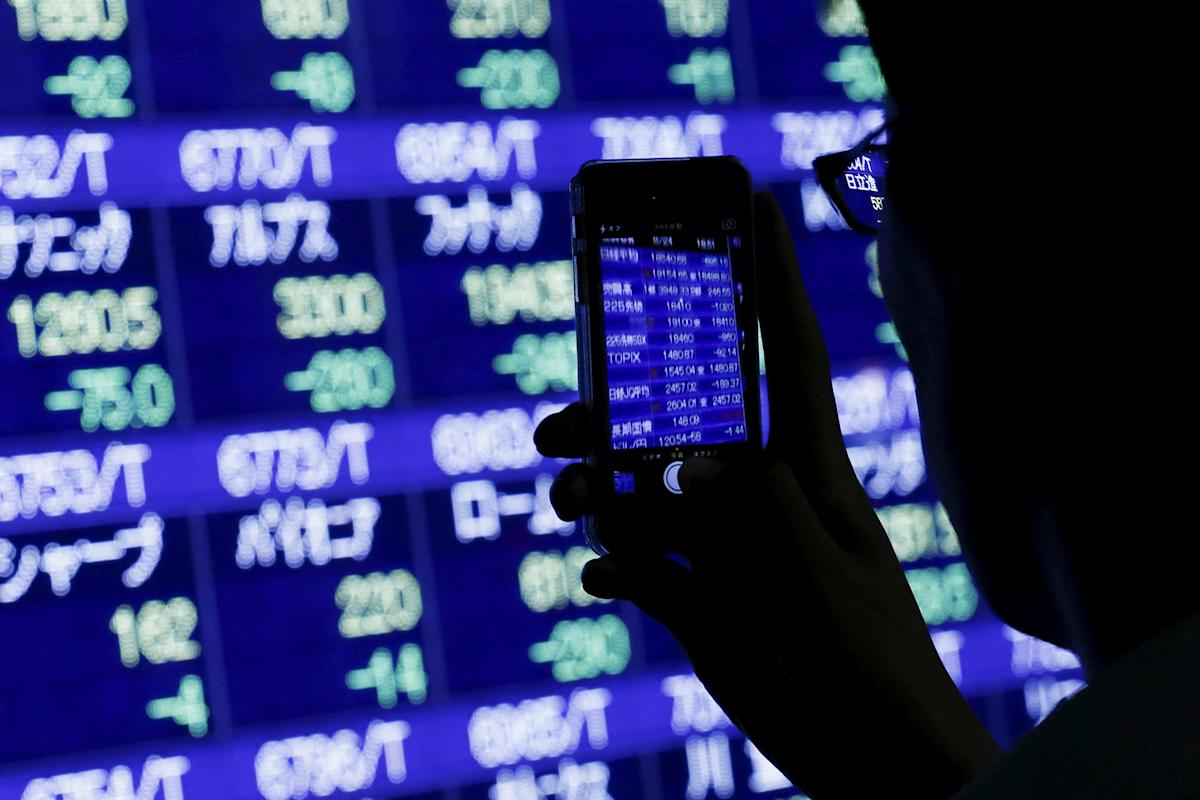
U.S. Stock Market Underperforms as International Markets Surge
Written by Emily J. Thompson, Senior Investment Analyst
Updated: Feb 26 2026
0mins


Should l Buy TM?
Source: NASDAQ.COM
- International Market Surge: The Vanguard FTSE Pacific ETF has risen 18% year-to-date, primarily benefiting from strong performances in stocks from Japan, South Korea, and Australia, indicating increased investor confidence in international markets, which may lead to capital outflows from the U.S.
- Economic Concerns in the U.S.: Experts widely believe that President Trump's tariff policies will negatively impact the U.S. economy, causing businesses and consumers to bear most of the costs, thereby exacerbating market uncertainty and affecting investor confidence.
- Surge in Memory Chip Demand: The performance of major memory chip manufacturers like Samsung and SK Hynix, driven by unprecedented demand for AI infrastructure, has propelled the Vanguard FTSE Pacific ETF's gains, although cyclical fluctuations in the memory industry may pose future challenges.
- Significant Fee Ratio Advantage: The Vanguard FTSE Pacific ETF boasts an expense ratio of 0.07%, significantly lower than the average 0.68% for similar funds, making it an attractive option for investors seeking exposure to Asia-Pacific stocks, despite its underperformance compared to the S&P 500 over the past decade.
Trade with 70% Backtested Accuracy
Stop guessing "Should I Buy TM?" and start using high-conviction signals backed by rigorous historical data.
Sign up today to access powerful investing tools and make smarter, data-driven decisions.
Analyst Views on TM
About TM
Toyota Motor Corp is a Japan-based company mainly engaged in the automotive business, as well as financial services and other businesses. It operates through three business segments. The Automotive segment designs, manufactures, and sells automobiles, including sedans, minivans, compact cars, sport utility vehicles (SUVs), and trucks, as well as related parts and accessories. The Financial Services segment provides financing and vehicle leasing services to complement the sales of automobiles and other products manufactured by itself and its affiliates. The Other segment engages in information and communications services. It also oversees manufacturing and sales companies, conducts public relations and research activities, oversees financial companies, and develops various mobility products, primarily software.
About the author

Emily J. Thompson
Emily J. Thompson, a Chartered Financial Analyst (CFA) with 12 years in investment research, graduated with honors from the Wharton School. Specializing in industrial and technology stocks, she provides in-depth analysis for Intellectia’s earnings and market brief reports.
US Stocks Rise on US-Iran Peace Negotiations Breakthrough


- US Stock Surge: The US stock market saw gains as breakthroughs in US-Iran peace negotiations fostered optimism, with the S&P 500 rising 2.3%, Nasdaq up 4.4%, and Dow increasing by 0.6%, indicating investor confidence in economic recovery.
- Strong Corporate Earnings: Out of 125 S&P 500 companies reporting this week, 110 exceeded EPS estimates and 100 surpassed revenue expectations, highlighting robust corporate profitability that may further drive stock market gains.
- European Market Performance: Despite a third consecutive month of declining retail sales in the Eurozone, the UK's composite PMI beat expectations, while London's FTSE 100 and Germany's DAX fell by 1.4% and 0.1%, respectively, contrasting with a 0.3% rise in France's CAC, indicating regional economic divergence.
- Asian Market Dynamics: Chinese markets gained 2.9% and Japan's Nikkei 225 rose 4.3%, while the Bank of Japan maintained its short-term policy rate at 0.75%, reflecting concerns over economic stability and influencing investor sentiment.
See More
Toyota Reports Significant Growth in FY2026 Performance
- Earnings Highlights: Toyota's FY2026 GAAP EPS reached ¥295.25, with revenue of ¥50,684.9 billion, reflecting a 5.5% year-over-year growth, indicating strong performance and enhanced profitability in the market.
- Global Sales Growth: In FY2026, Toyota's global consolidated vehicle unit sales increased by 232,000 units, or 2.5%, totaling 9.595 million units, showcasing the company's competitive edge and sustained consumer demand in the global market.
- Domestic Market Performance: Vehicle unit sales in Japan rose by 91,000 units, or 4.6%, reaching 2.082 million units, highlighting the company's robust performance and strengthened brand influence in its home market.
- International Market Expansion: Overseas vehicle unit sales increased by 142,000 units, or 1.9%, totaling 7.513 million units, demonstrating the company's ongoing expansion and success of its diversification strategy in international markets.
See More
Toyota Reports 49% Drop in Q4 Operating Profit Amid U.S. Tariffs
- Significant Profit Decline: Toyota reported an operating profit of 569.4 billion yen in Q4, a 49% drop from the expected 813.28 billion yen, indicating persistent pressure from U.S. tariffs and marking the company's fourth consecutive year-over-year decline in operating profit.
- Revenue Growth: The automaker's revenue remained stable at 12.6 trillion yen, meeting expectations, while net income rose to 817.2 billion yen from 664.6 billion yen a year earlier, suggesting challenges in maintaining profitability despite revenue stability.
- Sales Volume Decrease: Consolidated vehicle sales fell to 2.29 million units from 2.36 million a year prior, reflecting pressures from slowing sales in China and intensified competition in the electric vehicle market, which further impacts Toyota's market performance.
- Revised Future Outlook: Toyota lowered its operating income forecast by over 20% to 3 trillion yen for the fiscal year ending March 2027, although it raised its sales revenue forecast by 0.6%, indicating a need for cost reforms and enhanced sales initiatives to navigate a challenging market landscape.
See More

US Stocks Pull Back with Jobs Report Ahead

- Jobs Data Forecast: The consensus estimate for April's job report anticipates 55,000 new jobs, with market reactions indicating that 61% predict job creation will exceed 50,000, highlighting potential economic recovery.
- Tech Stocks Surge: The S&P Tech sector has gained over 4% in the past four days, with Alphabet reaching a new high and a 30% increase over the past month, reflecting strong recovery and investor confidence in the tech industry.
- Industrial Stocks Rise: The S&P Industrials sector has increased nearly 6% in the past month, with companies like Howmet, Caterpillar, and Cummins hitting new highs, indicating growth momentum and improved market demand in the industrial sector.
- Toyota's Decline: Toyota's shares have dropped 22.6% over the last three months, down 24% from February's peak, indicating market challenges that may impact its future performance.
See More

Major Earnings Reports Expected Before Friday's Open
- Earnings Release Companies: Major companies such as Enbridge, Brookfield Asset Management, Starwood Property Trust, Arbor Realty Trust, and Sony Group are set to report earnings before Friday's market open, which is expected to have a notable impact on market dynamics.
- Market Focus: Investors will closely monitor these earnings reports to assess the financial health and future growth potential of these firms, which could influence trading strategies for their respective stocks.
- Additional Earnings Announcements: In addition to the major players, companies like AMCX, AMR, and ANIP are also scheduled to release earnings before Friday, further enriching market information and aiding investors in making informed decisions.
- Earnings Season Calendar: Seeking Alpha offers a comprehensive earnings season calendar, allowing investors to access specific release times and expected performances for more companies, enhancing their strategic planning during this critical period.
See More

Toyota and Honda Report Weaker US Sales in April

- Toyota Sales Decline: Toyota's US sales in April fell to 222,378 vehicles, a 4.6% decrease year-over-year, attributed to sluggish market conditions and rising fuel prices, with expectations for a rebound as new RAV4 production ramps up.
- Honda's Slight Sales Drop: Honda reported a slight decline in April sales to 137,405 units from 137,656 units a year earlier, with year-to-date sales down 3.1% to 474,236 units, indicating weak market demand.
- SUV vs. Sedan Sales Trends: Honda's truck sales, mainly SUVs, MPVs, and pickups, dropped nearly 8% to 327,569 units, while sedan sales increased by 10% to 146,667 units, reflecting shifting consumer preferences.
- Luxury Brand Struggles: Toyota's luxury brand Lexus also experienced a sales decline, contributing to the overall drop in sales, highlighting increasing competitive pressure in the premium market.
See More
US Stocks Rise on US-Iran Peace Negotiations Breakthrough
- US Stock Surge: The US stock market saw gains as breakthroughs in US-Iran peace negotiations fostered optimism, with the S&P 500 rising 2.3%, Nasdaq up 4.4%, and Dow increasing by 0.6%, indicating investor confidence in economic recovery.
- Strong Corporate Earnings: Out of 125 S&P 500 companies reporting this week, 110 exceeded EPS estimates and 100 surpassed revenue expectations, highlighting robust corporate profitability that may further drive stock market gains.
- European Market Performance: Despite a third consecutive month of declining retail sales in the Eurozone, the UK's composite PMI beat expectations, while London's FTSE 100 and Germany's DAX fell by 1.4% and 0.1%, respectively, contrasting with a 0.3% rise in France's CAC, indicating regional economic divergence.
- Asian Market Dynamics: Chinese markets gained 2.9% and Japan's Nikkei 225 rose 4.3%, while the Bank of Japan maintained its short-term policy rate at 0.75%, reflecting concerns over economic stability and influencing investor sentiment.
See More
Toyota Reports Significant Growth in FY2026 Performance
- Earnings Highlights: Toyota's FY2026 GAAP EPS reached ¥295.25, with revenue of ¥50,684.9 billion, reflecting a 5.5% year-over-year growth, indicating strong performance and enhanced profitability in the market.
- Global Sales Growth: In FY2026, Toyota's global consolidated vehicle unit sales increased by 232,000 units, or 2.5%, totaling 9.595 million units, showcasing the company's competitive edge and sustained consumer demand in the global market.
- Domestic Market Performance: Vehicle unit sales in Japan rose by 91,000 units, or 4.6%, reaching 2.082 million units, highlighting the company's robust performance and strengthened brand influence in its home market.
- International Market Expansion: Overseas vehicle unit sales increased by 142,000 units, or 1.9%, totaling 7.513 million units, demonstrating the company's ongoing expansion and success of its diversification strategy in international markets.
See More
Toyota Reports 49% Drop in Q4 Operating Profit Amid U.S. Tariffs
- Significant Profit Decline: Toyota reported an operating profit of 569.4 billion yen in Q4, a 49% drop from the expected 813.28 billion yen, indicating persistent pressure from U.S. tariffs and marking the company's fourth consecutive year-over-year decline in operating profit.
- Revenue Growth: The automaker's revenue remained stable at 12.6 trillion yen, meeting expectations, while net income rose to 817.2 billion yen from 664.6 billion yen a year earlier, suggesting challenges in maintaining profitability despite revenue stability.
- Sales Volume Decrease: Consolidated vehicle sales fell to 2.29 million units from 2.36 million a year prior, reflecting pressures from slowing sales in China and intensified competition in the electric vehicle market, which further impacts Toyota's market performance.
- Revised Future Outlook: Toyota lowered its operating income forecast by over 20% to 3 trillion yen for the fiscal year ending March 2027, although it raised its sales revenue forecast by 0.6%, indicating a need for cost reforms and enhanced sales initiatives to navigate a challenging market landscape.
See More
US Stocks Pull Back with Jobs Report Ahead
- Jobs Data Forecast: The consensus estimate for April's job report anticipates 55,000 new jobs, with market reactions indicating that 61% predict job creation will exceed 50,000, highlighting potential economic recovery.
- Tech Stocks Surge: The S&P Tech sector has gained over 4% in the past four days, with Alphabet reaching a new high and a 30% increase over the past month, reflecting strong recovery and investor confidence in the tech industry.
- Industrial Stocks Rise: The S&P Industrials sector has increased nearly 6% in the past month, with companies like Howmet, Caterpillar, and Cummins hitting new highs, indicating growth momentum and improved market demand in the industrial sector.
- Toyota's Decline: Toyota's shares have dropped 22.6% over the last three months, down 24% from February's peak, indicating market challenges that may impact its future performance.
See More
Major Earnings Reports Expected Before Friday's Open
- Earnings Release Companies: Major companies such as Enbridge, Brookfield Asset Management, Starwood Property Trust, Arbor Realty Trust, and Sony Group are set to report earnings before Friday's market open, which is expected to have a notable impact on market dynamics.
- Market Focus: Investors will closely monitor these earnings reports to assess the financial health and future growth potential of these firms, which could influence trading strategies for their respective stocks.
- Additional Earnings Announcements: In addition to the major players, companies like AMCX, AMR, and ANIP are also scheduled to release earnings before Friday, further enriching market information and aiding investors in making informed decisions.
- Earnings Season Calendar: Seeking Alpha offers a comprehensive earnings season calendar, allowing investors to access specific release times and expected performances for more companies, enhancing their strategic planning during this critical period.
See More
Toyota and Honda Report Weaker US Sales in April
- Toyota Sales Decline: Toyota's US sales in April fell to 222,378 vehicles, a 4.6% decrease year-over-year, attributed to sluggish market conditions and rising fuel prices, with expectations for a rebound as new RAV4 production ramps up.
- Honda's Slight Sales Drop: Honda reported a slight decline in April sales to 137,405 units from 137,656 units a year earlier, with year-to-date sales down 3.1% to 474,236 units, indicating weak market demand.
- SUV vs. Sedan Sales Trends: Honda's truck sales, mainly SUVs, MPVs, and pickups, dropped nearly 8% to 327,569 units, while sedan sales increased by 10% to 146,667 units, reflecting shifting consumer preferences.
- Luxury Brand Struggles: Toyota's luxury brand Lexus also experienced a sales decline, contributing to the overall drop in sales, highlighting increasing competitive pressure in the premium market.
See More