U.S. Midterm Elections Outlook and Market Dynamics
Written by Emily J. Thompson, Senior Investment Analyst
Updated: 6 days ago
0mins

Source: CNBC
- Escalating Conflict in Iran: The U.S. Central Command reported that six American service members have been killed in action, an increase from four the previous day, indicating the severity of the situation which could have profound implications for global markets.
- Surging Oil Prices: The closure of the Strait of Hormuz by Iran has led to a sharp increase in global oil prices, with a $10 per barrel rise potentially translating to a 25-cent hike at the pump, exacerbating inflationary pressures.
- Target's Earnings Report: Target's fourth-quarter earnings exceeded Wall Street expectations, with shares rising 4% in pre-market trading; however, the retailer reported declining revenue and store traffic, indicating a trend of weakening consumer demand.
- Apple's New Product Launch: Apple introduced the iPhone 17e, priced starting at $599, and updated the iPad Air with the M4 chip while maintaining the same design and price, demonstrating its commitment to innovation in a highly competitive market.
Trade with 70% Backtested Accuracy
Stop guessing "Should I Buy CVX?" and start using high-conviction signals backed by rigorous historical data.
Sign up today to access powerful investing tools and make smarter, data-driven decisions.
Analyst Views on CVX
Wall Street analysts forecast CVX stock price to fall
19 Analyst Rating
15 Buy
4 Hold
0 Sell
Strong Buy
Current: 189.940

Low
158.00
Averages
176.95
High
206.00
Current: 189.940
Low
158.00
Averages
176.95
High
206.00
About CVX
Chevron Corporation is an integrated energy company. The Company produces crude oil and natural gas; manufactures transportation fuels, lubricants, petrochemicals and additives; and develops technologies that enhance its business and industry. The Company’s segments include Upstream and Downstream. Upstream operations consist primarily of exploring for, developing, producing and transporting crude oil and natural gas; liquefaction, transportation and regasification associated with LNG; transporting crude oil by major international oil export pipelines; processing, transporting, storage and marketing of natural gas; carbon capture and storage; and a gas-to-liquids plant. Downstream operations consist primarily of the refining of crude oil into petroleum products; marketing crude oil, refined products, and lubricants; manufacturing and marketing of renewable fuels, and transporting of crude oil and refined products by pipeline, marine vessel, motor equipment and rail car.
About the author

Emily J. Thompson
Emily J. Thompson, a Chartered Financial Analyst (CFA) with 12 years in investment research, graduated with honors from the Wharton School. Specializing in industrial and technology stocks, she provides in-depth analysis for Intellectia’s earnings and market brief reports.
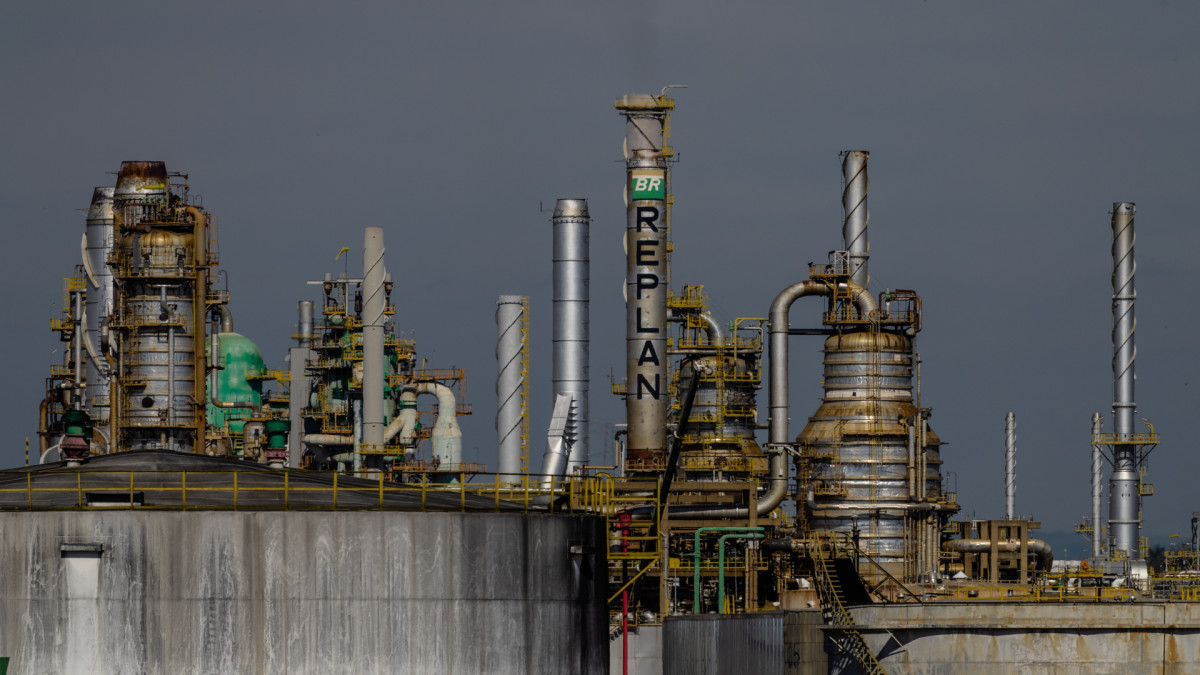
Venezuela Resumes Oil Exports Amid Geopolitical Tensions

- Oil Export Resumption: Venezuela has resumed exports of diluted crude oil (DCO) for the first time in 15 months, with Chevron shipping 500,000 barrels to the U.S. Gulf Coast this month, a small volume but significant given the current geopolitical tensions.
- Shifting Market Demand: DCO is essential for specific refineries, and with the Iran conflict disrupting shipping through the Strait of Hormuz, Venezuela's oil exports have become a crucial alternative supply, ensuring stability in the U.S. market.
- Strategic Advantage Emerges: Venezuela's oil exports bypass the Strait of Hormuz entirely, mitigating current supply risks, with output expected to rise to 1.1 to 1.2 million barrels per day by year-end if sanctions are lifted, significantly impacting the global supply outlook.
- Policy Changes Drive Production: A shift in U.S. sanctions policy has allowed Chevron to operate under an indefinite license, and the new Hydrocarbon Law enhances foreign investment, boosting Venezuela's oil production capabilities.
See More

U.S. Stocks Close Higher Amid Oil Price Volatility


- Oil Price Impact: Oil prices spiked above $100 per barrel on Monday, causing early declines in stocks, but the market rebounded quickly after President Trump indicated the war might be nearing its end, with the S&P 500 closing up 0.71%, reflecting investor optimism about future developments.
- Economic Concerns: Despite the stock market recovery, last Friday's economic data raised concerns, with U.S. February payrolls falling by 92,000 and January retail sales declining by 0.2% month-over-month, potentially undermining confidence in economic recovery.
- Strong Earnings Performance: Over 95% of S&P 500 companies have reported earnings, with 74% exceeding expectations, and Q4 earnings growth is projected at 8.4%, providing support for the stock market and demonstrating corporate resilience amid economic uncertainties.
- Airline Stocks Rally: Following Trump's comments suggesting the Iran war might end soon, airline stocks such as United Airlines, Delta Air Lines, and American Airlines rose over 2%, indicating market expectations for a recovery in the airline industry.
See More
Ultrapar Explores Sale of Ipiranga Stake with BTG Pactual
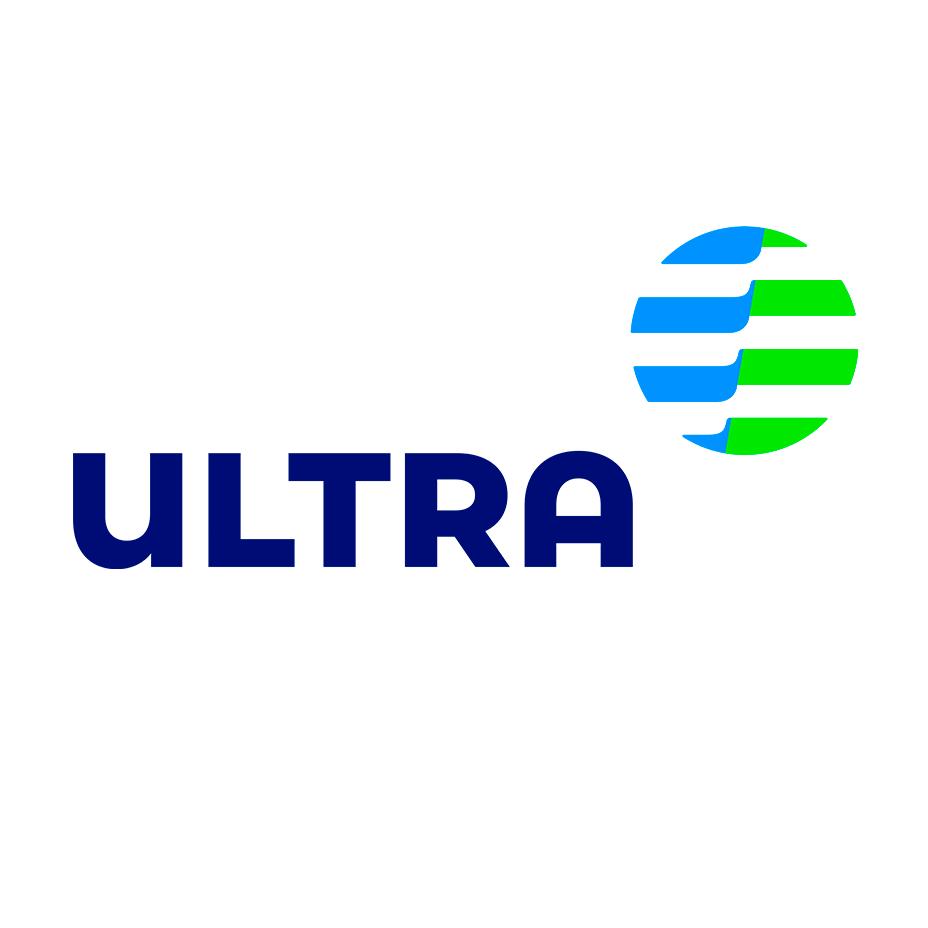
- Capital Restructuring Plan: Ultrapar (UGP) has engaged investment bank BTG Pactual to manage a potential sale of its stake in Ipiranga, aiming to reallocate capital towards the logistics sector while retaining operational control despite a reduced ownership stake.
- Collaboration with Chevron: Reports indicate that Chevron (CVX) is in advanced talks with Ultrapar to acquire a 30% stake in Ipiranga, which would further solidify the existing joint venture relationship between the two companies in the lubricants business.
- Positive Market Reaction: As energy sentiment improves, Chevron's stock is trading near $190, reflecting investor confidence in the partnership with Ultrapar, which could drive future business expansion for both companies.
- Strategic Implications: This potential deal not only aids Ultrapar in optimizing its capital allocation but also enhances its competitive position in the logistics sector, further advancing the implementation of the company's long-term growth strategy.
See More

Oil Price Retreat Supports Market Recovery

- Market Impact of Oil Prices: Oil prices retreated from approximately $119 per barrel late Sunday to about $100 at market open on Monday, sliding further to around $95, which eased selling pressure in equities and highlighted the significance of crude during the Iran conflict.
- Government Response Measures: The Trump administration is reviewing options to stabilize the market, including potential strategic oil reserve releases in coordination with G7 countries; while these steps are positive, their effectiveness in offsetting supply disruptions from Gulf States remains uncertain.
- Pressure on Sensitive Sectors: Financials, consumer discretionary, and materials were the worst-performing sectors in the S&P 500, as rising oil prices typically lead to higher gasoline costs, reducing disposable income for consumers and putting pressure on economic growth.
- Tech Stocks Lead Recovery: Despite oil price volatility, technology and AI-related stocks are leading the market's recovery on Monday, indicating confidence in this investment cycle; Broadcom is up over 4%, reflecting strong post-earnings performance.
See More
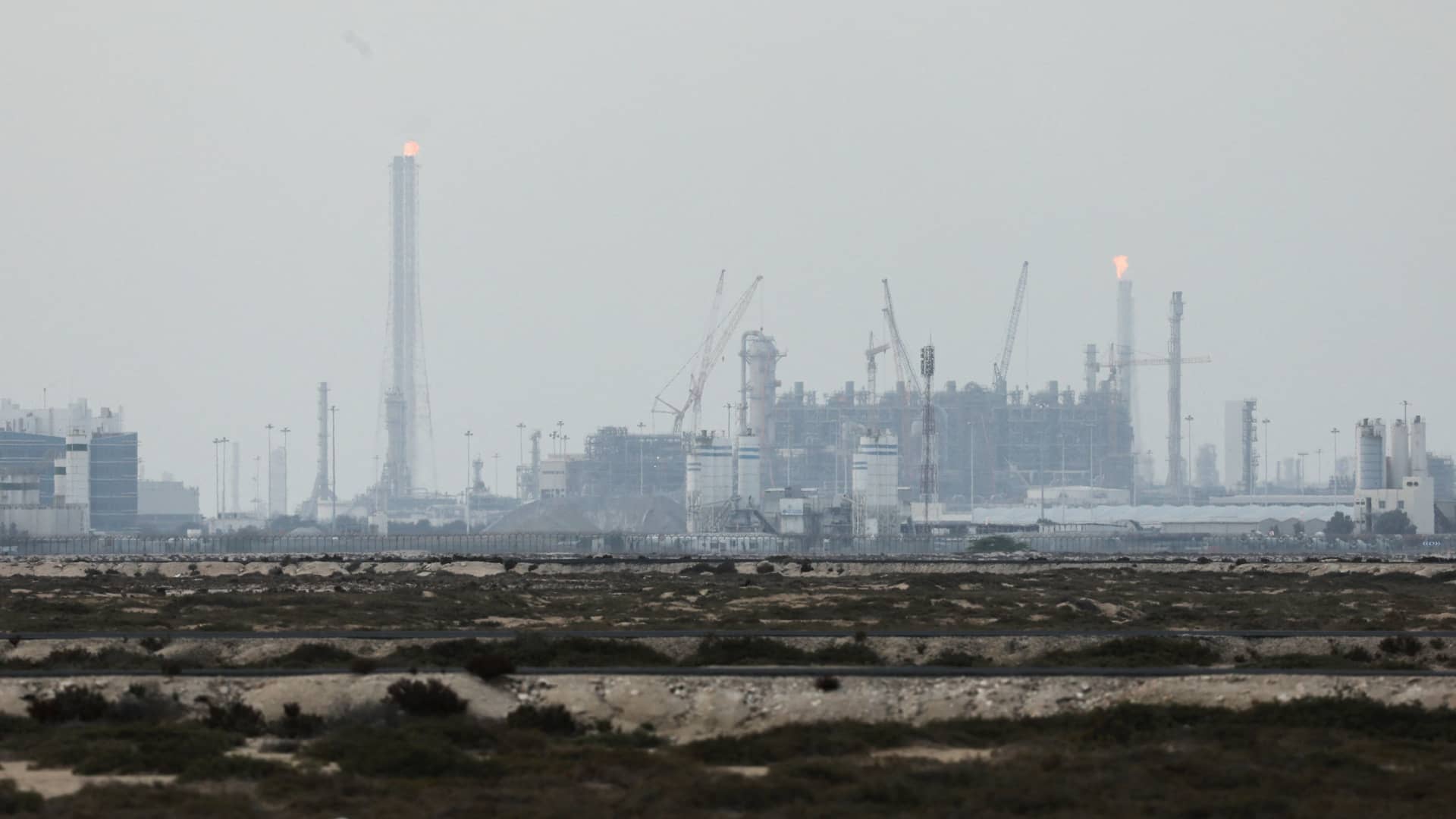
Qatar's LNG Market Faces Significant Risks Amid Strait Closure

- Supply-Demand Imbalance: With traffic in the Strait of Hormuz nearly at a standstill, global LNG prices have surged, particularly in Europe where natural gas prices rose 63% last week, marking the largest gain since March 2022, highlighting the market's increasing reliance on Qatari LNG.
- Production Restart Challenges: Qatar's LNG production facilities will remain offline until traffic in the Strait resumes, with estimates suggesting it could take weeks to return to normal production levels, which will have long-term implications for global supply chains amid current LNG shortages.
- Escalating Geopolitical Risks: Following Iranian attacks on Qatar's LNG infrastructure, concerns about potential escalation of hostilities have intensified, with Rapidan Energy warning that further conflict could severely damage Qatar's LNG production, destabilizing global markets.
- Expansion Plans Delayed: QatarEnergy has postponed its gas facility expansion plans until 2027, reflecting a cautious approach to future investments in an uncertain geopolitical environment, which may further constrain growth in global LNG supply.
See More
US Economy Faces Stagflation Threat Amid Oil Surge

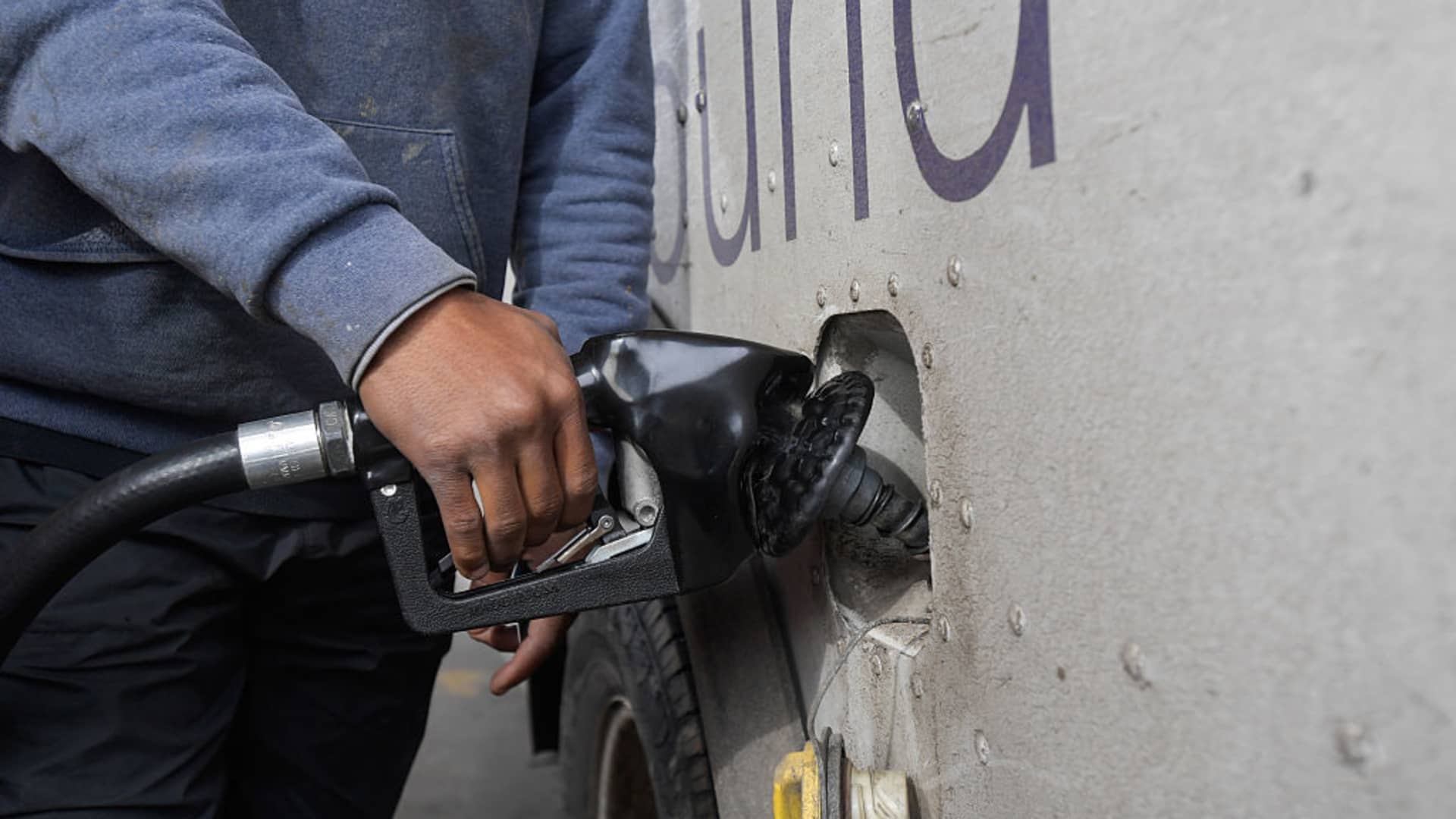
- Oil Price Surge: US crude oil prices have surpassed $100 per barrel for the first time since 2022, intensifying market fears of stagflation, particularly as the unemployment rate rose to 4.4% in February, indicating economic fragility amidst stagnant job growth.
- Weak Job Market: The economy lost 92,000 jobs in February, with total job growth for 2025 at only 116,000, which is 5,000 below the previous year's monthly average, reflecting a lack of recovery that could dampen consumer spending.
- Inflationary Pressures: Core inflation stands at 3%, a full percentage point above the Federal Reserve's target, leading to reduced expectations for interest rate cuts as investors worry that rising oil prices will exacerbate food inflation and other costs.
- Delayed Policy Response: The Federal Reserve is likely to postpone interest rate adjustments, with no second cut expected in 2026, despite strong GDP growth signals; however, stagflation risks remain, potentially complicating future monetary policy decisions.
See More
Venezuela Resumes Oil Exports Amid Geopolitical Tensions
- Oil Export Resumption: Venezuela has resumed exports of diluted crude oil (DCO) for the first time in 15 months, with Chevron shipping 500,000 barrels to the U.S. Gulf Coast this month, a small volume but significant given the current geopolitical tensions.
- Shifting Market Demand: DCO is essential for specific refineries, and with the Iran conflict disrupting shipping through the Strait of Hormuz, Venezuela's oil exports have become a crucial alternative supply, ensuring stability in the U.S. market.
- Strategic Advantage Emerges: Venezuela's oil exports bypass the Strait of Hormuz entirely, mitigating current supply risks, with output expected to rise to 1.1 to 1.2 million barrels per day by year-end if sanctions are lifted, significantly impacting the global supply outlook.
- Policy Changes Drive Production: A shift in U.S. sanctions policy has allowed Chevron to operate under an indefinite license, and the new Hydrocarbon Law enhances foreign investment, boosting Venezuela's oil production capabilities.
See More
U.S. Stocks Close Higher Amid Oil Price Volatility
- Oil Price Impact: Oil prices spiked above $100 per barrel on Monday, causing early declines in stocks, but the market rebounded quickly after President Trump indicated the war might be nearing its end, with the S&P 500 closing up 0.71%, reflecting investor optimism about future developments.
- Economic Concerns: Despite the stock market recovery, last Friday's economic data raised concerns, with U.S. February payrolls falling by 92,000 and January retail sales declining by 0.2% month-over-month, potentially undermining confidence in economic recovery.
- Strong Earnings Performance: Over 95% of S&P 500 companies have reported earnings, with 74% exceeding expectations, and Q4 earnings growth is projected at 8.4%, providing support for the stock market and demonstrating corporate resilience amid economic uncertainties.
- Airline Stocks Rally: Following Trump's comments suggesting the Iran war might end soon, airline stocks such as United Airlines, Delta Air Lines, and American Airlines rose over 2%, indicating market expectations for a recovery in the airline industry.
See More
Ultrapar Explores Sale of Ipiranga Stake with BTG Pactual
- Capital Restructuring Plan: Ultrapar (UGP) has engaged investment bank BTG Pactual to manage a potential sale of its stake in Ipiranga, aiming to reallocate capital towards the logistics sector while retaining operational control despite a reduced ownership stake.
- Collaboration with Chevron: Reports indicate that Chevron (CVX) is in advanced talks with Ultrapar to acquire a 30% stake in Ipiranga, which would further solidify the existing joint venture relationship between the two companies in the lubricants business.
- Positive Market Reaction: As energy sentiment improves, Chevron's stock is trading near $190, reflecting investor confidence in the partnership with Ultrapar, which could drive future business expansion for both companies.
- Strategic Implications: This potential deal not only aids Ultrapar in optimizing its capital allocation but also enhances its competitive position in the logistics sector, further advancing the implementation of the company's long-term growth strategy.
See More
Oil Price Retreat Supports Market Recovery
- Market Impact of Oil Prices: Oil prices retreated from approximately $119 per barrel late Sunday to about $100 at market open on Monday, sliding further to around $95, which eased selling pressure in equities and highlighted the significance of crude during the Iran conflict.
- Government Response Measures: The Trump administration is reviewing options to stabilize the market, including potential strategic oil reserve releases in coordination with G7 countries; while these steps are positive, their effectiveness in offsetting supply disruptions from Gulf States remains uncertain.
- Pressure on Sensitive Sectors: Financials, consumer discretionary, and materials were the worst-performing sectors in the S&P 500, as rising oil prices typically lead to higher gasoline costs, reducing disposable income for consumers and putting pressure on economic growth.
- Tech Stocks Lead Recovery: Despite oil price volatility, technology and AI-related stocks are leading the market's recovery on Monday, indicating confidence in this investment cycle; Broadcom is up over 4%, reflecting strong post-earnings performance.
See More
Qatar's LNG Market Faces Significant Risks Amid Strait Closure
- Supply-Demand Imbalance: With traffic in the Strait of Hormuz nearly at a standstill, global LNG prices have surged, particularly in Europe where natural gas prices rose 63% last week, marking the largest gain since March 2022, highlighting the market's increasing reliance on Qatari LNG.
- Production Restart Challenges: Qatar's LNG production facilities will remain offline until traffic in the Strait resumes, with estimates suggesting it could take weeks to return to normal production levels, which will have long-term implications for global supply chains amid current LNG shortages.
- Escalating Geopolitical Risks: Following Iranian attacks on Qatar's LNG infrastructure, concerns about potential escalation of hostilities have intensified, with Rapidan Energy warning that further conflict could severely damage Qatar's LNG production, destabilizing global markets.
- Expansion Plans Delayed: QatarEnergy has postponed its gas facility expansion plans until 2027, reflecting a cautious approach to future investments in an uncertain geopolitical environment, which may further constrain growth in global LNG supply.
See More
US Economy Faces Stagflation Threat Amid Oil Surge
- Oil Price Surge: US crude oil prices have surpassed $100 per barrel for the first time since 2022, intensifying market fears of stagflation, particularly as the unemployment rate rose to 4.4% in February, indicating economic fragility amidst stagnant job growth.
- Weak Job Market: The economy lost 92,000 jobs in February, with total job growth for 2025 at only 116,000, which is 5,000 below the previous year's monthly average, reflecting a lack of recovery that could dampen consumer spending.
- Inflationary Pressures: Core inflation stands at 3%, a full percentage point above the Federal Reserve's target, leading to reduced expectations for interest rate cuts as investors worry that rising oil prices will exacerbate food inflation and other costs.
- Delayed Policy Response: The Federal Reserve is likely to postpone interest rate adjustments, with no second cut expected in 2026, despite strong GDP growth signals; however, stagflation risks remain, potentially complicating future monetary policy decisions.
See More