US Inflation Accelerates, Market Responds Positively
Written by Emily J. Thompson, Senior Investment Analyst
Updated: 2 days ago
0mins

Should l Buy TSLA?
Source: Newsfilter
- Inflation Surge: The consumer price index rose at its fastest pace in nearly three years last month, with an annual inflation rate of 3.8%, significantly above the Federal Reserve's 2% target, indicating broad price pressures on consumers.
- Energy Price Spike: Driven by the Iran War, energy prices increased by 3.8% in April and are up nearly 18% year-over-year, which could have a substantial impact on overall economic conditions and consumer spending patterns moving forward.
- Market Reaction: The S&P 500 pulled back in Tuesday's session as traders increasingly ruled out an interest rate cut before the end of 2027, raising the odds for a rate hike this year, reflecting a cautious market sentiment regarding future economic policies.
- Box Office Recovery: The domestic box office posted $161.2 million in ticket sales over the weekend, an increase of nearly 88% year-over-year, indicating a strong recovery in the summer box office, with expectations for continued high ticket sales in the coming months, further supporting economic recovery.
Trade with 70% Backtested Accuracy
Stop guessing "Should I Buy TSLA?" and start using high-conviction signals backed by rigorous historical data.
Sign up today to access powerful investing tools and make smarter, data-driven decisions.
Analyst Views on TSLA
Wall Street analysts forecast TSLA stock price to fall
30 Analyst Rating
12 Buy
11 Hold
7 Sell
Hold
Current: 443.300

Low
25.28
Averages
401.93
High
600.00
Current: 443.300
Low
25.28
Averages
401.93
High
600.00
About TSLA
Tesla, Inc. designs, develops, manufactures, sells and leases high-performance fully electric vehicles and energy generation and storage systems, and offers services related to its products. Its segments include automotive, and energy generation and storage. The automotive segment includes the design, development, manufacturing, sales and leasing of high-performance fully electric vehicles, and sales of automotive regulatory credits. It also includes sales of used vehicles, non-warranty maintenance services and collisions, part sales, paid supercharging, insurance services revenue and retail merchandise sales. The energy generation and storage segment include the design, manufacture, installation, sales and leasing of solar energy generation and energy storage products and related services and sales of solar energy systems incentives. Its consumer vehicles include the Model 3, Y, S, X and Cybertruck. Its lithium-ion battery energy storage products include Powerwall and Megapack.
About the author

Emily J. Thompson
Emily J. Thompson, a Chartered Financial Analyst (CFA) with 12 years in investment research, graduated with honors from the Wharton School. Specializing in industrial and technology stocks, she provides in-depth analysis for Intellectia’s earnings and market brief reports.
Tesla Accelerates Robotaxi Operations Amid Software Developments

- Fleet Expansion: Tesla currently operates 39 unsupervised robotaxis in Austin, Dallas, and Houston, a significant increase from just 9 in early April and 26 in early May, showcasing the company's aggressive strategy in the robotaxi sector and boosting investor confidence.
- Software Update Importance: The next version of Tesla's Full Self-Driving software (FSD v15) is expected to be available by early 2027, with CEO Elon Musk emphasizing the need to address major architectural improvements before large-scale deployment, which will directly impact the future rollout of robotaxis.
- Market Expectations: While Tesla has made progress in robotaxi deployment, investors should remain cautious as the company will not pursue large-scale unsupervised robotaxi launches until the FSD software is updated, indicating that short-term market reactions may be limited.
- Urban Expansion Plans: Tesla is preparing for robotaxi deployments in new cities such as Phoenix, Miami, Orlando, Tampa, and Las Vegas, and although it currently operates only in unsupervised mode in Dallas and Houston, future city expansions will further enhance its competitive position in the market.
See More
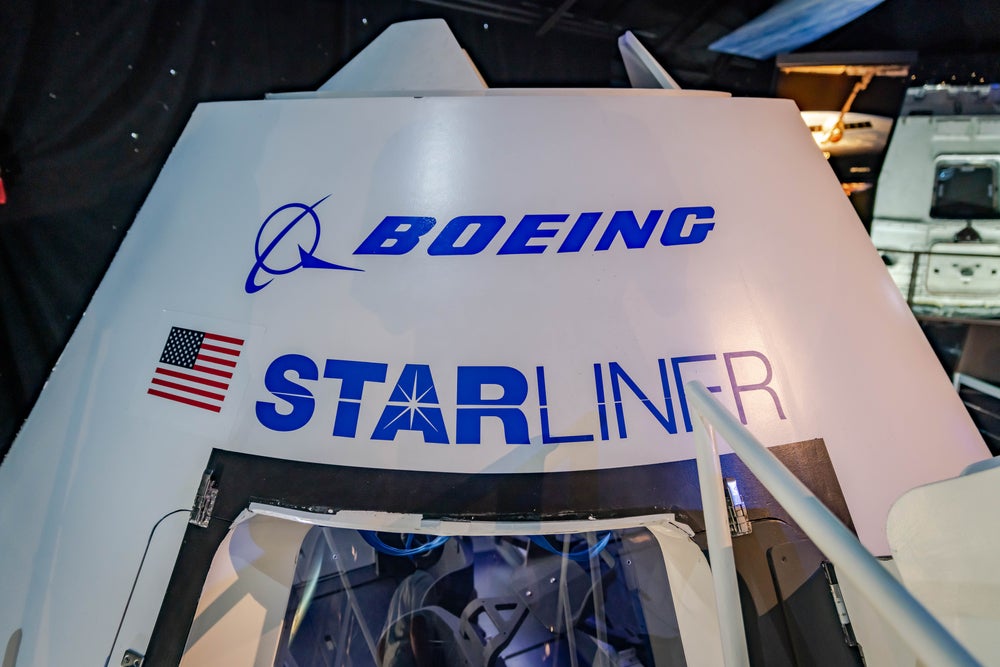
Trump's Meeting with Xi Boosts Oil Prices Amid Trade Talks

- Trump's Visit Outcomes: Following his meetings with Xi, Trump announced that China agreed to purchase U.S. crude oil, although Beijing has not confirmed this plan, leading to a rise in oil prices and indicating potential improvement in U.S.-China trade relations.
- Cerebras IPO Performance: Cerebras surged 68% on its Nasdaq debut, reaching a market cap of approximately $95 billion, marking the largest IPO in the U.S. tech sector in years, which made its founders billionaires and reflects strong market demand for emerging technologies.
- Market Dynamics Recap: The Dow Jones Industrial Average surged back above 50,000, while the S&P 500 closed above 7,500 for the first time, showcasing a robust rebound driven by surging demand for AI infrastructure, particularly with Cisco's stock rising over 13%.
- Automotive Industry Layoffs: Legacy automakers have collectively cut over 20,000 U.S. salaried jobs, about 19% of their workforce, as they adapt to technological changes, raising concerns among lawmakers about the impact of Chinese car manufacturers entering the U.S. market.
See More
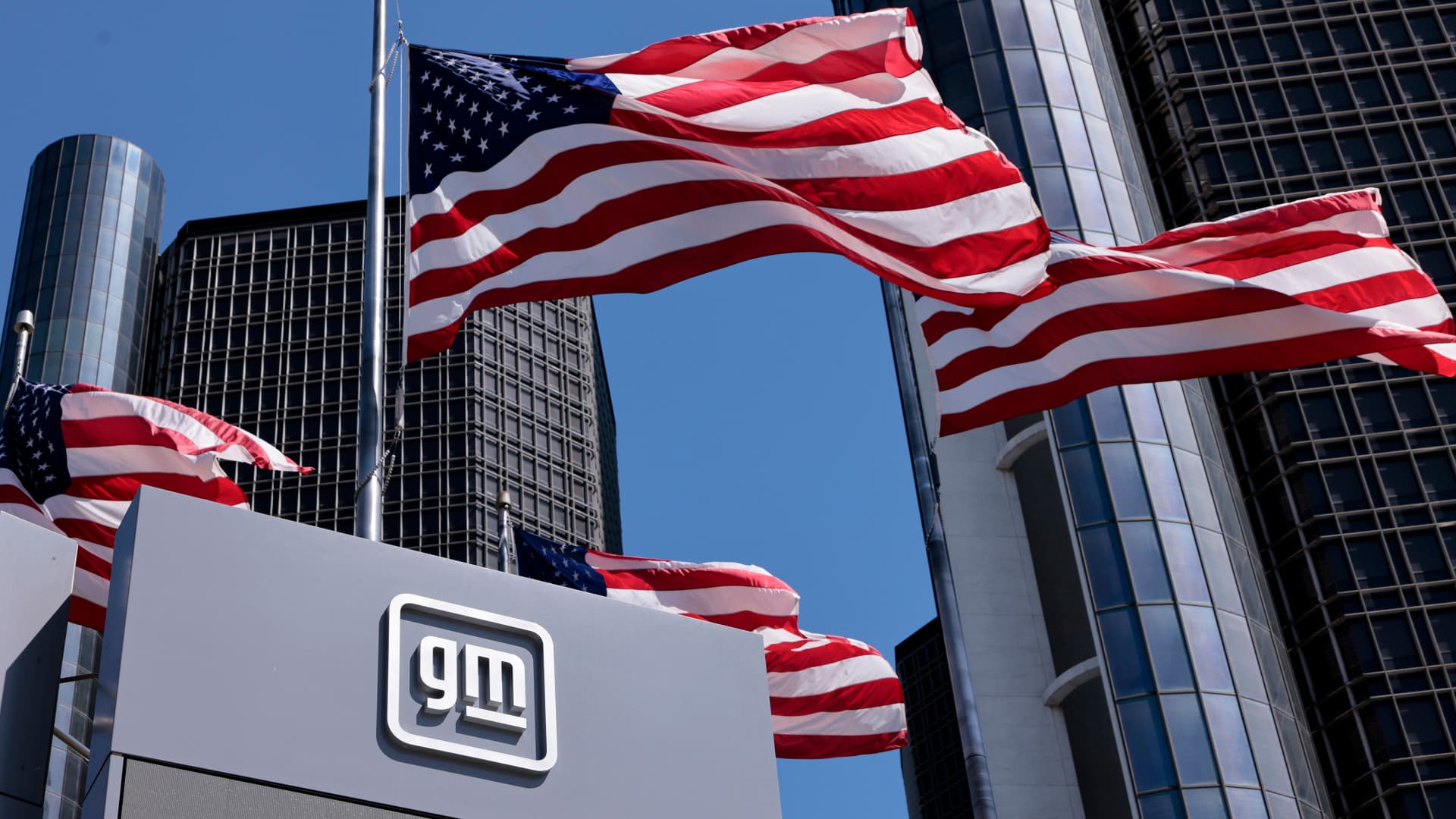
U.S. Automakers Cut Over 20,000 Jobs Amid AI Expansion


- Escalating Job Cuts: The Detroit Three automakers have collectively reduced over 20,000 white-collar jobs since recent employment peaks, representing 19% of their total workforce, highlighting significant challenges faced by the industry due to technological changes.
- GM Leads Layoffs: General Motors has cut approximately 11,000 employees from 2022 to 2023, despite having expanded to 58,000 white-collar workers in 2020, reflecting pressures as the company transitions towards software-defined and electric vehicles.
- AI's Profound Impact: Ford's CEO has stated that artificial intelligence could replace half of all white-collar jobs in the U.S., particularly in repetitive roles such as finance and IT, although positions in emerging areas like autonomous vehicles and cybersecurity are still on the rise.
- Hiring Amid Cuts: Despite layoffs, the three automakers are still hiring, particularly in AI-related fields, with GM planning to recruit over 250 AI positions, indicating a demand for new skills as companies navigate their transformation.
See More

End of Fed Chair Era Sparks Market Volatility


- Fed Chair Transition: Jerome Powell's last day as Fed Chair coincides with falling stock futures, indicating investor uncertainty regarding future monetary policy, which may lead to increased market volatility in the short term.
- Cerebras IPO Success: Cerebras shares surged 68% on their Nasdaq debut, pushing the company's market cap to approximately $95 billion, marking the largest IPO in the U.S. tech sector in years and reflecting strong demand and renewed investor confidence in high-tech firms.
- Automotive Industry Layoffs: The Detroit Three automakers—GM, Ford, and Stellantis—have collectively cut over 20,000 U.S. salaried jobs, about 19% of their combined workforce, highlighting the industry's struggle to adapt to AI and technological changes, which could impact future production capabilities.
- Crypto Regulation Progress: The Senate Banking Committee approved the Clarity Act, providing a regulatory framework for the cryptocurrency industry despite opposition from banks and law enforcement, indicating lawmakers' recognition of the crypto market's significance and potential compliance challenges ahead.
See More
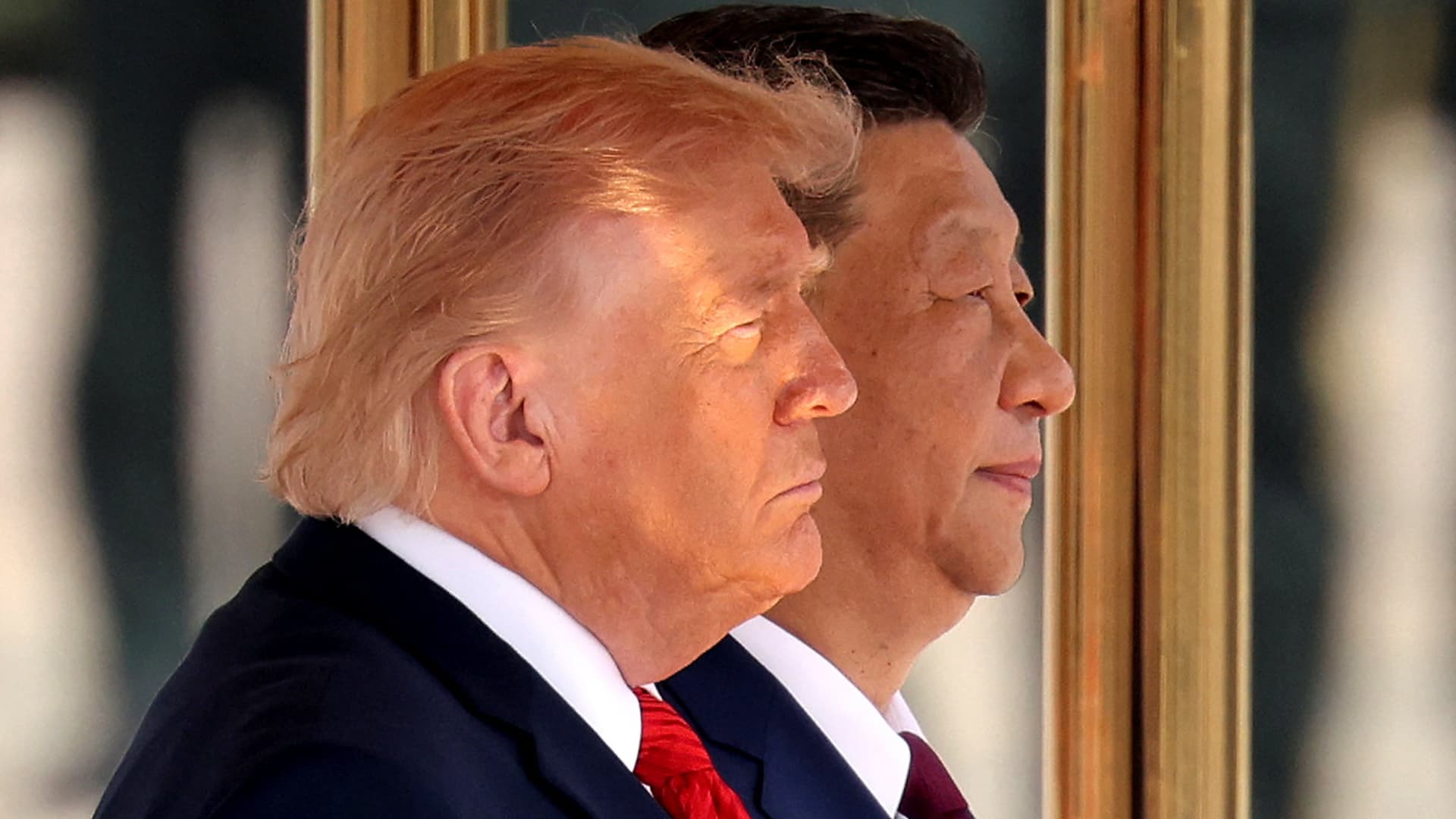
US-China Executive Meeting Focuses on Tech Cooperation

- High-Level US-China Meeting: The meeting between US President Trump and Chinese President Xi Jinping highlighted tech cooperation, with executives from Nvidia, Tesla, and Apple present, indicating a strong American interest in the Chinese market.
- Absence of Chip Export Controls: Despite Nvidia CEO Jensen Huang's presence, discussions on chip export controls were notably absent, which could impact the sales of Nvidia's H200 chips in China, reflecting the complexities of US-China relations in high-tech sectors.
- Rare Earth Minerals Negotiations: Both sides expressed a willingness to cooperate on access to rare earth minerals, where China holds a dominant market position, with hopes to extend existing trade agreements to ensure the US secures critical resources and enhances supply chain resilience.
- Future Negotiation Outlook: Ongoing negotiations on sensitive topics like rare earth minerals are expected to continue into the summer, and if Xi visits the US in September, these issues may resurface, highlighting potential opportunities for economic collaboration between the two nations.
See More

Trump-Xi Talks Omit Chip Export Controls, Focus on Minerals

- Meeting Overview: The Trump-Xi talks did not address chip export controls, although critical minerals and market access for U.S. tech companies were expected focal points, indicating ongoing tensions in the tech sector between the two nations.
- U.S. Executive Participation: High-profile executives including Nvidia's Jensen Huang, Tesla's Elon Musk, and Apple's Tim Cook were part of the U.S. delegation, reflecting America's interest in the Chinese market, yet the lack of consensus on chip exports may hinder future collaboration opportunities.
- Rare Earth Minerals Issue: China's dominance over critical and rare earth minerals remains a sensitive topic in U.S.-China relations; while the U.S. has seen improvements in accessing these resources, uncertainty over the extension of future agreements could impact America's competitiveness in high-tech industries.
- Market Reaction Expectations: Despite the absence of concrete agreements, President Xi's statement about further opening China's market may provide opportunities for U.S. businesses, but the practical implications remain to be seen, potentially affecting market confidence in future collaborations.
See More
Tesla Accelerates Robotaxi Operations Amid Software Developments
- Fleet Expansion: Tesla currently operates 39 unsupervised robotaxis in Austin, Dallas, and Houston, a significant increase from just 9 in early April and 26 in early May, showcasing the company's aggressive strategy in the robotaxi sector and boosting investor confidence.
- Software Update Importance: The next version of Tesla's Full Self-Driving software (FSD v15) is expected to be available by early 2027, with CEO Elon Musk emphasizing the need to address major architectural improvements before large-scale deployment, which will directly impact the future rollout of robotaxis.
- Market Expectations: While Tesla has made progress in robotaxi deployment, investors should remain cautious as the company will not pursue large-scale unsupervised robotaxi launches until the FSD software is updated, indicating that short-term market reactions may be limited.
- Urban Expansion Plans: Tesla is preparing for robotaxi deployments in new cities such as Phoenix, Miami, Orlando, Tampa, and Las Vegas, and although it currently operates only in unsupervised mode in Dallas and Houston, future city expansions will further enhance its competitive position in the market.
See More
Trump's Meeting with Xi Boosts Oil Prices Amid Trade Talks
- Trump's Visit Outcomes: Following his meetings with Xi, Trump announced that China agreed to purchase U.S. crude oil, although Beijing has not confirmed this plan, leading to a rise in oil prices and indicating potential improvement in U.S.-China trade relations.
- Cerebras IPO Performance: Cerebras surged 68% on its Nasdaq debut, reaching a market cap of approximately $95 billion, marking the largest IPO in the U.S. tech sector in years, which made its founders billionaires and reflects strong market demand for emerging technologies.
- Market Dynamics Recap: The Dow Jones Industrial Average surged back above 50,000, while the S&P 500 closed above 7,500 for the first time, showcasing a robust rebound driven by surging demand for AI infrastructure, particularly with Cisco's stock rising over 13%.
- Automotive Industry Layoffs: Legacy automakers have collectively cut over 20,000 U.S. salaried jobs, about 19% of their workforce, as they adapt to technological changes, raising concerns among lawmakers about the impact of Chinese car manufacturers entering the U.S. market.
See More
U.S. Automakers Cut Over 20,000 Jobs Amid AI Expansion
- Escalating Job Cuts: The Detroit Three automakers have collectively reduced over 20,000 white-collar jobs since recent employment peaks, representing 19% of their total workforce, highlighting significant challenges faced by the industry due to technological changes.
- GM Leads Layoffs: General Motors has cut approximately 11,000 employees from 2022 to 2023, despite having expanded to 58,000 white-collar workers in 2020, reflecting pressures as the company transitions towards software-defined and electric vehicles.
- AI's Profound Impact: Ford's CEO has stated that artificial intelligence could replace half of all white-collar jobs in the U.S., particularly in repetitive roles such as finance and IT, although positions in emerging areas like autonomous vehicles and cybersecurity are still on the rise.
- Hiring Amid Cuts: Despite layoffs, the three automakers are still hiring, particularly in AI-related fields, with GM planning to recruit over 250 AI positions, indicating a demand for new skills as companies navigate their transformation.
See More
End of Fed Chair Era Sparks Market Volatility
- Fed Chair Transition: Jerome Powell's last day as Fed Chair coincides with falling stock futures, indicating investor uncertainty regarding future monetary policy, which may lead to increased market volatility in the short term.
- Cerebras IPO Success: Cerebras shares surged 68% on their Nasdaq debut, pushing the company's market cap to approximately $95 billion, marking the largest IPO in the U.S. tech sector in years and reflecting strong demand and renewed investor confidence in high-tech firms.
- Automotive Industry Layoffs: The Detroit Three automakers—GM, Ford, and Stellantis—have collectively cut over 20,000 U.S. salaried jobs, about 19% of their combined workforce, highlighting the industry's struggle to adapt to AI and technological changes, which could impact future production capabilities.
- Crypto Regulation Progress: The Senate Banking Committee approved the Clarity Act, providing a regulatory framework for the cryptocurrency industry despite opposition from banks and law enforcement, indicating lawmakers' recognition of the crypto market's significance and potential compliance challenges ahead.
See More
US-China Executive Meeting Focuses on Tech Cooperation
- High-Level US-China Meeting: The meeting between US President Trump and Chinese President Xi Jinping highlighted tech cooperation, with executives from Nvidia, Tesla, and Apple present, indicating a strong American interest in the Chinese market.
- Absence of Chip Export Controls: Despite Nvidia CEO Jensen Huang's presence, discussions on chip export controls were notably absent, which could impact the sales of Nvidia's H200 chips in China, reflecting the complexities of US-China relations in high-tech sectors.
- Rare Earth Minerals Negotiations: Both sides expressed a willingness to cooperate on access to rare earth minerals, where China holds a dominant market position, with hopes to extend existing trade agreements to ensure the US secures critical resources and enhances supply chain resilience.
- Future Negotiation Outlook: Ongoing negotiations on sensitive topics like rare earth minerals are expected to continue into the summer, and if Xi visits the US in September, these issues may resurface, highlighting potential opportunities for economic collaboration between the two nations.
See More
Trump-Xi Talks Omit Chip Export Controls, Focus on Minerals
- Meeting Overview: The Trump-Xi talks did not address chip export controls, although critical minerals and market access for U.S. tech companies were expected focal points, indicating ongoing tensions in the tech sector between the two nations.
- U.S. Executive Participation: High-profile executives including Nvidia's Jensen Huang, Tesla's Elon Musk, and Apple's Tim Cook were part of the U.S. delegation, reflecting America's interest in the Chinese market, yet the lack of consensus on chip exports may hinder future collaboration opportunities.
- Rare Earth Minerals Issue: China's dominance over critical and rare earth minerals remains a sensitive topic in U.S.-China relations; while the U.S. has seen improvements in accessing these resources, uncertainty over the extension of future agreements could impact America's competitiveness in high-tech industries.
- Market Reaction Expectations: Despite the absence of concrete agreements, President Xi's statement about further opening China's market may provide opportunities for U.S. businesses, but the practical implications remain to be seen, potentially affecting market confidence in future collaborations.
See More